


Falcon 9 Booster B1067 Reaches 35th Flight Record | KeepTrack Space Brief
Booster B1067 sets new Falcon 9 reuse record with 35th successful flight, deploying 29 Starlink satellites. Quantum Space pursues public markets via SPAC.


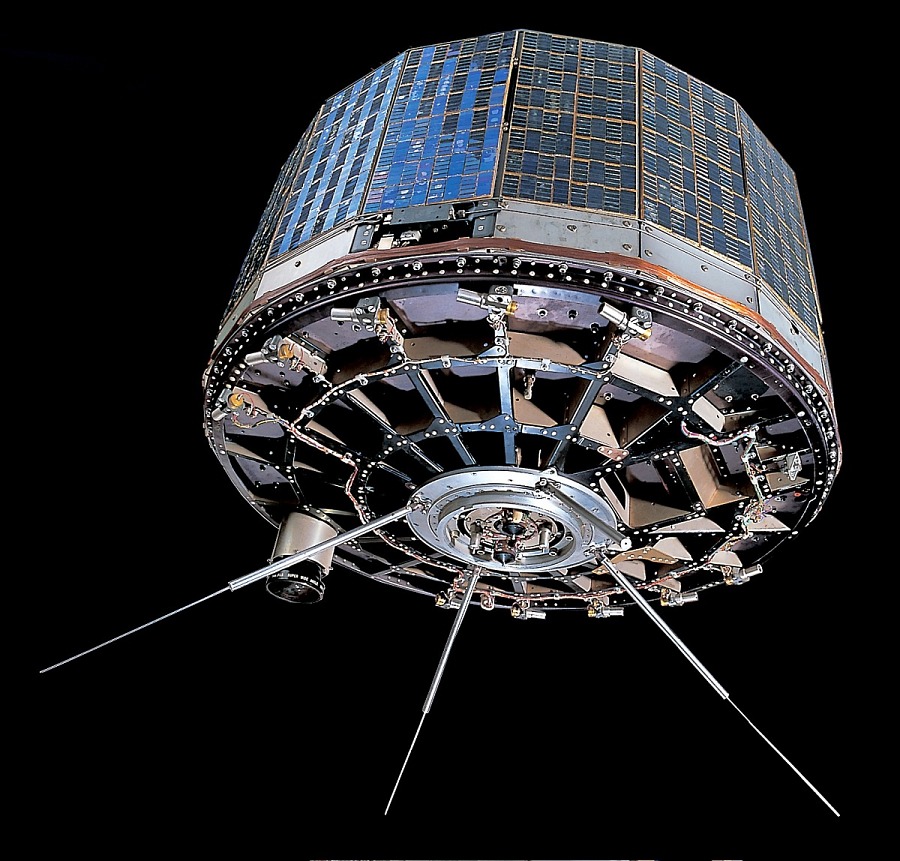
Launch Date
July 12, 1961
Launch Site
Launch Pad
LC-17A
Launch Vehicle
Thor-Delta
NORAD ID
00162
International Designator
1961-017A
Epoch
Sat, 04 Jul 2026 01:00:57 GMT
Apogee
Calculating...
Perigee
Calculating...
Inclination
47.90°
Right Ascension
292.28°
Eccentricity
Calculating...
Argument of Perigee
44.86°
Period
99.63 min
Mean Motion
14.45 rev/day
Latitude
Calculating...
Longitude
Calculating...
Altitude
Calculating...
Velocity
Calculating...
Name
TIROS 3
Alternative Name
TIROS-C
Type
Status
Owner
NASA Goddard Space Flight Center
Country
United States
Constellation
N/A
Related Satellites
Major Events
Launched on July 12, 1961; provided valuable meteorological data until deactivation on February 28, 1962.
1 00162U 61017A 26185.04232779 .00000048 00000-0 59668-4 0 9990
2 00162 47.8997 292.2815 0043256 44.8585 315.5792 14.45400624394219
Source: Celestrak
Length
0.56
Diameter
1.07
Span
1.07
Dry Mass
129
Launch Mass
129
Shape
18-sided right prism
Radar Cross Section
0.8244
Visual Magnitude
5
Color
Silver (aluminum-clad)
Material Composition
Aluminum alloy and stainless steel structure.
Payload
Meteorological instruments for cloud cover imaging and radiation measurement.
Purpose
Meteorology
Mission
Meteorology
Manufacturer
RCA Astro Electronics
Life Expectancy
Operated nominally until January 22, 1962; deactivated on February 28, 1962.
Bus
TIROS
Configuration
18-sided right prism
Motor
Not applicable
Equipment
Two independent television camera subsystems for cloud cover imaging; two-channel low-resolution radiometer; omnidirectional radiometer; five-channel infrared scanning radiometer.
Power System
Approximately 9,000 silicon solar cells covering the top and sides of the spacecraft, charging onboard batteries.
ADCS
Spin-stabilized at 8 to 12 rpm; magnetic control device for attitude adjustment.
Transmitter Frequency
Unknown
Learn more about satellites and other related topics.
Booster B1067 sets new Falcon 9 reuse record with 35th successful flight, deploying 29 Starlink satellites. Quantum Space pursues public markets via SPAC.
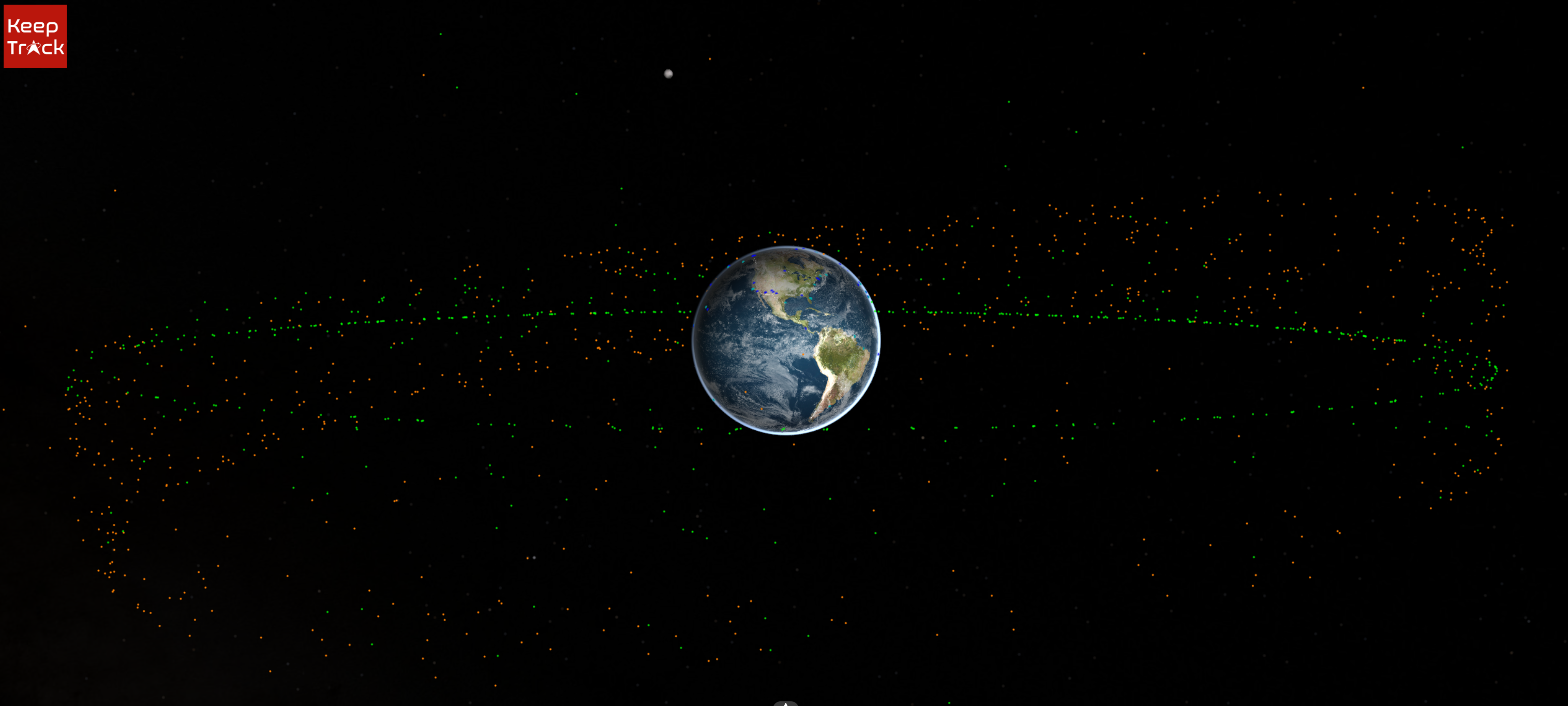
The final resting place for retired satellites, a disposal orbit where defunct spacecraft are sent to stay out of the way

Rocket Lab Neutron launch schedule holds at Q4 2026 for the first flight as a five-launch contract lands; barge recovery starts on flight two.

Today's brief covers a Japanese military satellite launch, new GPS satellite orders by the Space Force, and a Moog propulsion system contract, among other notable developments.
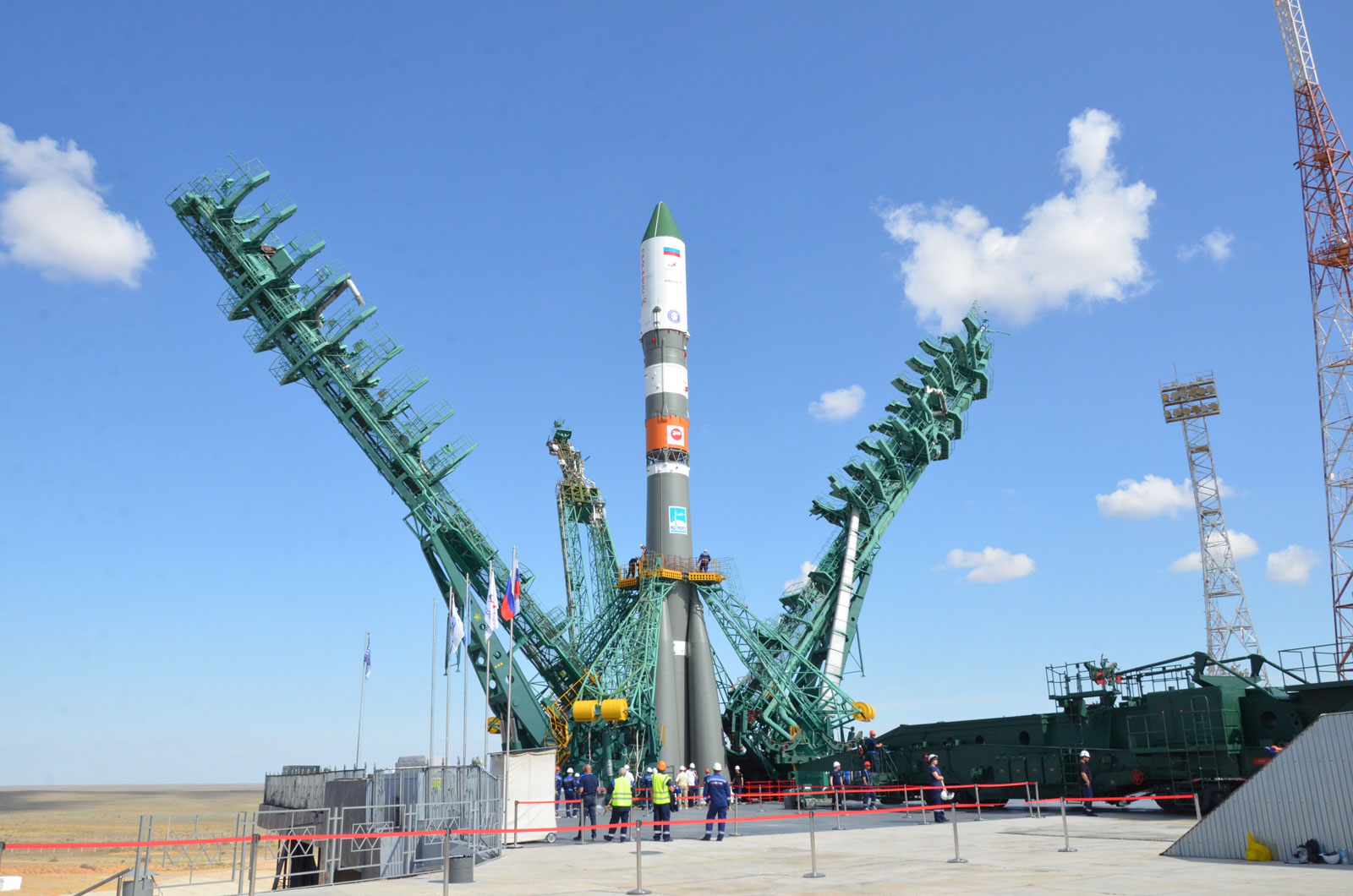
Highlights of today's Space Brief include advancements in missile defense systems, a historic lunar project by NASA, and strategic military investments in satellite technology.
Today's space news highlights include U.S. military satellite deployments, innovative AI aboard the Chinese space station, and breakthroughs in interplanetary communications.
Starlink reaches 9 million active users, while SpaceX prepares for upcoming missions with Flight 12 vehicles readying for 2026.
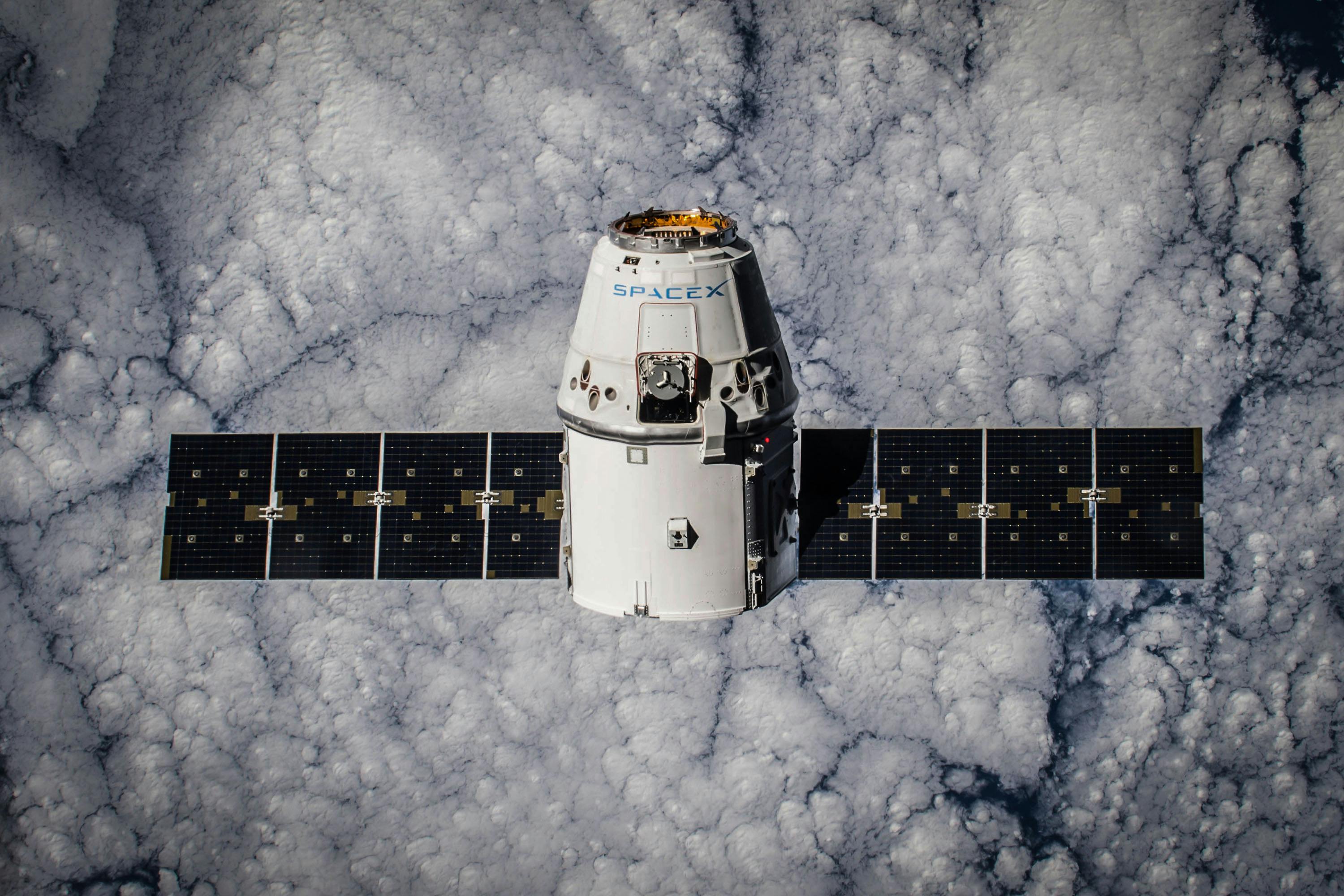
SpaceX prepares for a new cargo-return mission with Atmos, deploys imaging satellites, and gears up for Axiom-4 private astronaut launch.