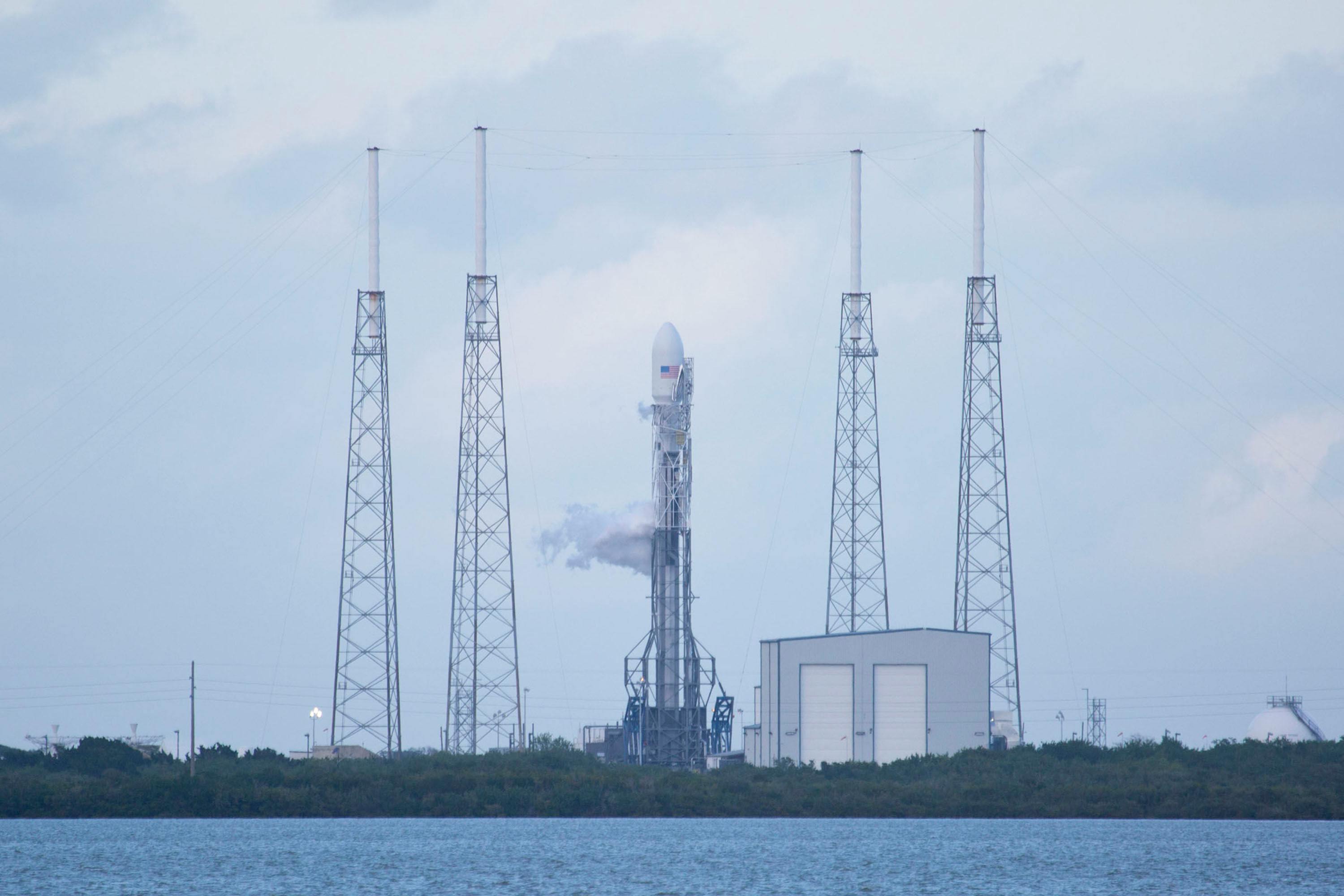
SL-4 R/B (16170)

COSPAR: 1985-095B | Alt Name: Soyuz-U 21-327 Blok-I
DECAYED

Image
SL-4 R/B Satellite Image
Additional Sources
Launch Details

Launch Date

October 16, 1985

Launch Pad

LC31

Launch Vehicle

Soyuz-U

Orbital Elements

NORAD ID

16170

International Designator

1985-095B

Decay Date

10/23/1985

Basic Satellite Info

Name

SL-4 R/B

Alternative Name

Soyuz-U 21-327 Blok-I

Type

Rocket Body

Status

Space Junk

Owner

RVSN

Country

USSR

Constellation

N/A

Related Satellites

Major Events

N/A

Summary
A rocket body, also commonly referred to as an upper stage or spent rocket stage, is the structural shell left behind after a rocket has delivered its payload to orbit. These large and often heavy pieces of space hardware can remain in orbit for years, posing significant collision hazards as part of the growing space debris problem. If left uncontrolled, rocket bodies have the potential to reenter Earth's atmosphere unpredictably, which can lead to falling debris in populated areas. Additionally, they risk colliding with operational satellites or the International Space Station, creating more debris and putting human life at risk.
Physical Characteristics

Length

6.7

Diameter

2.7

Span

6.7

Dry Mass

2350

Launch Mass

2350

Shape

Cyl

Radar Cross Section

Unknown

Visual Magnitude

Unknown

Color

Unknown

Material Composition

Unknown

Technical Details

Payload

11S510

Purpose

Unknown

Mission

Unknown

Manufacturer

PROG

Life Expectancy

Unknown

Bus

Blok-I

Configuration

Unknown

Motor

Unknown

Equipment

Unknown

Power System

Unknown

ADCS

Unknown

Transmitter Frequency

Unknown

Satellite Articles

View All Posts »

Learn more about satellites and other related topics.

GAO Warns Space Force Satellite Costs Rising, Workforce Cuts Add Risk | KeepTrack Space Brief

GAO Warns Space Force Satellite Costs Rising, Workforce Cuts Add Risk | KeepTrack Space Brief

GAO flags growing cost problems across Space Force satellite portfolio with workforce reductions compounding risks to missile-warning constellations like NGG and SWAT.

DROID.002 - Turion Space's Eyes on the Orbital Junkyard

DROID.002 - Turion Space's Eyes on the Orbital Junkyard

A 90-kilogram spacecraft with iodine thrusters and two Australian-built cameras is quietly building the case that tracking space debris is a business worth billions - and that a four-year-old startup from Irvine can own it.

Space Brief 12 Feb 2025

Space Brief 12 Feb 2025

Today's space brief covers SpaceX's latest Starlink missions, Satellogic's contract with Brazilian Air Force, OCX, and ATLAS project updates, and DARPA's insights on cybersecurity vulnerabilities.

US Agency Will Not Reinstate $900 Mln Subsidy for SpaceX Starlink Unit

US Agency Will Not Reinstate $900 Mln Subsidy for SpaceX Starlink Unit

The U.S. Federal Communications Commission reaffirms its decision to deny SpaceX's Starlink unit $885.5 million in rural broadband subsidies, impacting the company's plans for expanding internet access.

Space Brief 20 Apr 2025

Space Brief 20 Apr 2025

Today's highlights include advances in space tracking technology by the US Space Force, SpaceX's infrastructure expansion, and a spectacular birthday landing on Earth. Additionally, we spotlight a significant exoplanetary discovery and satellite updates.

Space Brief 20 Mar 2025

Space Brief 20 Mar 2025

Today's brief highlights critical discussions in military space readiness, potential satellite 'dogfighting' scenarios, international defense collaborations, and a notable communications satellite launch.

X Report 25 Nov 2025

X Report 25 Nov 2025

In today's report, we explore the latest updates from SpaceX's ongoing launch initiatives, Starship progress, and emerging competition in satellite internet, highlighting a new contender that could challenge Starlink's dominance.

X Report 25 Aug 2025

X Report 25 Aug 2025

SpaceX faced delays in launching its 10th Starship test flight while successfully deploying a Cargo Dragon to resupply the ISS, marking a significant milestone in the ongoing collaboration with NASA.