


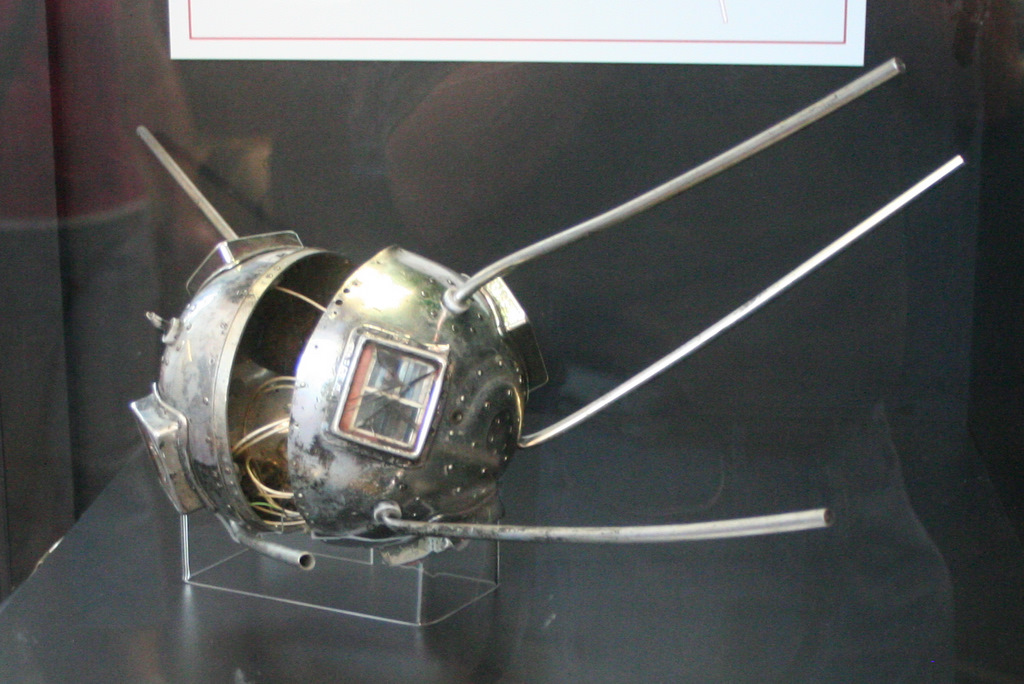
The Day Fiery Failure Launched NASA
Sixty-eight years ago, America's first satellite exploded on the launchpad in front of the entire world. But from the ashes of Vanguard TV-3 came the determination that would eventually win the Space Race.


Launch Date
October 9, 1985
Launch Site
PLMSC
Launch Pad
LC32/1
Launch Vehicle
Tsiklon-3
NORAD ID
16143
International Designator
1985-094F
Epoch
Fri, 03 Jul 2026 23:19:53 GMT
Apogee
Calculating...
Perigee
Calculating...
Inclination
82.60°
Right Ascension
257.63°
Eccentricity
Calculating...
Argument of Perigee
84.42°
Period
114.02 min
Mean Motion
12.63 rev/day
Latitude
Calculating...
Longitude
Calculating...
Altitude
Calculating...
Velocity
Calculating...
Name
COSMOS 1695
Alternative Name
Kosmos-1691
Type
Status
Owner
GUKOS
Country
USSR
Constellation
N/A
Related Satellites
Major Events
N/A
1 16143U 85094F 26184.97214362 .00000027 00000-0 89542-4 0 9997
2 16143 82.6021 257.6330 0008254 84.4229 88.8784 12.62895726877610
Source: Celestrak
Length
1.6
Diameter
0.8
Span
7
Dry Mass
225
Launch Mass
225
Shape
Cyl + Ant
Radar Cross Section
0.207
Visual Magnitude
Unknown
Color
Unknown
Material Composition
Unknown
Payload
Strela-3
Purpose
Military Communication
Mission
Military Communication
Manufacturer
NPOPM
Life Expectancy
Unknown
Bus
Strela-3
Configuration
Unknown
Motor
Unknown
Equipment
Unknown
Power System
Solar cells, batteries
ADCS
Unknown
Transmitter Frequency
Unknown
Learn more about satellites and other related topics.
Sixty-eight years ago, America's first satellite exploded on the launchpad in front of the entire world. But from the ashes of Vanguard TV-3 came the determination that would eventually win the Space Race.
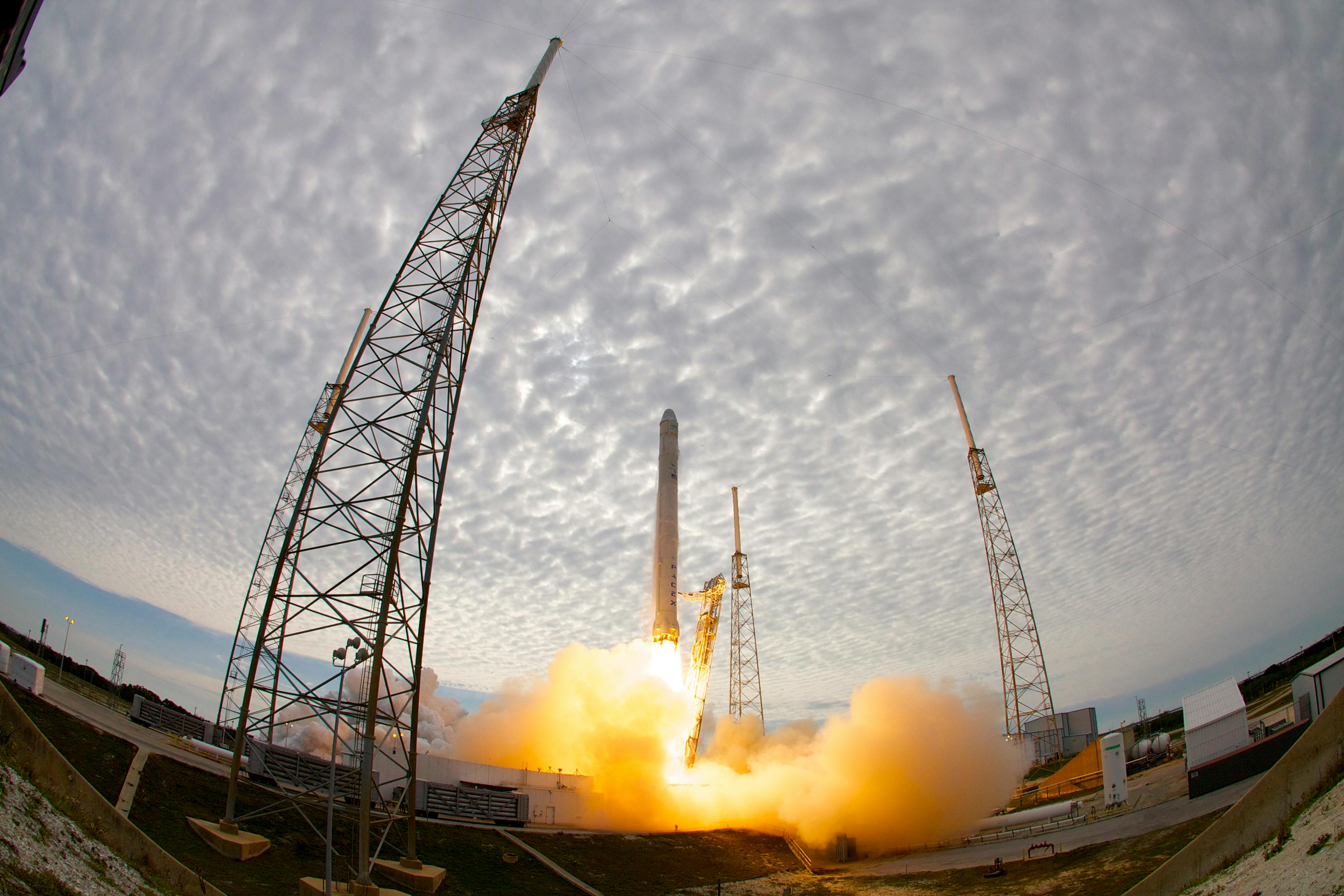
SpaceX successfully launches two lunar landers and clears another milestone with Transporter-12 rideshare mission.
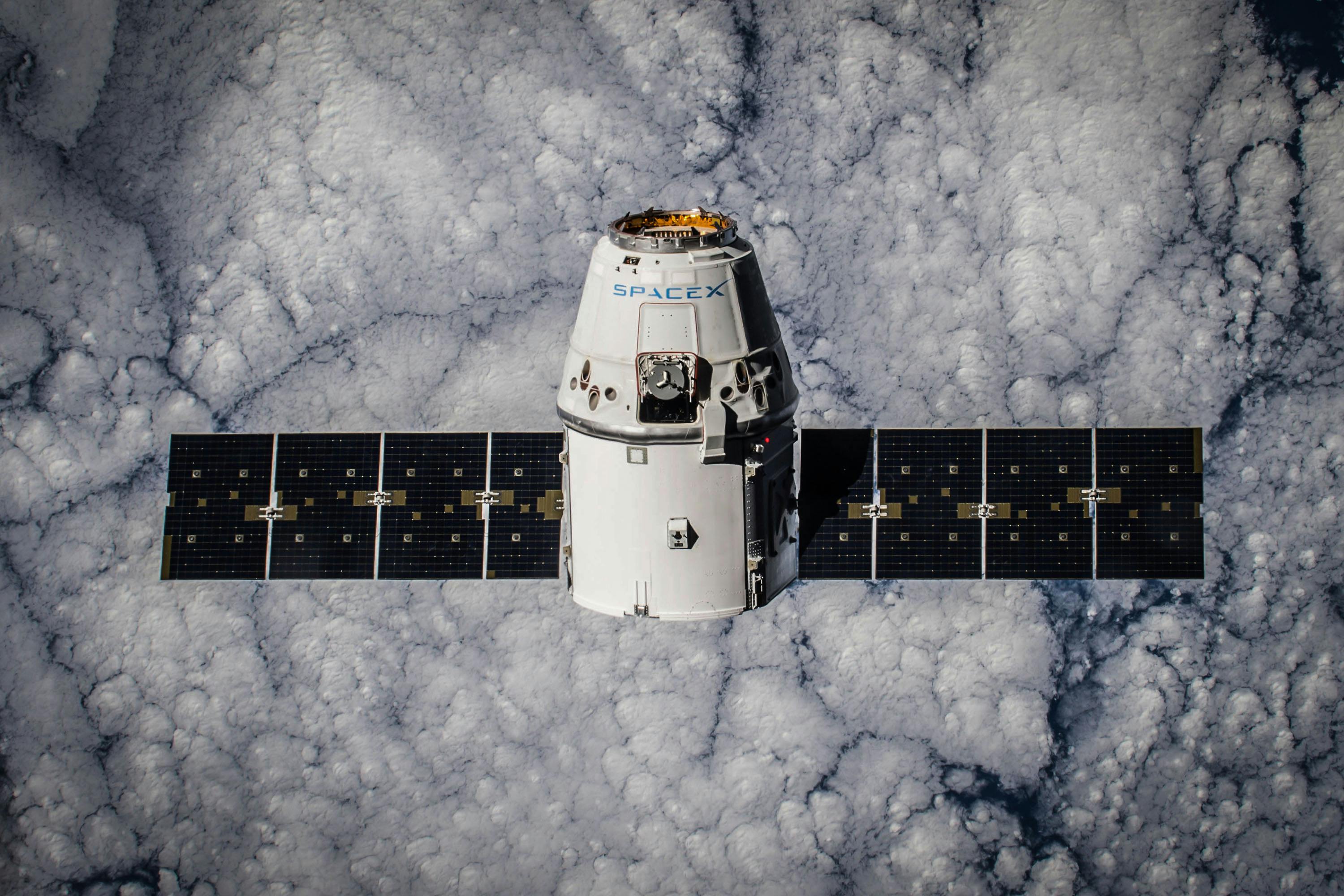
SpaceX progresses with Starship developments and sets sights on NASA's upcoming 3D sky-mapping satellite launch.

Today's Space Brief covers China’s latest satellite launches, leadership changes in the U.S. Space Force, insights from hyperspectral imagery on an Iranian facility, SpaceX's Starlink mission, and more.
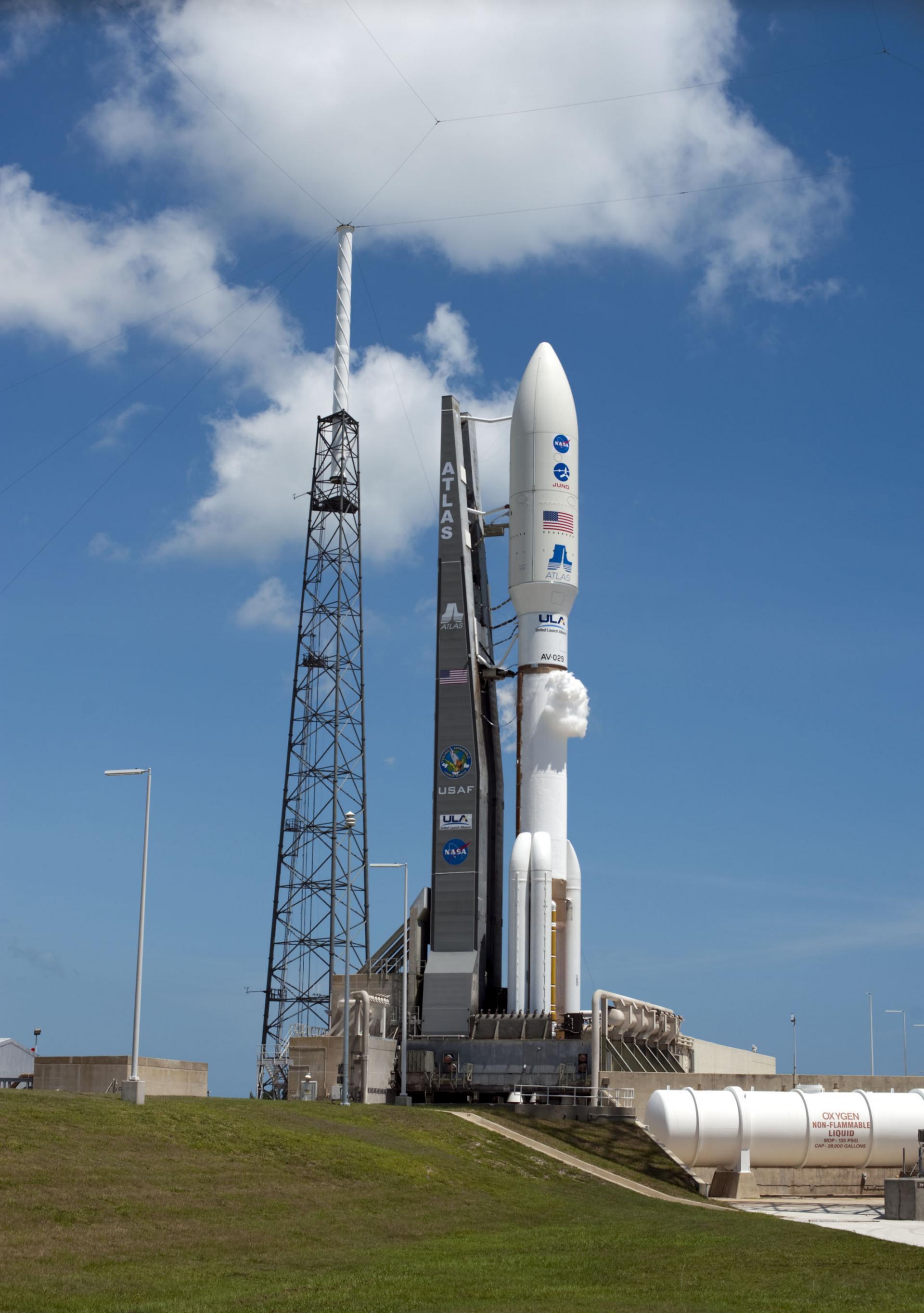
Today's coverage includes China's recent satellite launch, the Space Force's challenges with current tracking capabilities, and advancements in nuclear propulsion from Ohio State.
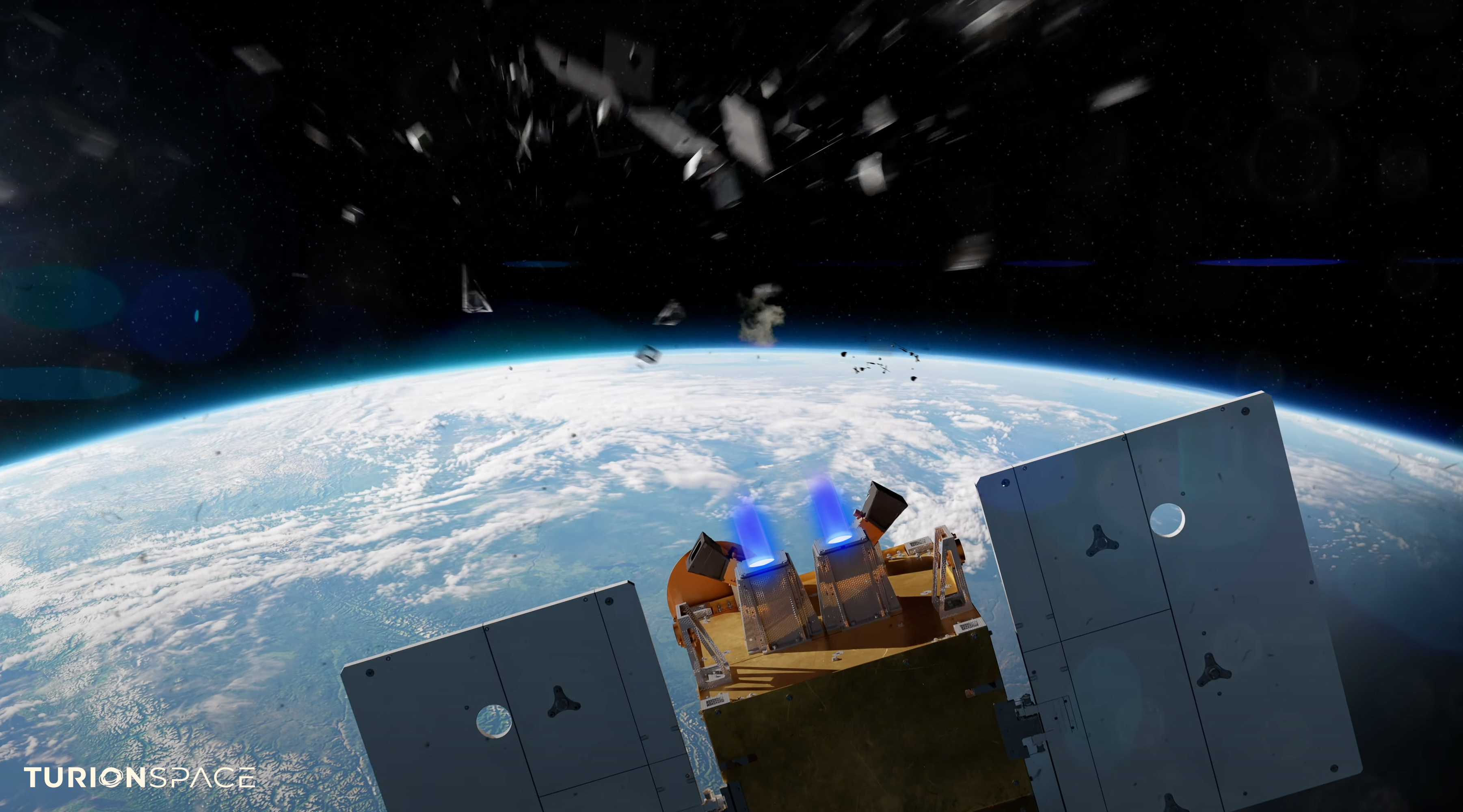
A 90-kilogram spacecraft with iodine thrusters and two Australian-built cameras is quietly building the case that tracking space debris is a business worth billions - and that a four-year-old startup from Irvine can own it.
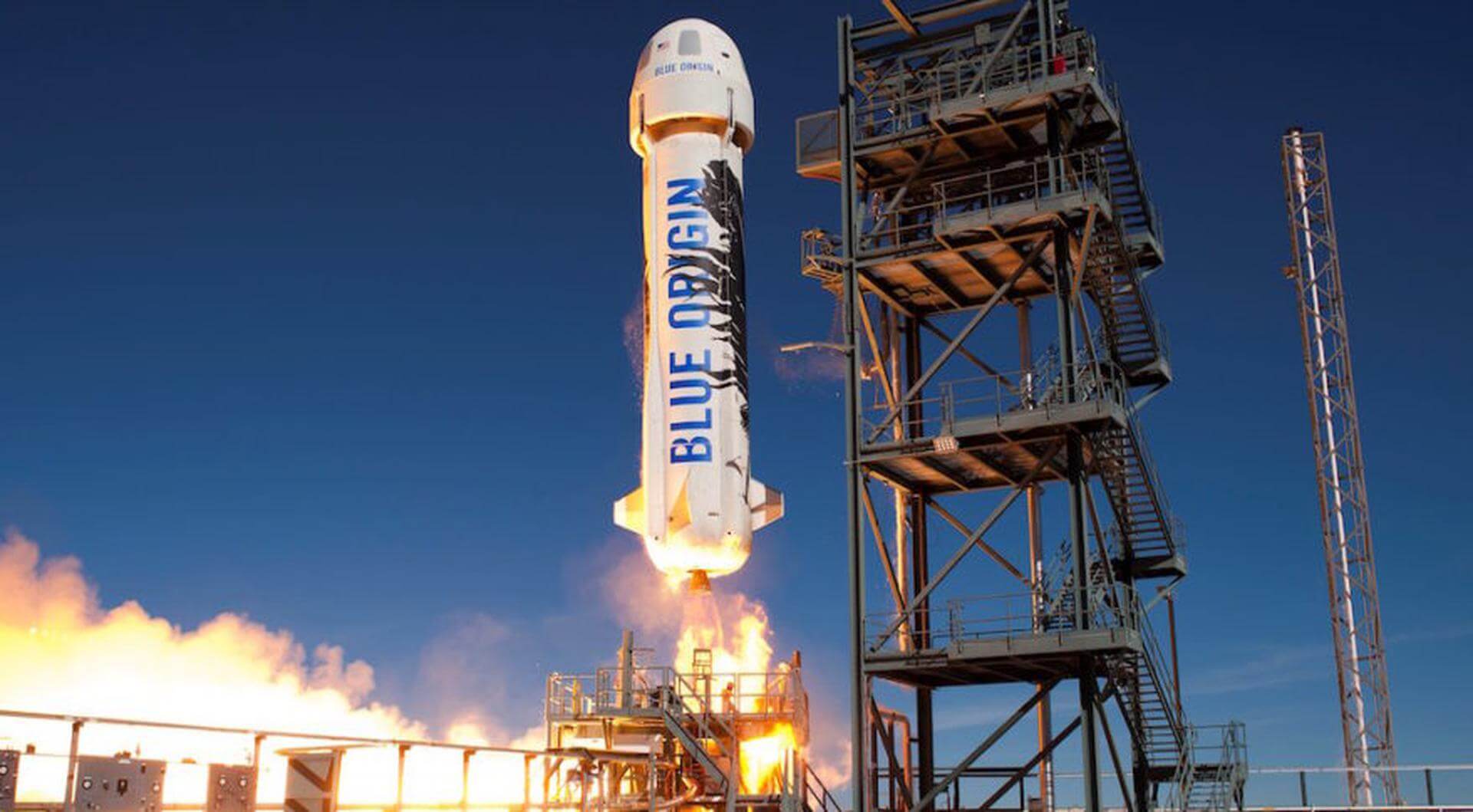
Today's brief covers significant space events, including milestone national security certifications for ULA Vulcan and Rocket Lab, SpaceX's groundbreaking polar orbit mission, and a failed launch attempt by Isar Aerospace.
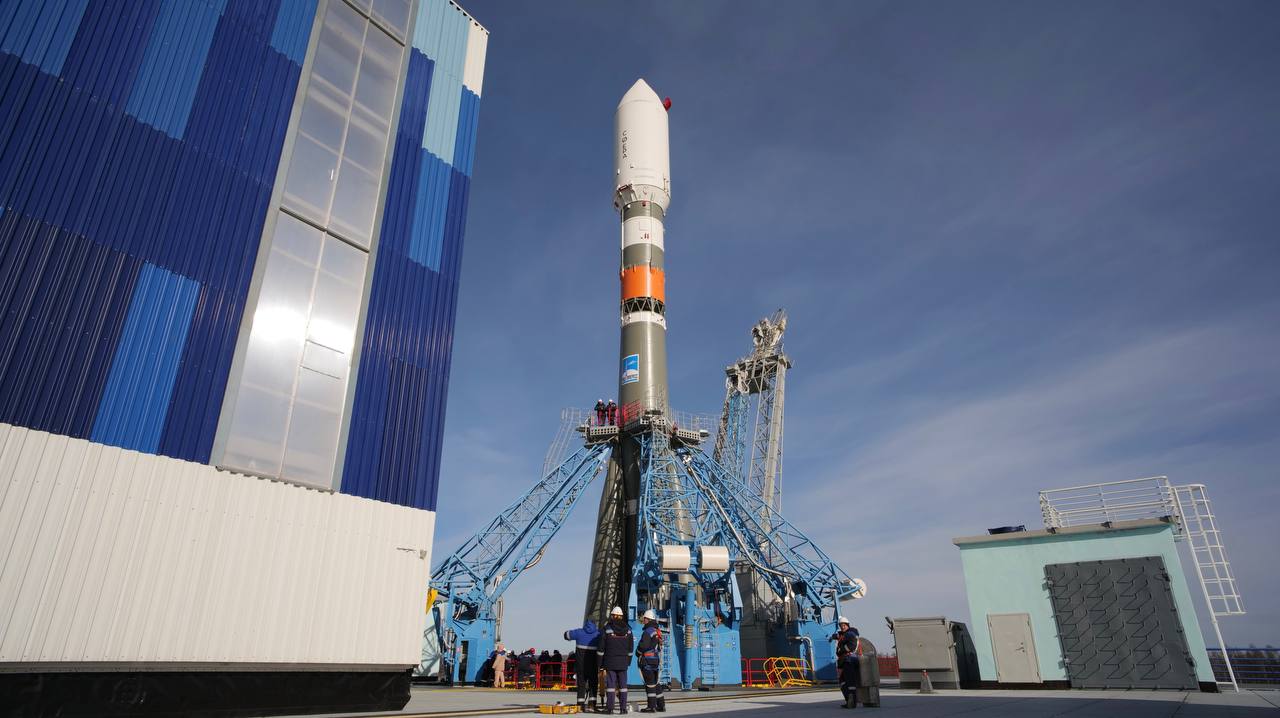
Today's Space Brief focuses on multi-billion dollar contracts for missile-tracking satellites, developments in optical nuclear clock research, and innovative drone projects for military collaboration.