


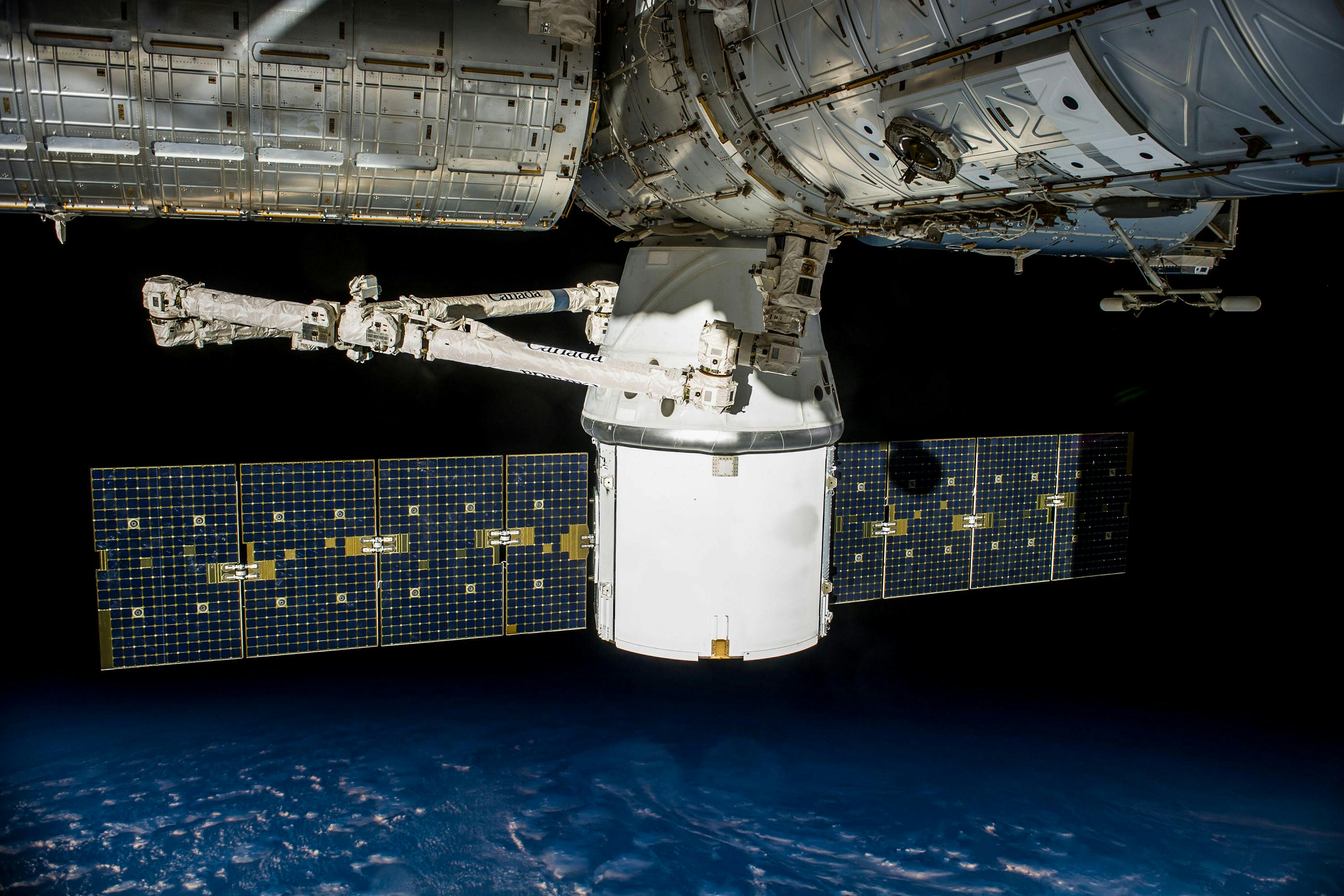
X Report 19 Jun 2025
Today's report highlights a catastrophic failure during Starship preparations, significant advancements in Starlink services in Ukraine and India, and the successful launch of 28 Starlink satellites.


Launch Date
October 9, 1985
Launch Site
PLMSC
Launch Pad
LC32/1
Launch Vehicle
Tsiklon-3
NORAD ID
16138
International Designator
1985-094A
Epoch
Sat, 04 Jul 2026 00:53:14 GMT
Apogee
Calculating...
Perigee
Calculating...
Inclination
82.61°
Right Ascension
210.28°
Eccentricity
Calculating...
Argument of Perigee
254.69°
Period
113.73 min
Mean Motion
12.66 rev/day
Latitude
Calculating...
Longitude
Calculating...
Altitude
Calculating...
Velocity
Calculating...
Name
COSMOS 1690
Alternative Name
Kosmos-1690
Type
Status
Owner
GUKOS
Country
USSR
Constellation
N/A
Related Satellites
Major Events
N/A
1 16138U 85094A 26185.03697260 .00000020 00000-0 50726-4 0 9996
2 16138 82.6052 210.2772 0020481 254.6875 132.5694 12.66106861882125
Source: Celestrak
Length
1.6
Diameter
0.8
Span
7
Dry Mass
225
Launch Mass
225
Shape
Cyl + Ant
Radar Cross Section
1.1019
Visual Magnitude
Unknown
Color
Unknown
Material Composition
Unknown
Payload
Strela-3
Purpose
Military Communication
Mission
Military Communication
Manufacturer
NPOPM
Life Expectancy
Unknown
Bus
Strela-3
Configuration
Unknown
Motor
Unknown
Equipment
Unknown
Power System
Solar cells, batteries
ADCS
Unknown
Transmitter Frequency
Unknown
Learn more about satellites and other related topics.
Today's report highlights a catastrophic failure during Starship preparations, significant advancements in Starlink services in Ukraine and India, and the successful launch of 28 Starlink satellites.
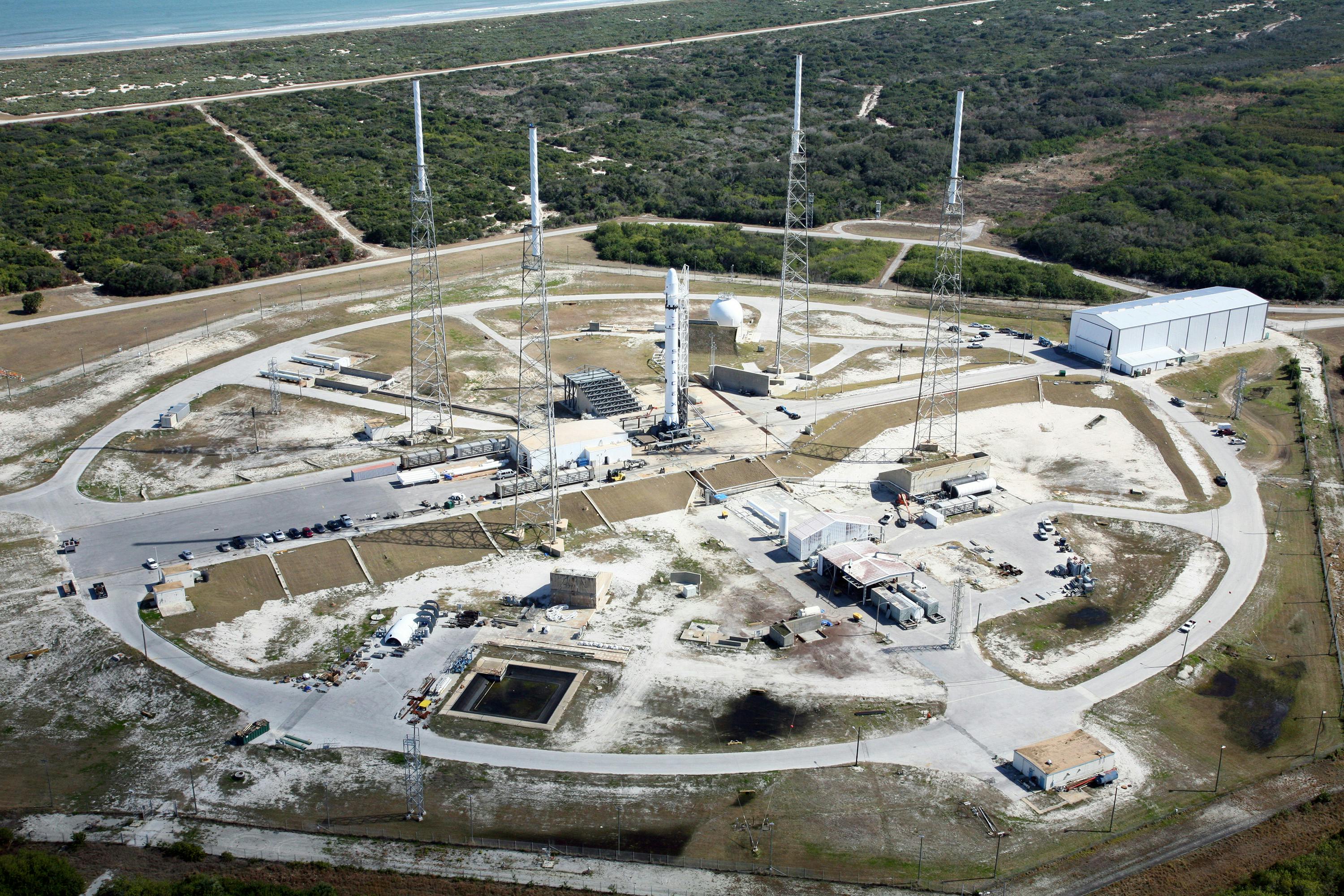
SpaceX's pivotal role in setting a new global launch record and the upcoming launch of the Thuraya 4-NGS satellite are spotlighted today.

Today's Space Brief covers China's latest satellite launch, Russian threats to UK satellites, European defense strategies, and upcoming satellite launches from SatLeo and Quantum Space.
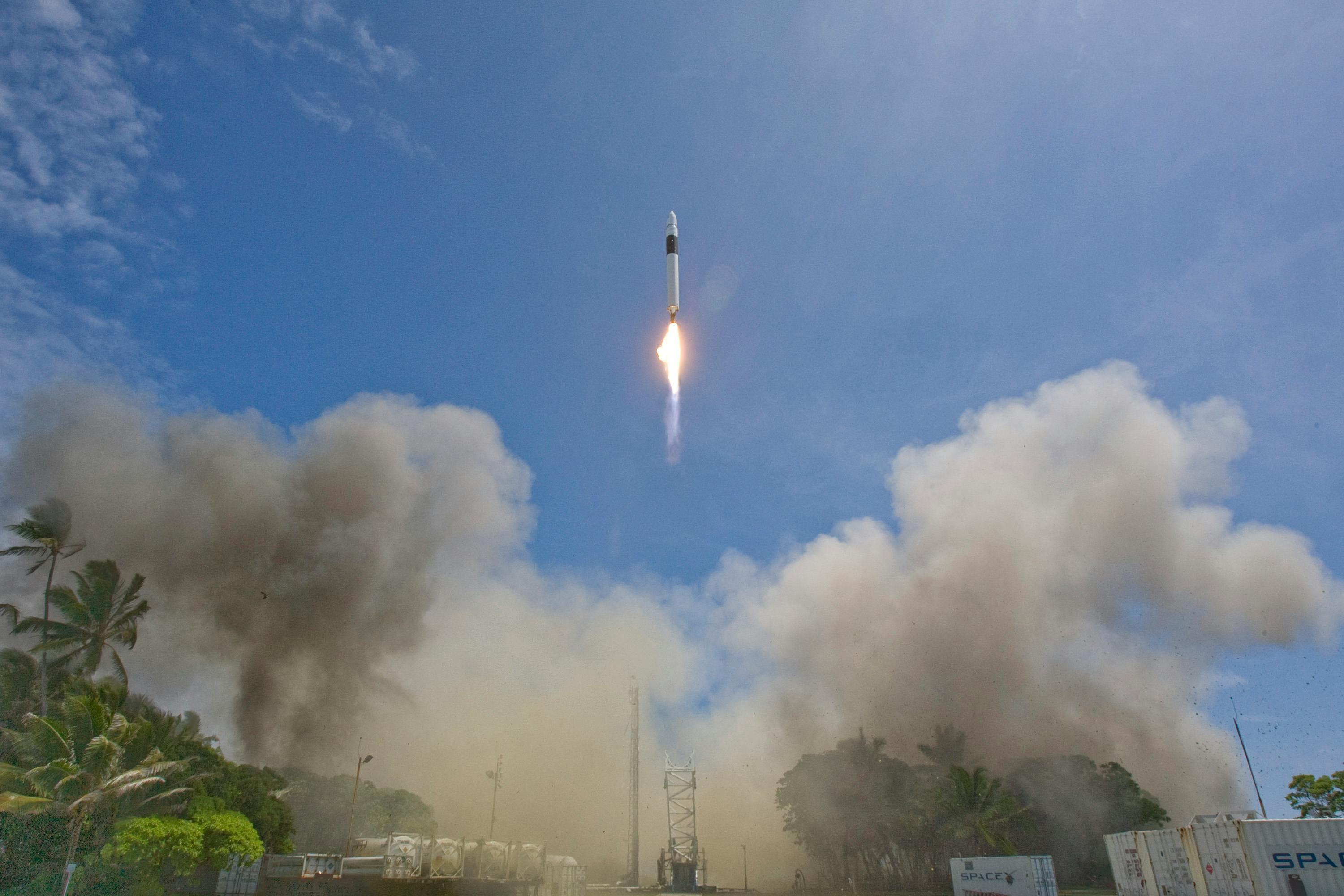
SpaceX gears up for Starship Flight 8, with a launch set for Monday as final preparations are underway.
SpaceX makes significant strides with Starship Flight Test 10 approved and updates on the new Starbase pad design.
U.S. GSSAP satellites execute coordinated GEO maneuvers for continuous surveillance of Chinese Shijian-29 spacecraft. Handoff approach maintains coverage with zero gaps.
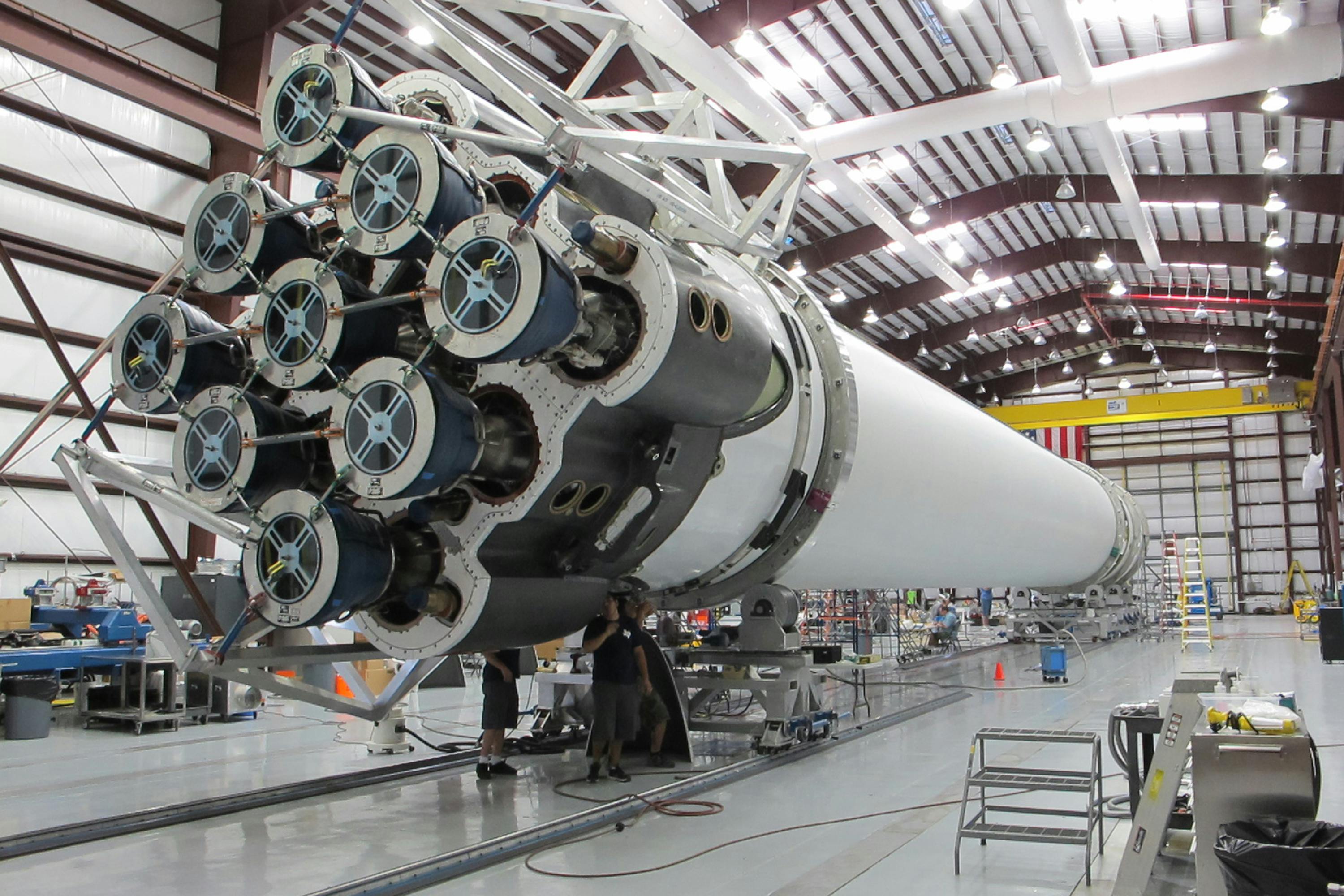
SpaceX ignited all 33 next-gen Raptor V3 engines on the Super Heavy booster at Starbase, Texas, marking a critical milestone toward the next Starship flight.

Iran successfully struck U.S. aircraft in Saudi Arabia despite maxed-out defensive posture. Space Force ISR and missile warning gaps exposed. Tracking impacts.