


Space Brief 19 Jun 2025
Discover key developments in space defense and military operations, including new leadership for Space Force's 'Golden Dome,' SpaceX's contract for a military SATCOM network, and increased Israeli-Iranian missile activity.



Launch Date
September 19, 1985
Launch Site
PLMSC
Launch Pad
LC41/1
Launch Vehicle
Soyuz-U
NORAD ID
16121
International Designator
1985-083D
Decay Date
12/26/1987
Name
COSMOS 1683 DEB
Alternative Name
KDU
Type
Status
Owner
GUKOS
Country
USSR
Constellation
N/A
Related Satellites
Major Events
N/A
Length
1
Diameter
0.4
Span
1
Dry Mass
140
Launch Mass
425
Shape
Frust
Radar Cross Section
3.56
Visual Magnitude
Unknown
Color
Unknown
Material Composition
Unknown
Payload
KDU
Purpose
Unknown
Mission
Unknown
Manufacturer
TSSKB
Life Expectancy
Unknown
Bus
Zenit KDU
Configuration
Unknown
Motor
Unknown
Equipment
Unknown
Power System
Unknown
ADCS
Unknown
Transmitter Frequency
Unknown
Learn more about satellites and other related topics.
Discover key developments in space defense and military operations, including new leadership for Space Force's 'Golden Dome,' SpaceX's contract for a military SATCOM network, and increased Israeli-Iranian missile activity.

Today's key space events include SpaceX's launch of the secretive X-37B military drone, XTAR's U.S. defense market strategy, and China's space station AI upgrade.
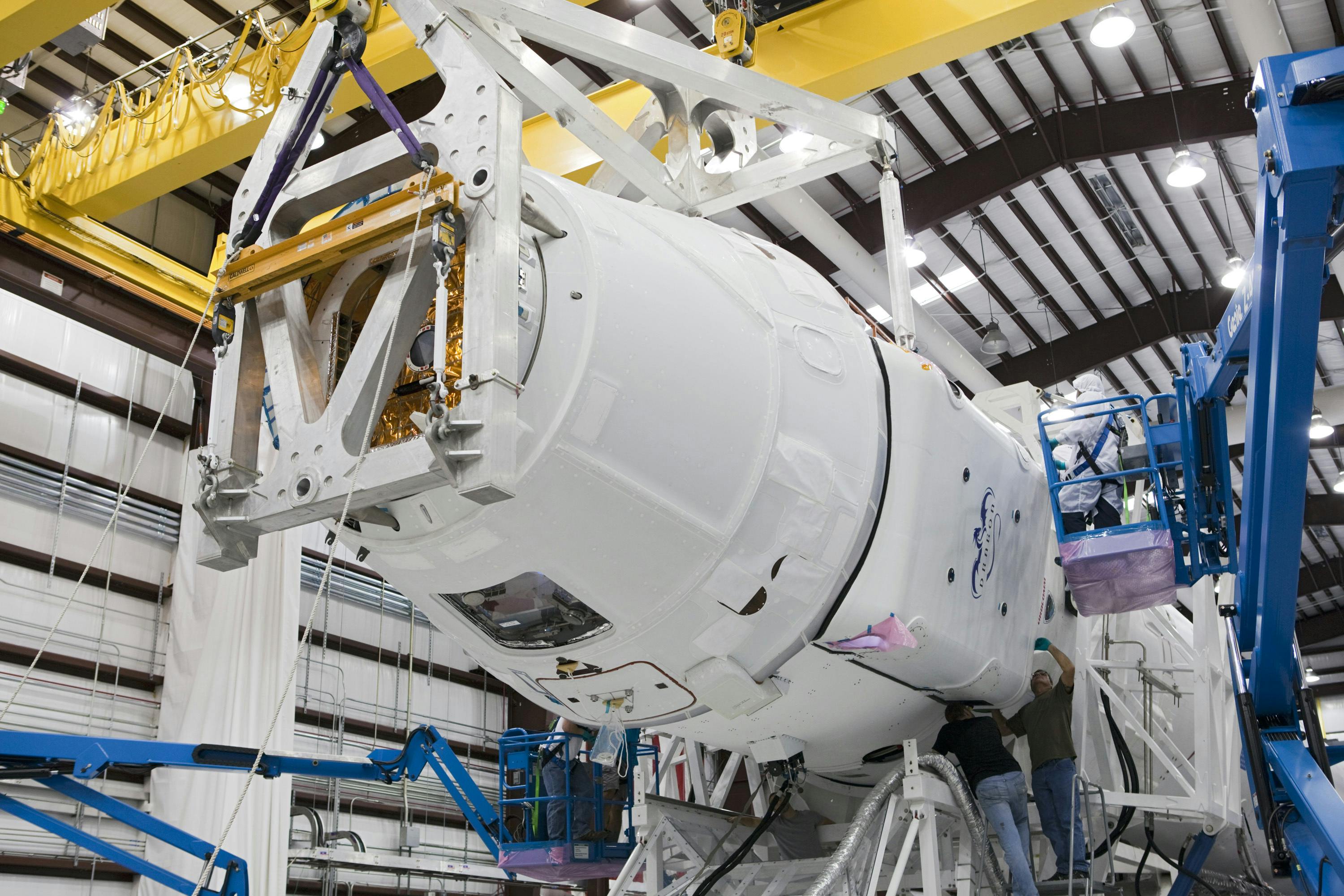
SpaceX has completed the investigation into Starship Flight 7, announcing causes ahead of the next planned launch, while numerous missions are lined up for launch this week.
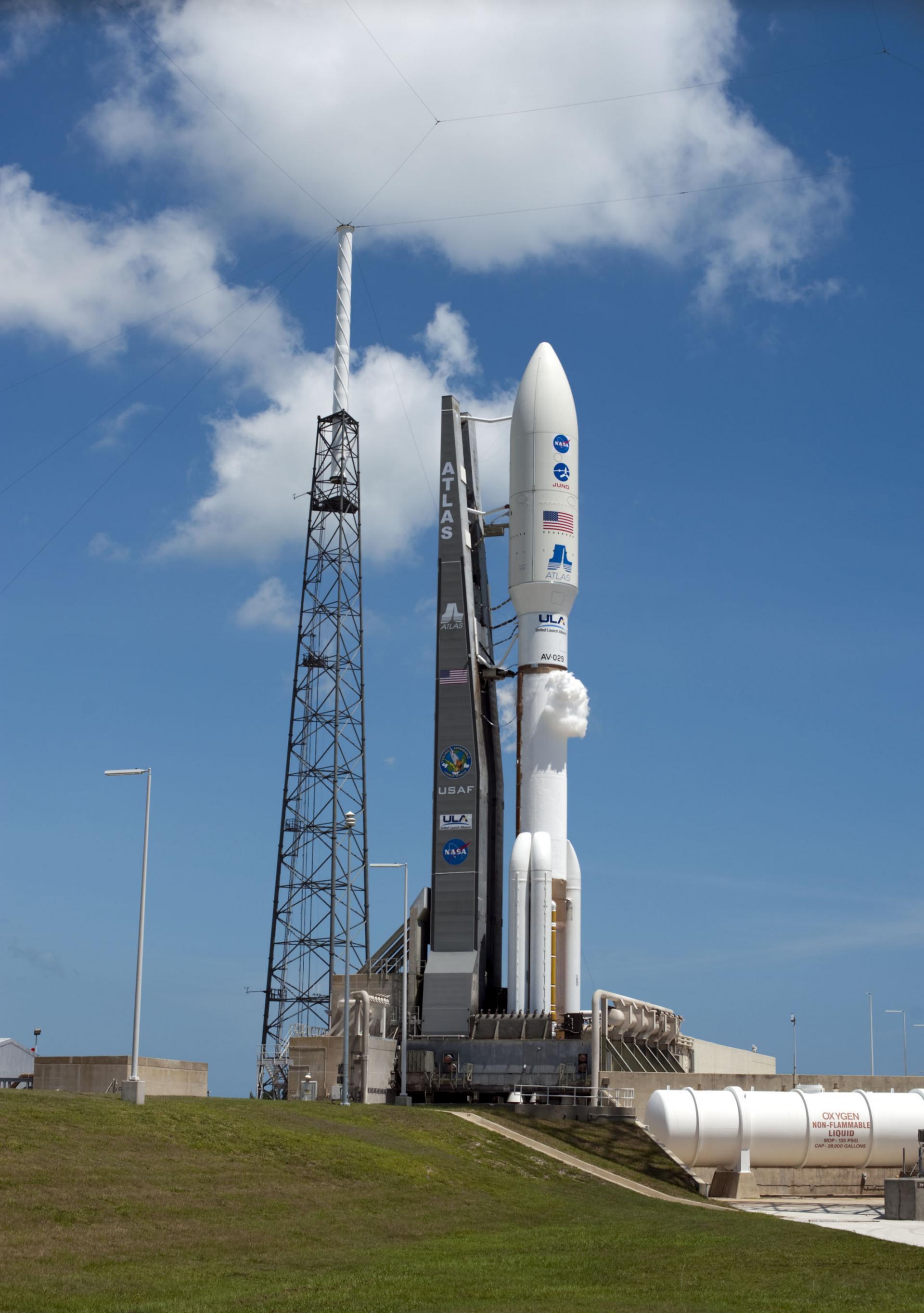
Today's brief covers the redeployment of decommissioned missile technologies to orbital duties, Germany's plans for a sovereign communications network, and fresh developments in hypersonic testing through Rocket Lab.
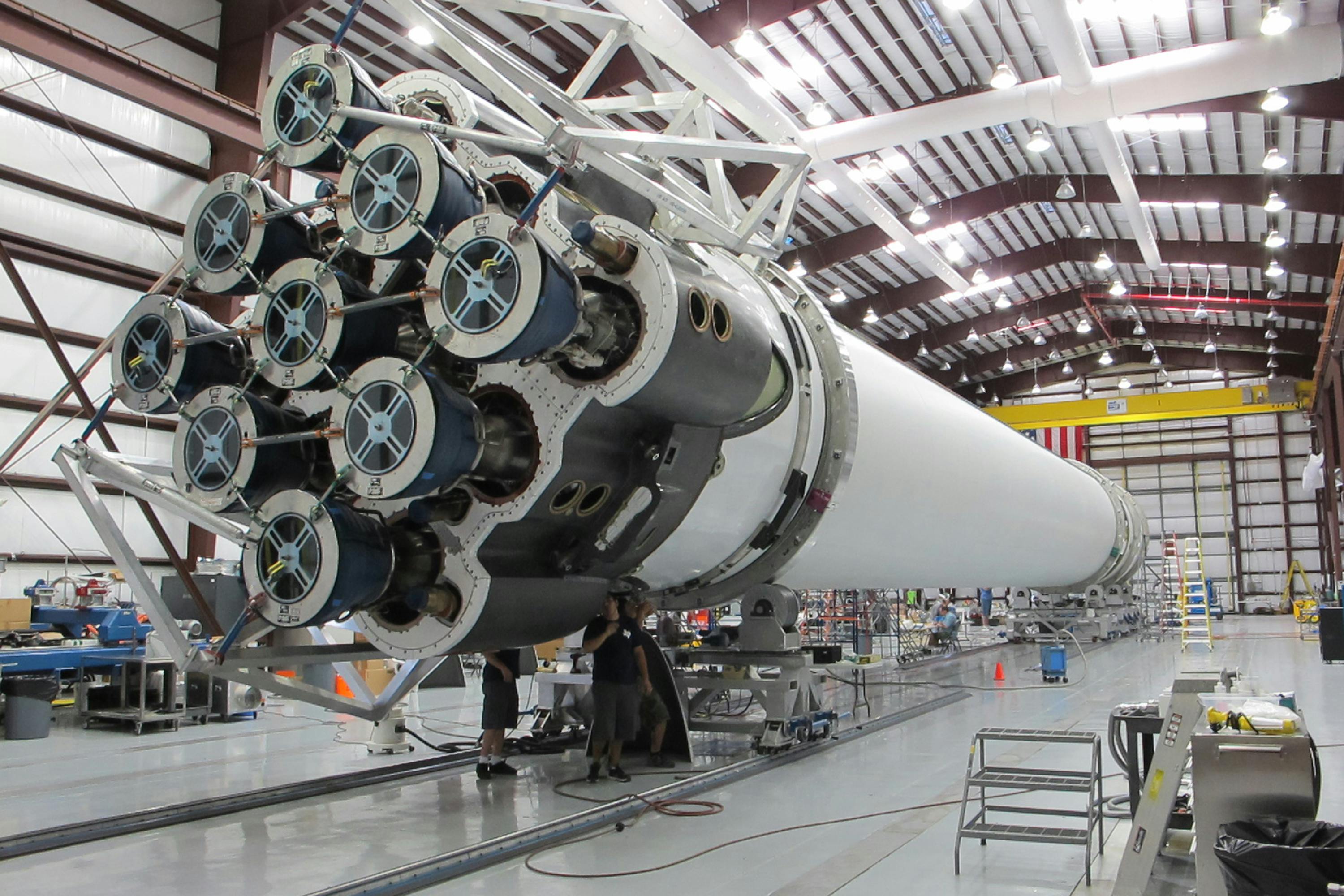
SpaceX prepares for the next Starship test flight with significant vehicle upgrades, launches UAE's Thuraya-4 satellite, and reflects on a record-breaking 2024 while planning for a promising 2025.

Space Force projects 25 additional high-energy missions in 2027–2029 window, straining capacity at Vulcan and Falcon Heavy. Capacity constraints will drive military-NASA prioritization debates.
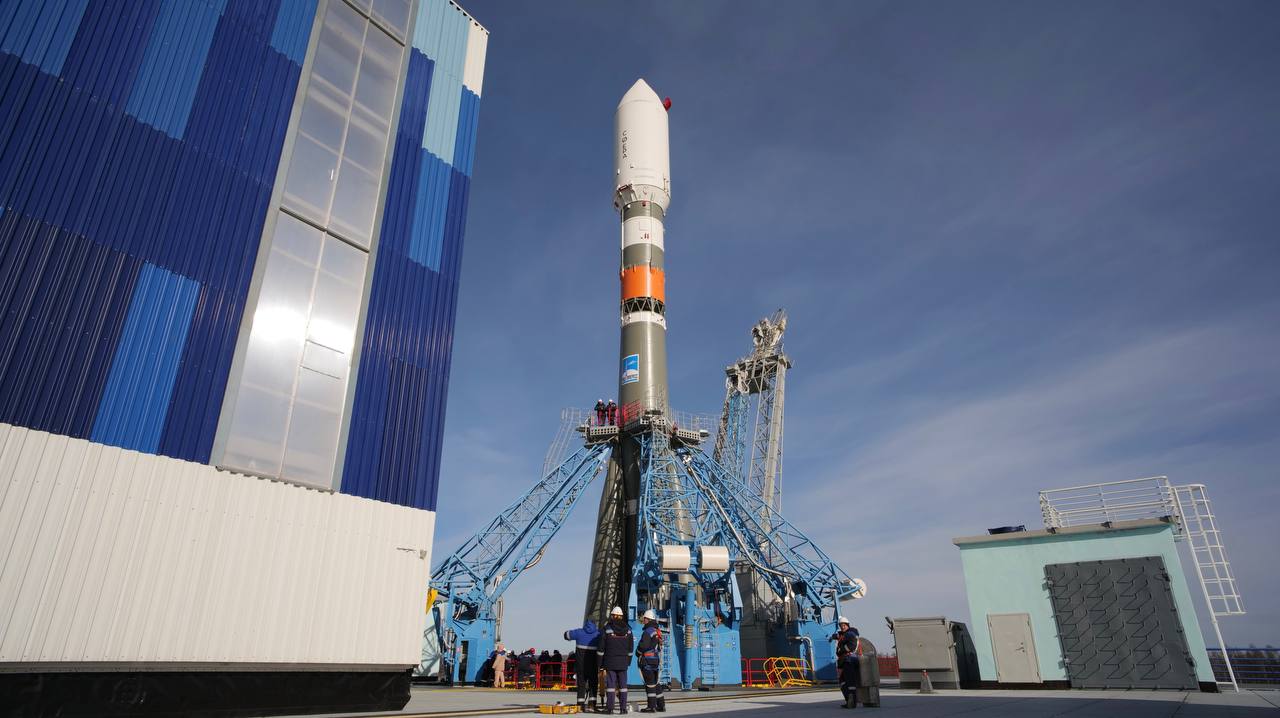
Today's brief covers China's latest experimental launch to GEO and new commercial satellites, insights from hyperspectral imagery on underground structures, and the Space Force's material testing for Mars missions.
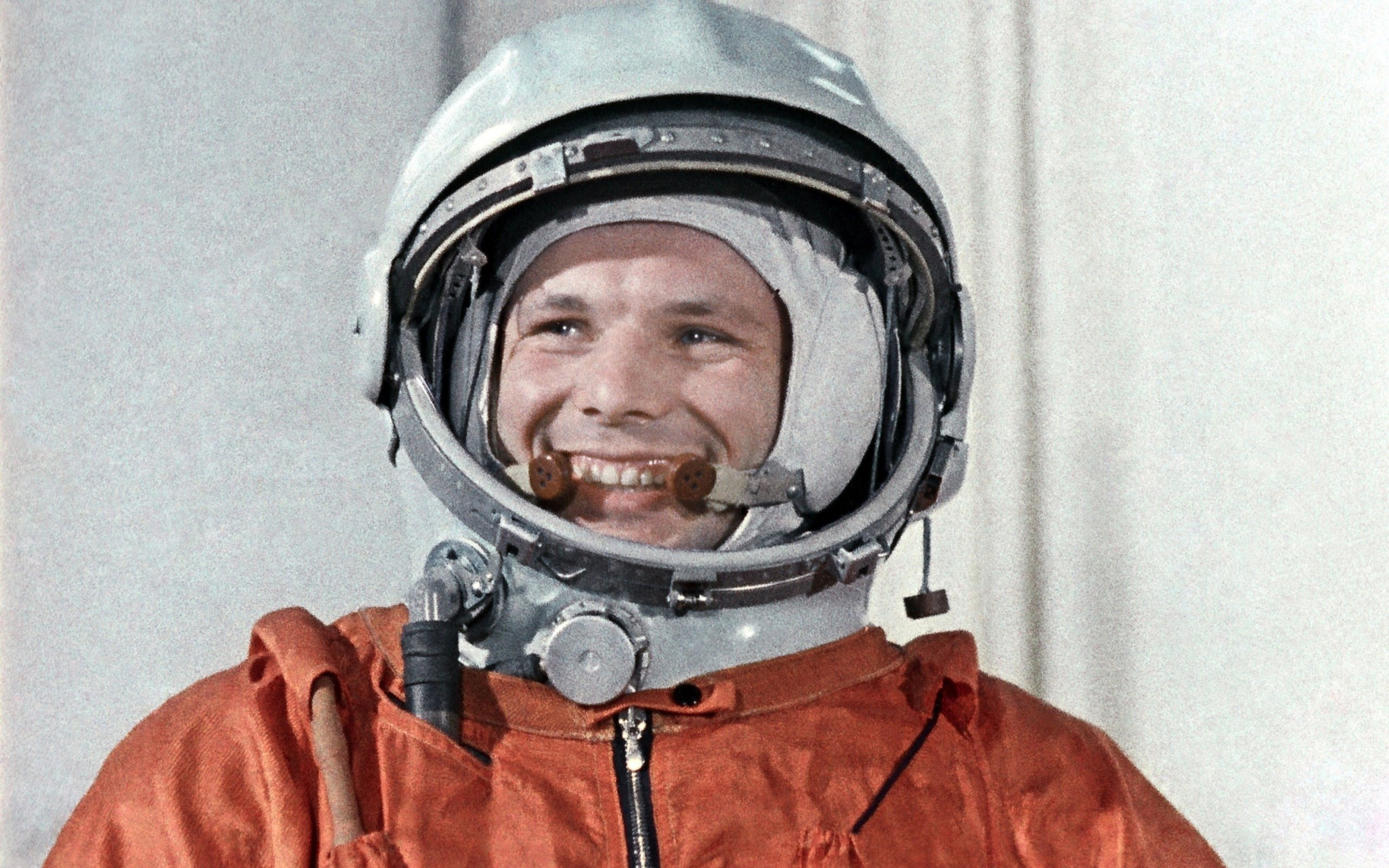
On April 12, 1961, a 27-year-old Soviet pilot rode a modified ICBM into orbit and came back alive after 108 minutes. Exactly twenty years later, two Americans climbed aboard an untested spacecraft covered in 31,000 ceramic tiles and bet their lives that the math was right.