COSMOS 1689 (16110)

COSPAR: 1985-090A | Alt Name: Kosmos-1689
DECAYED

Image
COSMOS 1689 Satellite Image
Additional Sources
Launch Details

Launch Date

October 3, 1985

Launch Pad

LC31

Launch Vehicle

Vostok 8A92M

Orbital Elements

NORAD ID

16110

International Designator

1985-090A

Decay Date

1/14/2001

Basic Satellite Info

Name

COSMOS 1689

Alternative Name

Kosmos-1689

Type

Payload

Status

Decayed

Owner

PRIR

Country

USSR

Constellation

N/A

Related Satellites

Major Events

N/A

Summary
COSMOS 1689, also known as Kosmos-1689, is an Earth Observation satellite launched on October 3, 1985, from the TYSMC launch site using a Vostok 8A92M vehicle from LC31. The satellite was manufactured by VNIEM and belongs to the Resurs-O series with the SP-1 bus configuration. It has dimensions of 6.4 meters in length, 1.4 meters in diameter, and spans 11.6 meters when deployed. The dry mass is 1900 kg, identical to its launch mass. Equipped with two types of equipment sets (MSU-E (2), MSU-SK, MSU-S for the first set; MSU-E (2), MSU-SK for the second), it uses two deployable solar arrays and batteries for power. The satellite's shape is described as cylindrical with two panels. It was owned by PRIR and operated under the Resurs-O1 No. 1L payload mission, designed for Earth Observation purposes.
Physical Characteristics

Length

6.4

Diameter

1.4

Span

11.6

Dry Mass

1900

Launch Mass

1900

Shape

Cyl + 2 Pan

Radar Cross Section

19.0638

Visual Magnitude

Unknown

Color

Unknown

Material Composition

Unknown

Technical Details

Payload

Resurs-O1 No. 1L

Purpose

Earth Observation

Mission

Earth Observation

Manufacturer

VNIEM

Life Expectancy

Unknown

Bus

Resurs-O

Configuration

SP-1 bus

Motor

Unknown

Equipment

MSU-E (2), MSU-SK, MSU-S (#1); MSU-E (2), MSU-SK (#2)

Power System

2 deployable solar arrays, batteries

ADCS

Unknown

Transmitter Frequency

Unknown

Satellite Articles

View All Posts »

Learn more about satellites and other related topics.

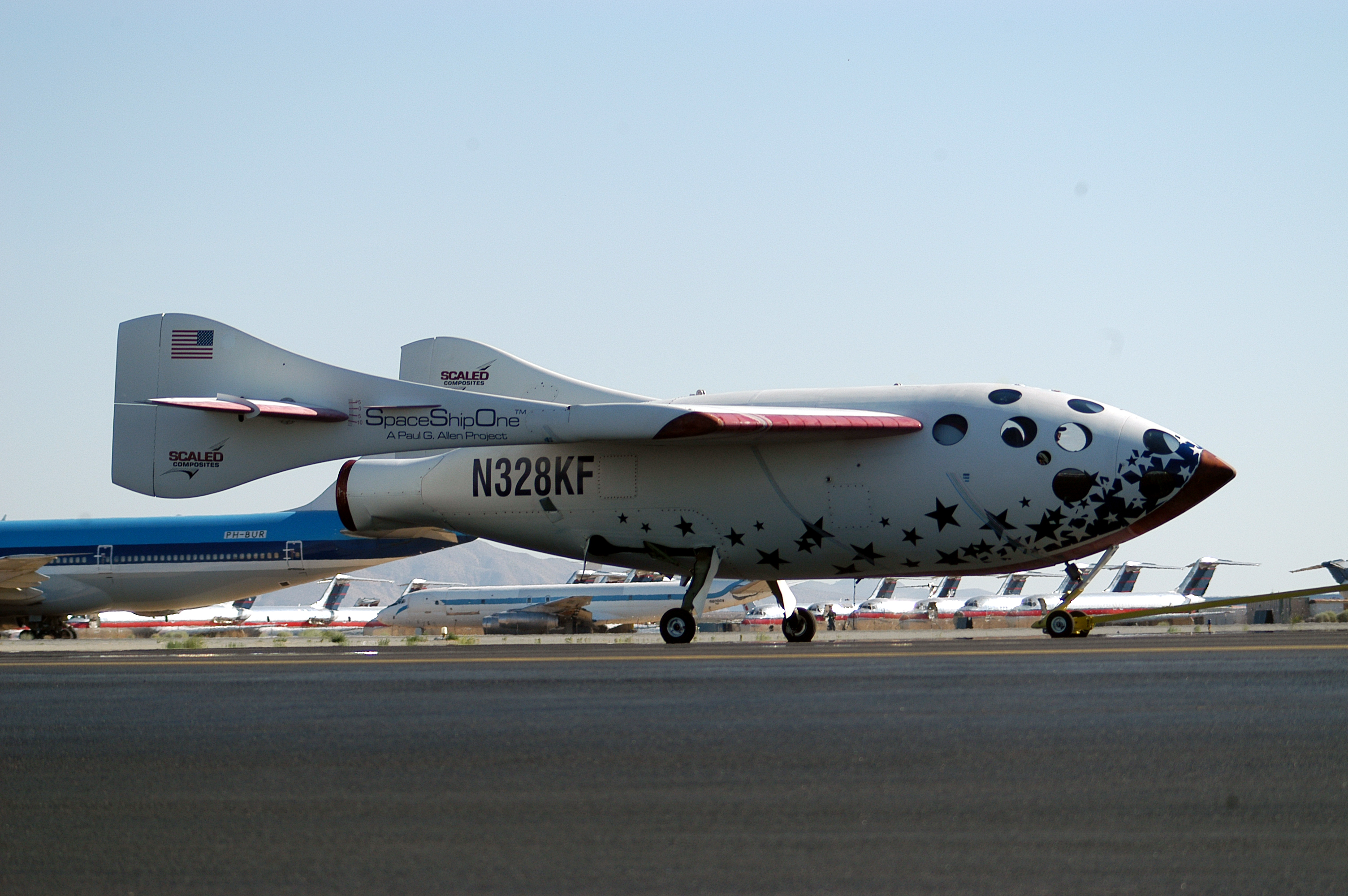
Mike Melvill, 124 Meters, and the Morning Space Went Private

Mike Melvill, 124 Meters, and the Morning Space Went Private

On 21 June 2004, a 63-year-old test pilot rode a homebuilt rocket plane to 100,124 meters above the Mojave Desert, clearing the edge of space by about the length of a city block. He came down the first private astronaut in history, holding a sign that read 'SpaceShipOne, GovernmentZero.'

X Report 13 Apr 2025

X Report 13 Apr 2025

SpaceX successfully launches 21 Starlink satellites and deploys a new batch of spy satellites for the US government.

The Feasibility of Transitioning from Starlink to Eutelsat in Ukraine

The Feasibility of Transitioning from Starlink to Eutelsat in Ukraine

As Ukraine explores alternatives to SpaceX's Starlink, the potential adoption of Eutelsat OneWeb's satellite network raises critical questions about connectivity, resilience, and strategic autonomy.

Falcon 9 Grounded After Upper Stage Anomaly, Crew-12 at Risk | KeepTrack X Report

Falcon 9 Grounded After Upper Stage Anomaly, Crew-12 at Risk | KeepTrack X Report

SpaceX pauses all Falcon 9 launches after upper stage anomaly during Starlink mission. Crew-12 astronaut launch may be affected. Booster 19 rolls out for cryogenic testing.

SpaceX Launches Third GPS Satellite Reassigned From ULA | KeepTrack X Report

SpaceX Launches Third GPS Satellite Reassigned From ULA | KeepTrack X Report

SpaceX successfully launches GPS satellite for Space Force — third consecutive GPS mission switched from ULA. EBAD demonstrates payload release module on Falcon 9 rideshare mission.

X Report 20 Dec 2024

X Report 20 Dec 2024

SpaceX gears up for multiple significant missions while managing a Crew Dragon delay. Vast Space partners with SpaceX for ISS missions, and Lunar landers prepare for lift-offs.

Space Brief 8 Apr 2025

Space Brief 8 Apr 2025

Key highlights include the launch of a Navy SEAL astronaut to the ISS, multi-billion dollar contracts awarded by the US Space Force, advancements in secure GPS technology, and a strategic ISR arrangement.

Starlink Constellation Size Hits 9,931, X Report 7 Mar 2026

Starlink Constellation Size Hits 9,931, X Report 7 Mar 2026

Starlink constellation size in 2026: 9,931 satellites in orbit, 9,920 working from 11,463 launched. Starlink 17-18 adds 25 more from Vandenberg.