

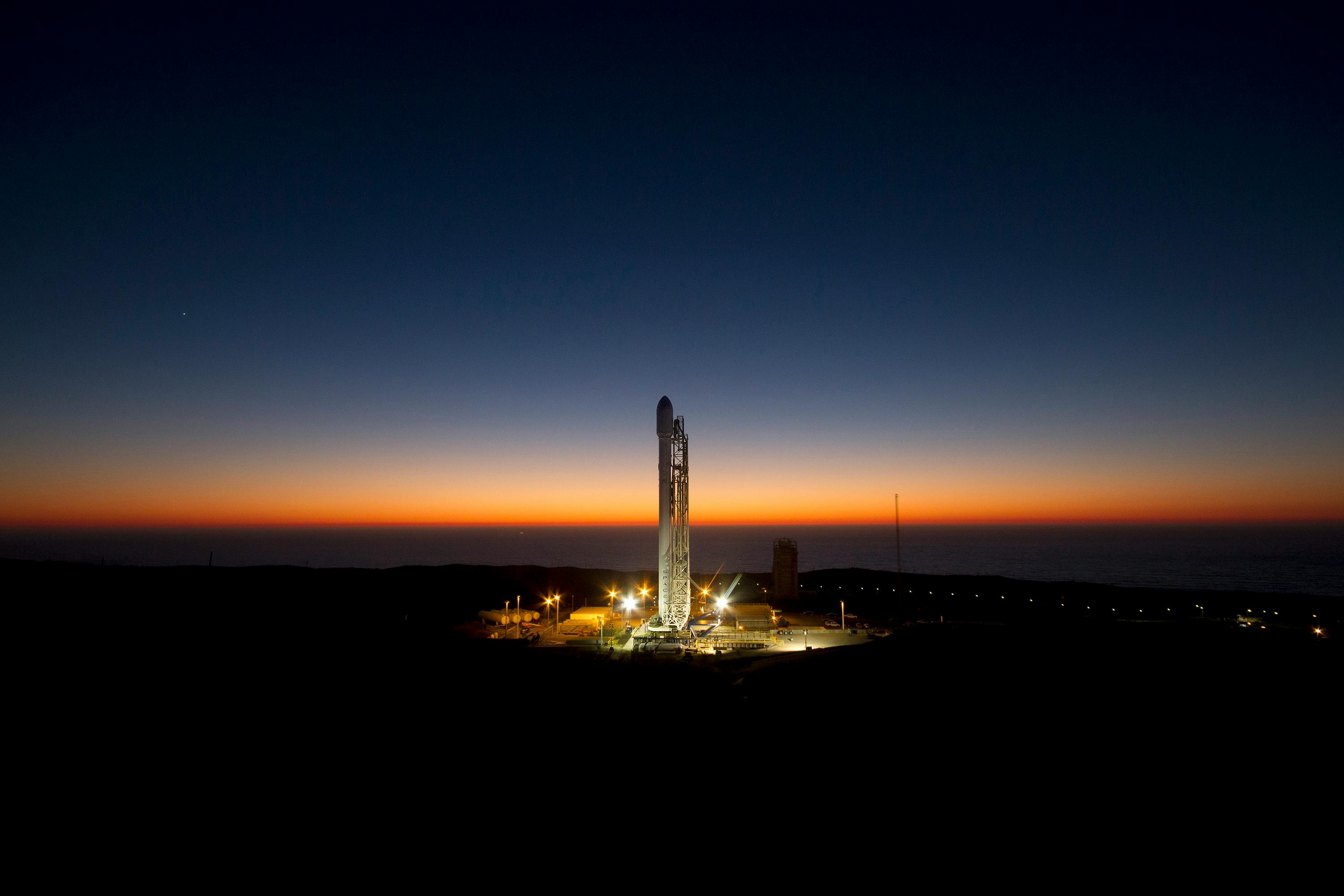
X Report 26 Jul 2025
This week's SpaceX developments include notable upcoming missions, with a Starlink launch on the horizon and Crew Dragon's readiness for the next astronaut mission.



Launch Date
September 24, 1985
Launch Site
PLMSC
Launch Pad
LC43/4
Launch Vehicle
Molniya 8K78M
NORAD ID
16066
International Designator
1985-084C
Decay Date
10/25/1985
Name
SL-6 PLAT
Alternative Name
BOZ
Type
Status
Owner
RVSN
Country
USSR
Constellation
N/A
Related Satellites
Major Events
N/A
Length
1
Diameter
2.3
Span
1
Dry Mass
328
Launch Mass
328
Shape
Cyl
Radar Cross Section
3.59
Visual Magnitude
Unknown
Color
Unknown
Material Composition
Unknown
Payload
BOZ
Purpose
Unknown
Mission
Unknown
Manufacturer
NPOE
Life Expectancy
Unknown
Bus
BOZ
Configuration
Unknown
Motor
Unknown
Equipment
Unknown
Power System
Unknown
ADCS
Unknown
Transmitter Frequency
Unknown
Learn more about satellites and other related topics.
This week's SpaceX developments include notable upcoming missions, with a Starlink launch on the horizon and Crew Dragon's readiness for the next astronaut mission.

A HIGH-risk conjunction between STARLINK-4621 and the defunct SL-18 rocket body leads the July 11 safety picture, with eight Starlink satellites set to reenter through July 14.

Today's briefing covers a significant hypersonic missile launch by the U.S. Army, the declassification of spy satellite photos aiding demining efforts, and the deployment of cutting-edge research payloads to the ISS.

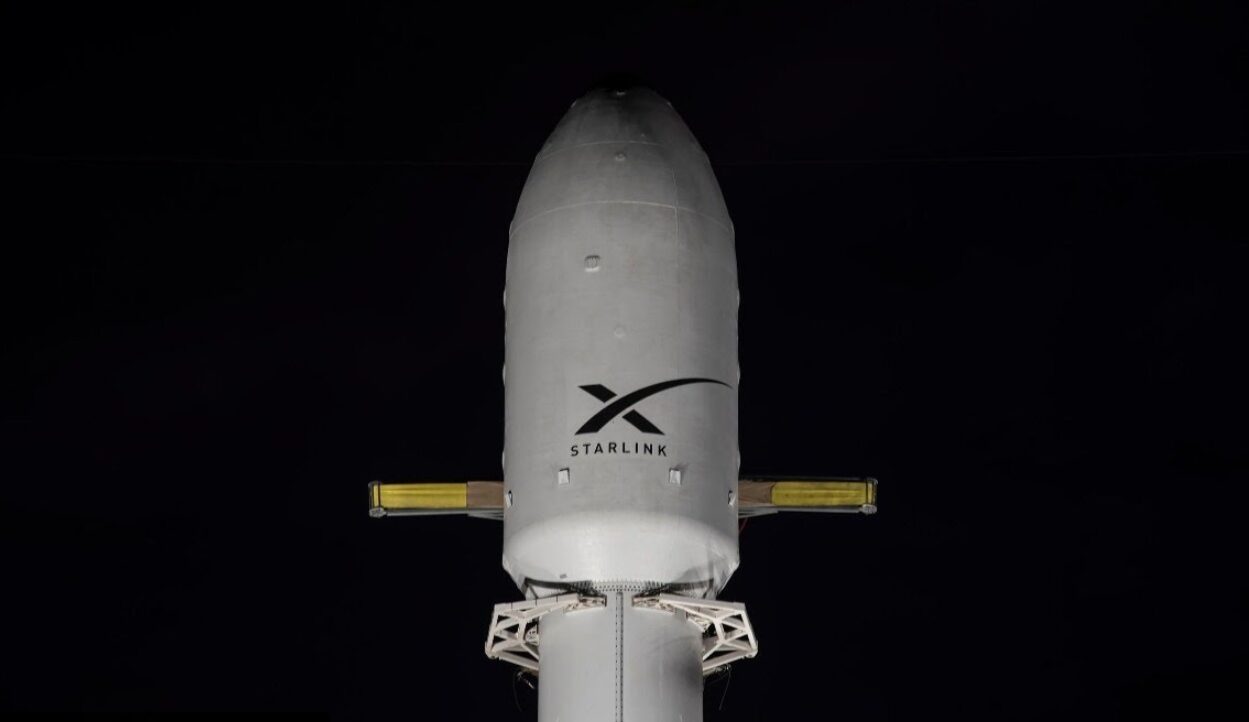
SpaceX successfully launches 28 Starlink satellites on a new Falcon 9 rocket from California, marking a significant milestone for their satellite constellation.
FCC clears Reflect Orbital's first satellite to bounce sunlight into nighttime zones, despite pushback from astronomers concerned about orbital streaking and wildlife impacts.

LeoLabs debuts Delta, a space monitoring tool designed for military operators to detect adversarial orbital activity beyond standard conjunction warnings.

SpaceX secures FCC nod for Starlink's direct-to-phone connectivity, lands NASA's Dragonfly mission, and sees new competition with the ZhuQue-2E launch.
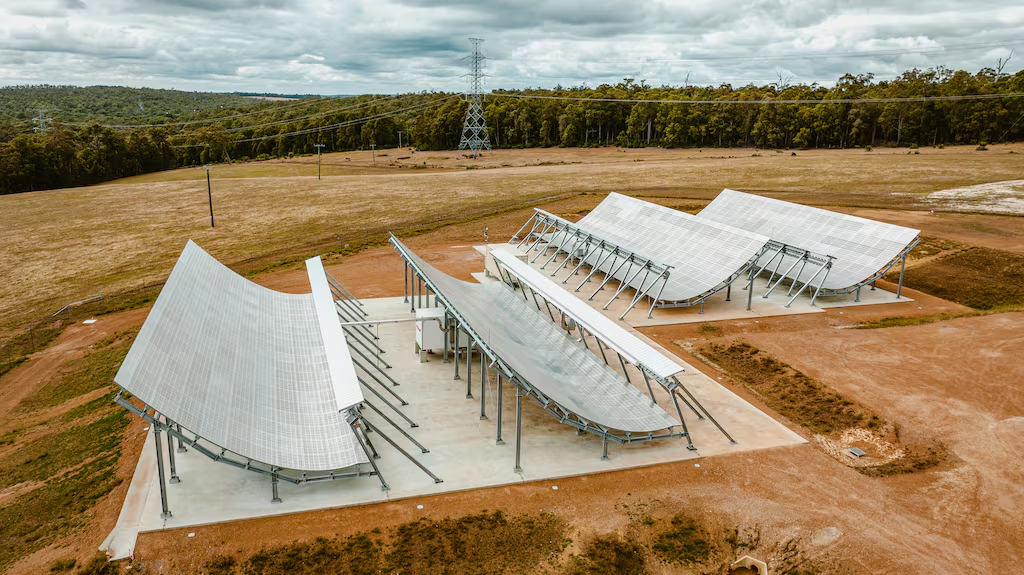
A startup built on Cold War-era radar science now tracks 25,000 objects in orbit - and the Pentagon can't get enough of it. But can its radars really compete with the Space Surveillance Network?