

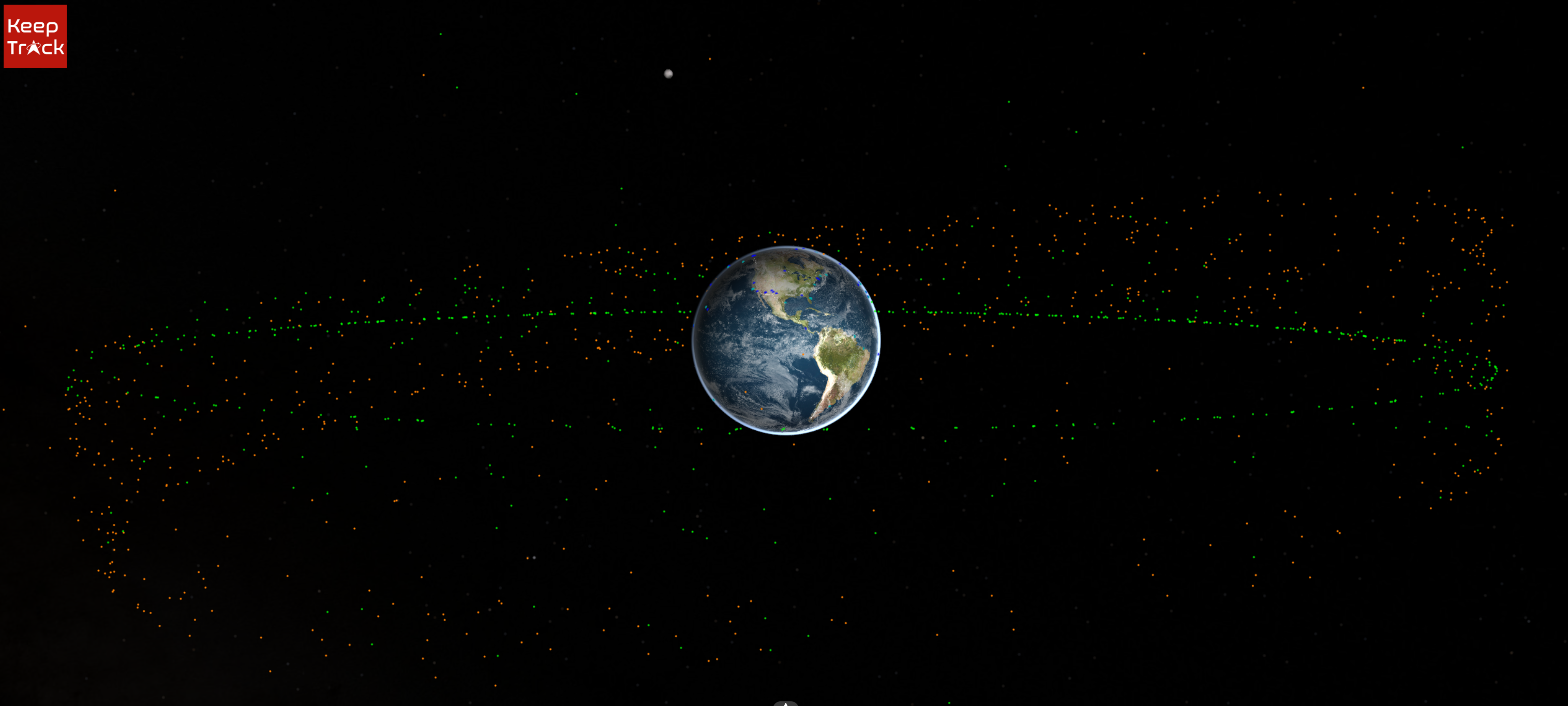
Graveyard Orbit
The final resting place for retired satellites, a disposal orbit where defunct spacecraft are sent to stay out of the way


Launch Date
September 19, 1985
Launch Site
PLMSC
Launch Pad
LC41/1
Launch Vehicle
Soyuz-U
NORAD ID
16056
International Designator
1985-083A
Decay Date
10/5/1985
Name
COSMOS 1683
Alternative Name
Kosmos-1683
Type
Status
Owner
GUKOS
Country
USSR
Constellation
N/A
Related Satellites
Major Events
N/A
Length
6
Diameter
2.2
Span
6
Dry Mass
2655
Launch Mass
2655
Shape
Sphere + DCone
Radar Cross Section
30.81
Visual Magnitude
Unknown
Color
Unknown
Material Composition
Unknown
Payload
Oblik No. 316
Purpose
Reconnaissance, photo (film return type)
Mission
Reconnaissance, photo (film return type)
Manufacturer
TSSKB
Life Expectancy
Unknown
Bus
Oblik
Configuration
Zenit bus
Motor
11D82M; S5.120 (maneuver module)
Equipment
Unknown
Power System
Batteries
ADCS
Unknown
Transmitter Frequency
Unknown
Learn more about satellites and other related topics.
The final resting place for retired satellites, a disposal orbit where defunct spacecraft are sent to stay out of the way
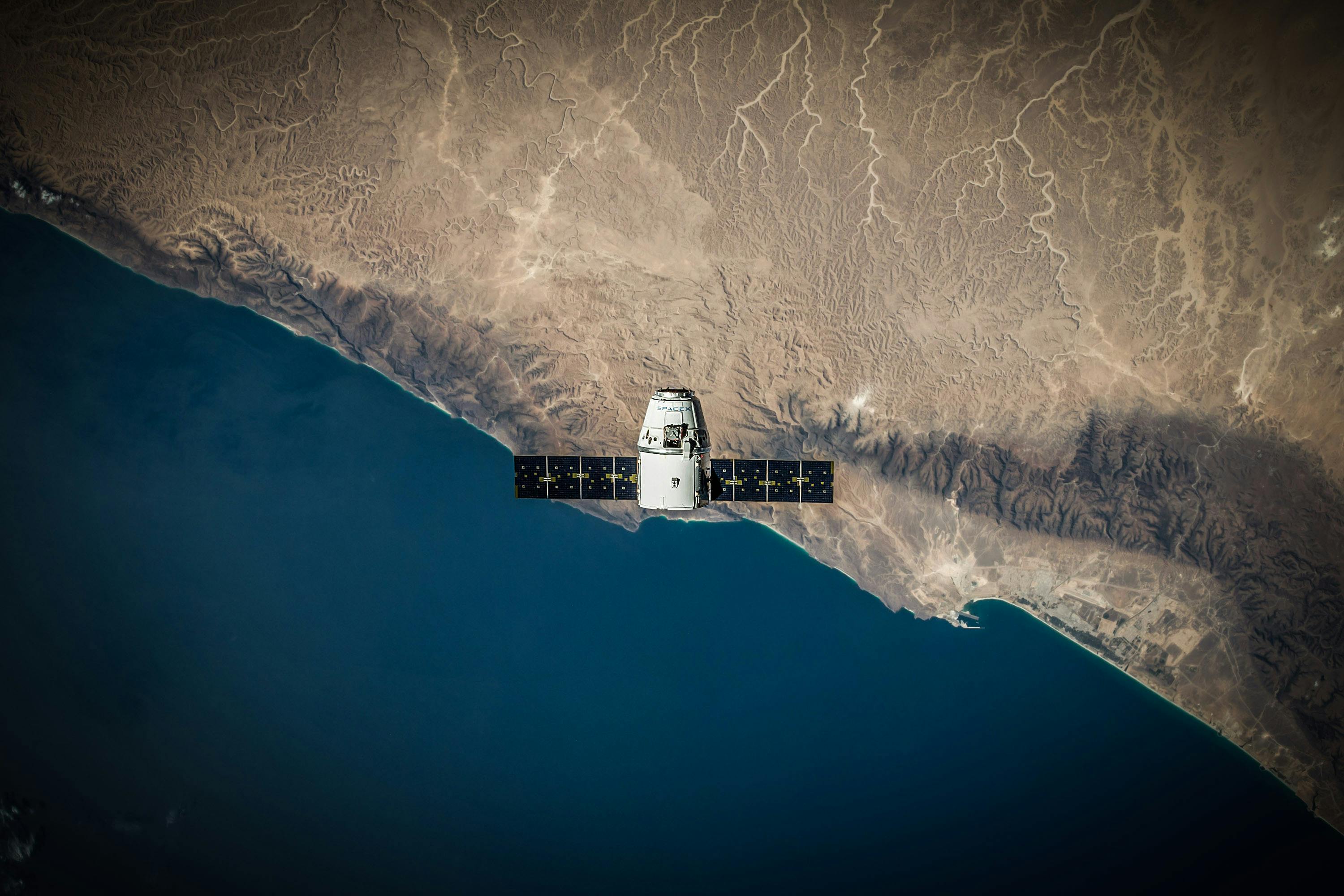
SpaceX ramps up Raptor 3 testing and the launch landscape heats up with Vulcan and Ariane set to lift off before Starlink missions.
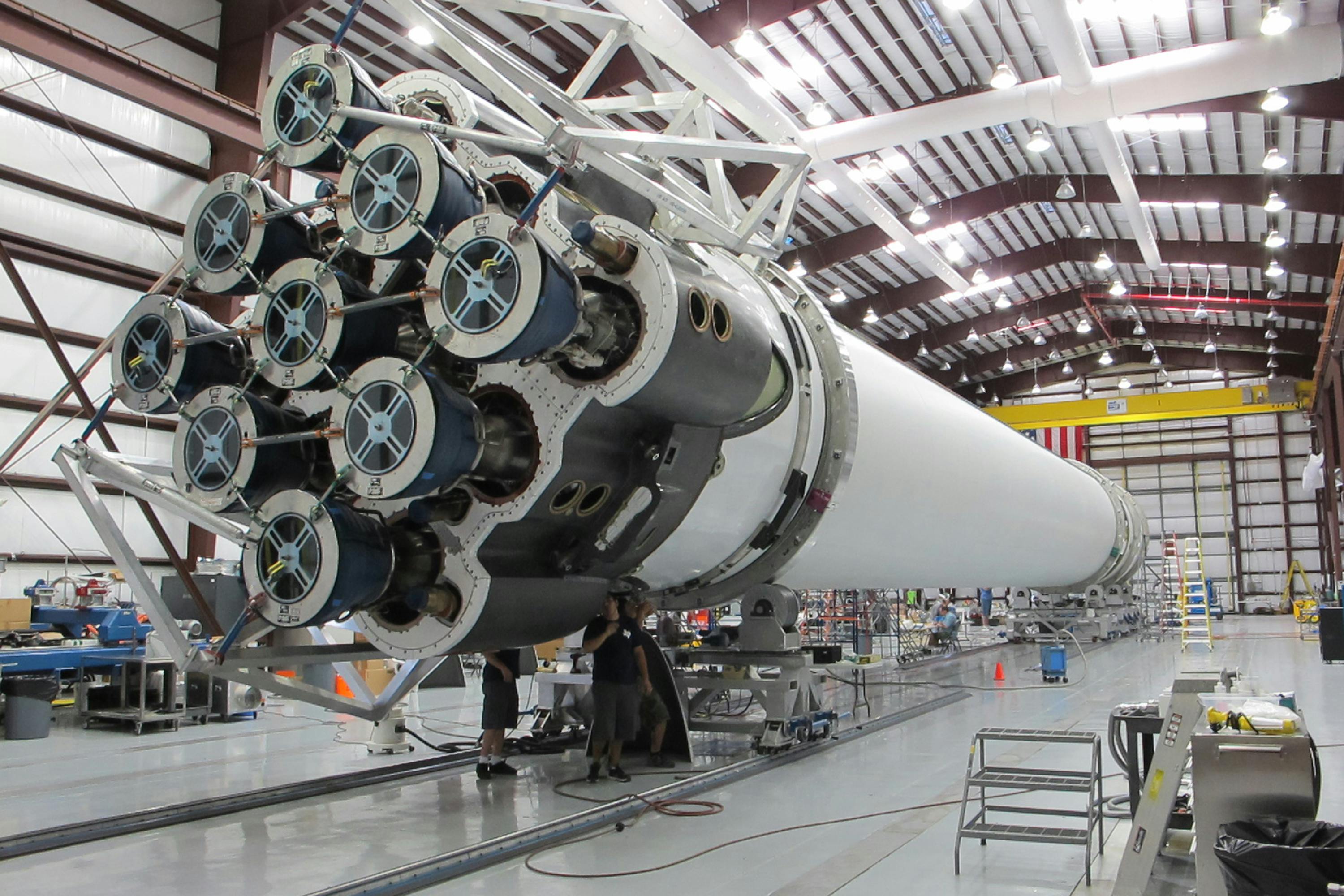
SpaceX Starlink updates for 2026 open with Starlink 6-88: 29 satellites from Cape Canaveral on Jan 4, after a record 165-launch 2025.
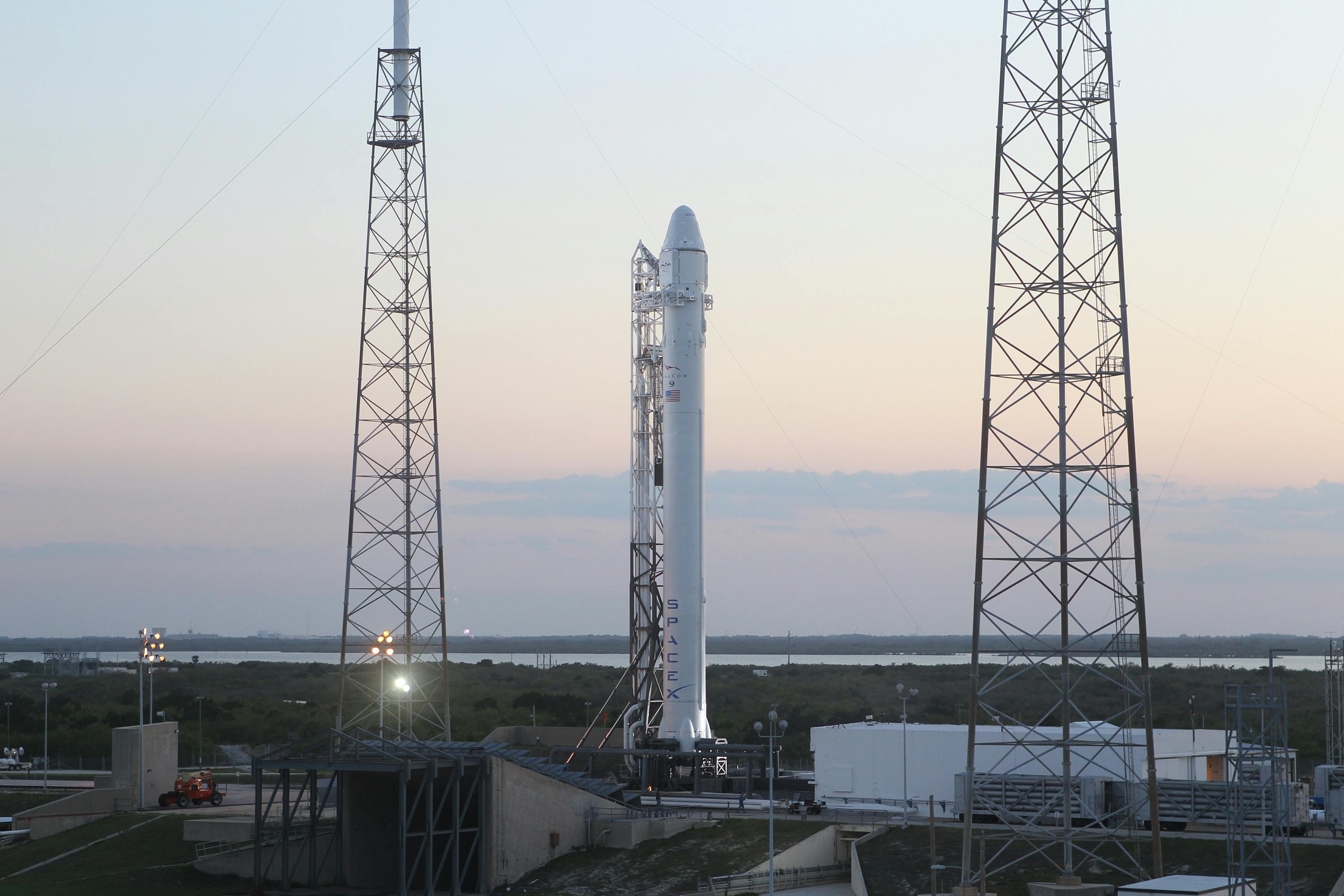
NASA plans first-ever medical evacuation from ISS using SpaceX Crew Dragon for Crew-11 astronaut. Starlink 6-96 mission scrubbed and rescheduled. Starbase Pad 1 tower and launch mount under review.
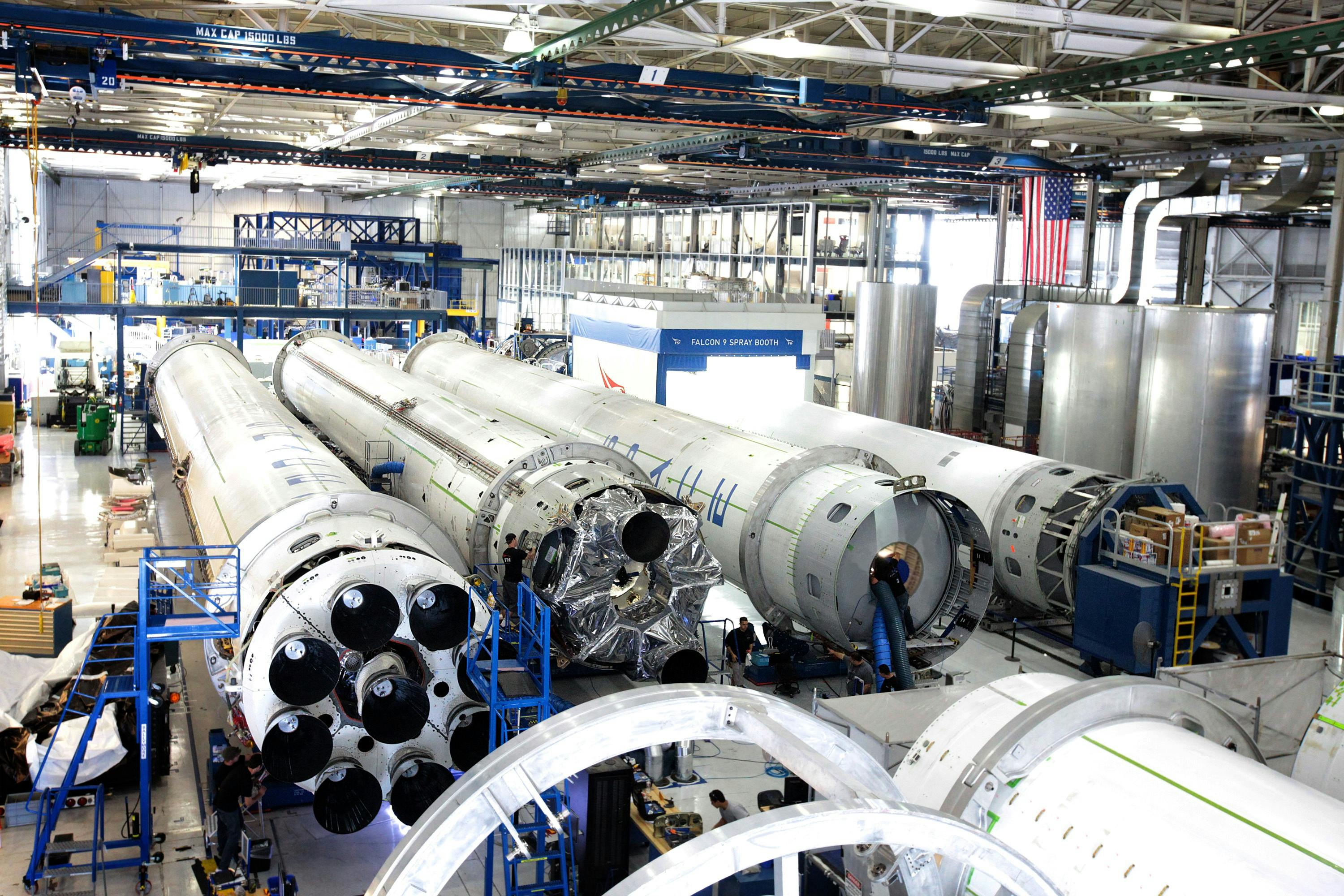
SpaceX unveils new space traffic management system for orbital coordination. Bahamas grants permission for rocket landings after Starship debris pause. Musk proposes lunar satellite catapult.

In today's update, SpaceX successfully launched 28 Starlink satellites from Vandenberg, while Italy grapples with its satellite strategy amid rising reliance on Starlink services.

SpaceX's Falcon Heavy flew for the first time in 18 months on April 29, while Starlink hit 51 Falcon 9 launches in 2026 with 10,280 satellites working.
SpaceX launched 25 Starlink satellites from Vandenberg SFB on March 8, growing a constellation now totaling 9,924 active orbital nodes.