


SpaceX Wins $57M Golden Dome Crosslink Deal, X Report 24 Apr 2026
SpaceX military contract: $57M to demo Link-182 waveform satellite crosslinks for Golden Dome missile defense. FCC denies its spectrum bid.



Launch Date
June 19, 1985
Launch Site
PLMSC
Launch Pad
LC132/2
Launch Vehicle
Kosmos 11K65M
NORAD ID
16016
International Designator
1985-050J
Decay Date
10/9/1986
Name
COSMOS 1662 DEB
Alternative Name
Kosmos-1662 SS 3
Type
Status
Owner
PVO
Country
USSR
Constellation
N/A
Related Satellites
Major Events
N/A
Length
0.2
Diameter
0.2
Span
0.2
Dry Mass
5
Launch Mass
5
Shape
Sphere
Radar Cross Section
0.3
Visual Magnitude
Unknown
Color
Unknown
Material Composition
Unknown
Payload
ESO
Purpose
Unknown
Mission
Unknown
Manufacturer
YUZH
Life Expectancy
Unknown
Bus
ESO
Configuration
Unknown
Motor
Unknown
Equipment
Unknown
Power System
Unknown
ADCS
Unknown
Transmitter Frequency
Unknown
Learn more about satellites and other related topics.
SpaceX military contract: $57M to demo Link-182 waveform satellite crosslinks for Golden Dome missile defense. FCC denies its spectrum bid.

SpaceX's orbital data center constellation and TERAFAB's $25B AI chip factory spark backlash as Starlink surpasses 10,116 working satellites.
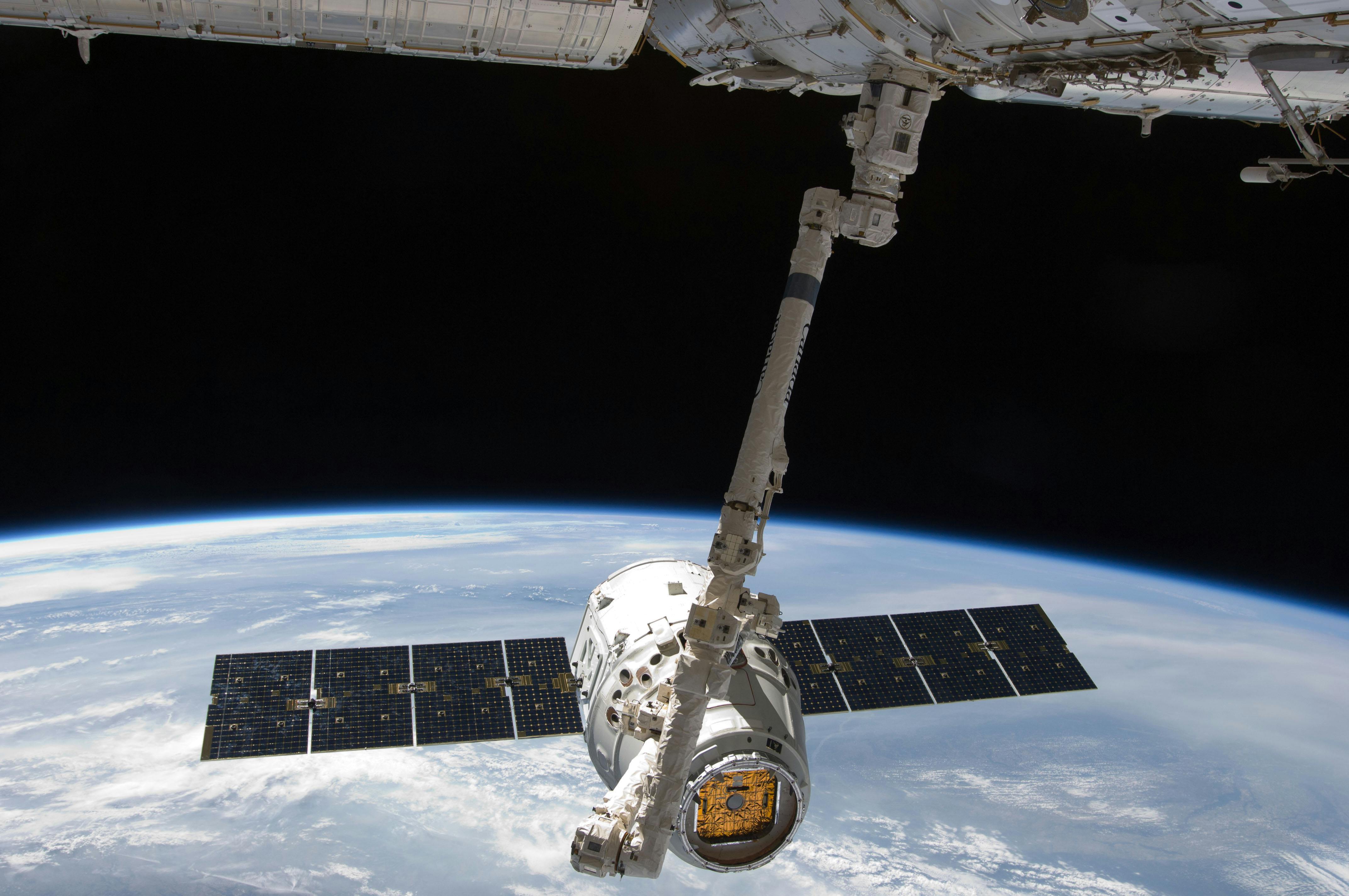
SpaceX prepares for a busy launch schedule with key upgrades at Starbase and notable Starlink missions. Recent close approaches in orbit underscore the complexities of satellite operations.
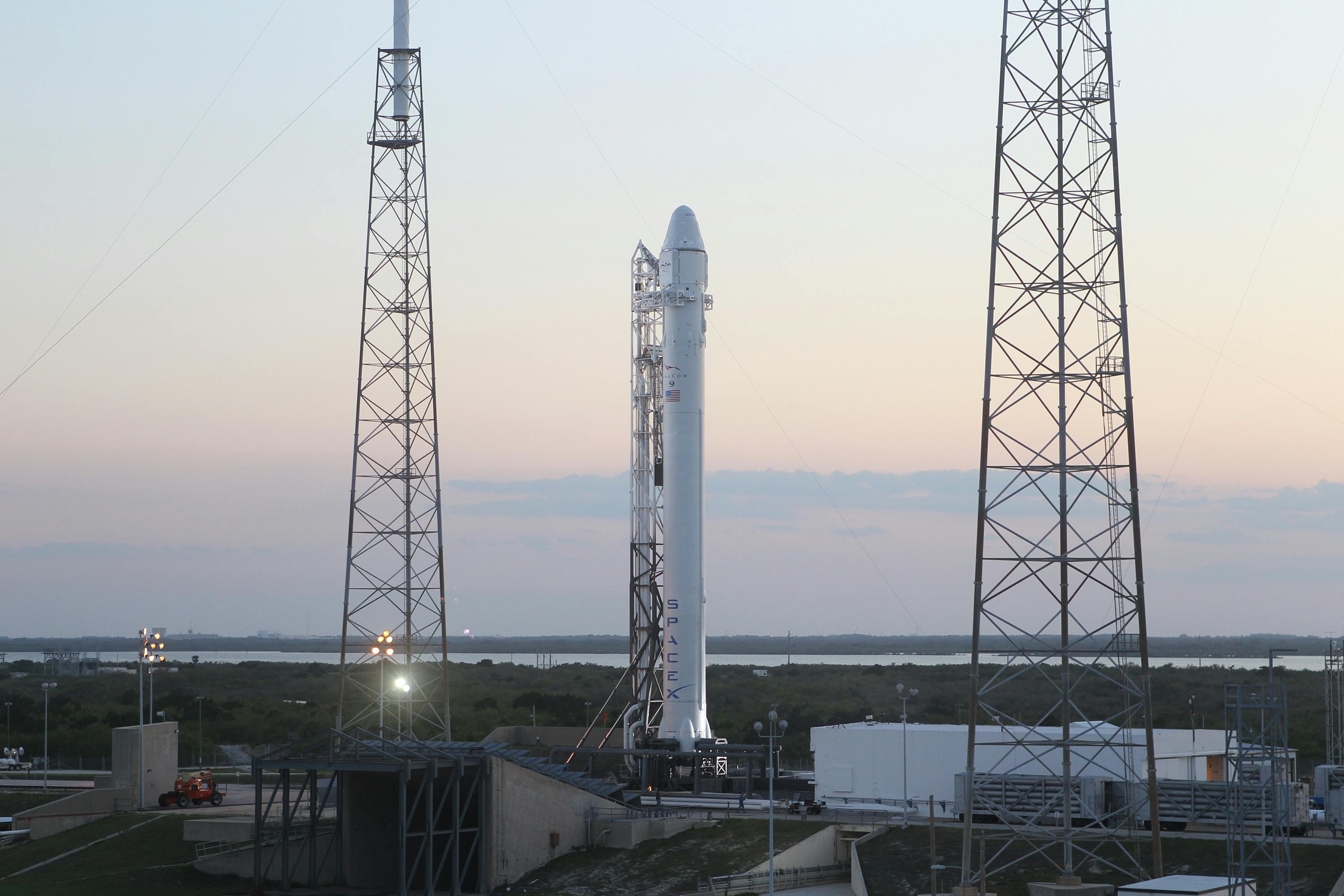
SpaceX continues to expand its Starlink network with multiple launches and gains momentum in international markets, while revisiting launch tariffs and new regulations.
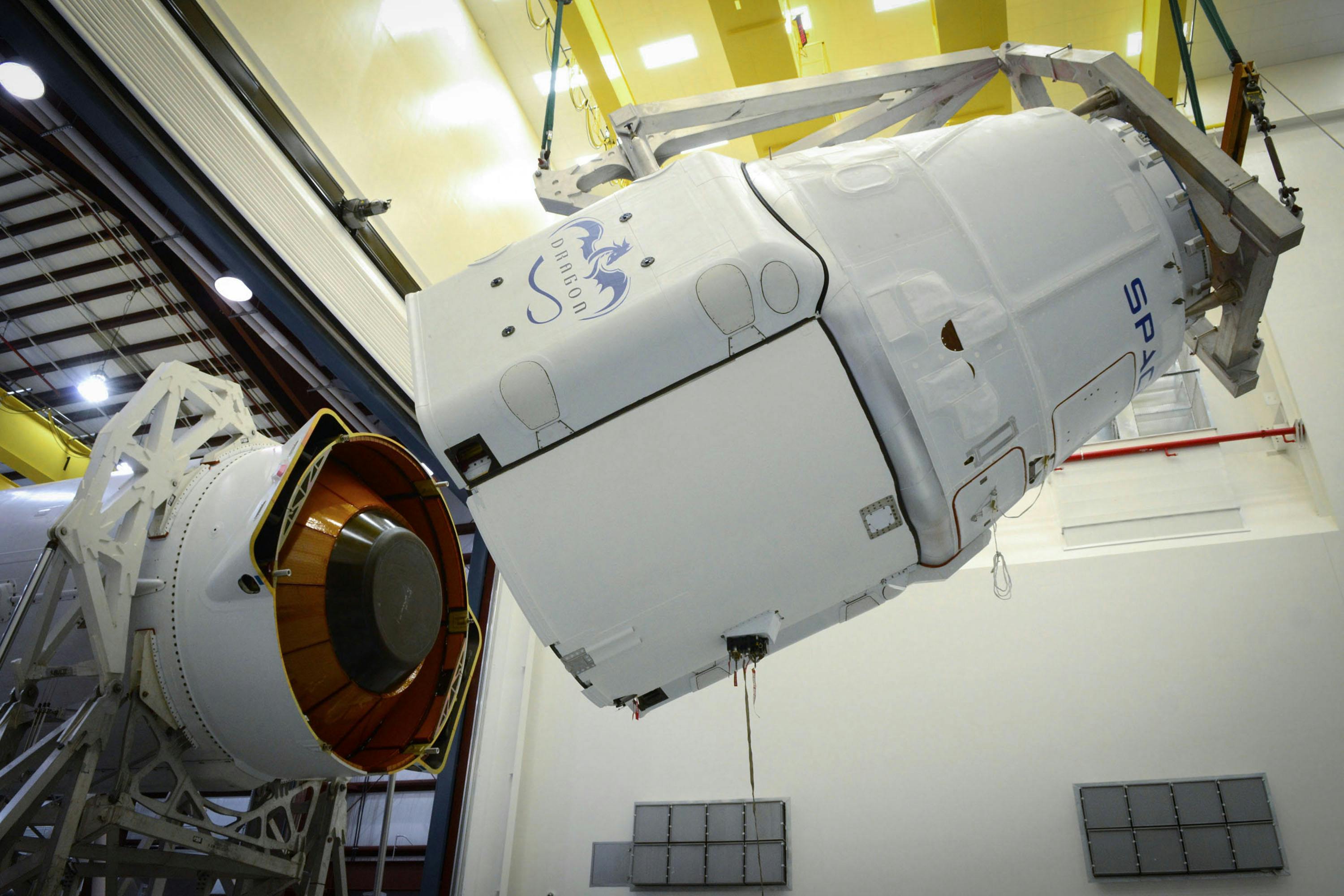
SpaceX's Starlink dish offers gigabit speeds, boosting competitiveness; NRO taps SpaceX for satellite launches, expanding spy satellite network.
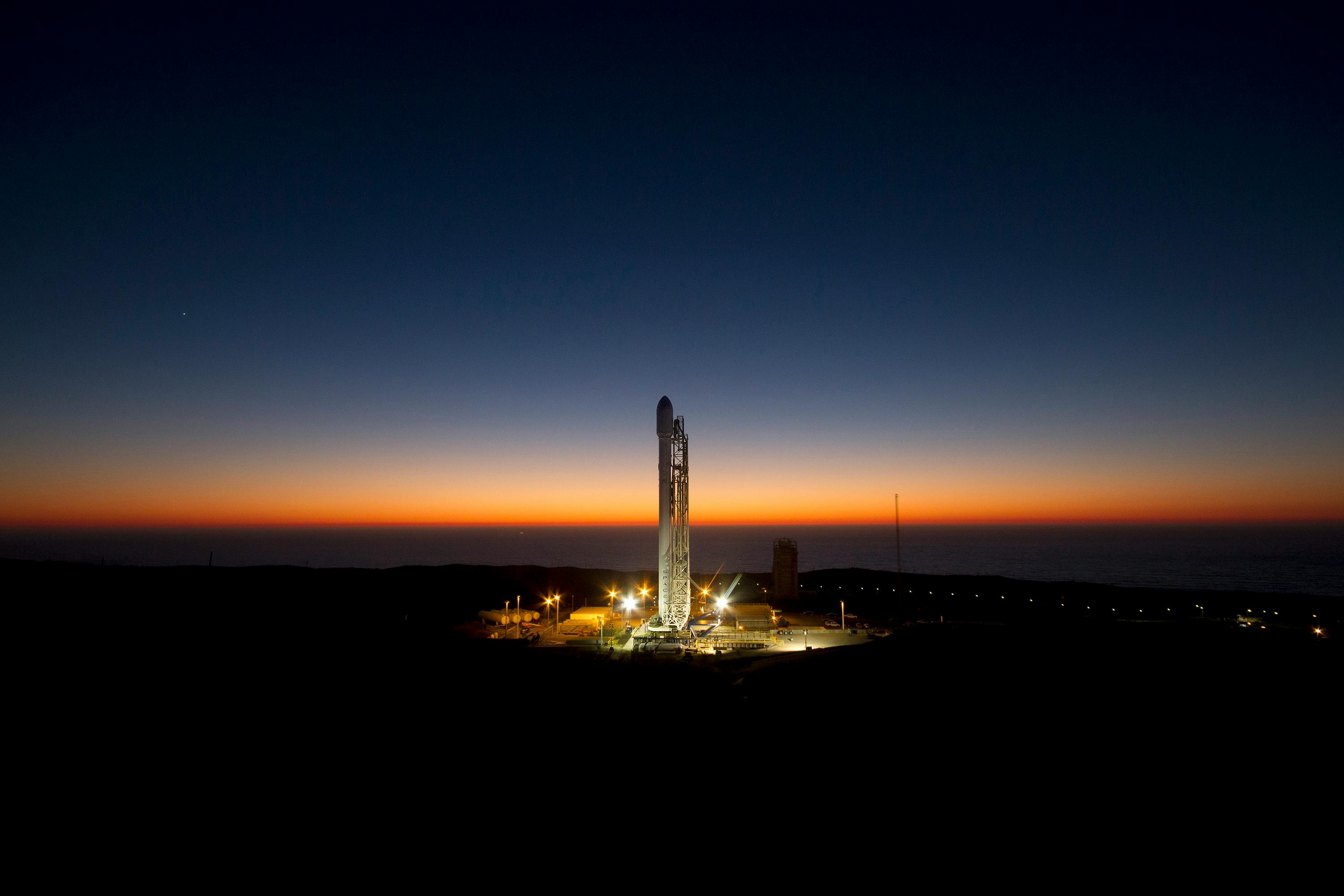
SpaceX sets launch milestones with quick turnarounds and new Starlink deployments, while eyeing rapid Starship expansions next year.
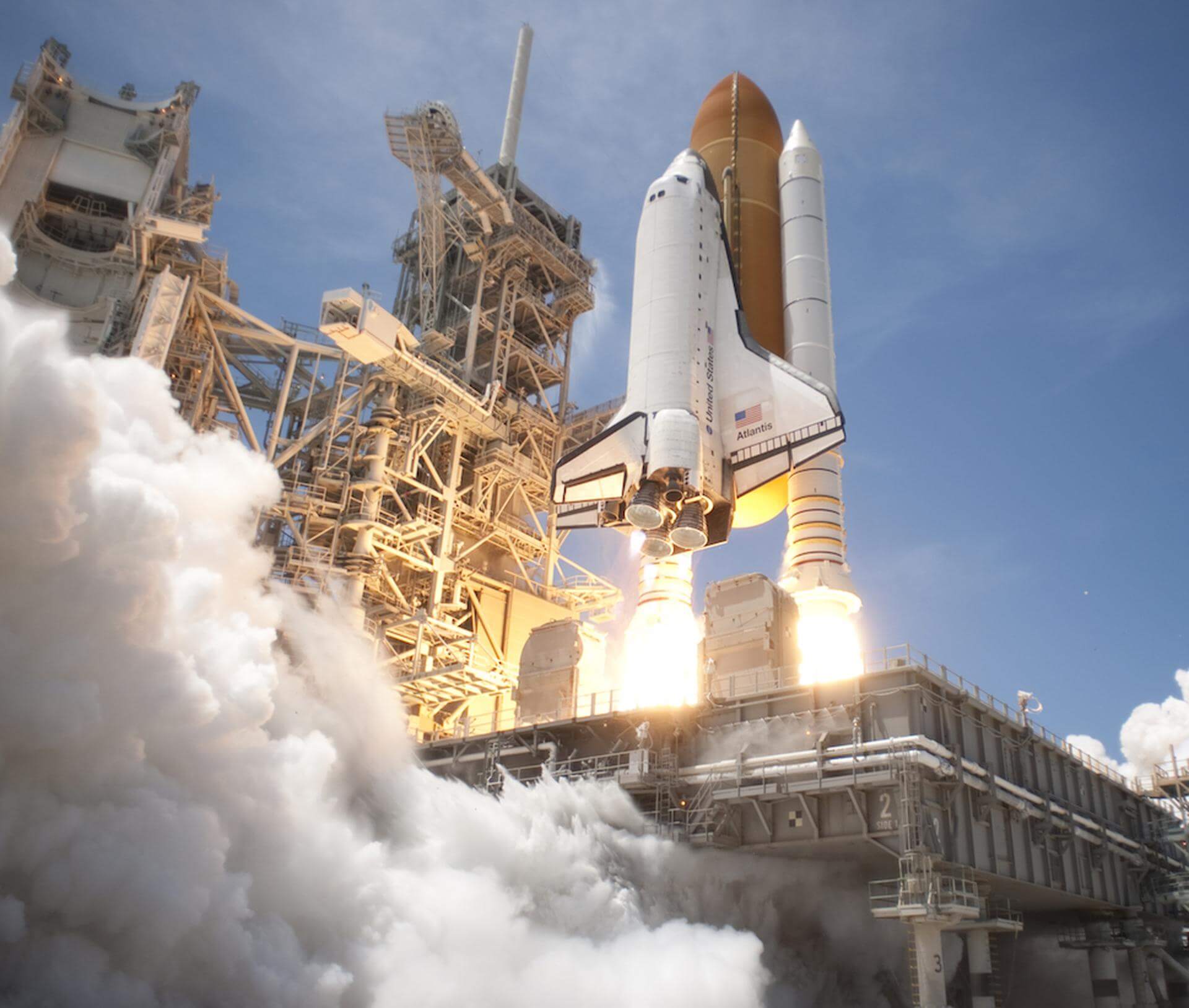
Rocket Lab to acquire Iridium's 66-satellite LEO constellation for end-to-end vertical integration. Deal includes spacecraft manufacturing, launch, and on-orbit operations control.
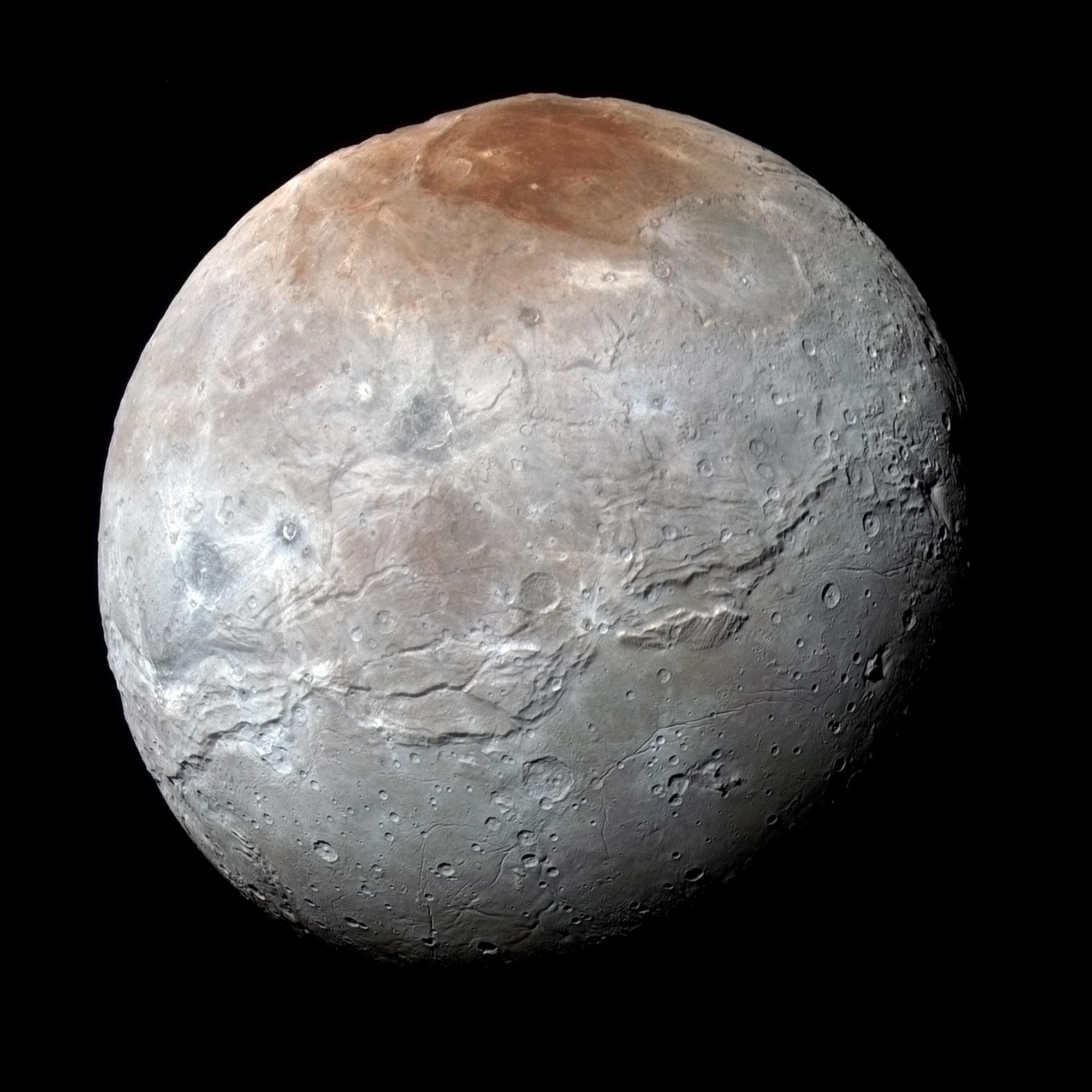
On 22 June 1978, an astronomer at the U.S. Naval Observatory looked at photographic plates that had been stamped 'image defective' and noticed a small bump on the side of Pluto. The bump was a moon, and finding it finally let astronomers weigh a planet that had fooled them for half a century.