


Space Brief 9 Jul 2025
Today's brief covers the U.S. Space Force's new international strategy, Northrop Grumman's Golden Dome project, and ULA's Vulcan launches, alongside military budget priorities.


Launch Date
August 22, 1985
Launch Site
PLMSC
Launch Pad
LC41/1
Launch Vehicle
Molniya 8K78M
NORAD ID
15977
International Designator
1985-074A
Decay Date
3/22/2000
Name
MOLNIYA 1-64
Alternative Name
Molniya-1
Type
Status
Owner
GUKOS
Country
USSR
Constellation
N/A
Related Satellites
Major Events
N/A
Length
4.4
Diameter
1.4
Span
8.6
Dry Mass
1620
Launch Mass
1650
Shape
Cyl + 6 Pan
Radar Cross Section
18.924
Visual Magnitude
Unknown
Color
Unknown
Material Composition
Unknown
Payload
Molniya-1K No. 74L
Purpose
Communication
Mission
Communication
Manufacturer
NPOPM
Life Expectancy
3 years
Bus
Molniya-1
Configuration
KAUR-2
Motor
KDU-414A (S5.114)
Equipment
Unknown
Power System
6 deployable solar arrays, batteries
ADCS
Unknown
Transmitter Frequency
Unknown
Learn more about satellites and other related topics.
Today's brief covers the U.S. Space Force's new international strategy, Northrop Grumman's Golden Dome project, and ULA's Vulcan launches, alongside military budget priorities.
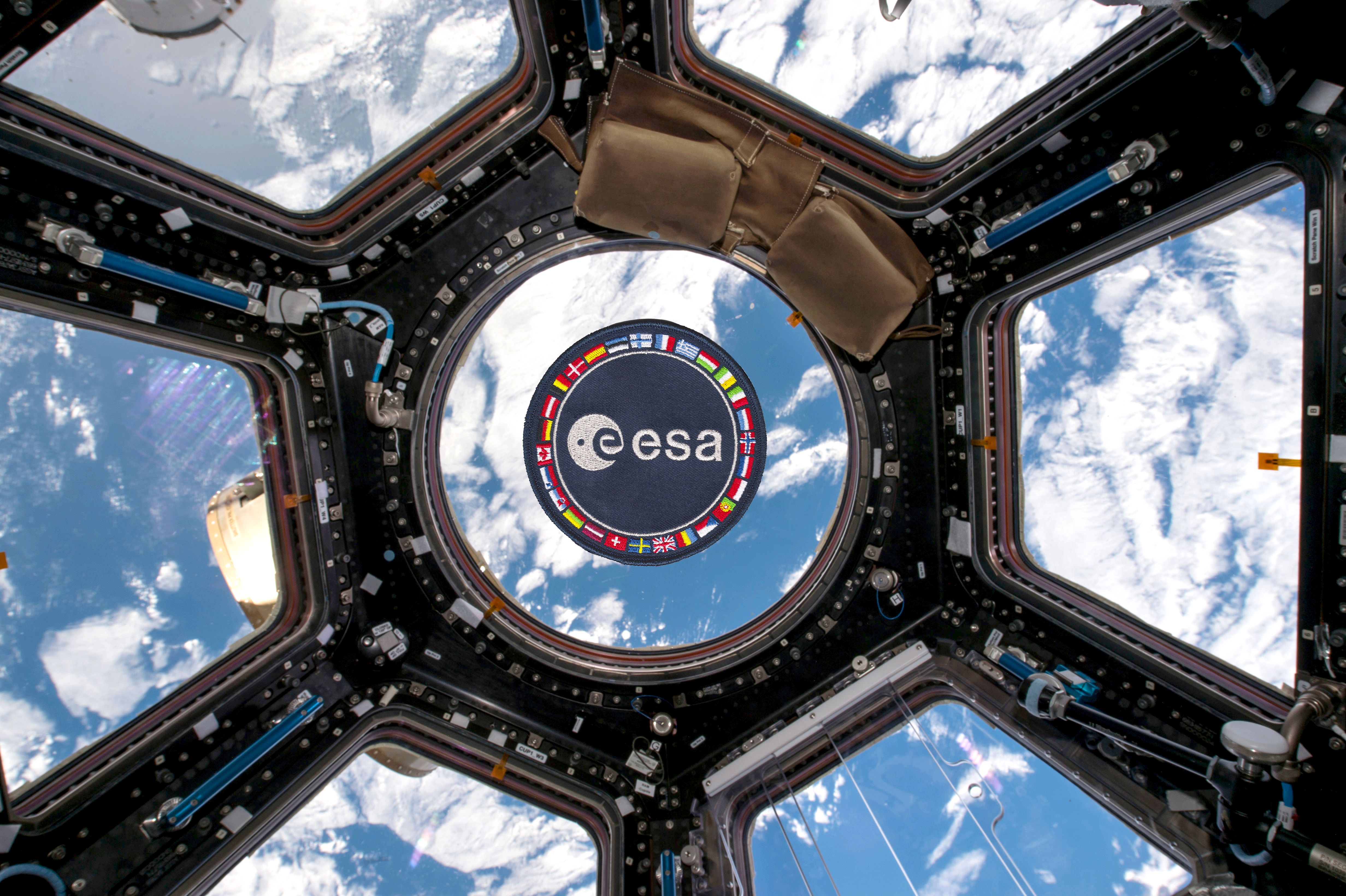
Today's highlights include advances in space tracking technology by the US Space Force, SpaceX's infrastructure expansion, and a spectacular birthday landing on Earth. Additionally, we spotlight a significant exoplanetary discovery and satellite updates.
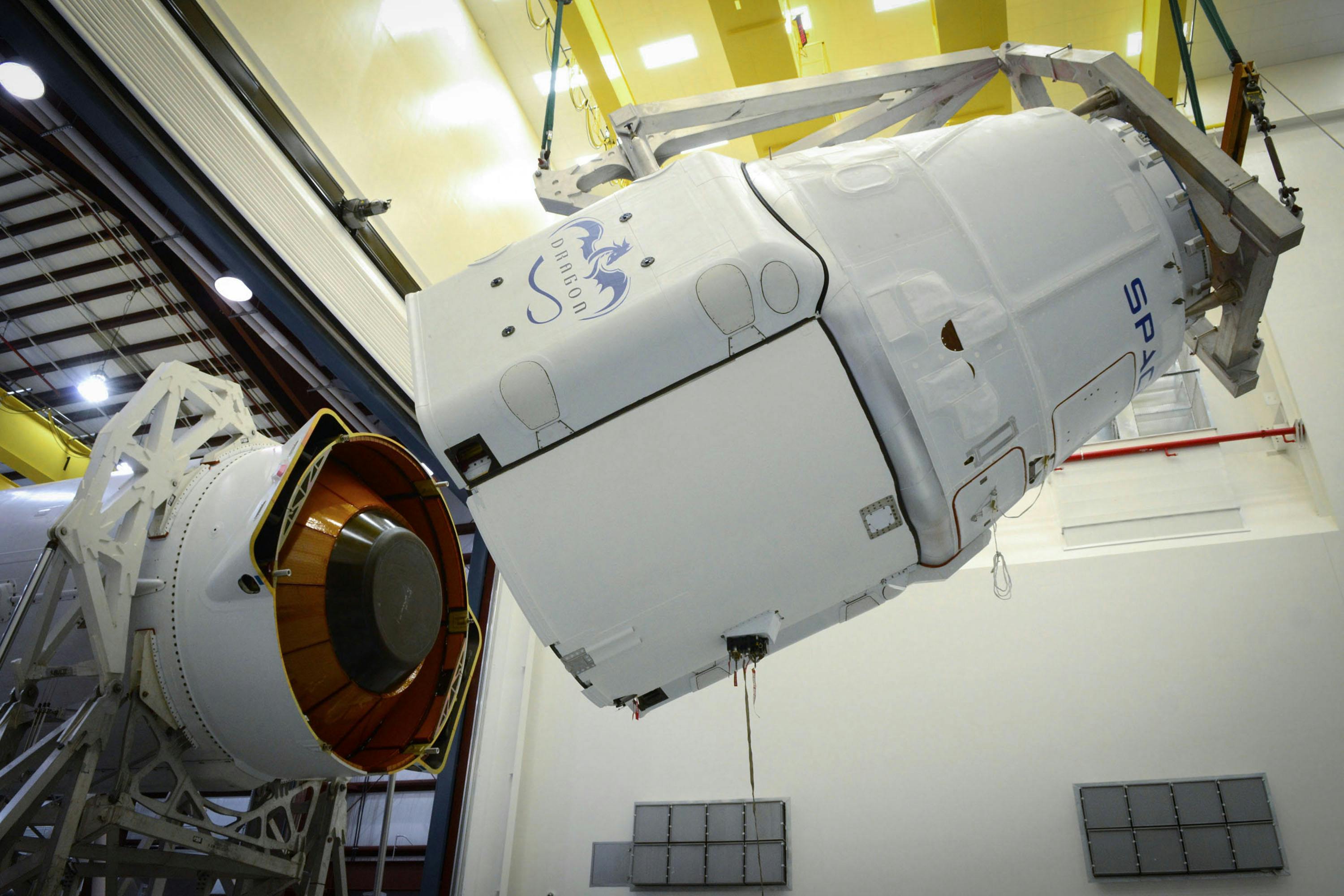
SpaceX wins a $2.29 billion US Space Force contract for a military space data network, NASA adds 6 crew missions, and Starship V3 makes its first flight.

Today's briefing covers new satellite projects, military tech advancements, and insights into missile defense strategies. Discover partnerships in satellite design and exciting developments in space military technology.

SpaceX gears up for an exciting week with multiple launches, including a crewed mission and the rescheduled Starlink delivery. Meanwhile, ULA faces criticism from the Space Force over delays in its Vulcan rocket program.
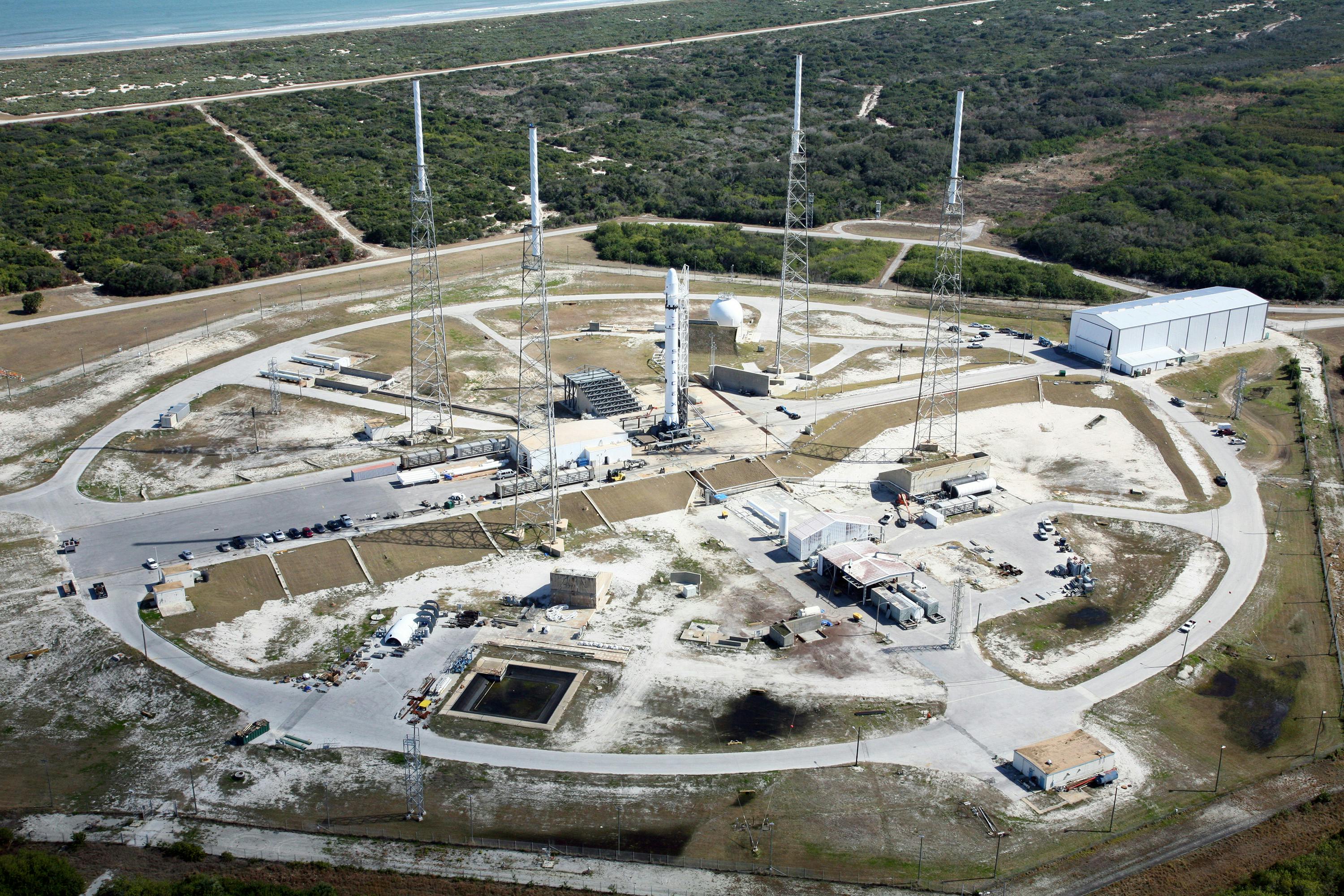
SpaceX makes strides with Starship testing while Starlink faces mounting competition as Viasat eyes Telesat's LEO capacity.
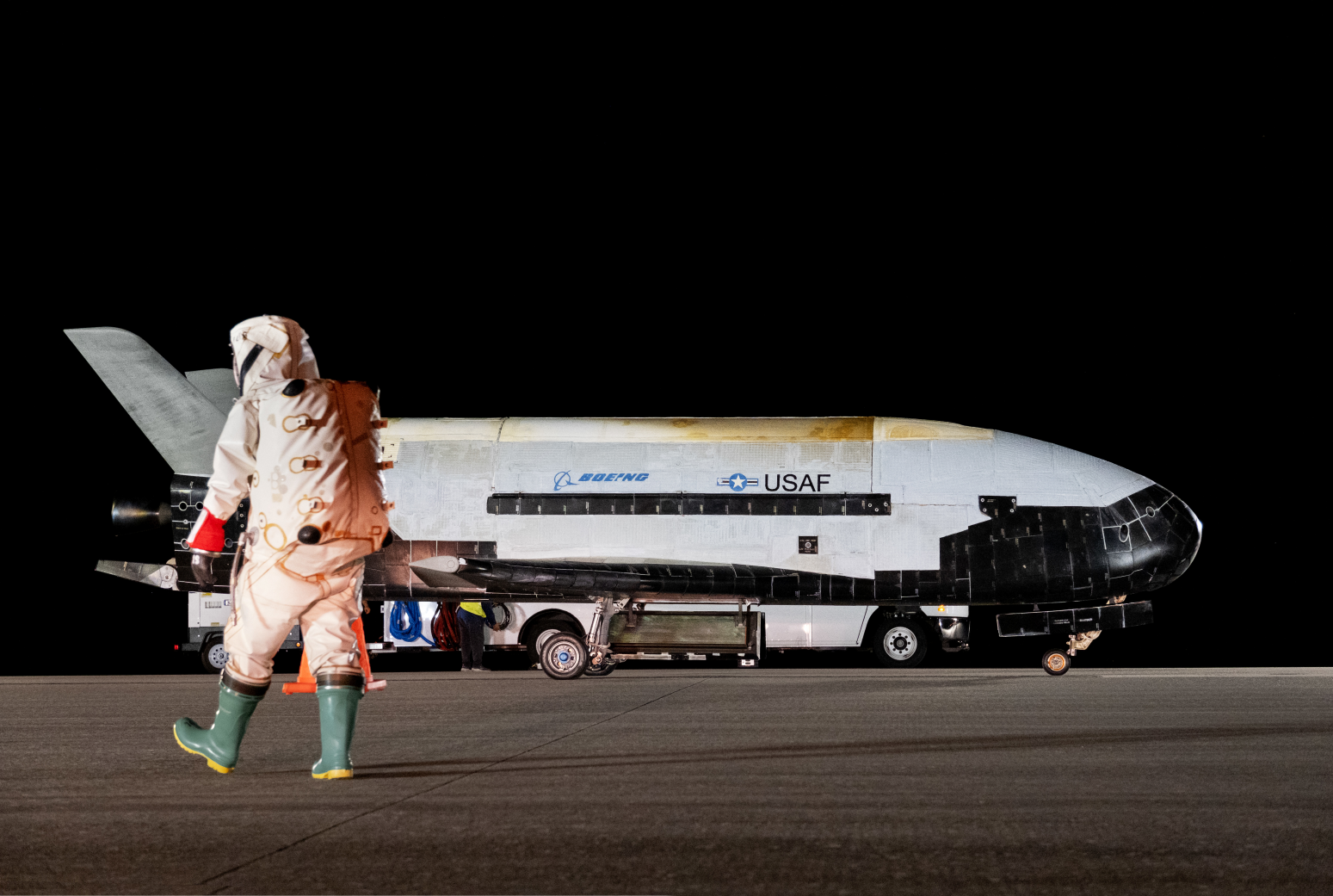
On April 22, 2010, an Atlas V lifted off from Cape Canaveral carrying a reusable robotic spaceplane so secret that the Air Force would not even confirm its mission duration. It came back 224 days later, lighter, quieter, and more operational than anyone outside Washington had expected. Fifteen years later, the X-37B is still flying, and the military still will not say what it does.
SpaceX faces a launch delay at Cape Canaveral and continues to advance Starship development.