COSMOS 1675 (15952)

COSPAR: 1985-071A | Alt Name: Kosmos-1675

Image
COSMOS 1675 Satellite Image
Additional Sources
Launch Details

Launch Date

August 12, 1985

Launch Site

PLMSC

Launch Pad

LC16/2

Launch Vehicle

Molniya 8K78M

Orbital Elements

NORAD ID

15952

International Designator

1985-071A

Epoch

Fri, 26 Jun 2026 01:03:53 GMT

Apogee

Calculating...

Perigee

Calculating...

Inclination

65.76°

Right Ascension

32.18°

Eccentricity

Calculating...

Argument of Perigee

269.64°

Period

458.41 min

Mean Motion

3.14 rev/day

Latitude

Calculating...

Longitude

Calculating...

Altitude

Calculating...

Velocity

Calculating...

Polar Plot
3D Visualization
Basic Satellite Info

Name

COSMOS 1675

Alternative Name

Kosmos-1675

Type

Payload

Status

Unknown

Owner

PVO

Country

USSR

Constellation

N/A

Related Satellites

Major Events

N/A

Latest TLEs
1 15952U 85071A   26177.04436716 -.00000119  00000-0  00000+0 0  9998
2 15952  65.7603  32.1768 6266753 269.6356  23.3852  3.14132273389975

Source: Celestrak

Summary
COSMOS 1675 (also known as Kosmos-1675) is an early warning satellite launched by the Soviet Union on August 12, 1985, from the Plesetsk Launch Site using a Molniya 8K78M launch vehicle. The spacecraft has dimensions of approximately 4 meters in length and 2 meters in diameter with a span of 5 meters. It has a dry mass of 1150 kilograms and was launched with a total mass of 1250 kilograms. Equipped with two deployable fixed solar arrays and batteries, the satellite is part of the Oko system designed for early warning purposes. Manufactured by NPOL/KOMET, COSMOS 1675 belongs to the PVO (Soviet Air Defense Forces) and carries a payload designated as Oko 73D6 No. 6027. The satellite has a shape described as cylindrical with two panels and an RCS value of 7.192.
Physical Characteristics

Length

4

Diameter

2

Span

5

Dry Mass

1150

Launch Mass

1250

Shape

Cyl + 2 Pan

Radar Cross Section

7.192

Visual Magnitude

Unknown

Color

Unknown

Material Composition

Unknown

Technical Details

Payload

Oko 73D6 No. 6027

Purpose

Early warning

Mission

Early warning

Manufacturer

NPOL/KOMET

Life Expectancy

Unknown

Bus

Oko

Configuration

Unknown

Motor

Unknown

Equipment

Unknown

Power System

2 deployable fixed solar arrays, batteries

ADCS

Unknown

Transmitter Frequency

Unknown

Map
This tool will help you track the satellite's position and predict its upcoming passes over your location. Simply input the coordinates or click the geolocation button to get started.
Next Pass
Azimuth Elevation Time (Local)
Start Azimuth
Max Elevation
Stop Azimuth
Time Until
Pass Duration

Satellite Articles

View All Posts »

Learn more about satellites and other related topics.

Trump Seeks Starlink for Iran Internet, China Plans 200,000-Satellite Constellation | KeepTrack Space Brief

Trump Seeks Starlink for Iran Internet, China Plans 200,000-Satellite Constellation | KeepTrack Space Brief

Trump seeks Musk's help to restore internet in Iran via Starlink. China files for 200,000-satellite constellation. Sweden allocates $1.6B for air defense and $140M for space capabilities.


Falcon 9 Launches 25 Starlink Satellites After Weather Delays | KeepTrack X Report

Falcon 9 Launches 25 Starlink Satellites After Weather Delays | KeepTrack X Report

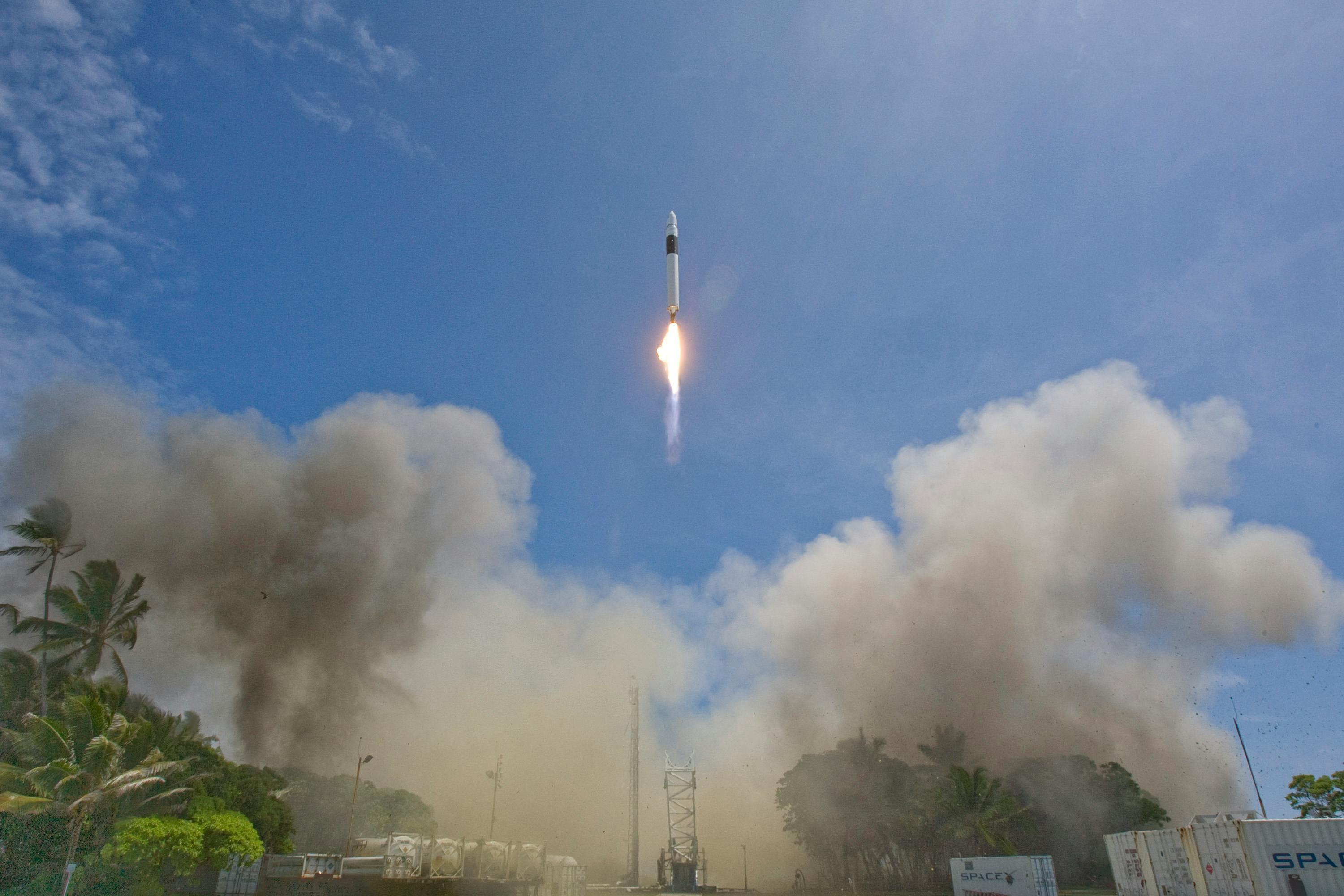
SpaceX launches 25 Starlink satellites from Vandenberg after multiple weather delays. 20th Falcon 9 mission of 2026 features second-ever booster landing near The Bahamas.

Space Brief 26 Mar 2025

Space Brief 26 Mar 2025

Today's briefing covers the US Space Force's pivotal journeys, emerging hypersonic weaponry, and innovative drone technologies, with a special satellite update featuring Jackal X-1L-001.

Space Brief 30 Nov 2024

Space Brief 30 Nov 2024

Today's highlights include SpaceX's dual satellite launches, a new Space Force contract with Raytheon, and Astroscale's upcoming OneWeb mission.

X Report 18 Aug 2025

X Report 18 Aug 2025

SpaceX's 100th Falcon 9 mission successfully launched 24 Starlink satellites, continuing to expand its broadband constellation.

Space Brief 20 Mar 2025

Space Brief 20 Mar 2025

Today's brief highlights critical discussions in military space readiness, potential satellite 'dogfighting' scenarios, international defense collaborations, and a notable communications satellite launch.

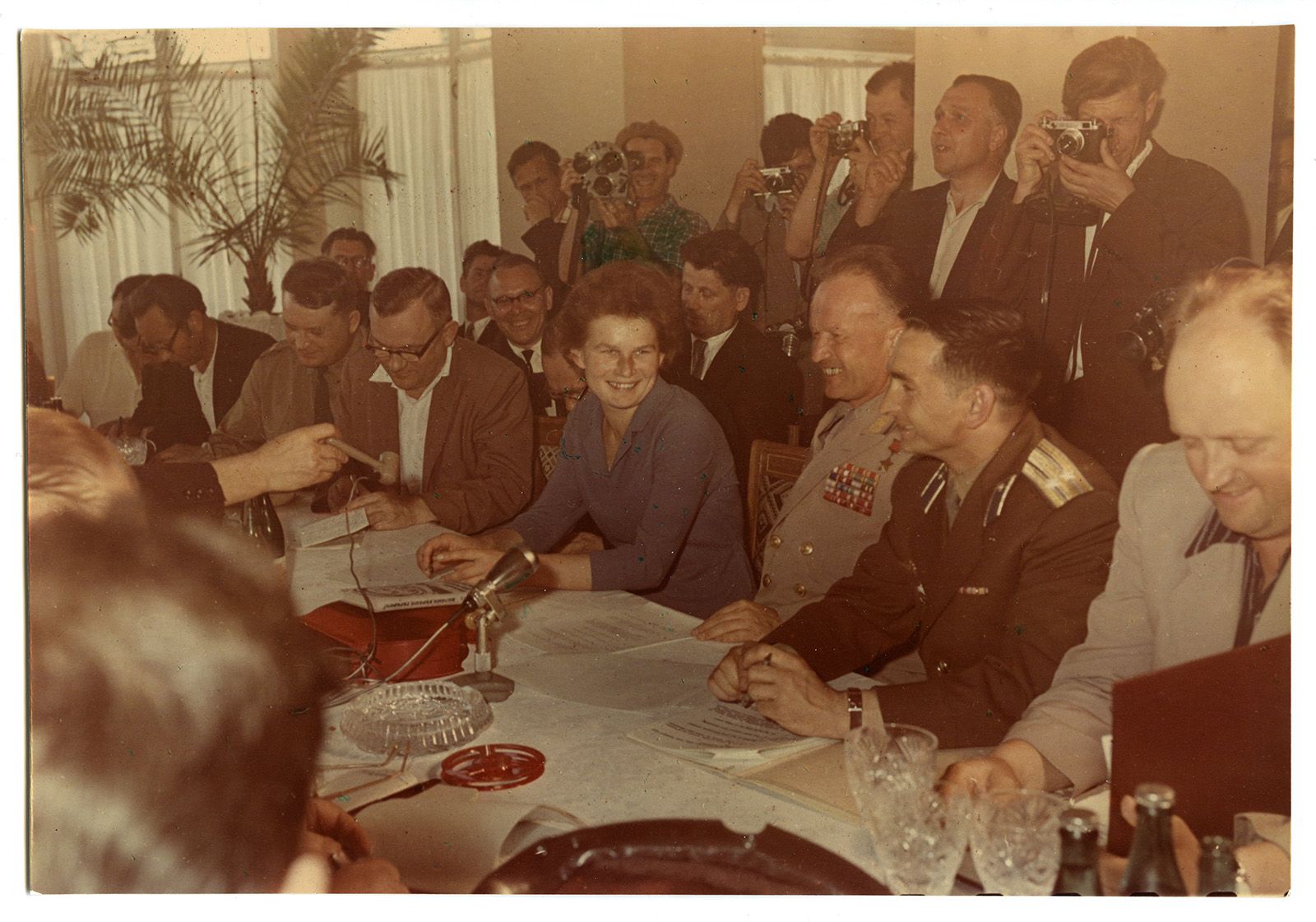
How a Parachutist Named Seagull Became the First Woman in Space

How a Parachutist Named Seagull Became the First Woman in Space

On 16 June 1963, a 26-year-old former textile worker named Valentina Tereshkova launched aboard Vostok 6 and spent nearly three days alone in orbit. She flew 48 times around the Earth, longer than every American astronaut combined, and spotted a dangerous flaw in her descent program that ground controllers had missed.

X Report 6 Nov 2025

X Report 6 Nov 2025

SpaceX successfully launched 29 Starlink satellites, marking the start of a busy month for their satellite deployment efforts. The mission is part of an ongoing expansion of their broadband internet constellation.