

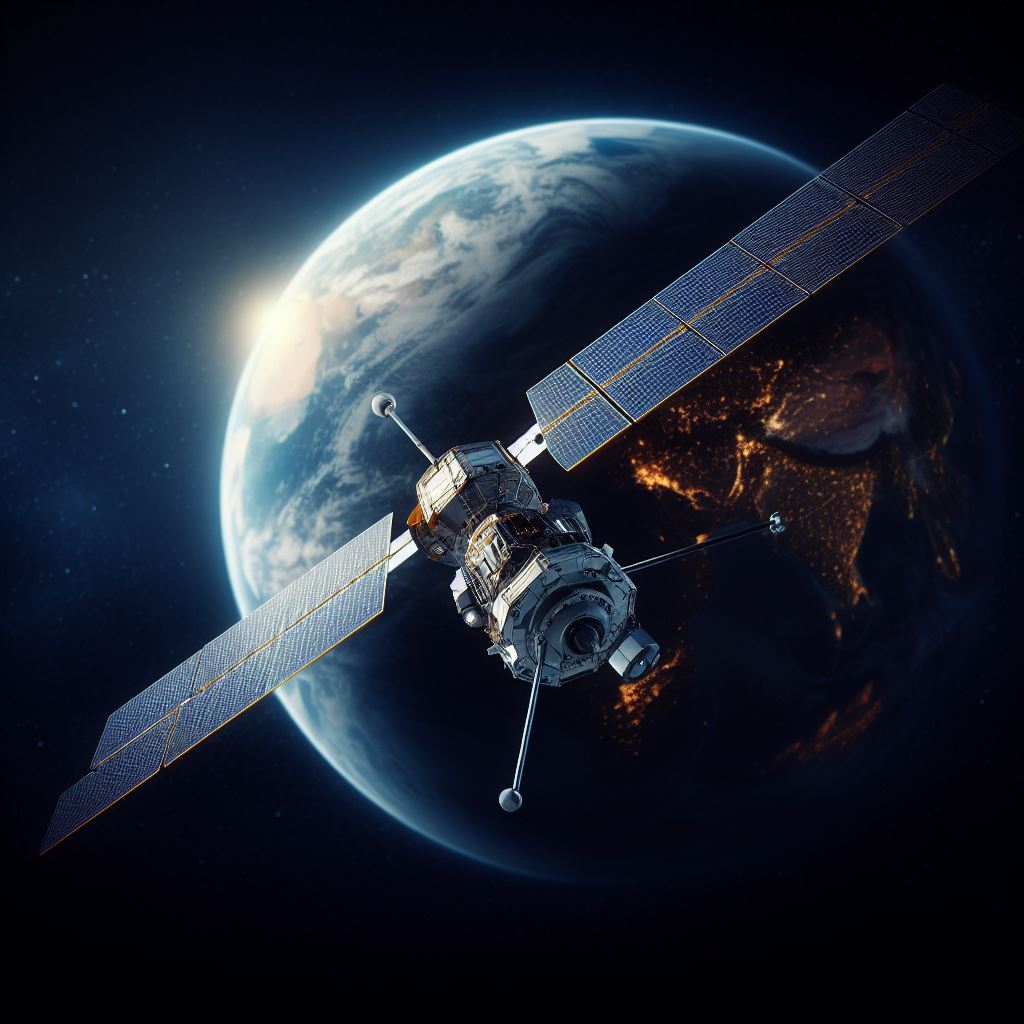
Mega-Constellations Are Set to Flood Earth's Orbit
We forecast how many satellites could be in orbit by 2030 and what capabilities we can expect.


Launch Date
July 8, 1985
Launch Site
PLMSC
Launch Pad
LC32/2
Launch Vehicle
Tsiklon-3
NORAD ID
15889
International Designator
1985-058A
Decay Date
6/15/2025
Name
COSMOS 1666
Alternative Name
Kosmos-1666
Type
Status
Owner
GRU
Country
USSR
Constellation
N/A
Related Satellites
Major Events
N/A
Length
3.2
Diameter
1.3
Span
13.1
Dry Mass
1750
Launch Mass
1750
Shape
Cyl + Ant
Radar Cross Section
7.1526
Visual Magnitude
Unknown
Color
Unknown
Material Composition
Unknown
Payload
Ikar No. 46L
Purpose
SIGINT
Mission
SIGINT
Manufacturer
YUZH
Life Expectancy
6 months
Bus
Tselina-D
Configuration
Unknown
Motor
Unknown
Equipment
Unknown
Power System
2 deployable solar arrays, batteries
ADCS
Unknown
Transmitter Frequency
Unknown
Learn more about satellites and other related topics.
We forecast how many satellites could be in orbit by 2030 and what capabilities we can expect.

Today's Space Brief covers a significant signals intelligence launch, a record-breaking satellite deployment in China, a glimpse into the newest stealth drone, a potential delay for NASA's lunar lander, and more exciting updates from satellite world.
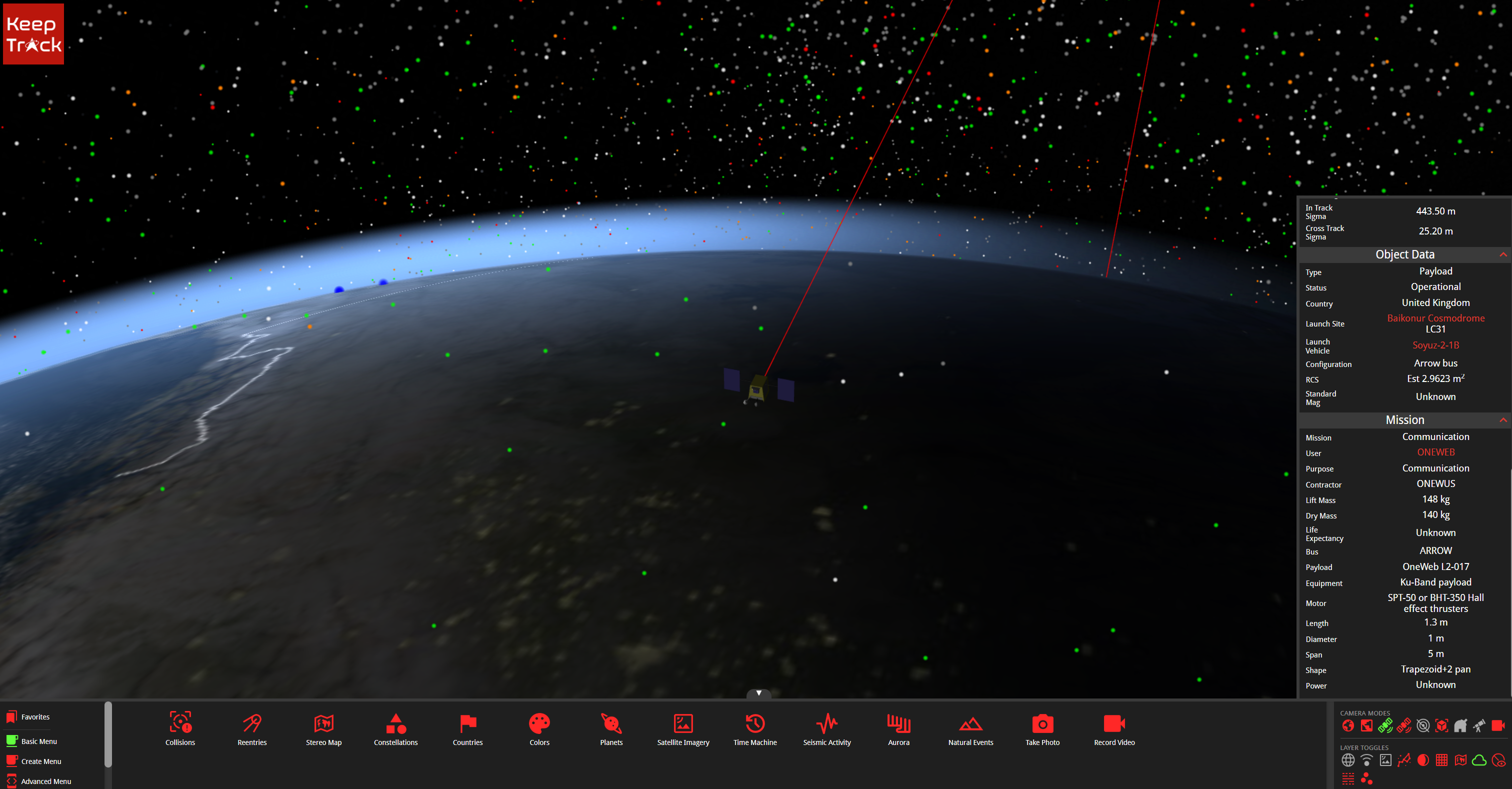
The evolution from simply tracking objects in orbit to understanding the full strategic picture of who is doing what in space, and why
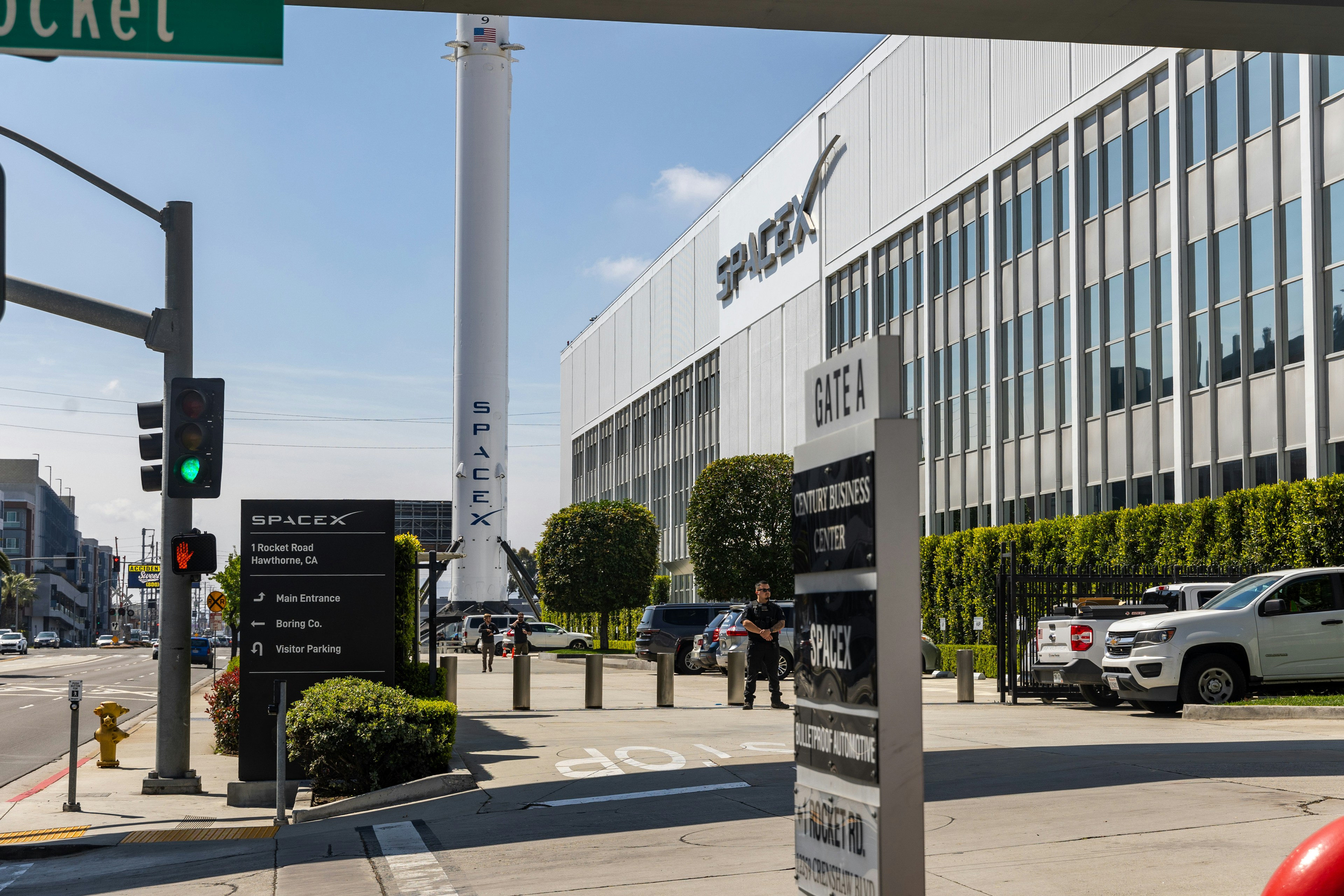
SpaceX successfully launched 24 Starlink satellites from California while investigations begin on a possible Starship salvage operation near Mexico.

SpaceX launches its first crewed mission over Earth's poles and FAA concludes investigation into the Starship Flight 7 incident.
Today's edition covers SpaceX scrubbing and successfully launching Starlink satellites, AI innovations in spacecraft propulsion, and the impact of SPHERE's debris disk survey in discovering hidden asteroid belts.
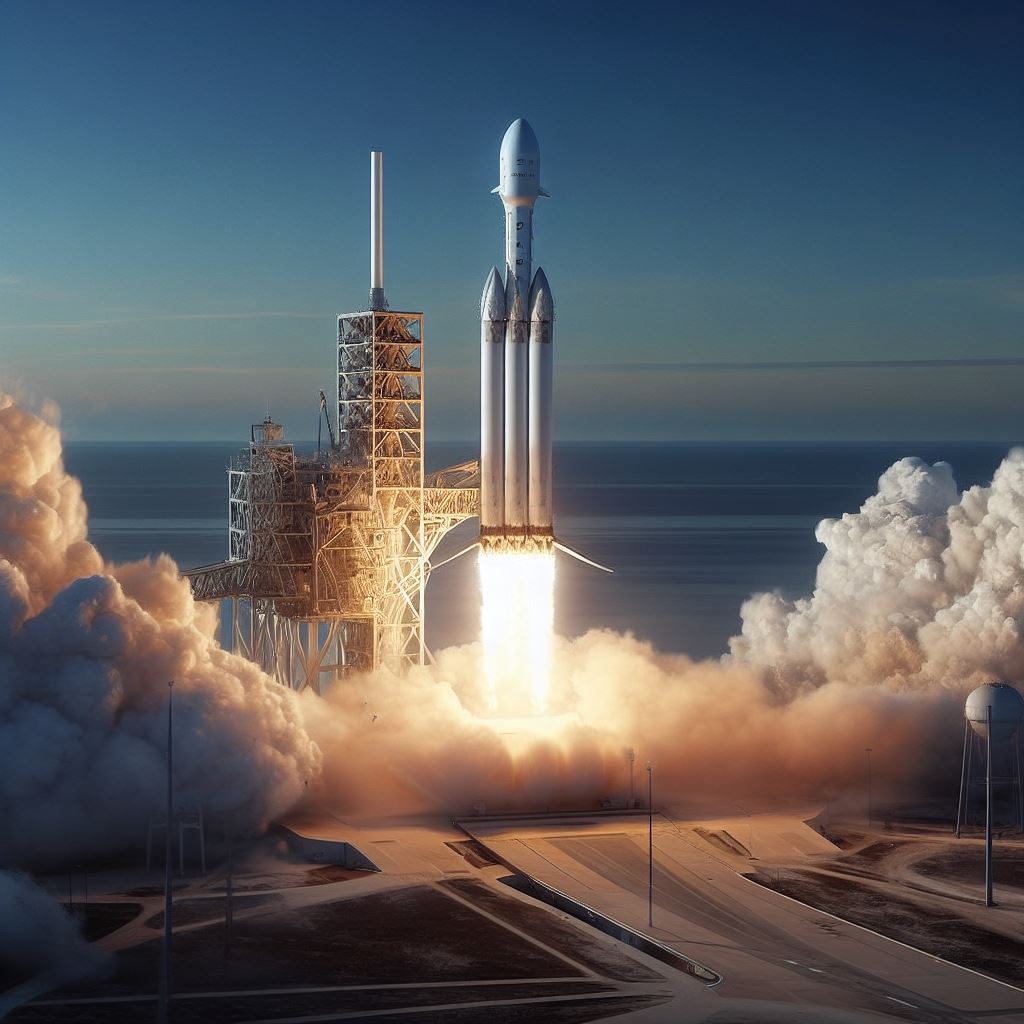
Polaris Dawn's upcoming commercial spacewalk, successful lunar orbit by Chinese spacecraft, and more space news including SpaceX's Starlink mission, RFA's static-fire failure, and advances in satellite technology.
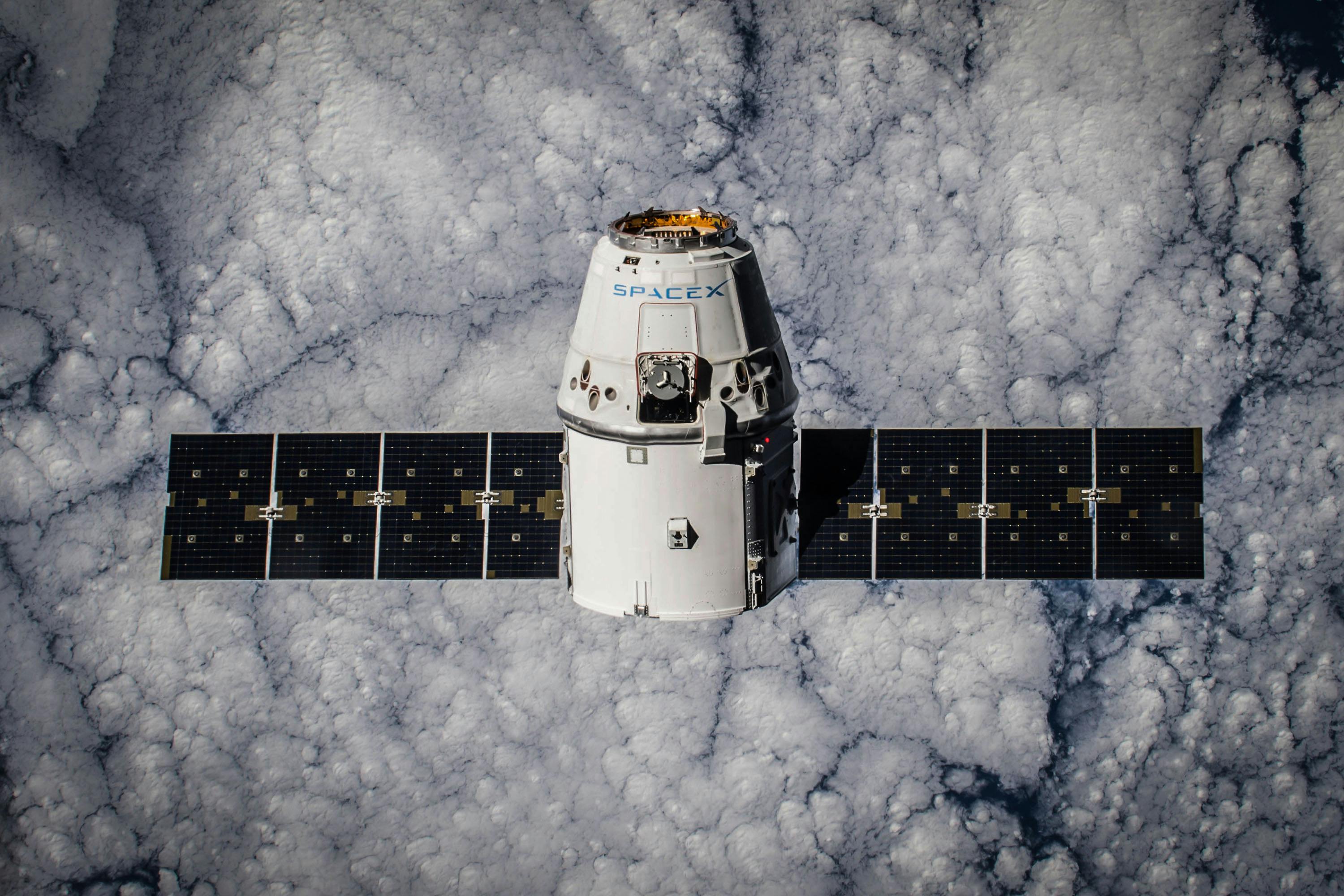
SpaceX is finalizing Pad 2 upgrades at Starbase ahead of Booster 19's return flight, as Starlink's active constellation holds at 10,185 satellites.