


Space Brief 1 Jul 2025
Key developments in the space sector include new partnerships for satellite surveillance, strategic shifts from the Defense Department impacting weather forecasting, and the Space Force's focus on agile satellite technologies.


Launch Date
July 3, 1985
Launch Site
PLMSC
Launch Pad
LC16/2
Launch Vehicle
Soyuz-U
NORAD ID
15878
International Designator
1985-057B
Decay Date
7/10/1985
Name
SL-4 R/B
Alternative Name
Soyuz-U 56-320 Blok-I
Type
Status
Owner
RVSN
Country
USSR
Constellation
N/A
Related Satellites
Major Events
N/A
Length
6.7
Diameter
2.7
Span
6.7
Dry Mass
2350
Launch Mass
2350
Shape
Cyl
Radar Cross Section
Unknown
Visual Magnitude
Unknown
Color
Unknown
Material Composition
Unknown
Payload
11S510
Purpose
Unknown
Mission
Unknown
Manufacturer
PROG
Life Expectancy
Unknown
Bus
Blok-I
Configuration
Unknown
Motor
Unknown
Equipment
Unknown
Power System
Unknown
ADCS
Unknown
Transmitter Frequency
Unknown
Learn more about satellites and other related topics.
Key developments in the space sector include new partnerships for satellite surveillance, strategic shifts from the Defense Department impacting weather forecasting, and the Space Force's focus on agile satellite technologies.

Today's highlights include Space Force's new satcom design contracts, advances in AI training tools, Pentagon drone policy shifts, and the first Eris launch's failure.

SpaceX targets a $75B IPO valuing the company at $1.75T, as 50+ new Starlink satellites reach orbit via dual coast launches.
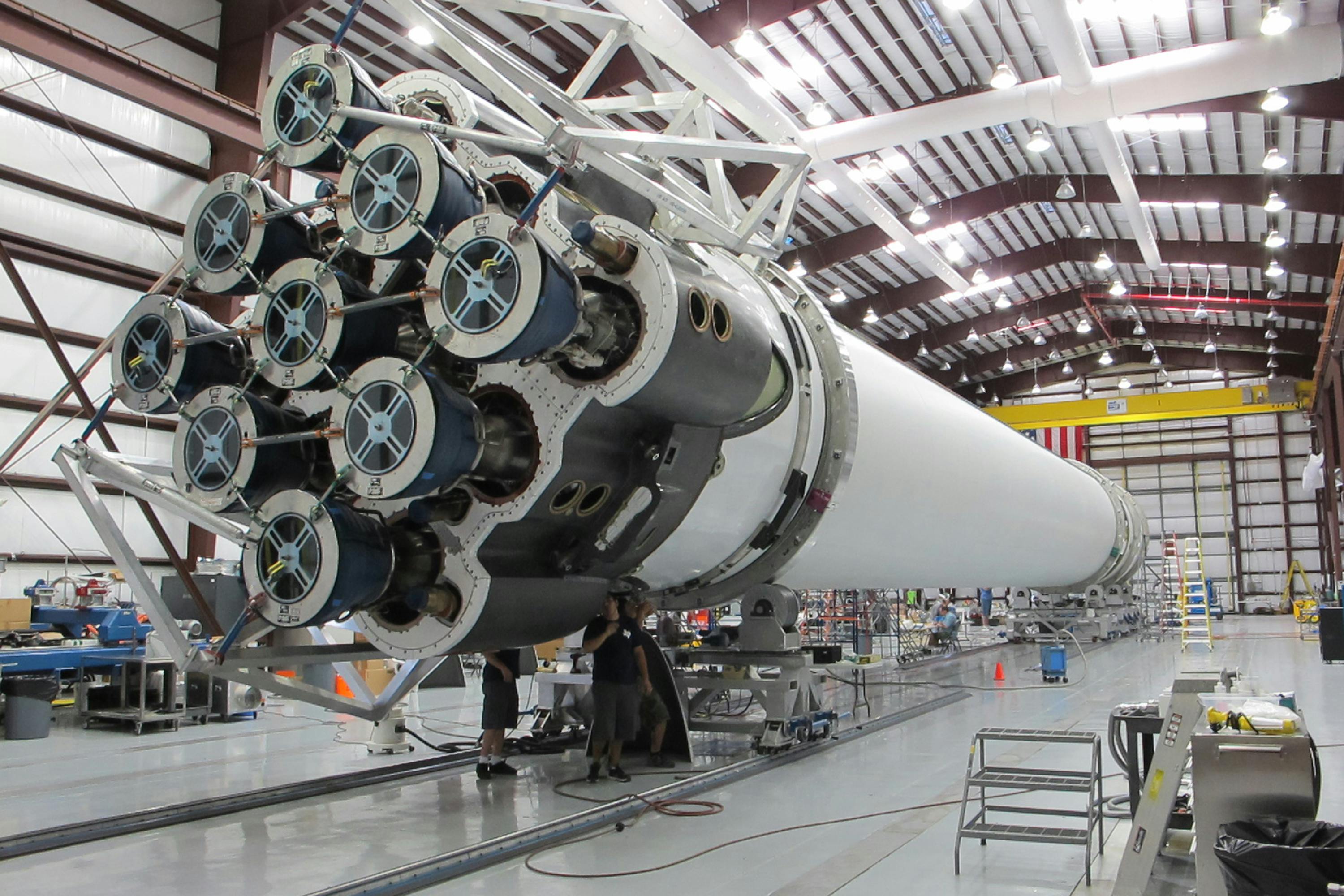
SpaceX ignited all 33 next-gen Raptor V3 engines on the Super Heavy booster at Starbase, Texas, marking a critical milestone toward the next Starship flight.
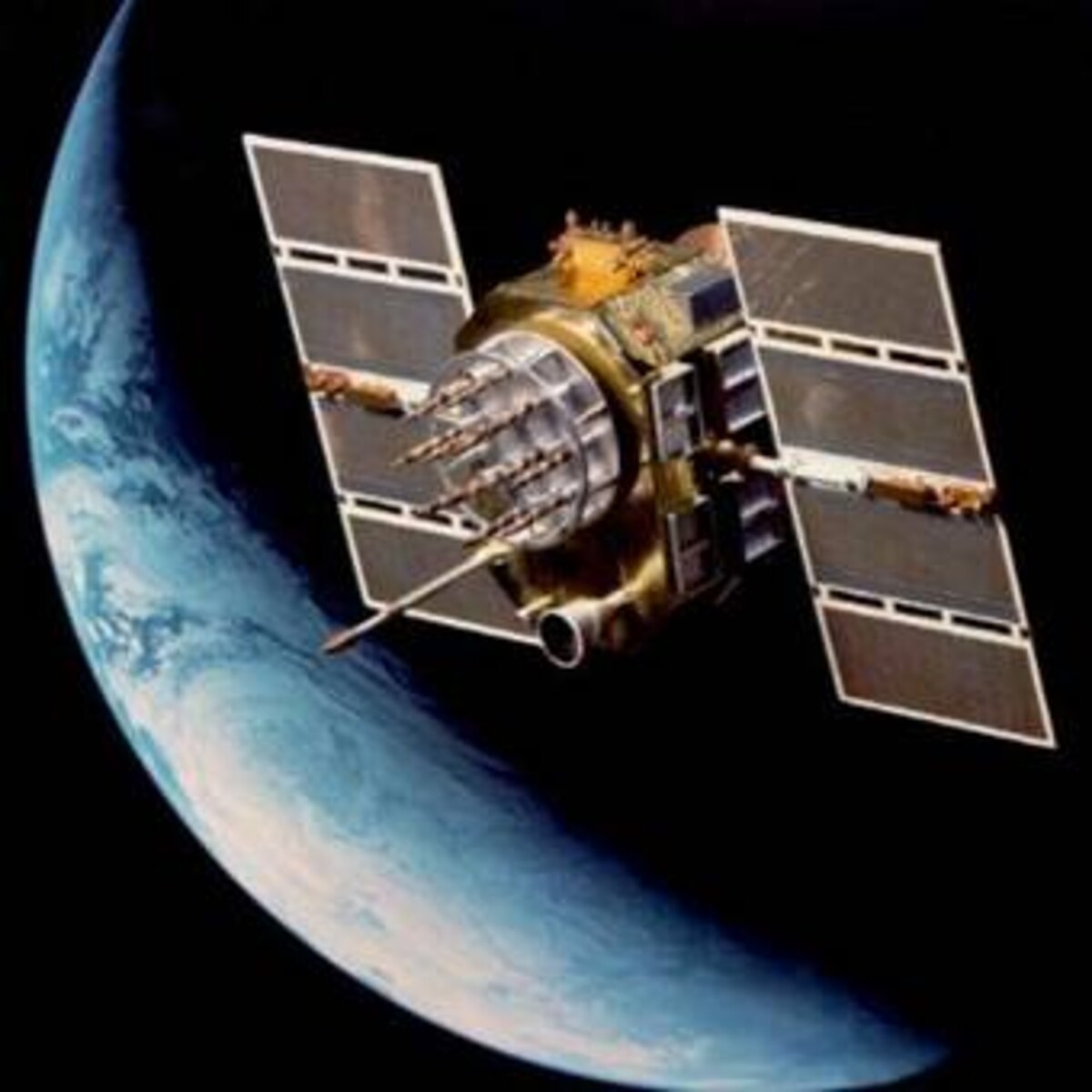
Forty-seven years ago, an Atlas rocket carried the first GPS satellite into orbit, launching a revolution in navigation that would transform daily life across the globe
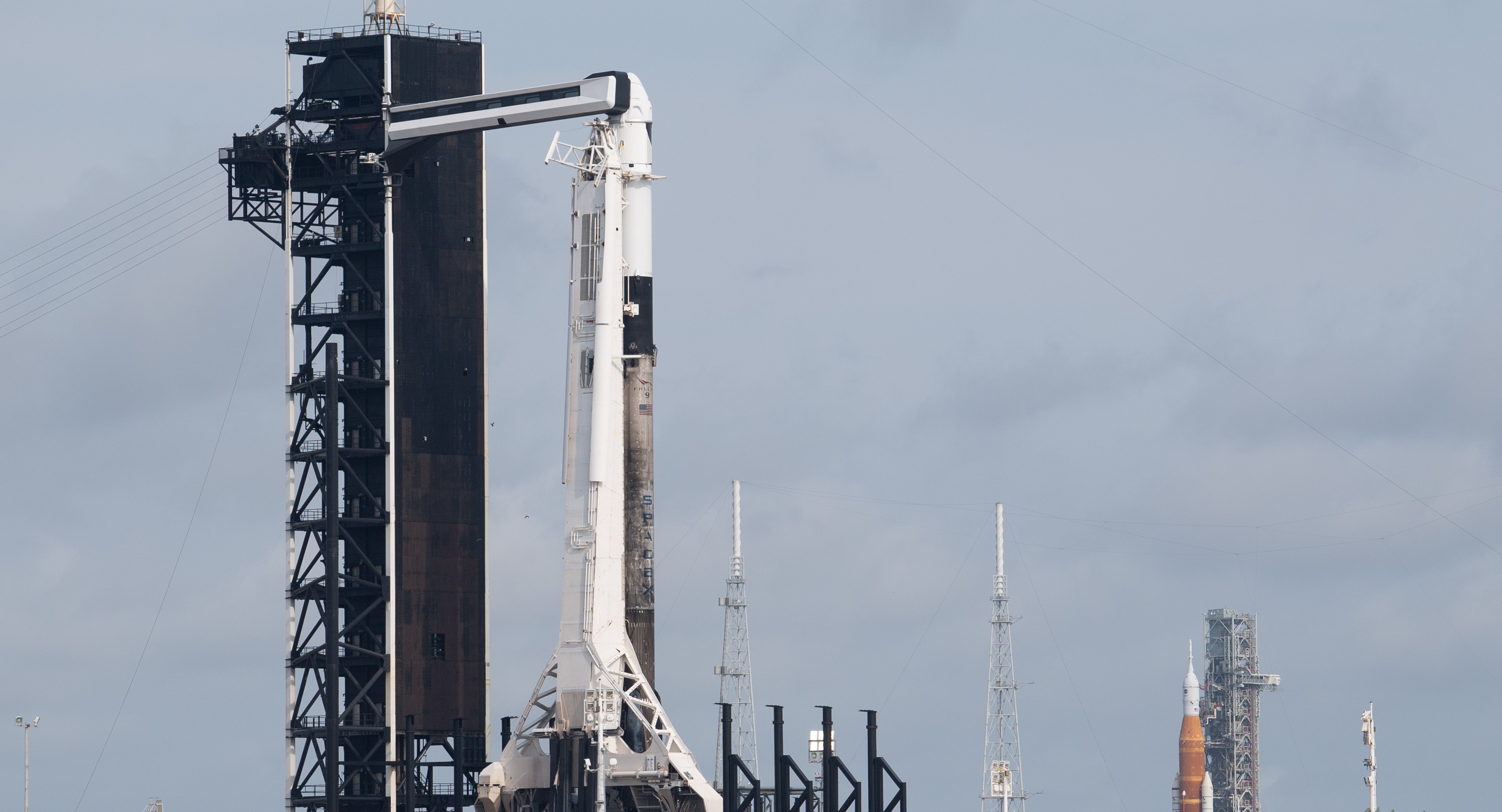
Discover lesser-known aspects of SpaceX's history, achievements, and innovations that have shaped the commercial space industry over the past two decades.

Today's Space Brief covers crucial satellite events including upcoming launches, military space developments, and exceptional celestial sightings.

Follow the complete Artemis II mission in KeepTrack's 3D tracker. Replay Orion's full flight path from launch through the lunar flyby to Pacific splashdown, and scrub to any moment of the ten-day mission.