

X Report 4 Jan 2025
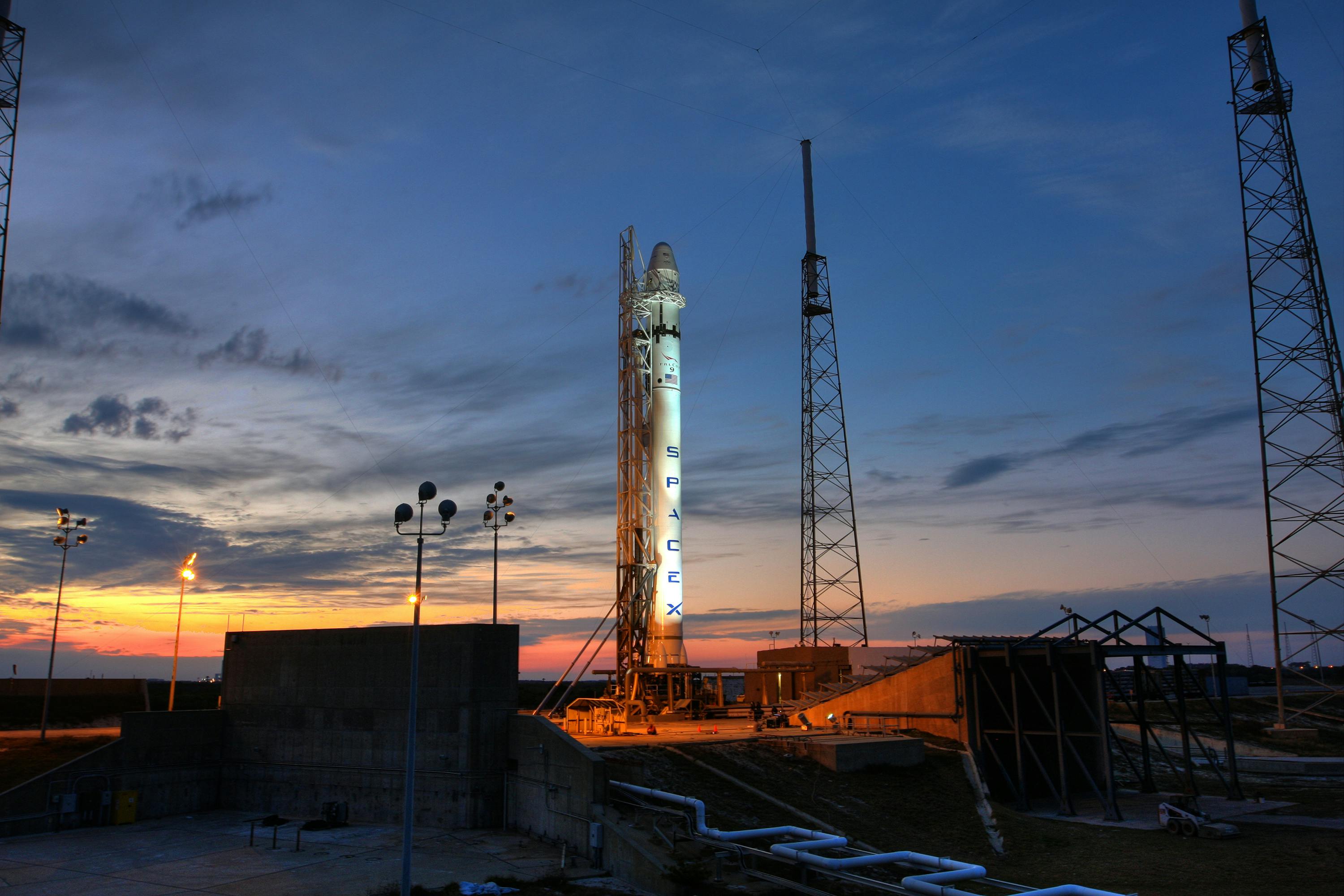
SpaceX kicks off 2025 with successful launches and a record-breaking outlook, aiming to maintain its market leadership amidst emerging competition.


Launch Date
July 3, 1985
Launch Site
PLMSC
Launch Pad
LC16/2
Launch Vehicle
Soyuz-U
NORAD ID
15877
International Designator
1985-057A
Decay Date
7/17/1985
Name
COSMOS 1665
Alternative Name
Kosmos-1665
Type
Status
Owner
GUKOS
Country
USSR
Constellation
N/A
Related Satellites
Major Events
N/A
Length
6
Diameter
2.2
Span
6
Dry Mass
2655
Launch Mass
2655
Shape
Sphere + DCone
Radar Cross Section
Unknown
Visual Magnitude
Unknown
Color
Unknown
Material Composition
Unknown
Payload
Oblik No. 319
Purpose
Reconnaissance, photo (film return type)
Mission
Reconnaissance, photo (film return type)
Manufacturer
TSSKB
Life Expectancy
Unknown
Bus
Oblik
Configuration
Zenit bus
Motor
11D82M; S5.120 (maneuver module)
Equipment
Unknown
Power System
Batteries
ADCS
Unknown
Transmitter Frequency
Unknown
Learn more about satellites and other related topics.
SpaceX kicks off 2025 with successful launches and a record-breaking outlook, aiming to maintain its market leadership amidst emerging competition.
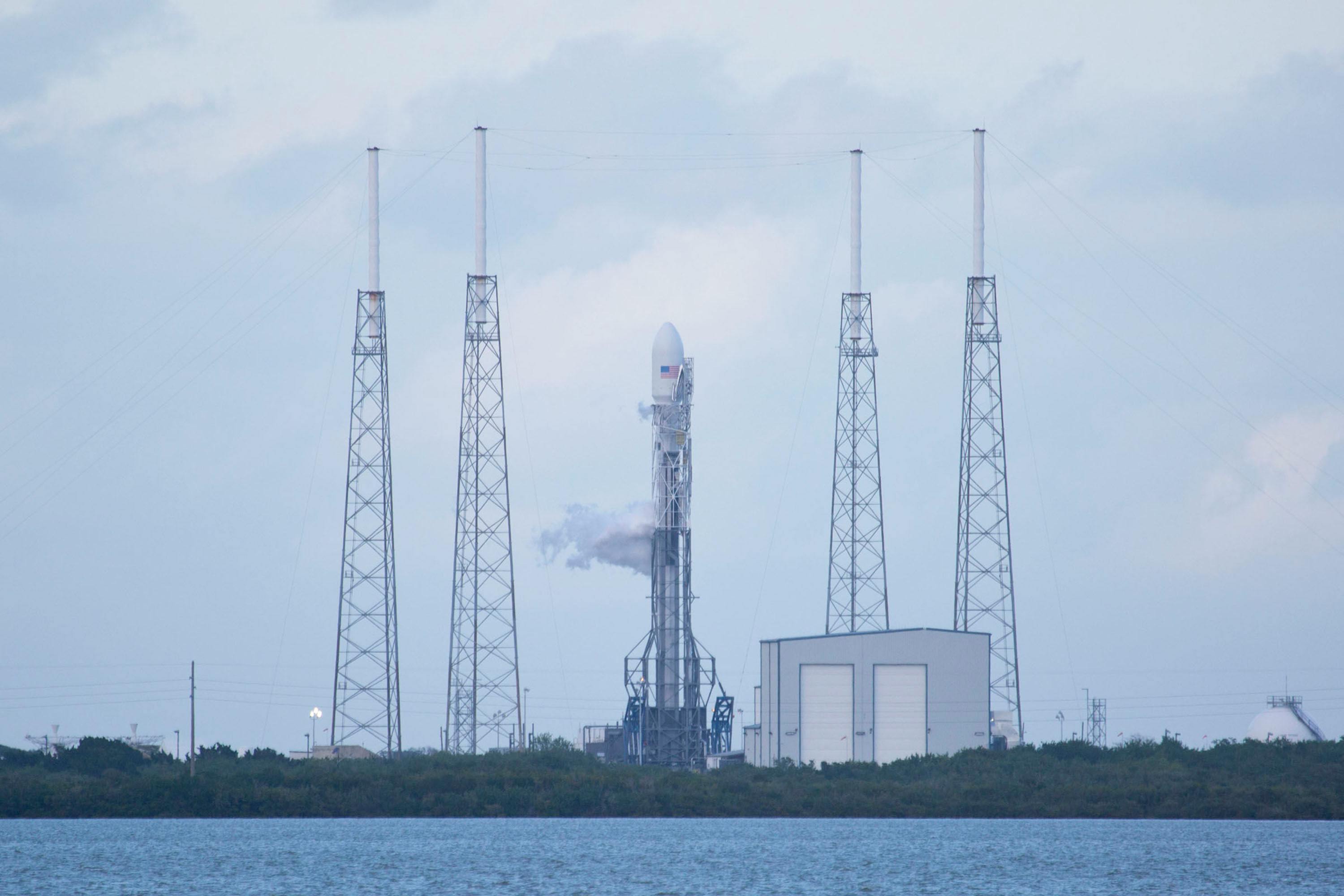
SpaceX achieves its 450th Falcon 9 launch, setting a new turnaround record, while its competitor ULA remains grounded, awaiting clearance from the Space Force.
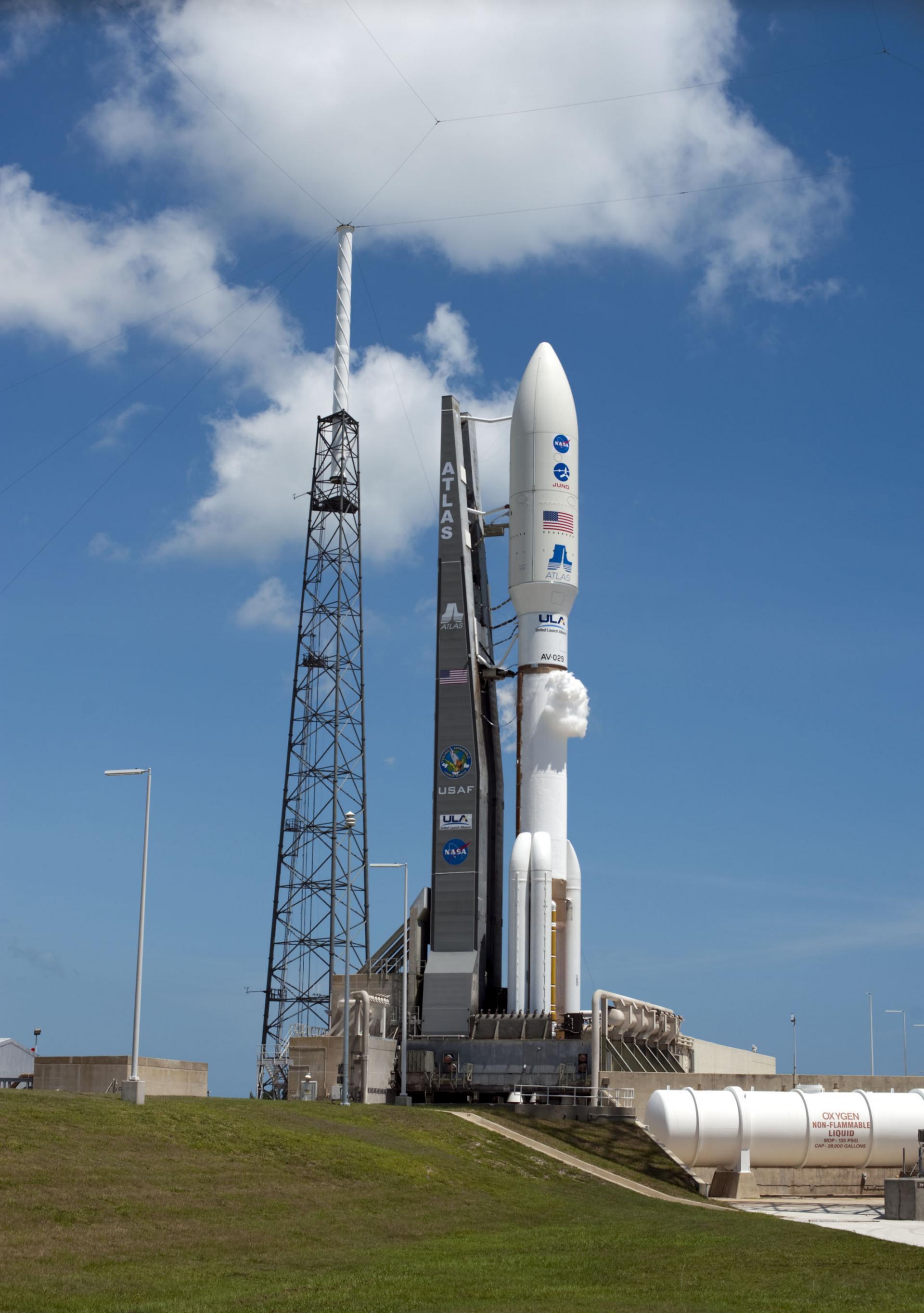
Today's brief covers closer military and intelligence space integration, new satellite servicing advancements, and more insightful defense and space news.
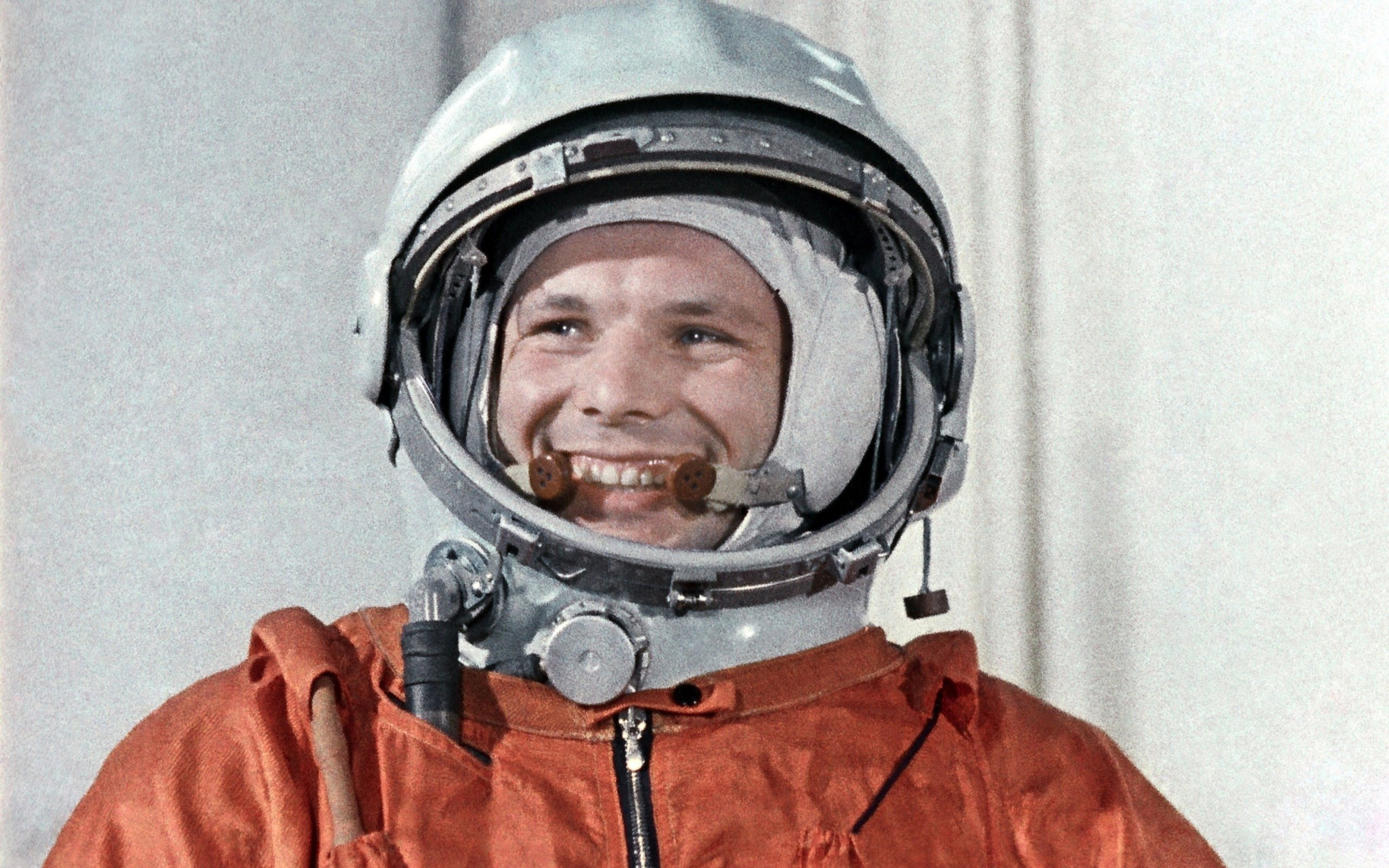
On April 12, 1961, a 27-year-old Soviet pilot rode a modified ICBM into orbit and came back alive after 108 minutes. Exactly twenty years later, two Americans climbed aboard an untested spacecraft covered in 31,000 ceramic tiles and bet their lives that the math was right.

SpaceX successfully launched another batch of Starlink satellites in a night mission, marking a significant return to evening launches post-regulations.

SpaceX secures $57 million military contract for Link-182 satellite crosslink demo supporting Golden Dome missile defense. Also joins software working group.
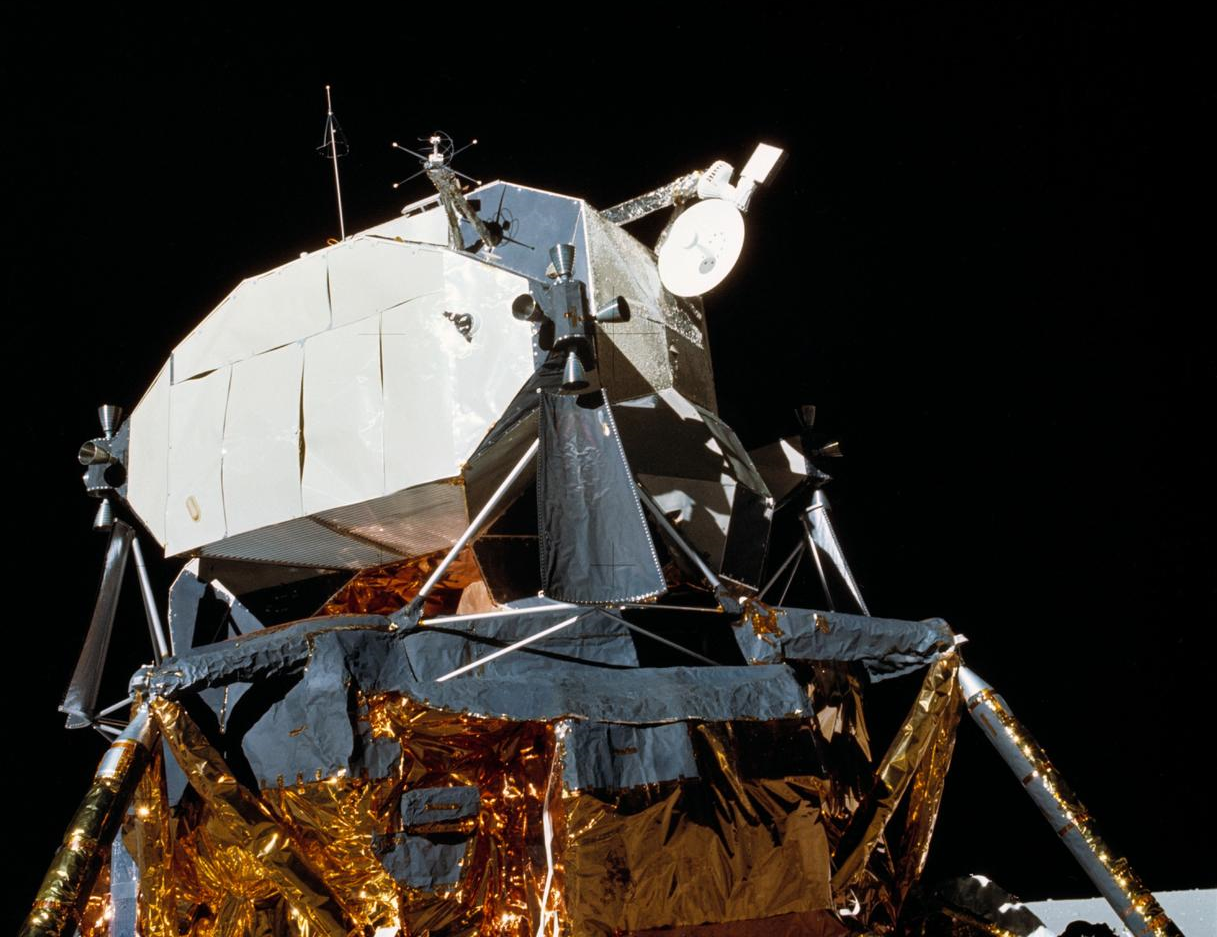
Six hours behind schedule, with a backup engine system shuddering in lunar orbit and mission controllers in Houston running out of options, Apollo 16 came within one meeting of being sent home without landing. The problem was a wobble in a gimbal. The solution was math done under pressure.

Discover the latest developments in hypersonic missile production, defense innovation strategies, and satellite infrastructure resilience impacting military operations.