


X Report 31 Jul 2025
Today's highlights include the ongoing Crew-11 mission launch and Starship preparations for its upcoming test flight.


Launch Date
June 13, 1985
Launch Site
PLMSC
Launch Pad
LC16/2
Launch Vehicle
Soyuz-U
NORAD ID
15871
International Designator
1985-046H
Decay Date
3/30/1986
Name
COSMOS 1659 DEB
Alternative Name
KDU part
Type
Status
Owner
GUKOS
Country
USSR
Constellation
N/A
Related Satellites
Major Events
N/A
Length
0
Diameter
0
Span
0
Dry Mass
0
Launch Mass
0
Shape
N/A
Radar Cross Section
3.16
Visual Magnitude
Unknown
Color
Unknown
Material Composition
Unknown
Payload
KDU part
Purpose
Unknown
Mission
Unknown
Manufacturer
TSSKB
Life Expectancy
Unknown
Bus
Zenit deb
Configuration
Unknown
Motor
Unknown
Equipment
Unknown
Power System
Unknown
ADCS
Unknown
Transmitter Frequency
Unknown
Learn more about satellites and other related topics.
Today's highlights include the ongoing Crew-11 mission launch and Starship preparations for its upcoming test flight.
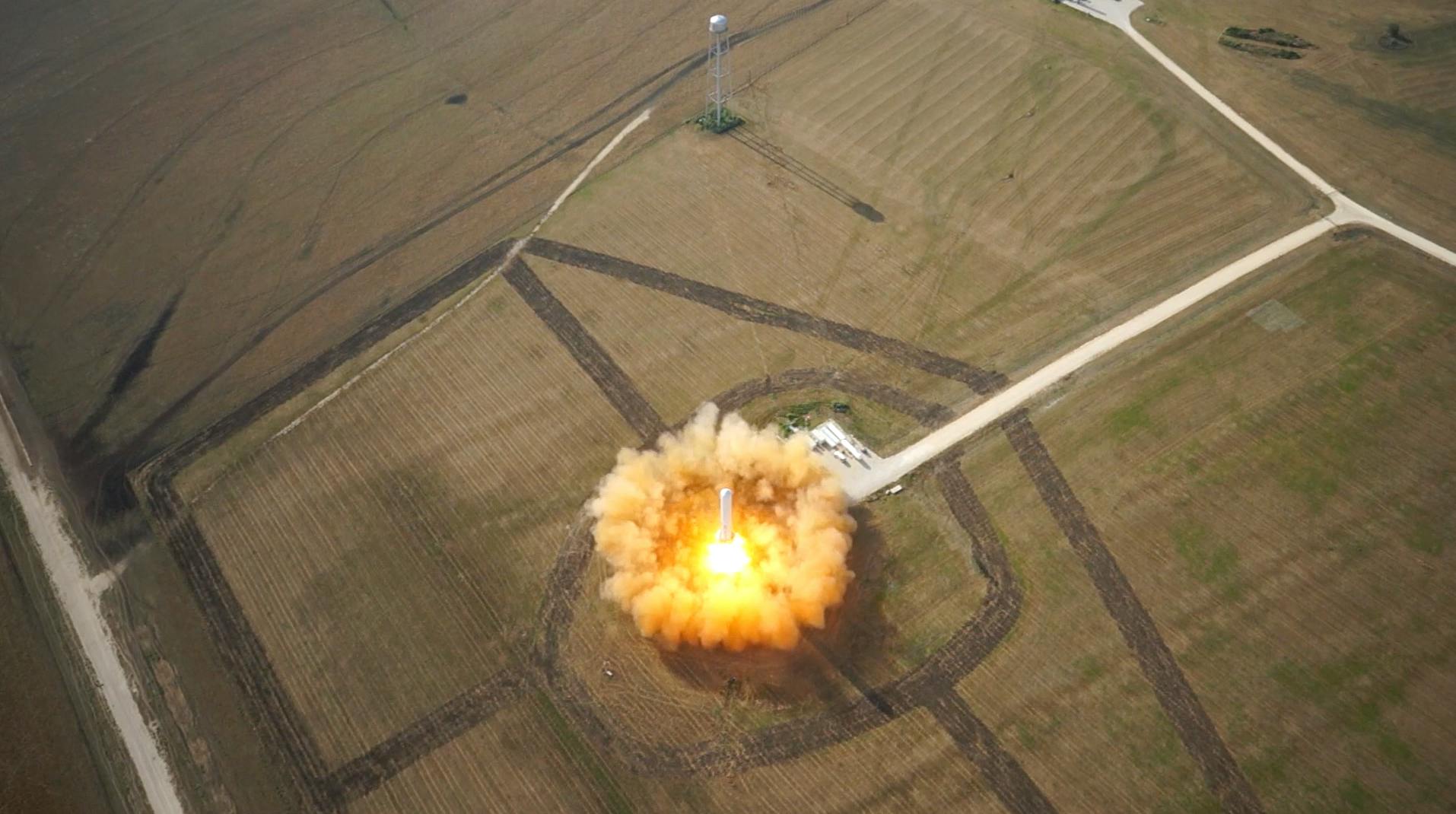
SpaceX achieves significant milestones with Starship and multiple launch missions, while Starlink connectivity expands through T-Mobile's beta program.
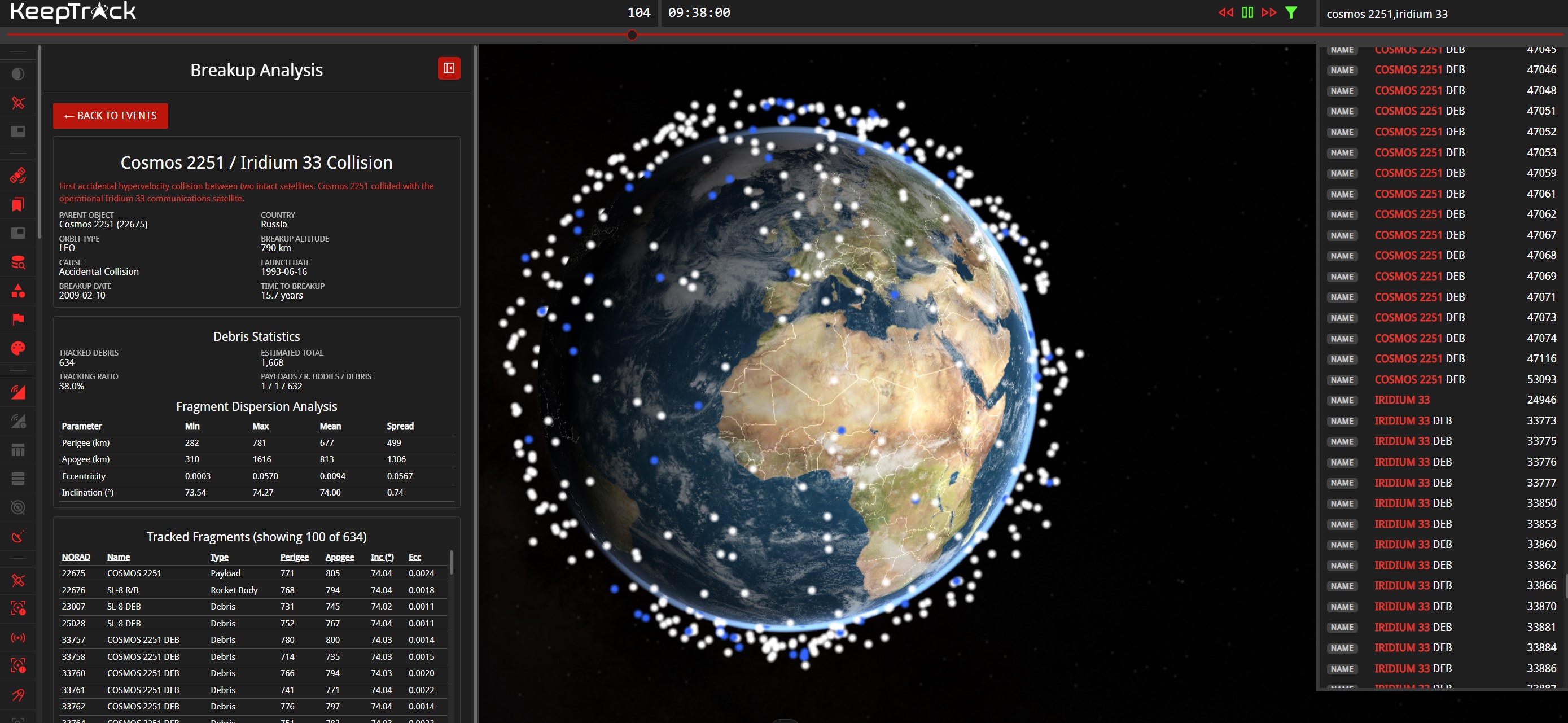
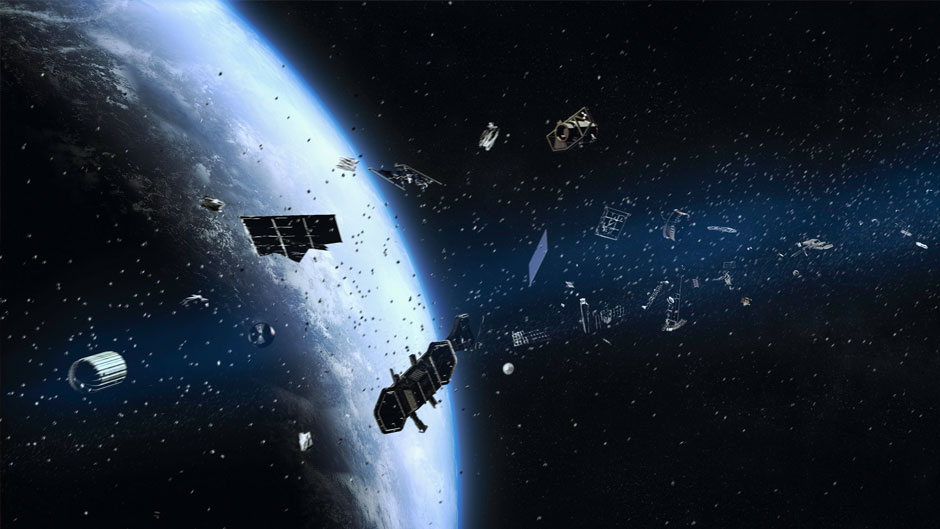
On February 10, 2009, an active Iridium communications satellite and a derelict Soviet military spacecraft slammed into each other 789 kilometers above Siberia. The collision produced more than 2,300 pieces of trackable debris that are still up there. Seventeen years later, the Iridium-Cosmos collision remains the event that made space debris a policy problem the world could no longer ignore.

Today's space brief covers NASA's shift to private companies for astronaut rescue, EU's potential collaboration with SES for satellite services, and notable military contract allocations. Plus, a satellite spotlight on LEMUR-2-KADI.

SpaceX successfully launched the NROL-48 mission, growing the National Reconnaissance Office's satellite fleet. Additionally, NASA introduced ten new astronaut candidates, increasing female representation in its ranks.

Blue Origin's New Glenn successfully reused its first stage booster for the first time on Mission 3, launching April 19. Booster reuse accelerates operational tempo.
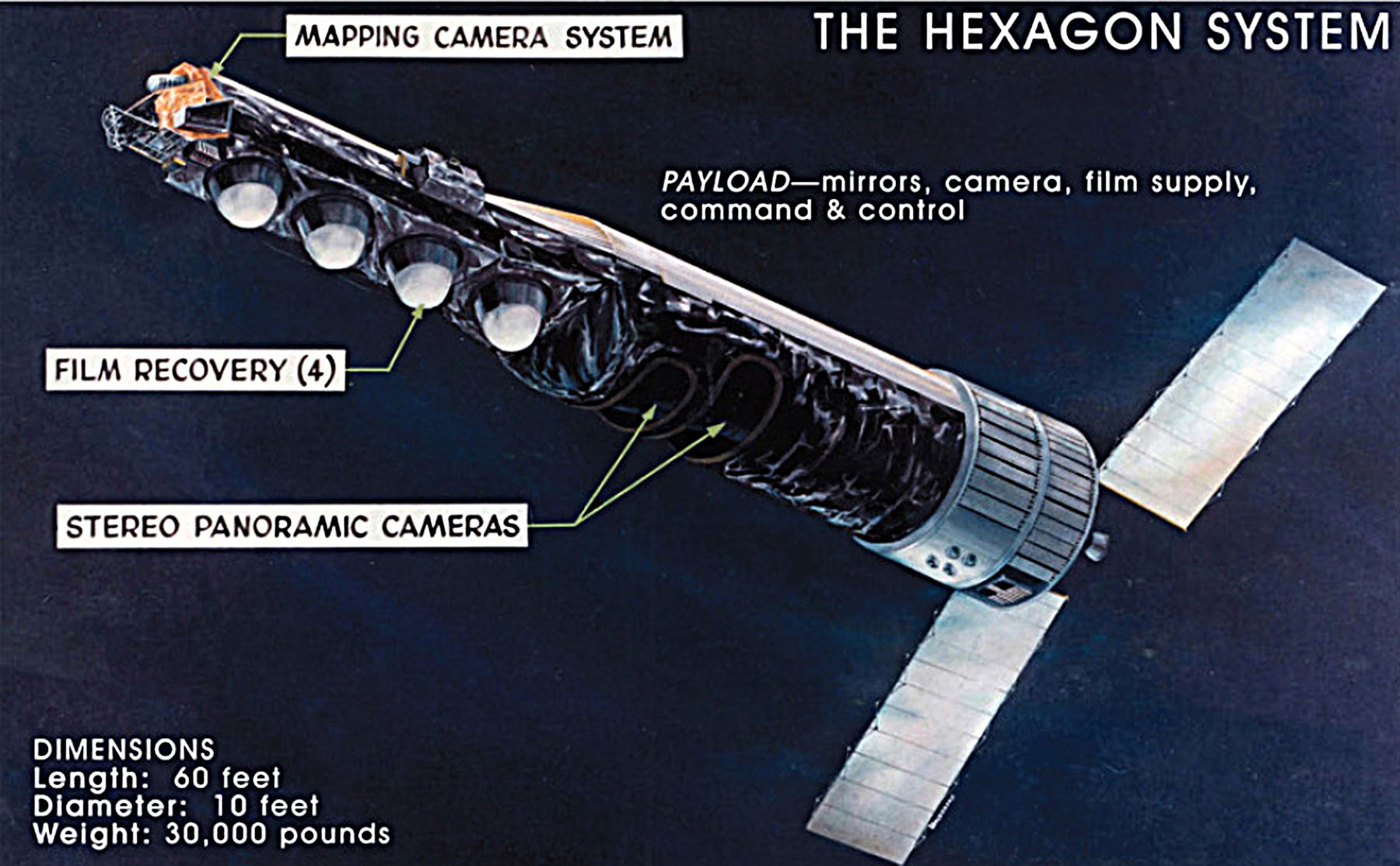
On January 20, 1972, the second KH-9 HEXAGON lifted off from Vandenberg - carrying the most sophisticated reconnaissance system ever built by engineers who weren't allowed to say 'film,' 'camera,' or even talk to each other about what they were doing.

SpaceX's Starlink 17-40 mission launches 24 satellites from Vandenberg SFB at 7:36 a.m. PDT, expanding the 10,705-satellite constellation.