

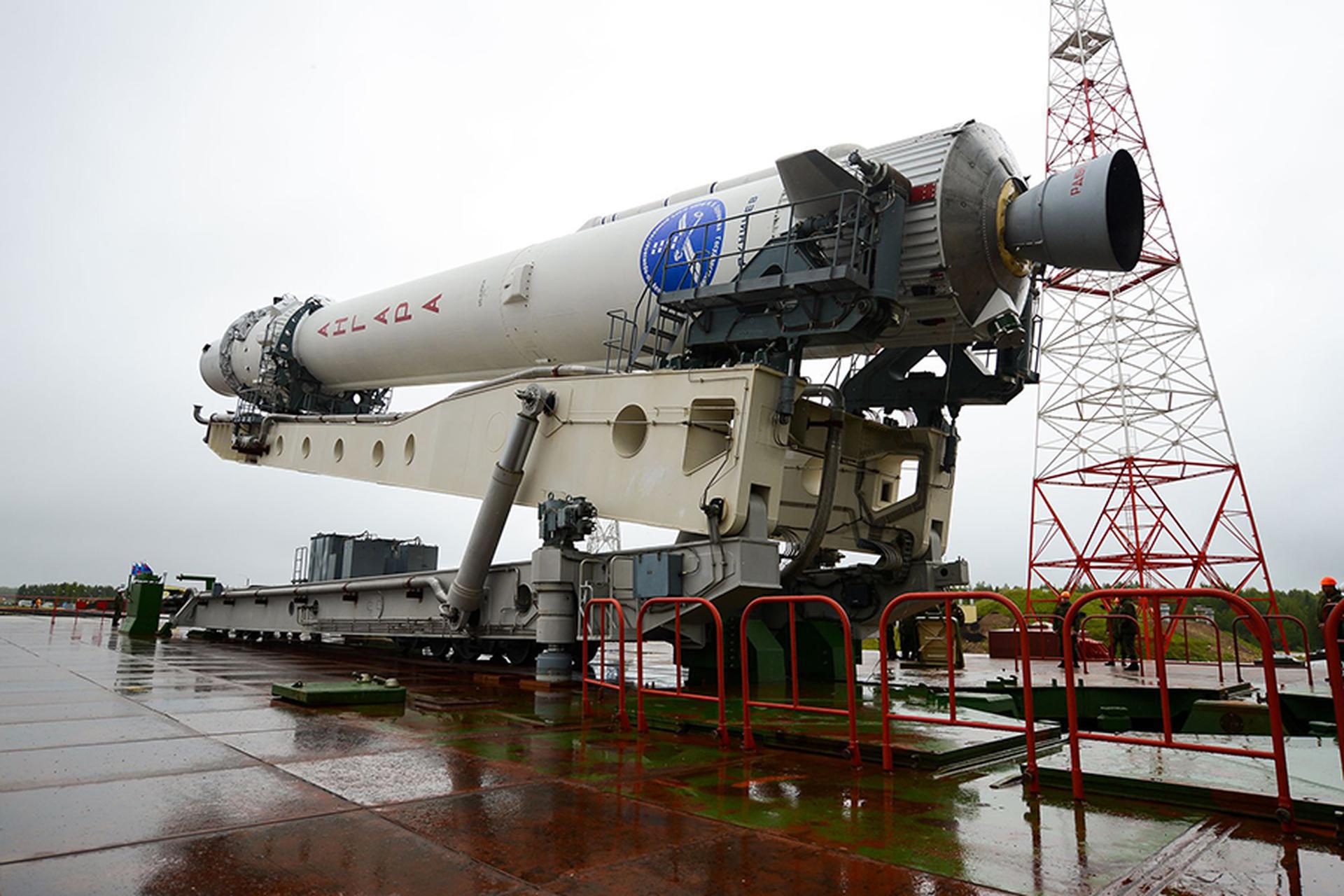
Space Brief 16 Nov 2025
Today's highlights include SpaceX's record-breaking Falcon 9 launches, Dream Chaser's testing success, and Blue Origin's latest New Glenn achievements.


Launch Date
June 21, 1985
Launch Site
Launch Pad
LC1
Launch Vehicle
Soyuz-U
NORAD ID
15838
International Designator
1985-051A
Decay Date
7/16/1985
Name
PROGRESS 24
Alternative Name
Progress-24
Type
Status
Owner
NPOE
Country
USSR
Constellation
N/A
Related Satellites
Major Events
N/A
Length
7.9
Diameter
2.7
Span
7.9
Dry Mass
4800
Launch Mass
7250
Shape
Sphere + Cone + Cyl + Pan
Radar Cross Section
297.89
Visual Magnitude
Unknown
Color
Unknown
Material Composition
Unknown
Payload
Progress 7K-TG No. 125
Purpose
Cargo
Mission
Cargo
Manufacturer
NPOE
Life Expectancy
Unknown
Bus
7K-TG
Configuration
Unknown
Motor
KTDU-80
Equipment
Unknown
Power System
Batteries
ADCS
Unknown
Transmitter Frequency
Unknown
Learn more about satellites and other related topics.
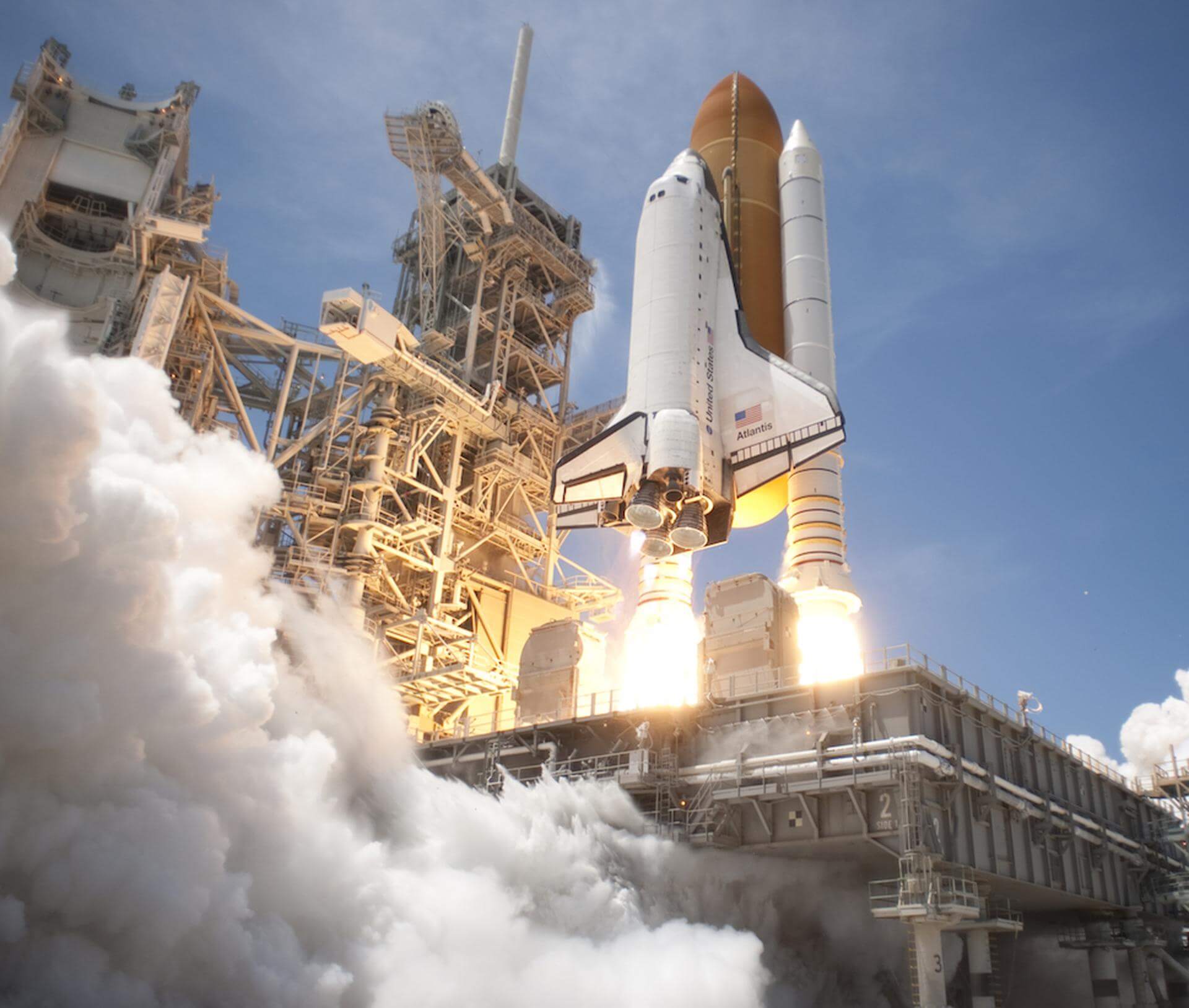
Today's highlights include SpaceX's record-breaking Falcon 9 launches, Dream Chaser's testing success, and Blue Origin's latest New Glenn achievements.
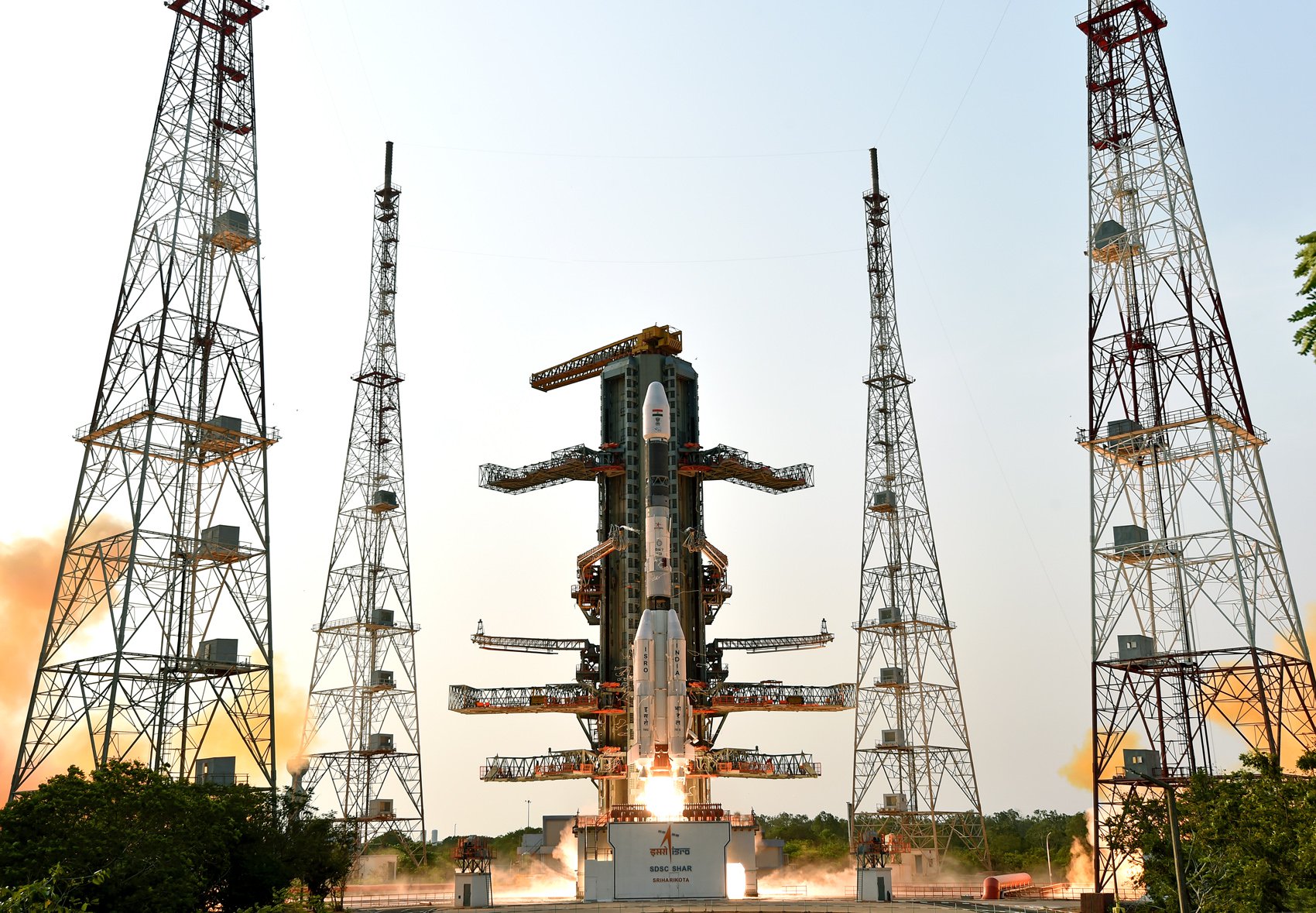
Brig. Gen. Gursharan Sandhoo double-hatted as SDA director and Space Force missile warning PAE head as Pentagon consolidates LEO satellite programs under new acquisition structure.
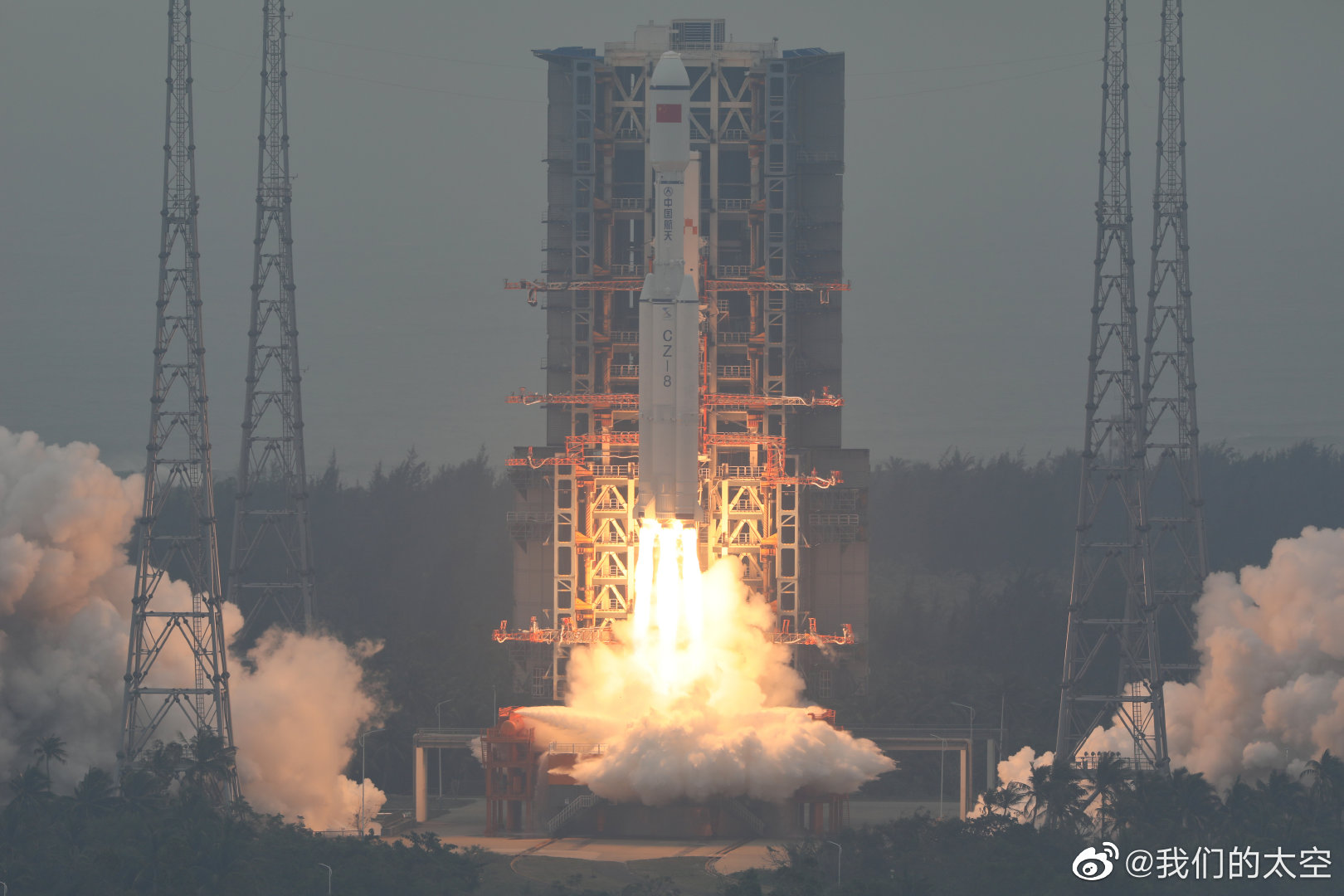
Today's brief covers new military space funding, intriguing scientific discoveries, and defense contracts impacting global military strategies.

Today's highlights include the ongoing Crew-11 mission launch and Starship preparations for its upcoming test flight.

SpaceX secures major contracts for U.S. national security launches, including multiple Falcon Heavy missions. Significant updates on Starlink deployments and the ongoing evolution of the company highlight a productive day in the space sector.
Today's highlights include the launch of a U.S. military satellite via SpaceX, a new French defense agreement for satellite services, and the Missile Defense Agency's successful ICBM target tracking with long-range radar.

Forty years ago today, Challenger lifted off LC-39A on a science mission that nobody outside Morton-Thiokol would call dangerous. Years later, after the orbiter and seven other astronauts were gone, investigators looked at the recovered boosters from STS-51B and realized the crew had come within a fraction of a second of dying first. This is the story of the launch that should have been a warning.

Today's brief covers key topics such as SpaceX's latest Starlink launch, the European Space Agency's new initiatives, and Space Force's integration of AI into its operations.