


X Report 4 Mar 2025
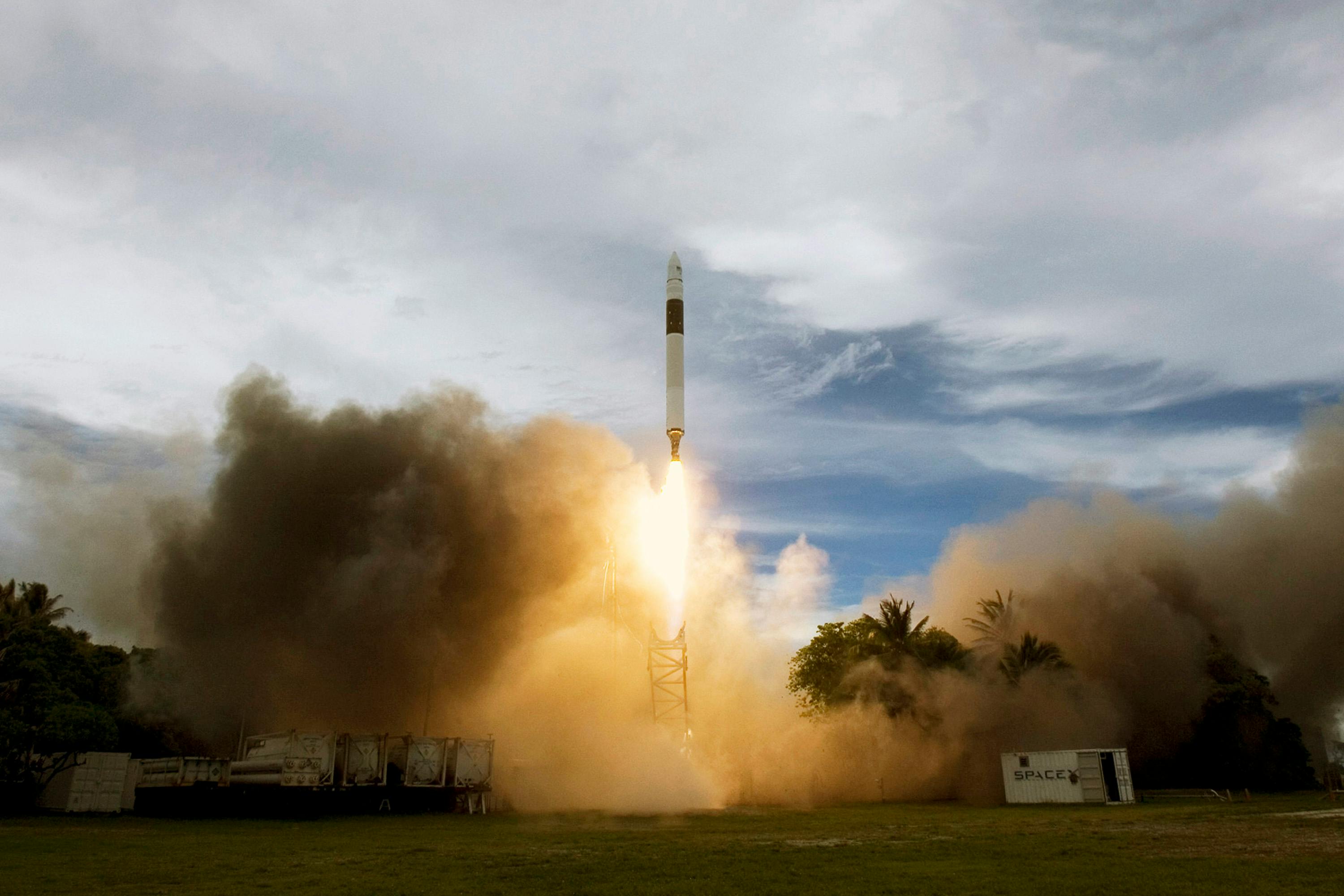
SpaceX faces a series of challenges with scrubbing the Starship Flight 8 launch and losing a Falcon 9 booster post-landing, while successfully deploying new Starlink satellites.


Launch Date
June 14, 1985
Launch Site
PLMSC
Launch Pad
LC32/1
Launch Vehicle
Tsiklon-3
NORAD ID
15821
International Designator
1985-047A
Epoch
Sat, 04 Jul 2026 05:00:59 GMT
Apogee
Calculating...
Perigee
Calculating...
Inclination
73.62°
Right Ascension
162.58°
Eccentricity
Calculating...
Argument of Perigee
42.21°
Period
116.05 min
Mean Motion
12.41 rev/day
Latitude
Calculating...
Longitude
Calculating...
Altitude
Calculating...
Velocity
Calculating...
Name
COSMOS 1660
Alternative Name
Kosmos-1660
Type
Status
Owner
NPOPM
Country
USSR
Constellation
N/A
Related Satellites
Major Events
N/A
1 15821U 85047A 26185.20901689 -.00000021 00000-0 -32077-4 0 9996
2 15821 73.6229 162.5842 0026738 42.2120 329.1287 12.40797868859593
Source: Celestrak
Length
5.8
Diameter
2.4
Span
17.8
Dry Mass
1556
Launch Mass
1556
Shape
Cyl + 2 Pan + Ant
Radar Cross Section
9.8473
Visual Magnitude
Unknown
Color
Unknown
Material Composition
Unknown
Payload
Musson No. 17L
Purpose
Geodesy
Mission
Geodesy
Manufacturer
NPOPM
Life Expectancy
1 - 2 years
Bus
KAUR-1 11F666
Configuration
KAUR-1
Motor
Unknown
Equipment
Unknown
Power System
8 deployable fixed solar arrays, solar cells, batteries
ADCS
Unknown
Transmitter Frequency
Unknown
Learn more about satellites and other related topics.
SpaceX faces a series of challenges with scrubbing the Starship Flight 8 launch and losing a Falcon 9 booster post-landing, while successfully deploying new Starlink satellites.
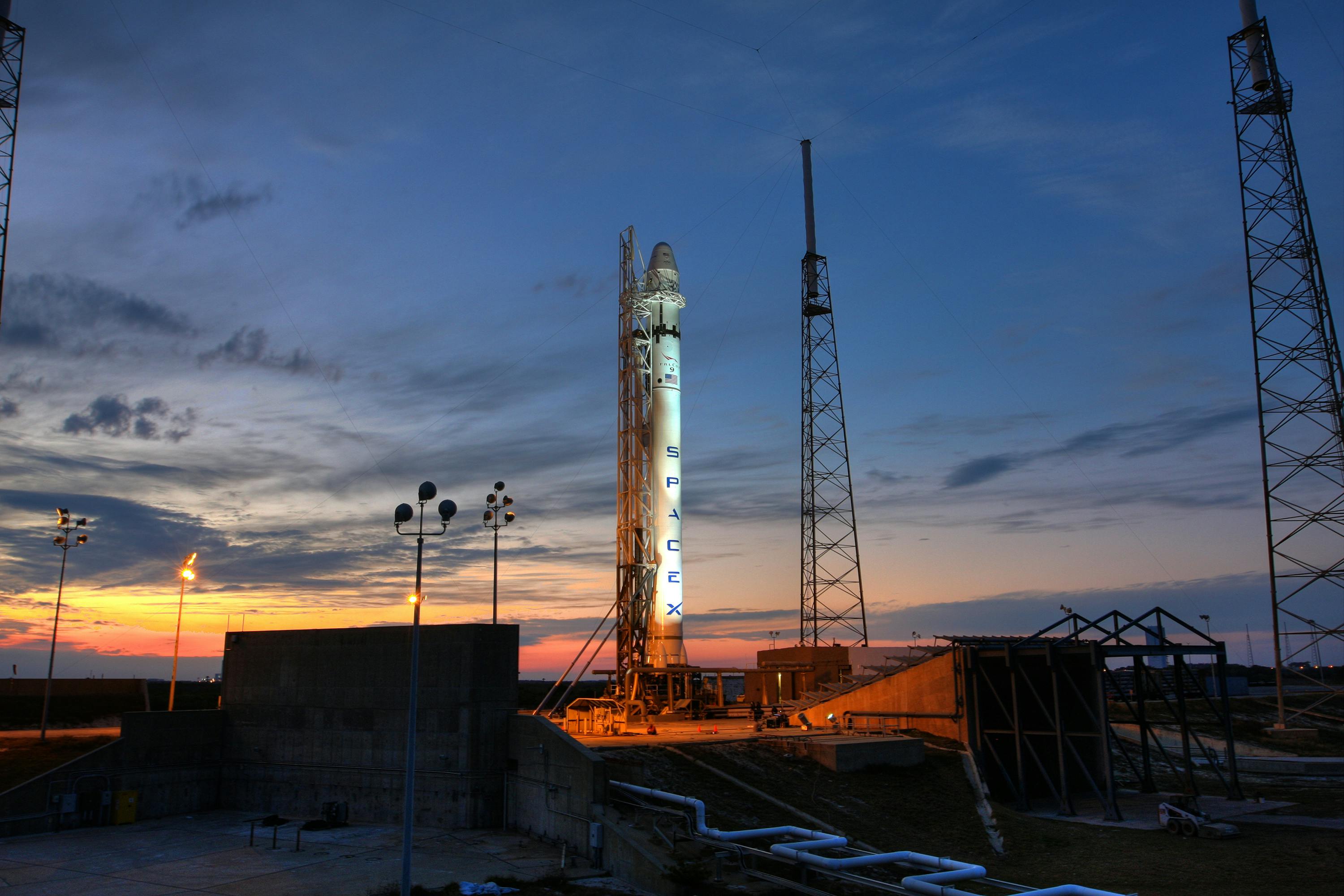
SpaceX successfully launched 28 Starlink satellites, marking a significant milestone with its 500th orbital mission. Both launches underscore the company's commitment to expanding its satellite internet constellation and solidifying its position in the space industry.

Artemis 2 splashdown marks first crewed lunar flyby since Apollo 17 in 1972. Four astronauts completed historic mission, validating systems for Artemis 3 landing attempt.
Kratos awarded $447 million Space Force contract for Resilient Missile Warning Tracking ground ops center in Medium Earth Orbit, shifting missile detection away from vulnerable GEO satellites.
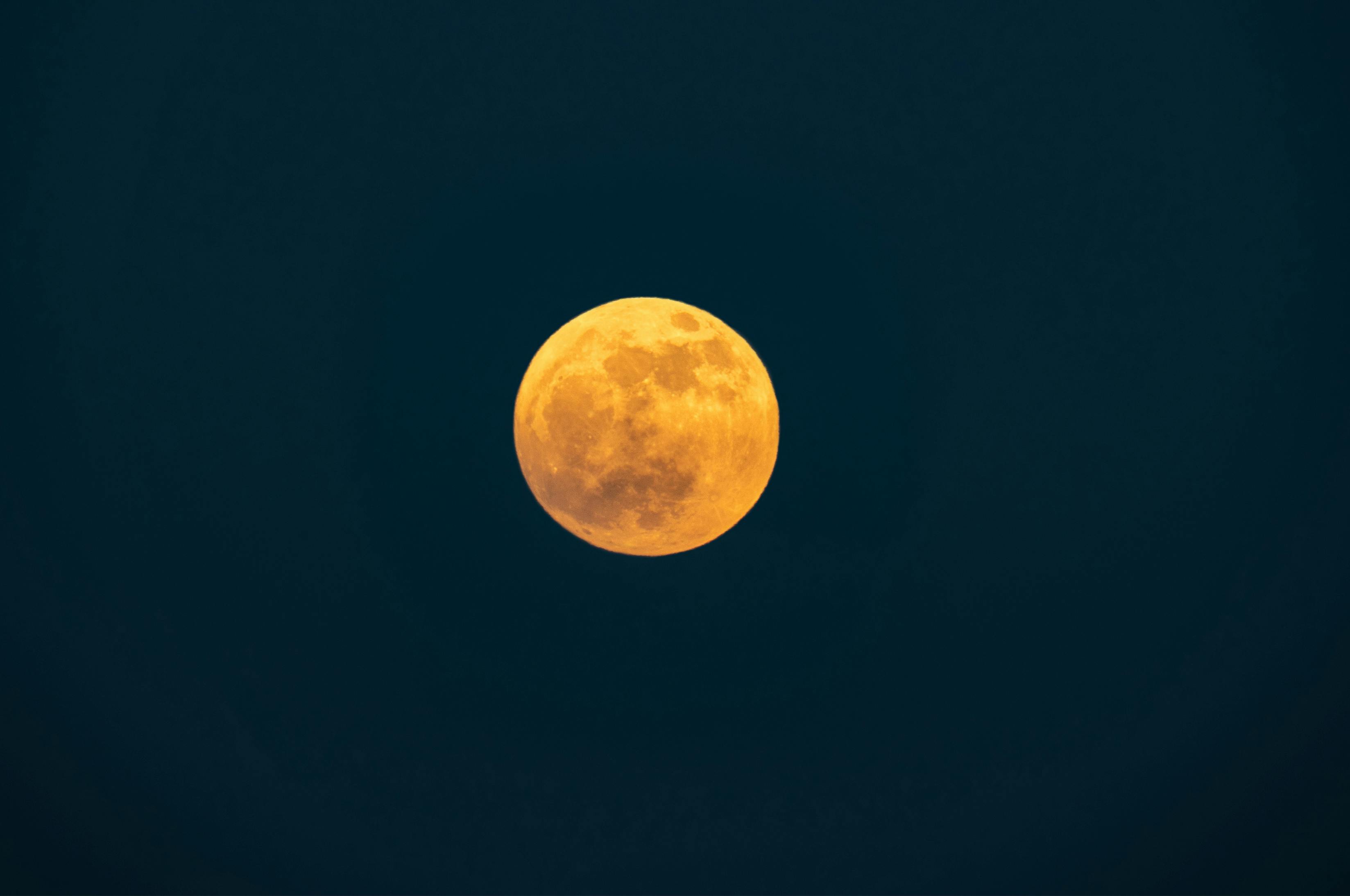
Today's Space Brief covers crucial satellite events including upcoming launches, military space developments, and exceptional celestial sightings.

Today's brief covers the new Space Force operations doctrine, international defense collaborations by the UAE, and satellite tracking technology innovations.

Space debris poses a mounting threat to both satellites and space missions. As we send more objects into orbit, the likelihood of collisions and subsequent breakups producing dangerous space debris increases. Recognizing the major events that have generated this dangerous space junk is pivotal in ensuring the safety of future space missions.
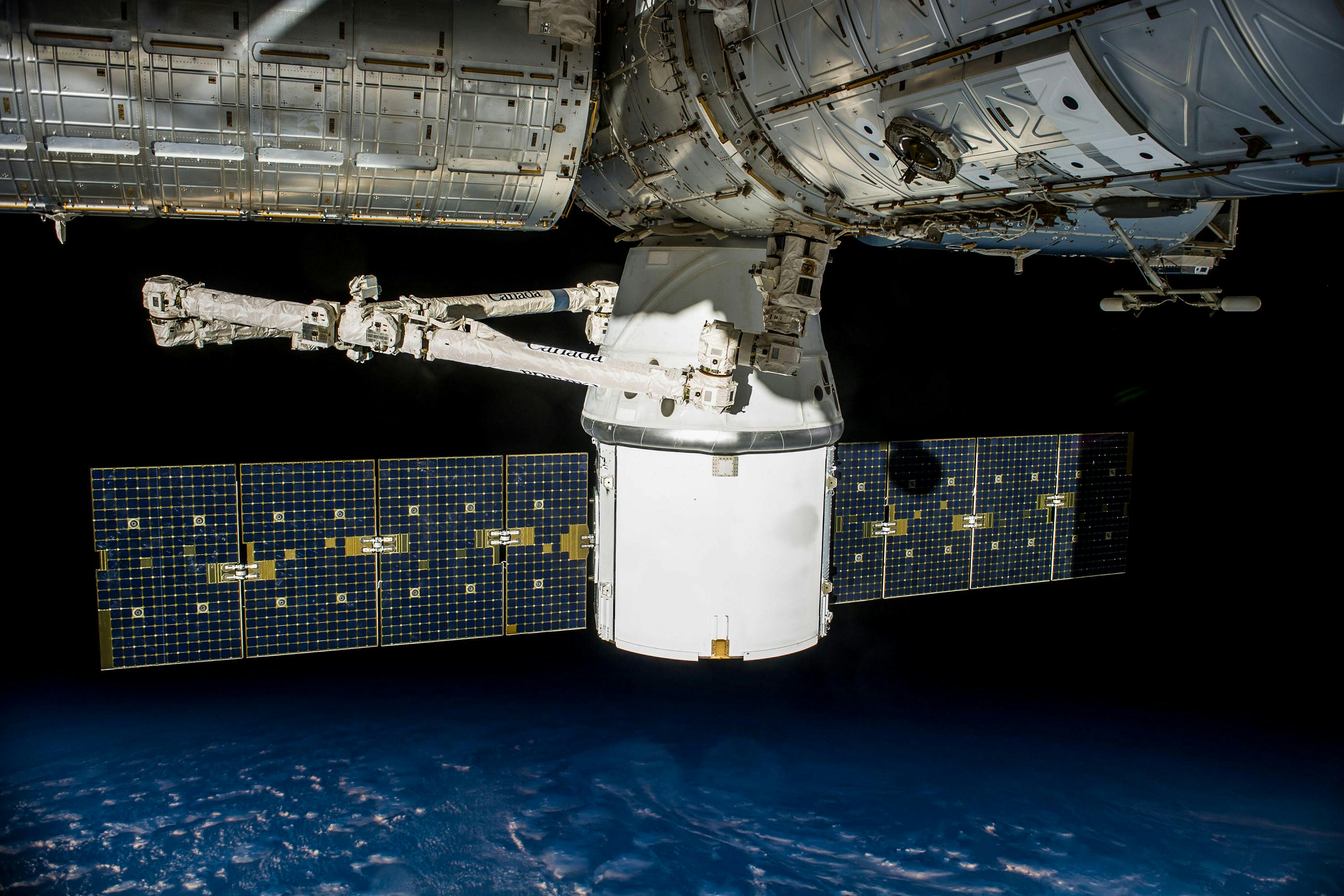
Cape Canaveral launch site activities intensify; SpaceX explores new subscription model for Trump's Golden Dome.