COSMOS 1658 (15808)

COSPAR: 1985-045A | Alt Name: Kosmos-1658
DECAYED

Image
COSMOS 1658 Satellite Image
Additional Sources
Launch Details

Launch Date

June 11, 1985

Launch Site

PLMSC

Launch Pad

LC41/1

Launch Vehicle

Molniya 8K78M

Orbital Elements

NORAD ID

15808

International Designator

1985-045A

Decay Date

11/12/2005

Basic Satellite Info

Name

COSMOS 1658

Alternative Name

Kosmos-1658

Type

Payload

Status

Decayed

Owner

PVO

Country

USSR

Constellation

N/A

Related Satellites

Major Events

N/A

Summary
COSMOS 1658, also known as Kosmos-1658, is an early warning satellite launched by the Soviet Union on June 11, 1985. It was part of the Oko program and manufactured by NPO Lavochkin (NPOL/KOMET). The spacecraft has dimensions of 4 meters in length, a diameter of 2 meters, and a span of 5 meters when its deployable fixed solar arrays are extended. Its dry mass is 1150 kg, with a launch mass of 1250 kg. Launched from the Plesetsk Cosmodrome (PLMSC) using the Molniya 8K78M vehicle from launch pad LC41/1, COSMOS 1658's mission was to provide early warning capabilities for its operator, the Soviet Air Defence Forces (PVO). The satellite is described as having a cylindrical shape with two panoramic sections and has an RCS of 10.9427 square meters. Power is provided by solar arrays and batteries, while its primary payload consists of the Oko 73D6 No. 6031 early warning equipment.
Physical Characteristics

Length

4

Diameter

2

Span

5

Dry Mass

1150

Launch Mass

1250

Shape

Cyl + 2 Pan

Radar Cross Section

10.9427

Visual Magnitude

Unknown

Color

Unknown

Material Composition

Unknown

Technical Details

Payload

Oko 73D6 No. 6031

Purpose

Early warning

Mission

Early warning

Manufacturer

NPOL/KOMET

Life Expectancy

Unknown

Bus

Oko

Configuration

Unknown

Motor

Unknown

Equipment

Unknown

Power System

2 deployable fixed solar arrays, batteries

ADCS

Unknown

Transmitter Frequency

Unknown

Satellite Articles

View All Posts »

Learn more about satellites and other related topics.

The Day Two Astronauts Proved We Could Reach the Moon

The Day Two Astronauts Proved We Could Reach the Moon

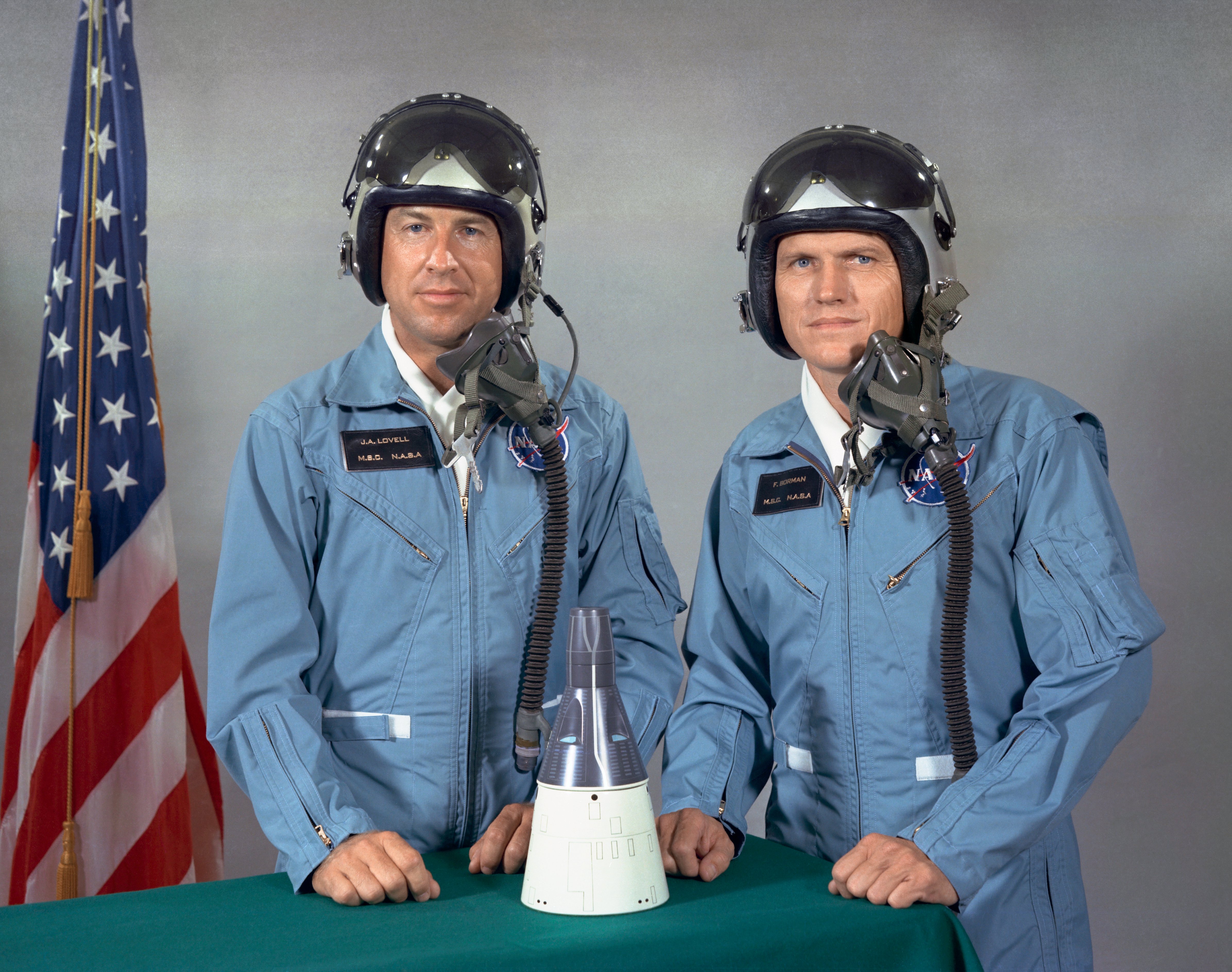
Sixty years ago, Frank Borman and James Lovell launched aboard Gemini 7 for a grueling 14-day mission that would prove humans could endure the journey to the moon and achieve the first true rendezvous in space

SpaceX Acquires xAI, Starlink Bypasses Iran Internet Blackouts | KeepTrack Space Brief

SpaceX Acquires xAI, Starlink Bypasses Iran Internet Blackouts | KeepTrack Space Brief

SpaceX acquires xAI to develop orbital data centers. Starlink terminals bypass Iran's government internet blackouts. Blue Origin escalates defense procurement criticism.

X Report 28 Feb 2025

X Report 28 Feb 2025

SpaceX postpones Starship Flight 8, successfully launches Starlink satellites and two lunar missions.

Space Brief 10 Mar 2025

Space Brief 10 Mar 2025

Today's briefing covers significant events, including advancements in US missile warning systems, SpaceX's Florida Starship plans, a European rocket's success, and NASA's upcoming missions.

X Report 27 Oct 2025

X Report 27 Oct 2025

SpaceX achieves a significant milestone with over 10,000 satellites launched, the West Coast welcomes Falcon Heavy launches, and developments around Artemis 3 prompt competitive discourse.

New Glenn Upper Stage Fails, BlueBird 7 Lost, Space Brief 20 Apr 2026

New Glenn Upper Stage Fails, BlueBird 7 Lost, Space Brief 20 Apr 2026

New Glenn's upper stage malfunctioned April 19, stranding AST SpaceMobile's BlueBird 7; the satellite is lost. Vulcan may fly without solid boosters.

Artemis 2 Crew First Lunar-Bound Humans Since 1972 | KeepTrack Space Brief

Artemis 2 Crew First Lunar-Bound Humans Since 1972 | KeepTrack Space Brief

Artemis 2 Orion carries first humans toward the Moon in 53 years. Spacecraft in good health after trans-lunar injection; lunar flyby observation plan due April 6.

Artemis 2 Crew Arrives for April 1 Lunar Flyby Launch | KeepTrack Space Brief

Artemis 2 Crew Arrives for April 1 Lunar Flyby Launch | KeepTrack Space Brief

Artemis 2 astronauts arrive at KSC for April 1 launch. Four-person crew will fly lunar free-return trajectory, first crewed lunar mission since Apollo 17 in 1972.