

Space Brief 22 Oct 2025
Today's briefing covers space-based missile defense, AI maritime surveillance, and new governmental shifts impacting the defense sector.


Launch Date
May 7, 1983
Launch Site
Launch Pad
LC90
Launch Vehicle
Tsiklon-2
NORAD ID
15797
International Designator
1983-044BC
Decay Date
2/4/1989
Name
COSMOS 1461 DEB
Alternative Name
deb Kosmos-1461
Type
Status
Owner
VMF
Country
USSR
Constellation
N/A
Related Satellites
Major Events
N/A
Length
0
Diameter
0
Span
0
Dry Mass
0
Launch Mass
0
Shape
N/A
Radar Cross Section
0.0727
Visual Magnitude
Unknown
Color
Unknown
Material Composition
Unknown
Payload
Unknown
Purpose
Unknown
Mission
Unknown
Manufacturer
Unknown
Life Expectancy
Unknown
Bus
Unknown
Configuration
Unknown
Motor
Unknown
Equipment
Unknown
Power System
Unknown
ADCS
Unknown
Transmitter Frequency
Unknown
Learn more about satellites and other related topics.
Today's briefing covers space-based missile defense, AI maritime surveillance, and new governmental shifts impacting the defense sector.
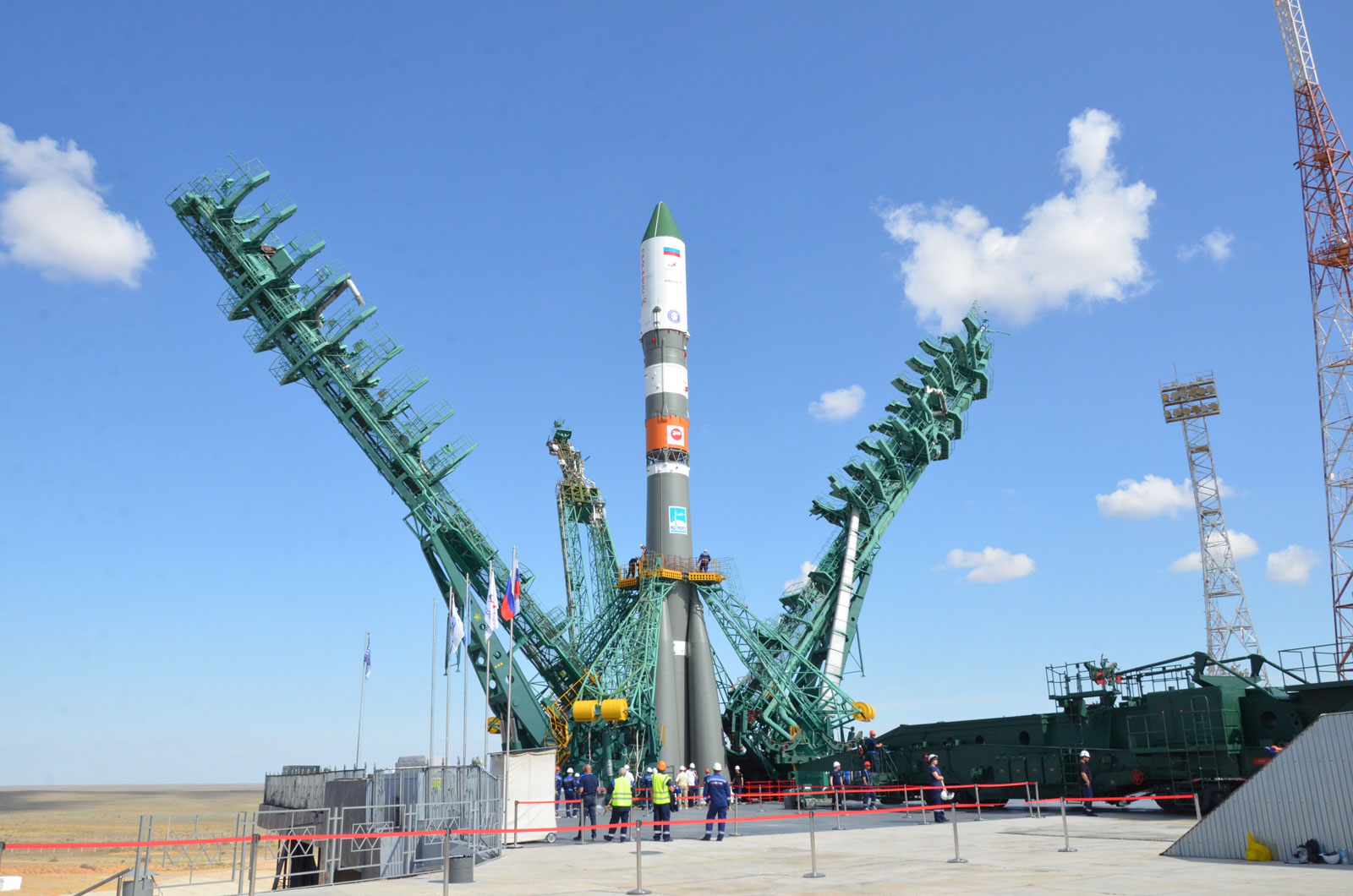
Northrop Grumman takes $71M charge over Vulcan solid rocket booster anomaly, grounding ULA's vehicle. Vulcan manifest timelines now in holding pattern pending resolution.
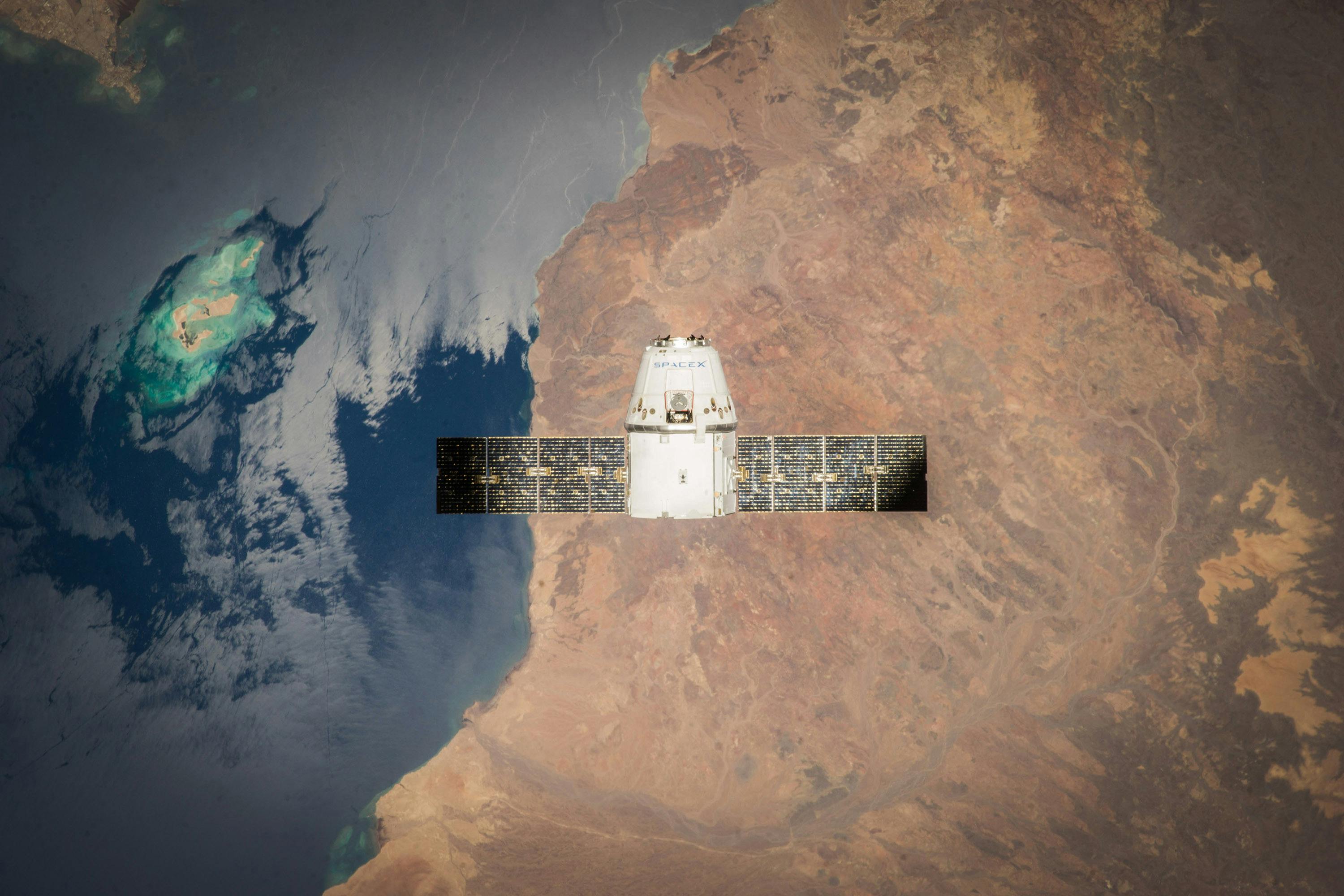
SpaceX executes dual Starlink launches and secures Dragonfly mission contract while managing NRO satellite deployment.
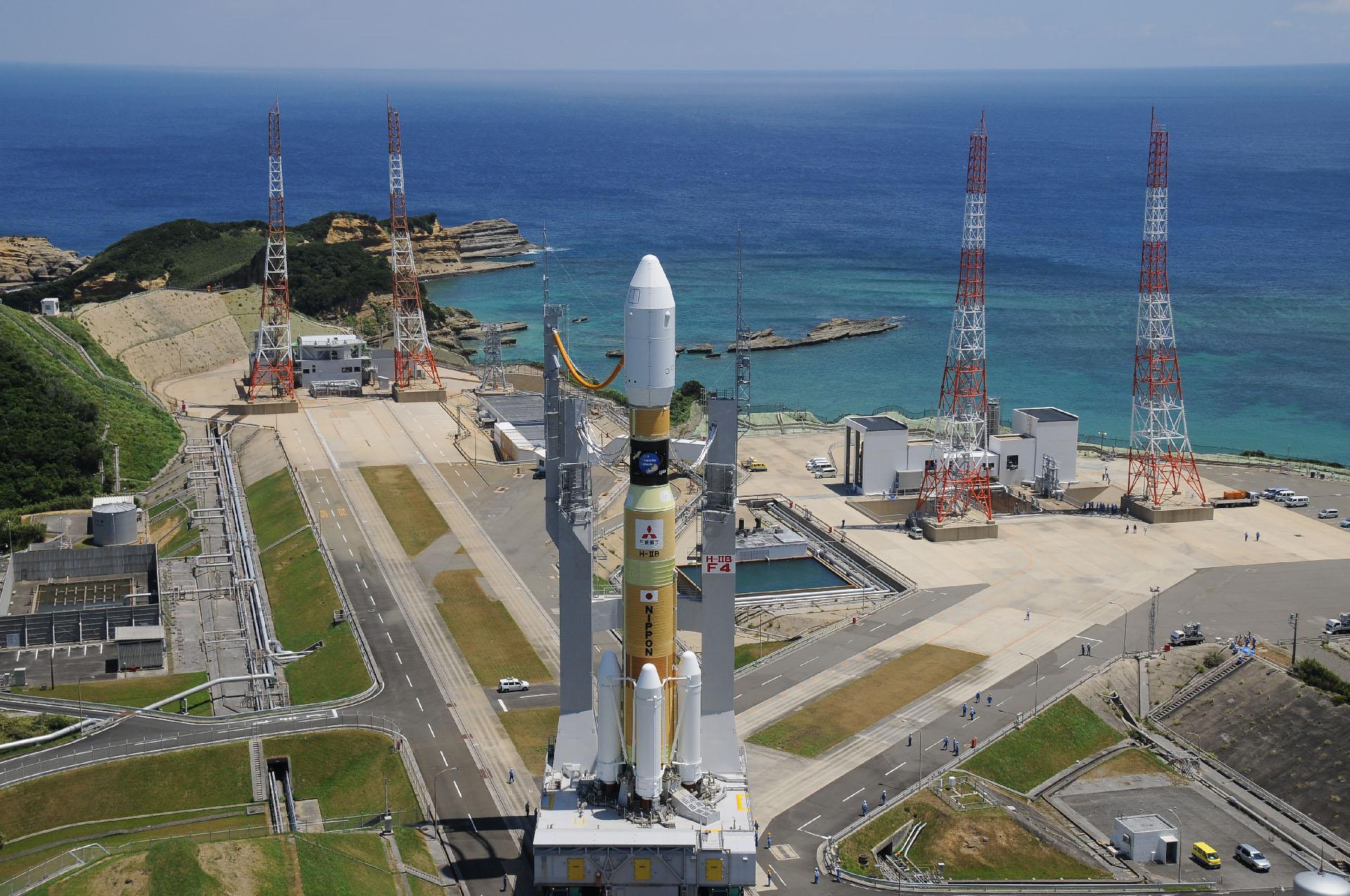
Today's update covers new military space initiatives, impacts of drone threats in Europe, and advancements in secure cloud technology for NATO and Ukraine.
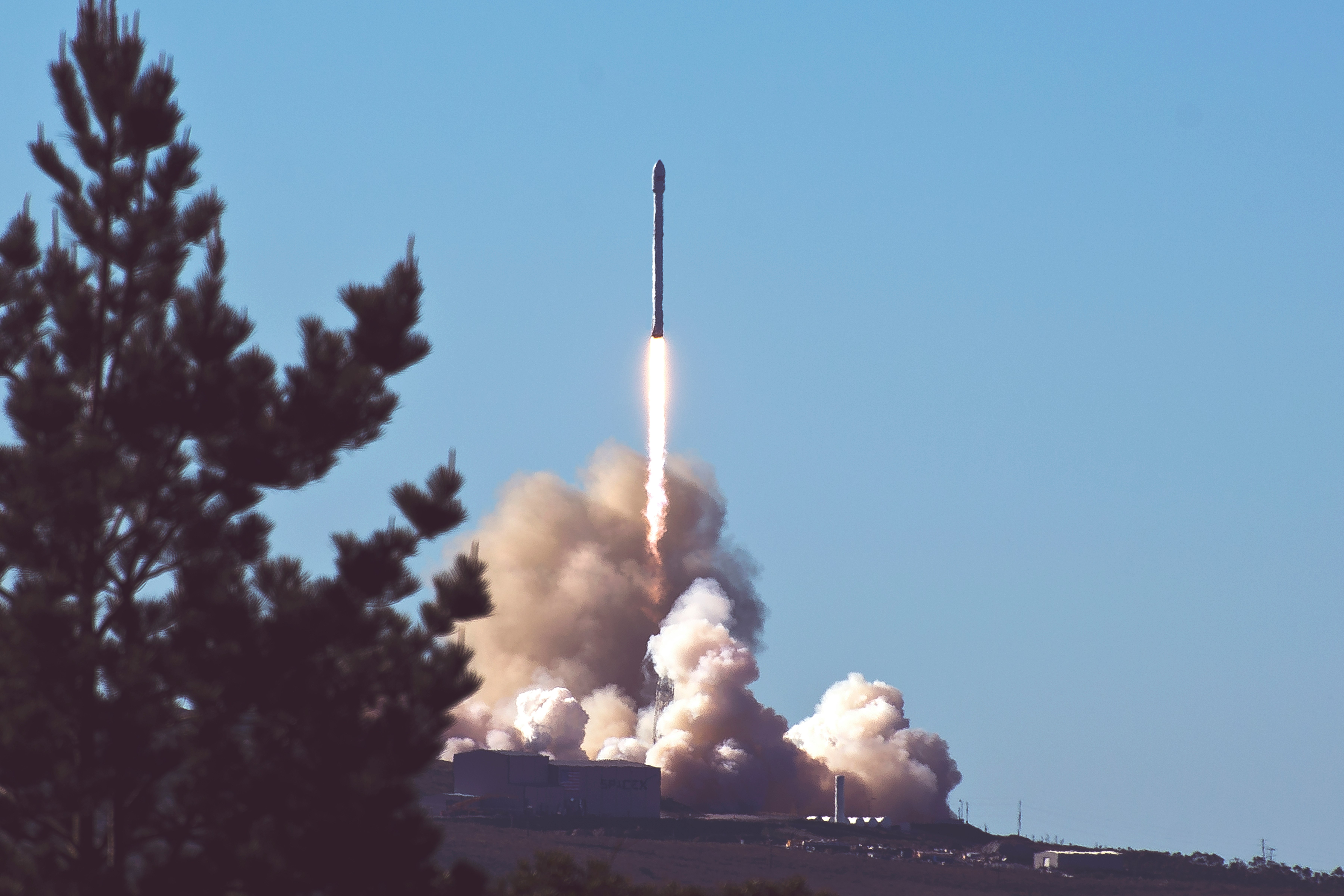
SpaceX launches two Falcon 9 rockets in one day carrying Starlink satellites from both coasts. Most-flown booster achieves record 33rd flight. 28 V2 Mini Optimized sats deployed.
SpaceX advances Starship infrastructure, President Trump considers closing the National Space Council, and 23 new Starlink satellites boost global connectivity.
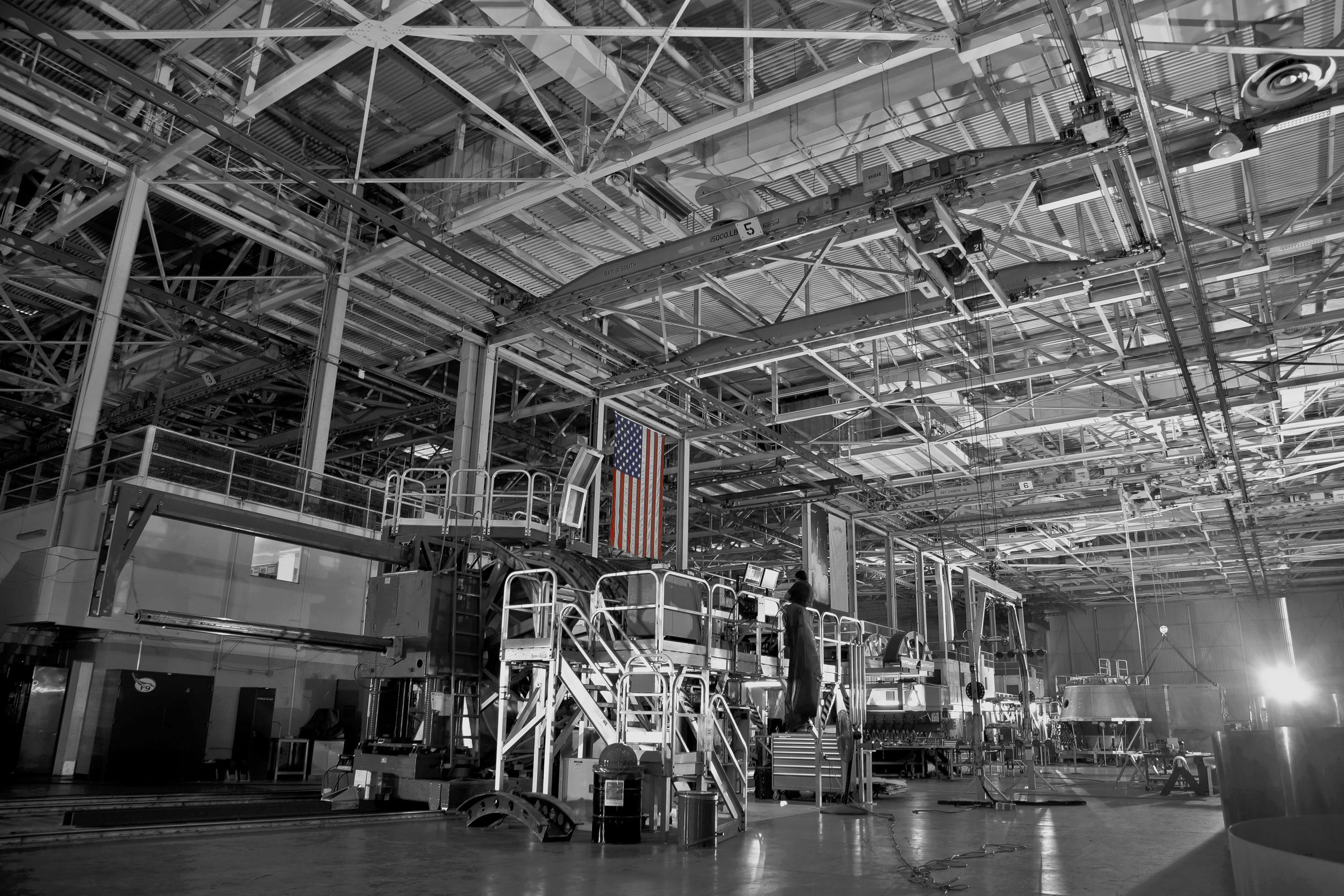
SpaceX breaks records with its 94th launch of the year while planning to ramp up Starship production to unprecedented levels.

Today's highlights include significant data release from NASA's Atmospheric Waves Experiment, SpaceX's dual launches of Crew-10 and Starlink satellites, and intriguing findings from the arctic ice studies.