


X Report 1 Oct 2025
SpaceX gears up for significant upcoming launches while Starlink makes an impactful difference in disaster recovery efforts. Meanwhile, ESA and Avio reveal plans for competitive advancements in reusable rocket technology.



Launch Date
May 22, 1985
Launch Site
PLMSC
Launch Pad
LC41/1
Launch Vehicle
Soyuz-U
NORAD ID
15790
International Designator
1985-038C
Decay Date
6/26/1985
Name
COSMOS 1653 DEB
Alternative Name
Blenda
Type
Status
Owner
GUKOS
Country
USSR
Constellation
N/A
Related Satellites
Major Events
N/A
Length
1
Diameter
0.4
Span
1
Dry Mass
20
Launch Mass
20
Shape
Box
Radar Cross Section
1.25
Visual Magnitude
Unknown
Color
Unknown
Material Composition
Unknown
Payload
Sunshade
Purpose
Unknown
Mission
Unknown
Manufacturer
TSSKB
Life Expectancy
Unknown
Bus
Zenit BZA
Configuration
Unknown
Motor
Unknown
Equipment
Unknown
Power System
Unknown
ADCS
Unknown
Transmitter Frequency
Unknown
Learn more about satellites and other related topics.
SpaceX gears up for significant upcoming launches while Starlink makes an impactful difference in disaster recovery efforts. Meanwhile, ESA and Avio reveal plans for competitive advancements in reusable rocket technology.

Pentagon selects SpaceX and xAI for $100M autonomous drone competition. Two Falcon 9 rockets launch Starlink sats from California and Florida. 11,215 total Starlink satellites launched.

SpaceX gains regulatory approval for a new Starship test flight, further expands its role in U.S. defense, and successfully launches 26 additional Starlink satellites. United Airlines also rolls out Starlink Wi-Fi on its flights.
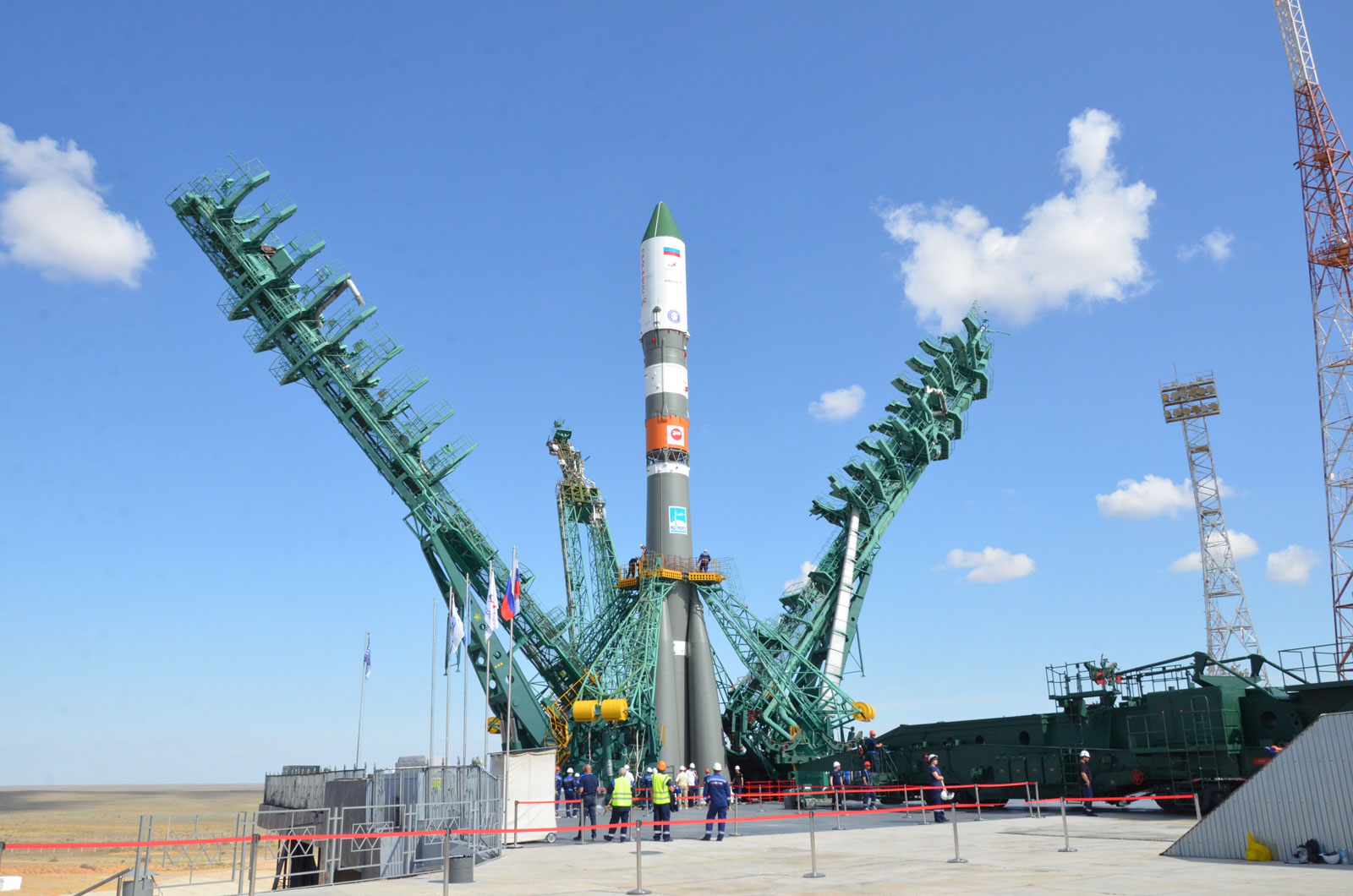
Today's brief covers the Vulcan Centaur's first mission, military space automation insights, and the retirement reflections of a Space Force leader.
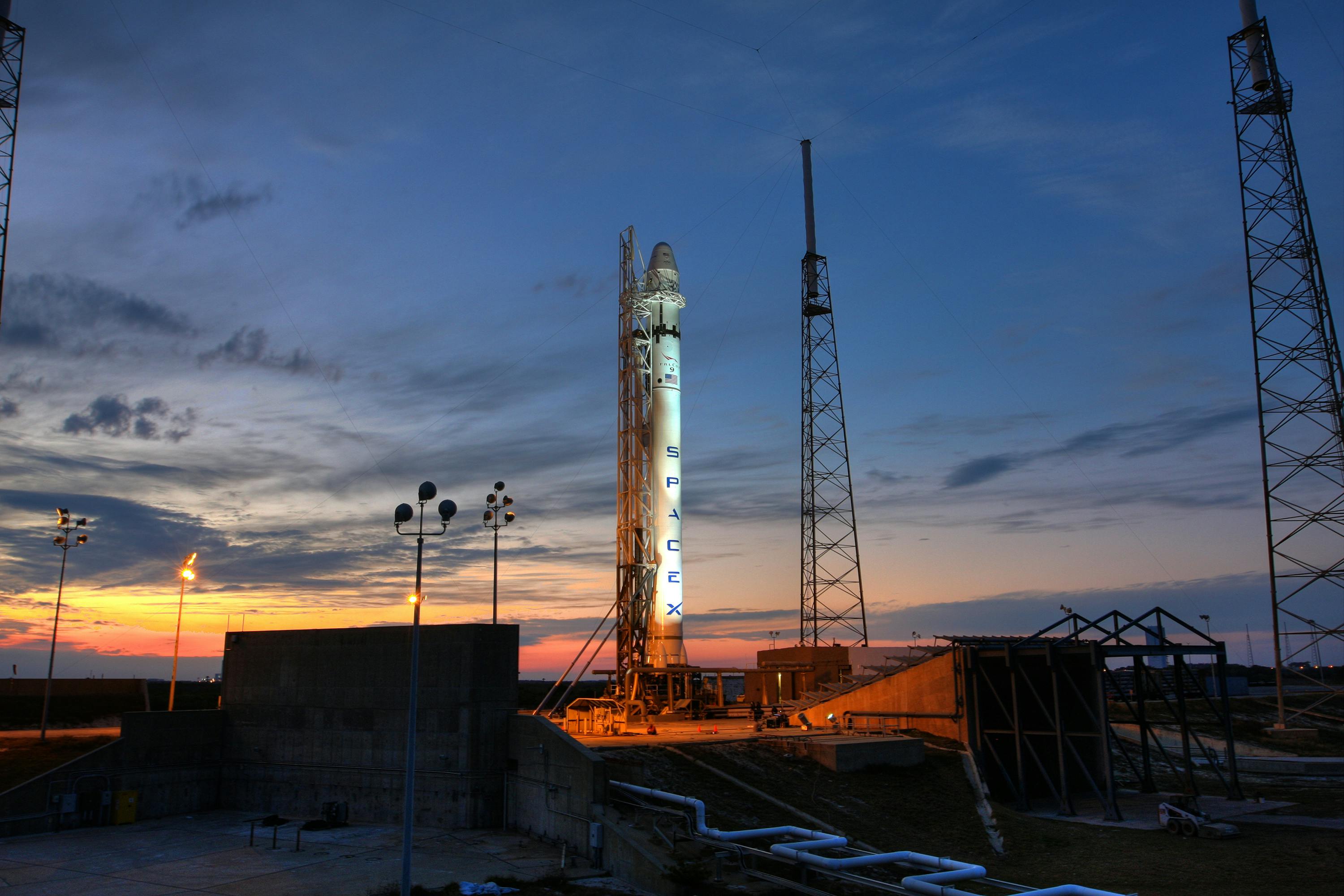
Important updates include SpaceX's $19 billion spectrum deal with EchoStar, a successful super heavy booster test, and recent setbacks in launching due to poor weather.
SpaceX set to launch GPS 3-9 for Space Force after strategic switch from ULA's Vulcan to Falcon 9. 25 Starlink satellites deployed to polar orbit. Musk explains SpaceX exponential growth trajectory.
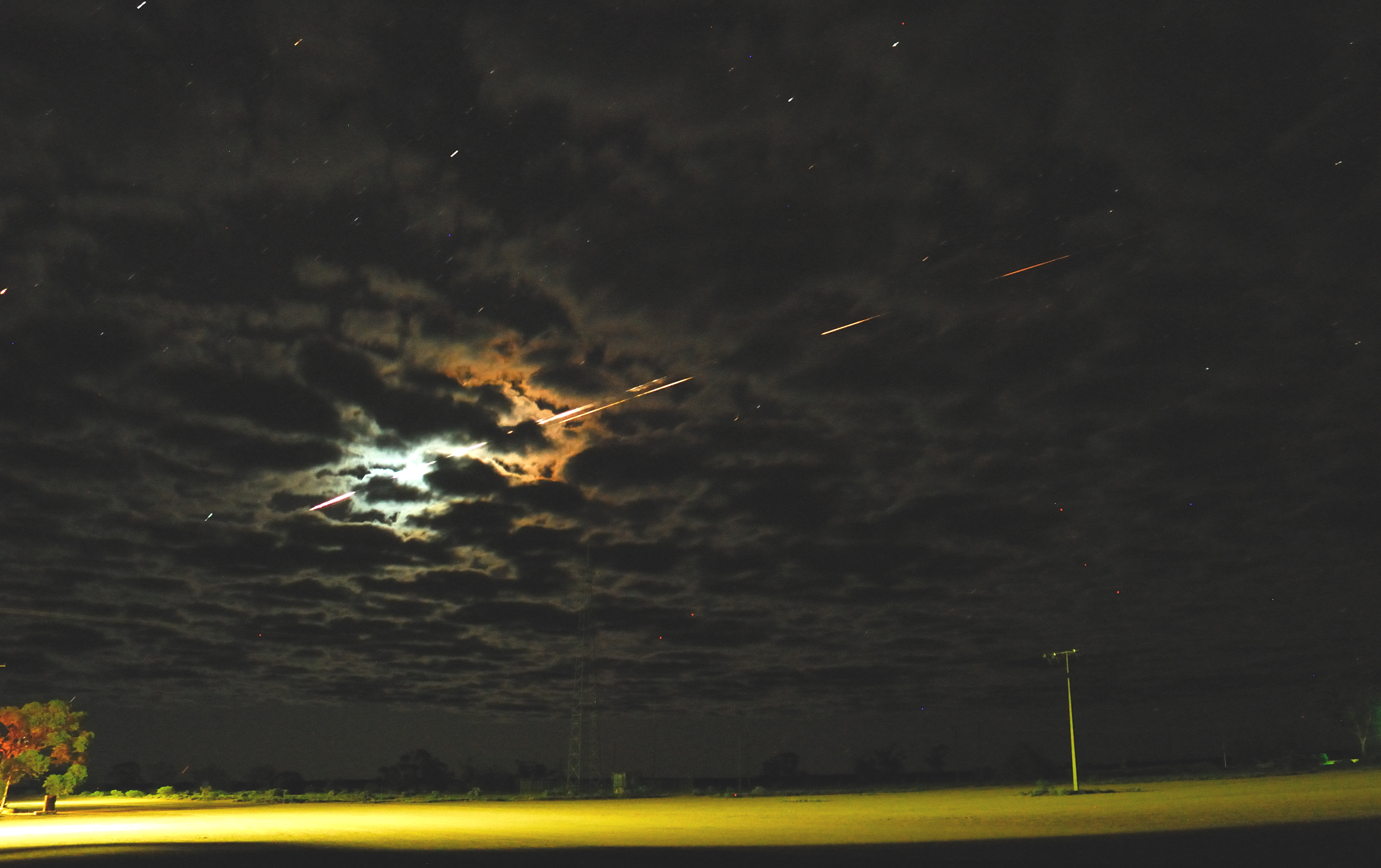
Sixteen years ago today, a fireball tore across the Australian outback. Most of it was a dying Japanese spacecraft burning up after a seven-year ordeal. The bright dot racing ahead of the wreckage was a capsule holding the first grains of an asteroid ever returned to Earth.

Space Force deploys new radar in Alaska for orbital tracking. SDA awards $3.5B for 72 missile defense satellites. Anysignal raises $24M for autonomous RF sensing technology.