


GPS III SV-10 Moves to Falcon 9 After Vulcan Grounded | KeepTrack X Report
SpaceX claims a 2nd GPS III launch as ULA's Vulcan investigation stalls, while ESA charters a Crew Dragon ISS mission and Starlink hits 30 launches in 2026.


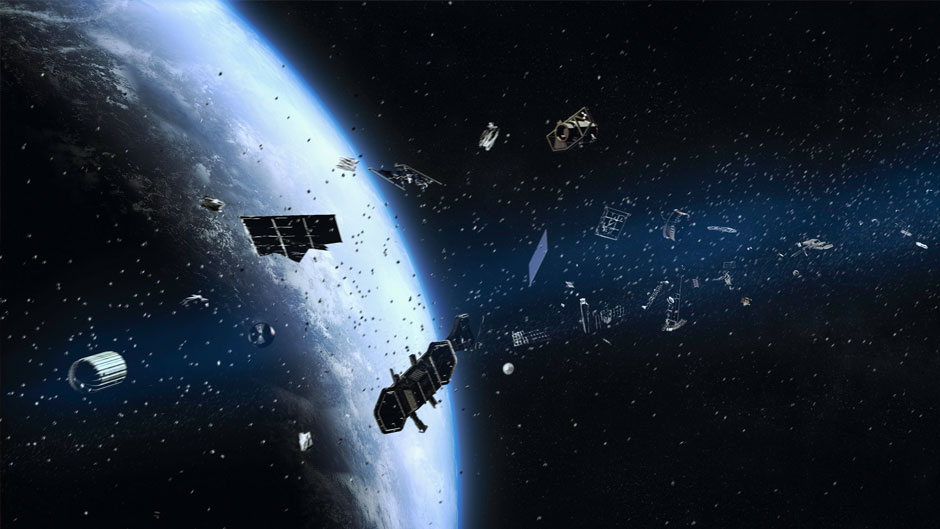
Launch Date
May 7, 1983
Launch Site
Launch Pad
LC90
Launch Vehicle
Tsiklon-2
NORAD ID
15723
International Designator
1983-044AQ
Decay Date
2/19/1989
Name
COSMOS 1461 DEB
Alternative Name
deb Kosmos-1461
Type
Status
Owner
VMF
Country
USSR
Constellation
N/A
Related Satellites
Major Events
N/A
Length
0
Diameter
0
Span
0
Dry Mass
0
Launch Mass
0
Shape
N/A
Radar Cross Section
0.0472
Visual Magnitude
Unknown
Color
Unknown
Material Composition
Unknown
Payload
Unknown
Purpose
Unknown
Mission
Unknown
Manufacturer
Unknown
Life Expectancy
Unknown
Bus
Unknown
Configuration
Unknown
Motor
Unknown
Equipment
Unknown
Power System
Unknown
ADCS
Unknown
Transmitter Frequency
Unknown
Learn more about satellites and other related topics.
SpaceX claims a 2nd GPS III launch as ULA's Vulcan investigation stalls, while ESA charters a Crew Dragon ISS mission and Starlink hits 30 launches in 2026.
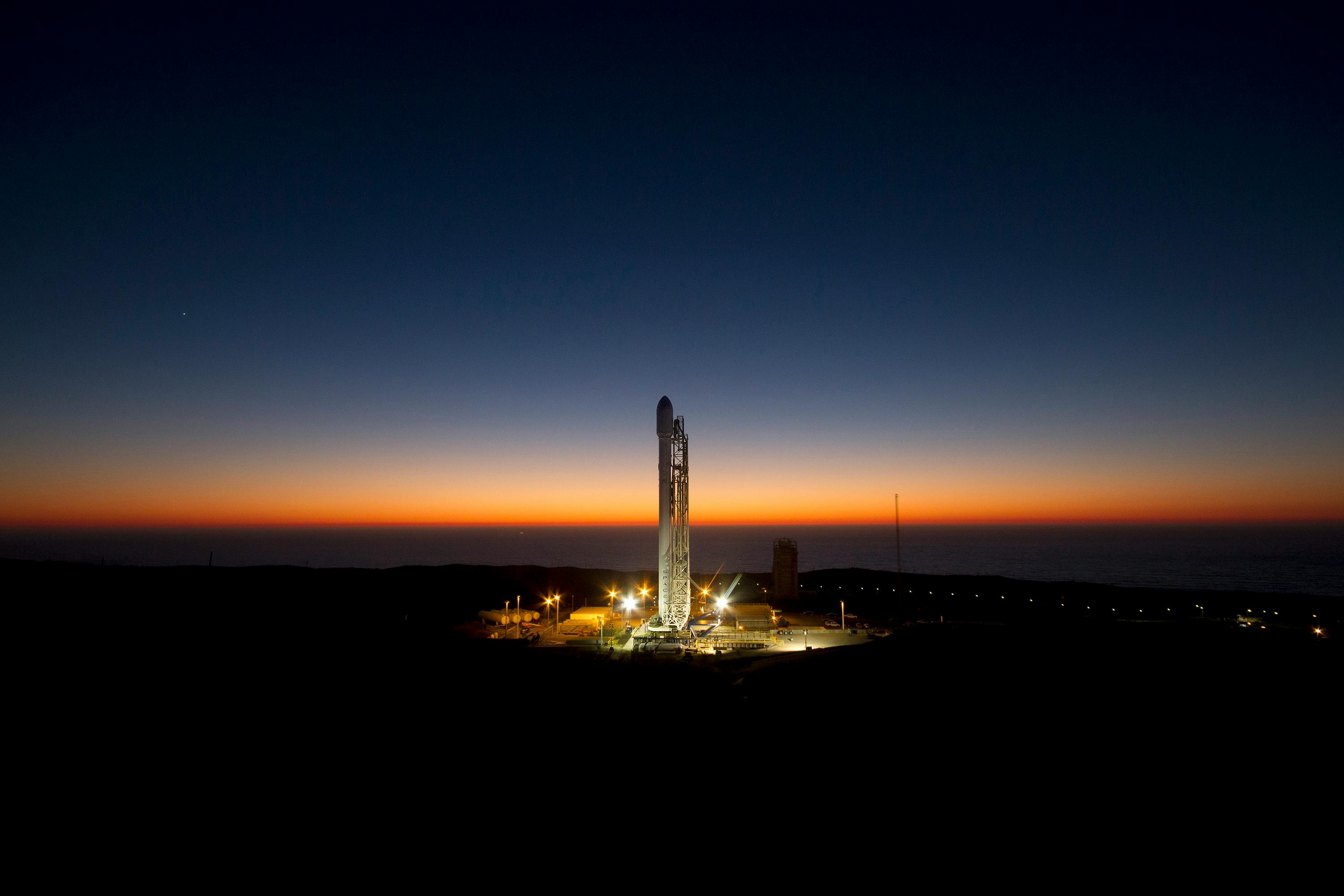
NASA adds crew missions to SpaceX's contract as Boeing Starliner certification stalls, while Falcon 9 hits its 60th orbital launch of 2026.

Today's space news highlights include the proposed budget expansion for the U.S. Space Force, a new CubeSat milestone for ESA's asteroid mission, and challenges with SpaceX's Starlink launch. Also, we celebrate the one-year anniversary of the Aries SN1 satellite in orbit.

Today's brief covers SpaceX's NROL-153 launch, US Space Force activities in Greenland, Starlink's record-breaking flight, and a OneWeb satellite glitch. Plus, our Satellite Spotlight shines on Duchifat-1.

SpaceX faces weather challenges as it scrubs the launch of its 3,000th Starlink satellite. Meanwhile, Elon Musk discusses advancing to a Type II civilization in an engaging social media post.
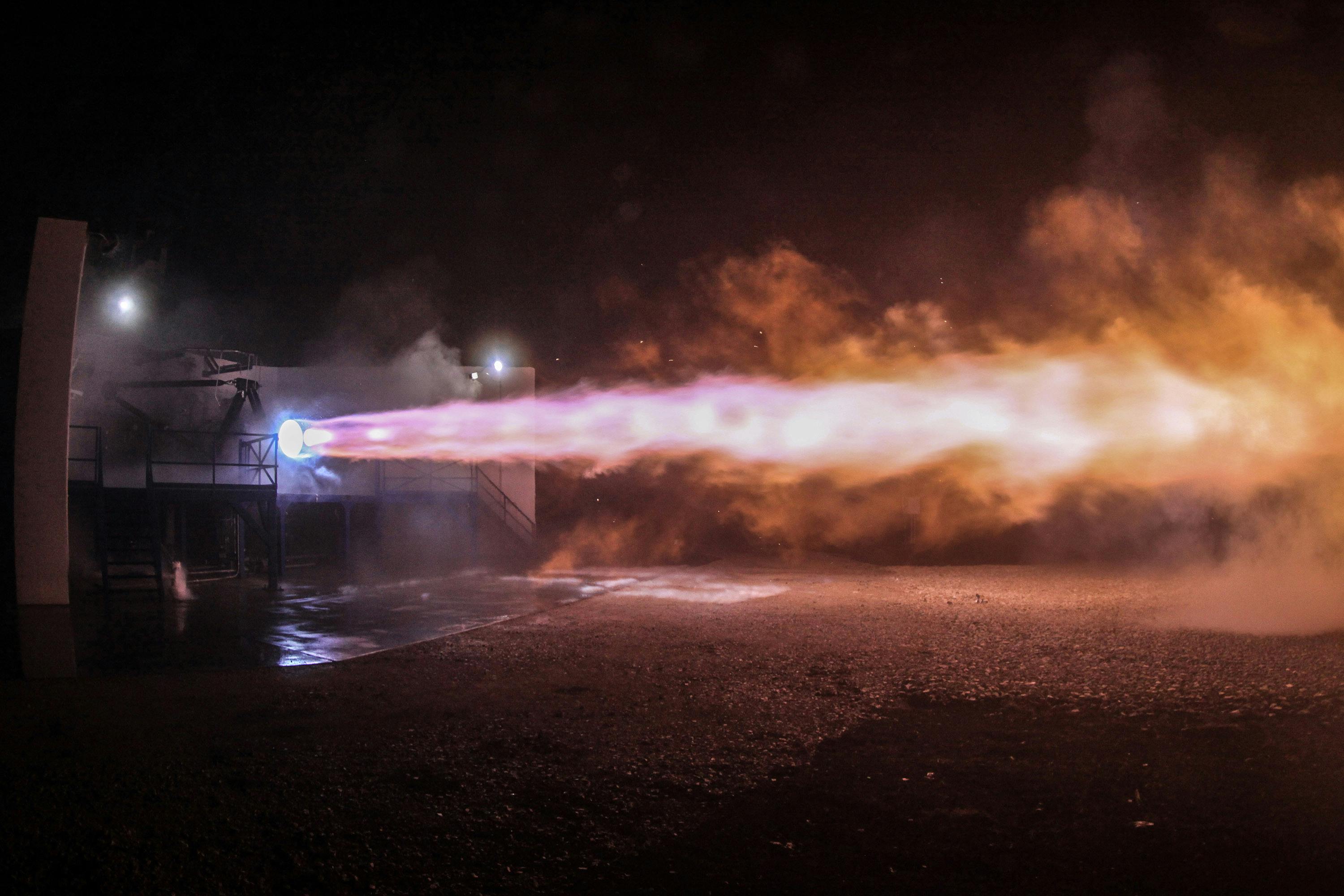
SpaceX's Crew-10 astronauts are set to return to Earth after a five-month mission, while the company prepares for the launch of 24 new Starlink satellites from Vandenberg Space Force Base.
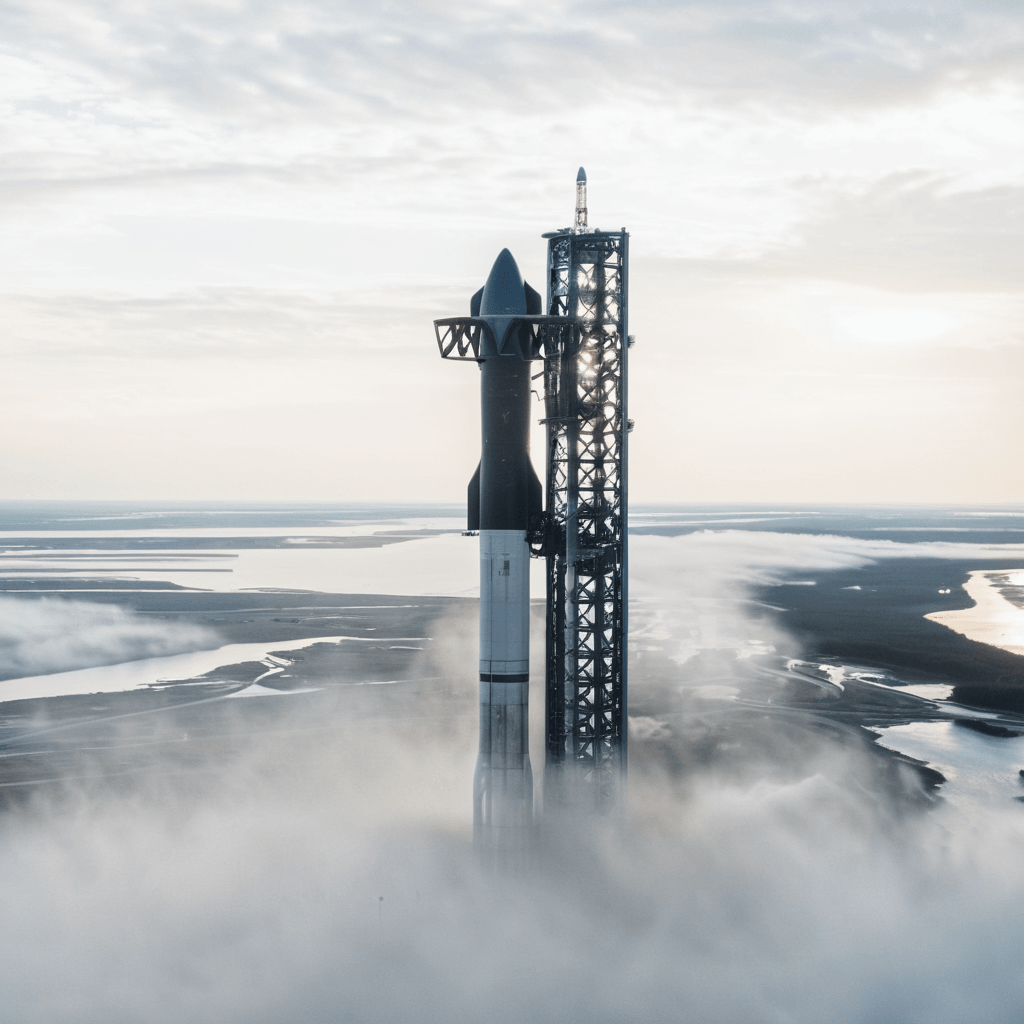
As the largest and most powerful rocket ever built, it's designed for full reusability and rapid launch turnaround. SpaceX claims it could carry over 100 tons to low Earth orbit at a fraction of current costs.

Today's Space Brief delves into military satellite advancements and significant contract awards for space platforms, alongside pivotal European missile warning systems.