


ESA's Proba-3 Formation-Flyer Goes Silent | KeepTrack Space Brief
ESA's Proba-3 spacecraft lost contact last month, grounding the dual-satellite solar eclipse mission. Formation flying between both craft is critical for coronagraph science.



Launch Date
May 7, 1983
Launch Site
Launch Pad
LC90
Launch Vehicle
Tsiklon-2
NORAD ID
15722
International Designator
1983-044AP
Decay Date
4/9/1990
Name
COSMOS 1461 DEB
Alternative Name
deb Kosmos-1461
Type
Status
Owner
VMF
Country
USSR
Constellation
N/A
Related Satellites
Major Events
N/A
Length
0
Diameter
0
Span
0
Dry Mass
0
Launch Mass
0
Shape
N/A
Radar Cross Section
0.085
Visual Magnitude
Unknown
Color
Unknown
Material Composition
Unknown
Payload
Unknown
Purpose
Unknown
Mission
Unknown
Manufacturer
Unknown
Life Expectancy
Unknown
Bus
Unknown
Configuration
Unknown
Motor
Unknown
Equipment
Unknown
Power System
Unknown
ADCS
Unknown
Transmitter Frequency
Unknown
Learn more about satellites and other related topics.
ESA's Proba-3 spacecraft lost contact last month, grounding the dual-satellite solar eclipse mission. Formation flying between both craft is critical for coronagraph science.
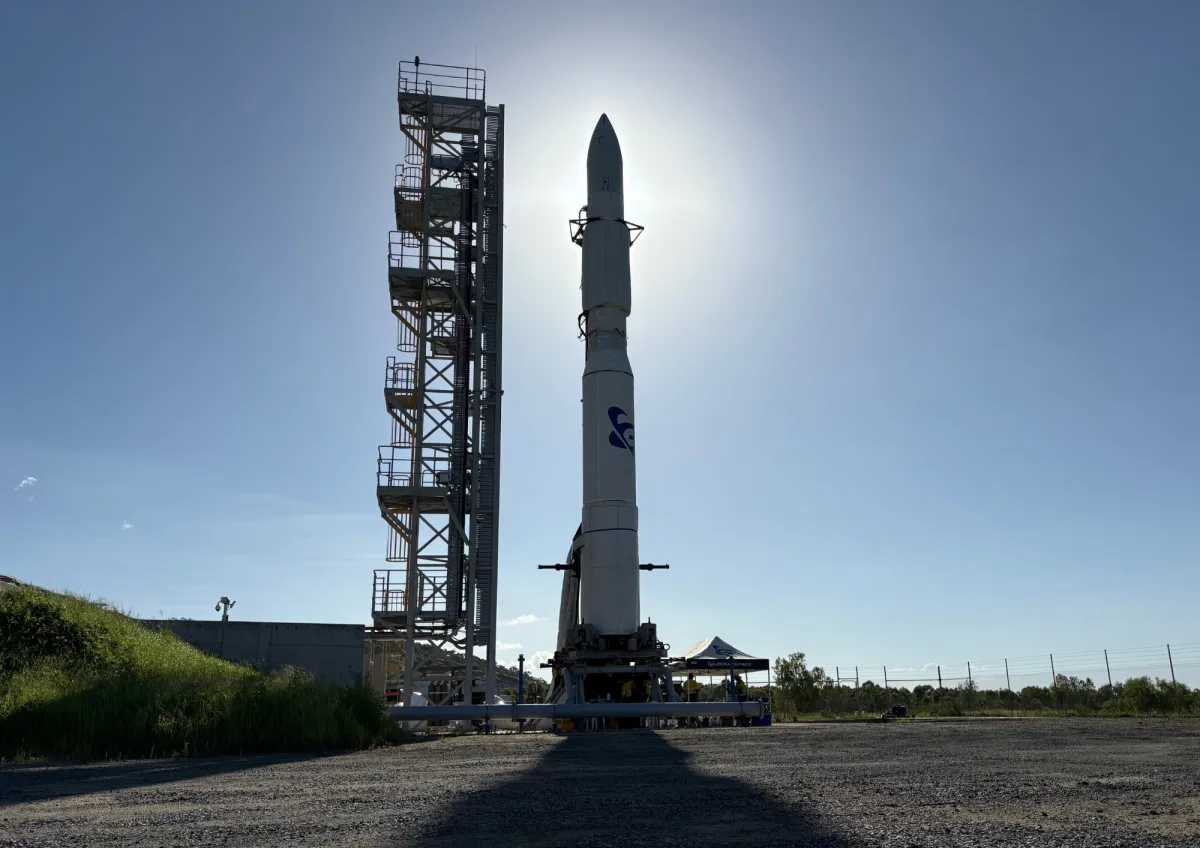
Today's space highlights include significant military contracts for aerospace innovations, advancements in small-satellite procurement, and discussions on the role of nuclear energy in space exploration.
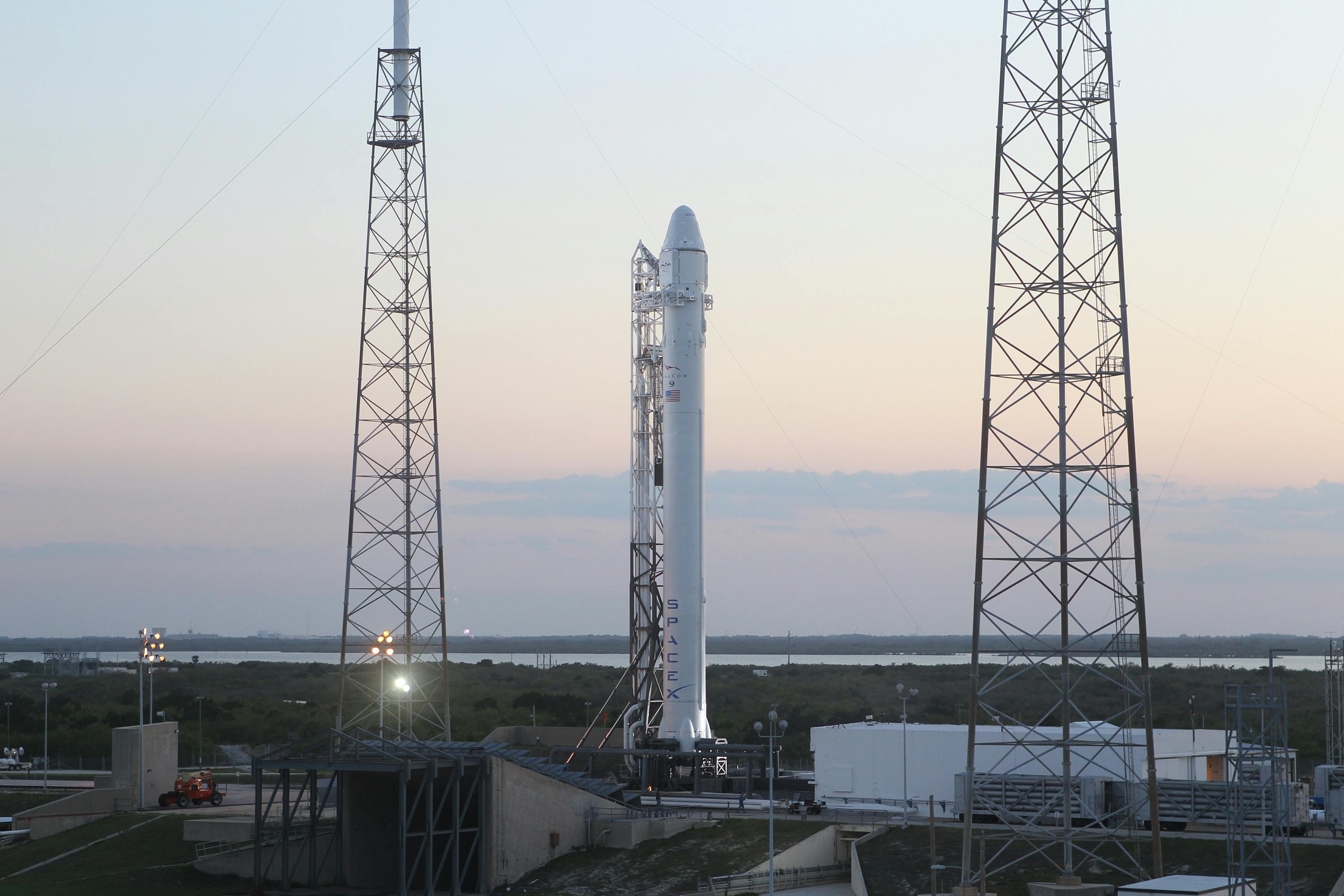
SpaceX continues to expand its Starlink network with multiple launches and gains momentum in international markets, while revisiting launch tariffs and new regulations.

Space Force awards first-of-its-kind $52M contract to Starfish Space for deorbiting defunct satellites. AST SpaceMobile selected for Missile Defense Agency SHIELD program. $26B Space Force budget confirmed.
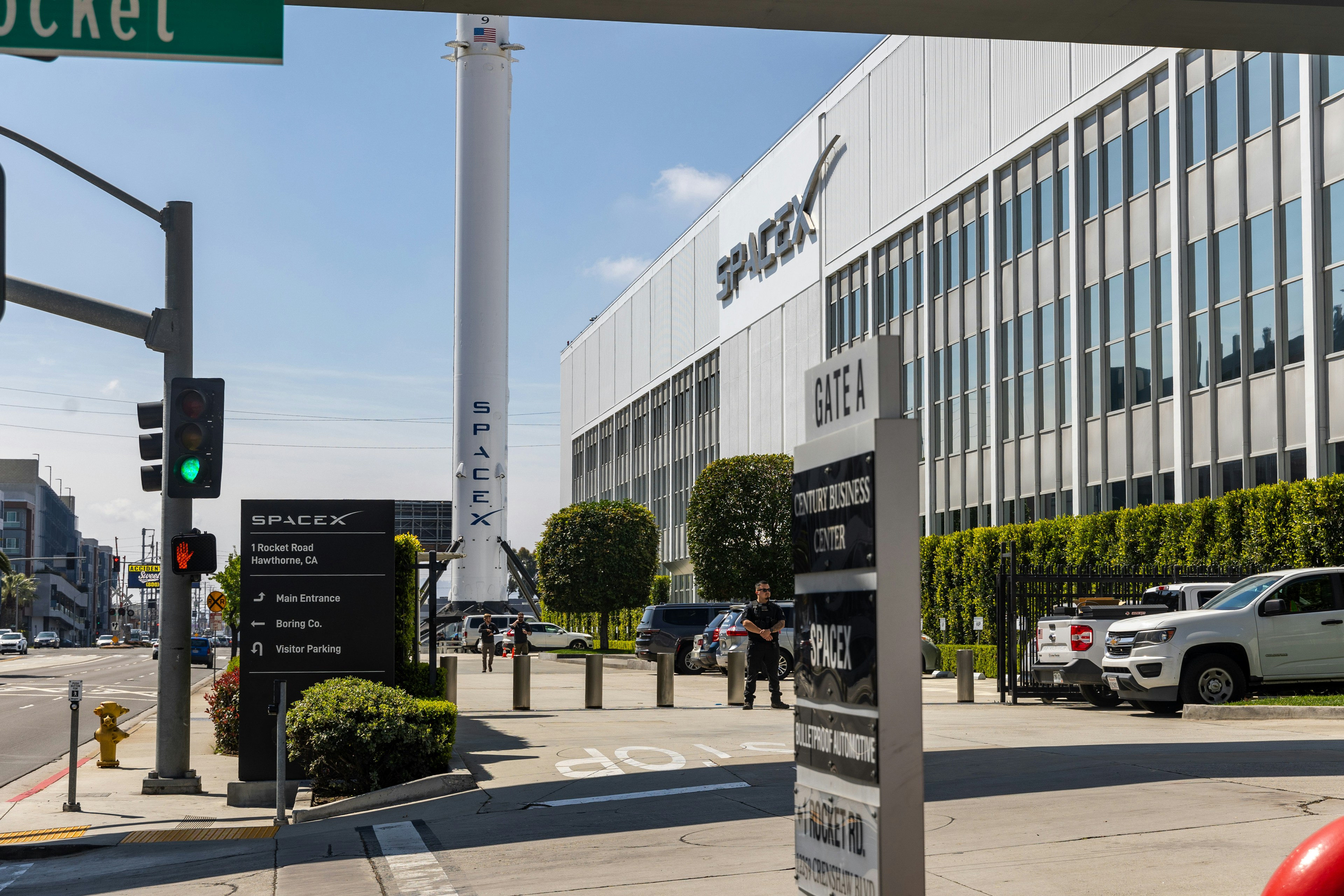
SpaceX sets a new reusability record and continues its busy launch schedule with multiple Starlink missions.

Today's brief covers SpaceX's launch of a secret US spy satellite, national security satellite launches, and Japan's missile ambitions. Also highlighted are Estonia's AI defense upgrades and autonomous airpower in Australia.

SpaceX's Falcon Heavy flew for the first time in 18 months on April 29, while Starlink hit 51 Falcon 9 launches in 2026 with 10,280 satellites working.
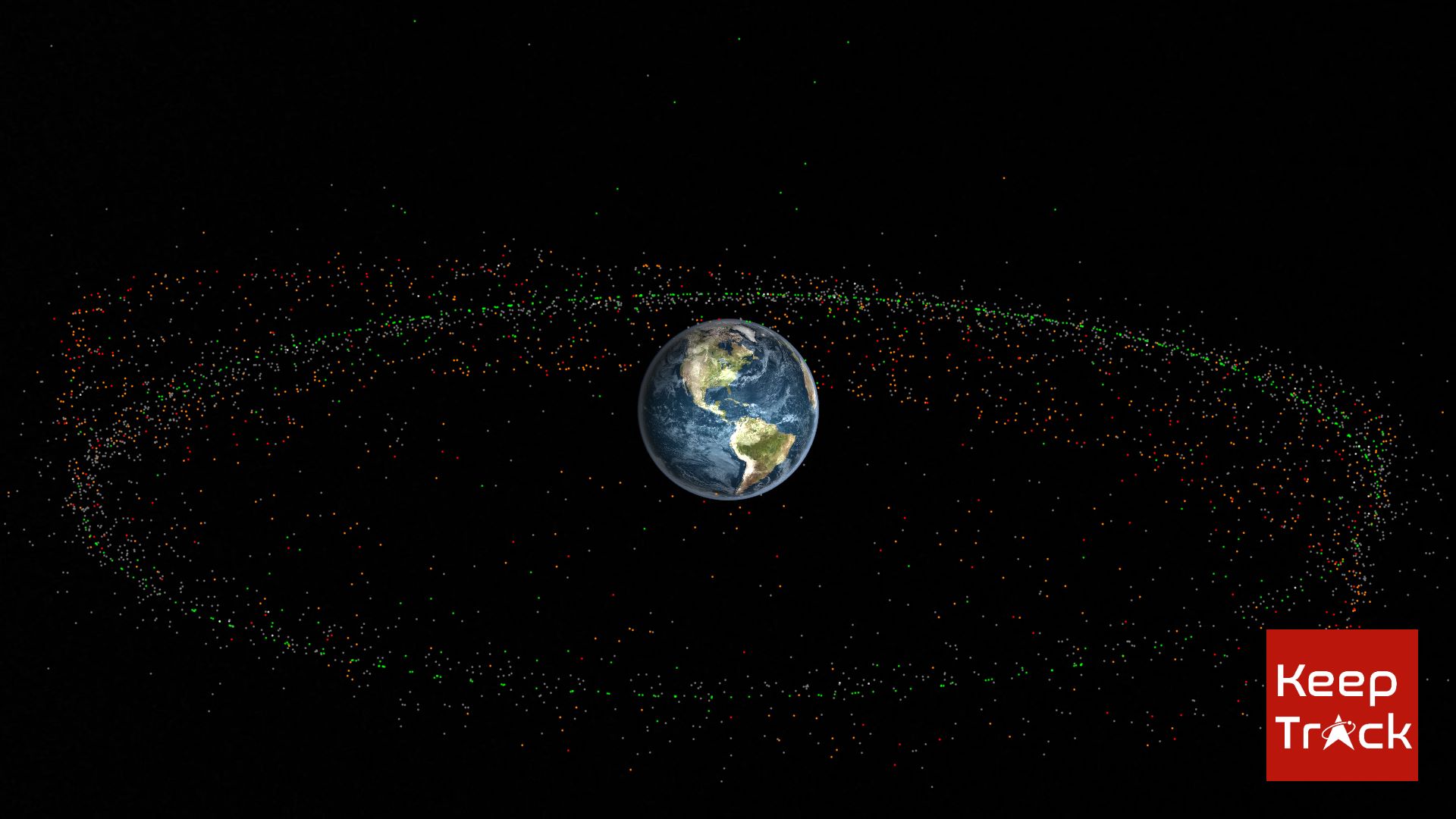
Understanding the unique orbital sweet spot that keeps satellites perfectly positioned above Earth