



Space Brief 1 Nov 2025
Today's brief covers the future of military space operations, ESA's potential defense role, significant developments in satellite communications, and SpaceX's response to Artemis 3 comments.


![COSMOS 1652 [GLONASS] Satellite Image](/images/sat/15699.jpg)
Launch Date
May 17, 1985
Launch Site
Launch Pad
LC200/39
Launch Vehicle
Proton-K/DM-2
NORAD ID
15699
International Designator
1985-037C
Epoch
Fri, 03 Jul 2026 17:41:37 GMT
Apogee
Calculating...
Perigee
Calculating...
Inclination
64.88°
Right Ascension
72.56°
Eccentricity
Calculating...
Argument of Perigee
26.96°
Period
675.84 min
Mean Motion
2.13 rev/day
Latitude
Calculating...
Longitude
Calculating...
Altitude
Calculating...
Velocity
Calculating...
Name
COSMOS 1652 [GLONASS]
Alternative Name
Kosmos-1652
Type
Status
Owner
GUKOS
Country
USSR
Constellation
N/A
Related Satellites
Major Events
N/A
1 15699U 85037C 26184.73723579 -.00000009 00000-0 00000-0 0 9997
2 15699 64.8825 72.5640 0018546 26.9624 151.5624 2.13067448320017
Source: Celestrak
Length
4
Diameter
1.5
Span
7.8
Dry Mass
1200
Launch Mass
1300
Shape
Cyl + Ant + 2 Pan
Radar Cross Section
0.3
Visual Magnitude
Unknown
Color
Unknown
Material Composition
Unknown
Payload
Uragan GVM
Purpose
Dummy satellite
Mission
Dummy satellite
Manufacturer
OAZ
Life Expectancy
Unknown
Bus
Uragan
Configuration
Unknown
Motor
None
Equipment
Unknown
Power System
None
ADCS
Unknown
Transmitter Frequency
Unknown
Learn more about satellites and other related topics.
Today's brief covers the future of military space operations, ESA's potential defense role, significant developments in satellite communications, and SpaceX's response to Artemis 3 comments.
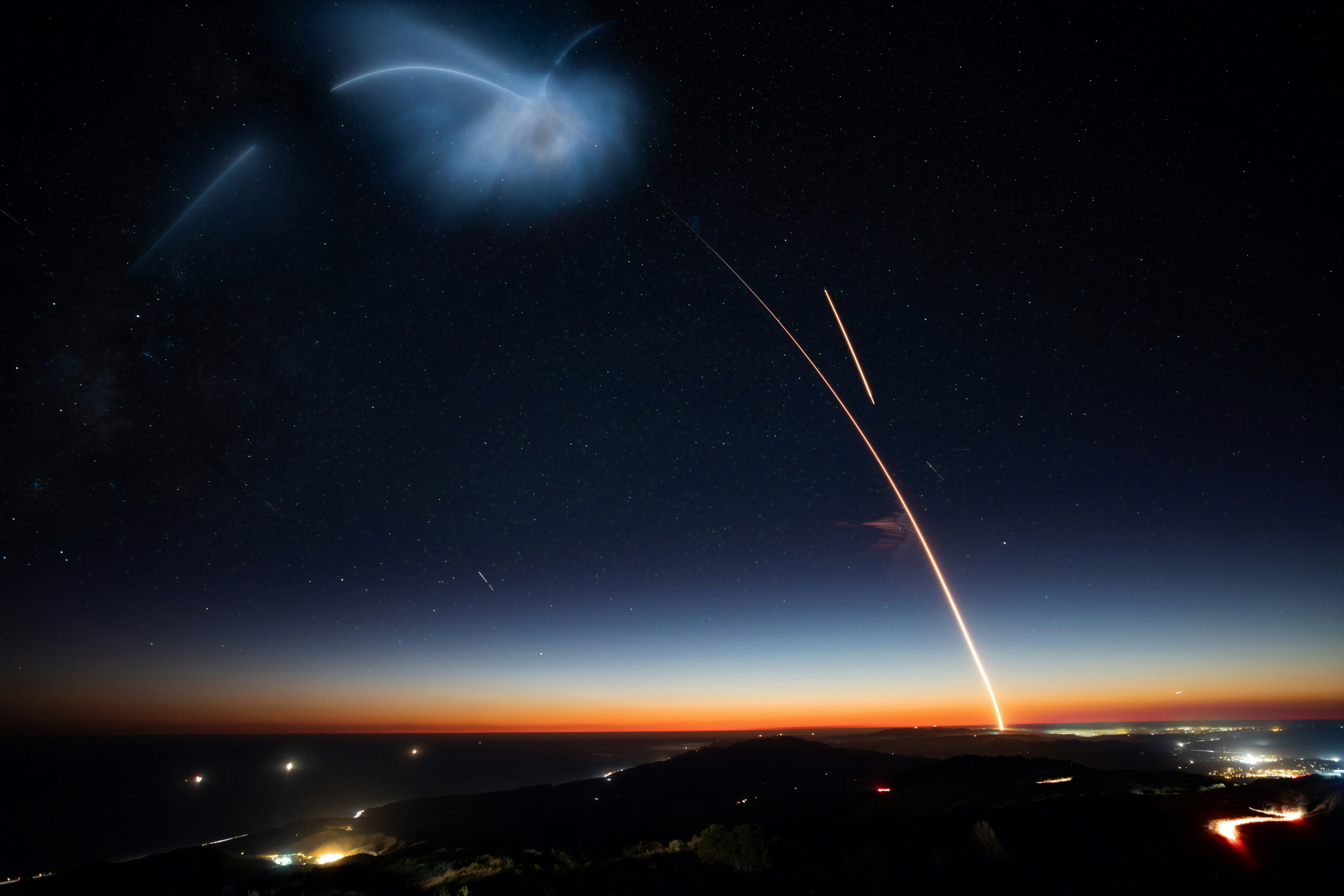
In a landmark achievement, SpaceX celebrated its 500th Falcon 9 launch by deploying 27 Starlink satellites while simultaneously advancing its reuse strategy with record-breaking milestones.
Today's space updates include a new EU space commissioner's priorities, insights from declassified satellite images, and an update on NASA's Europa Clipper mission. A highlight in the Satellite Spotlight features the Russian satellite COSMOS 2070.
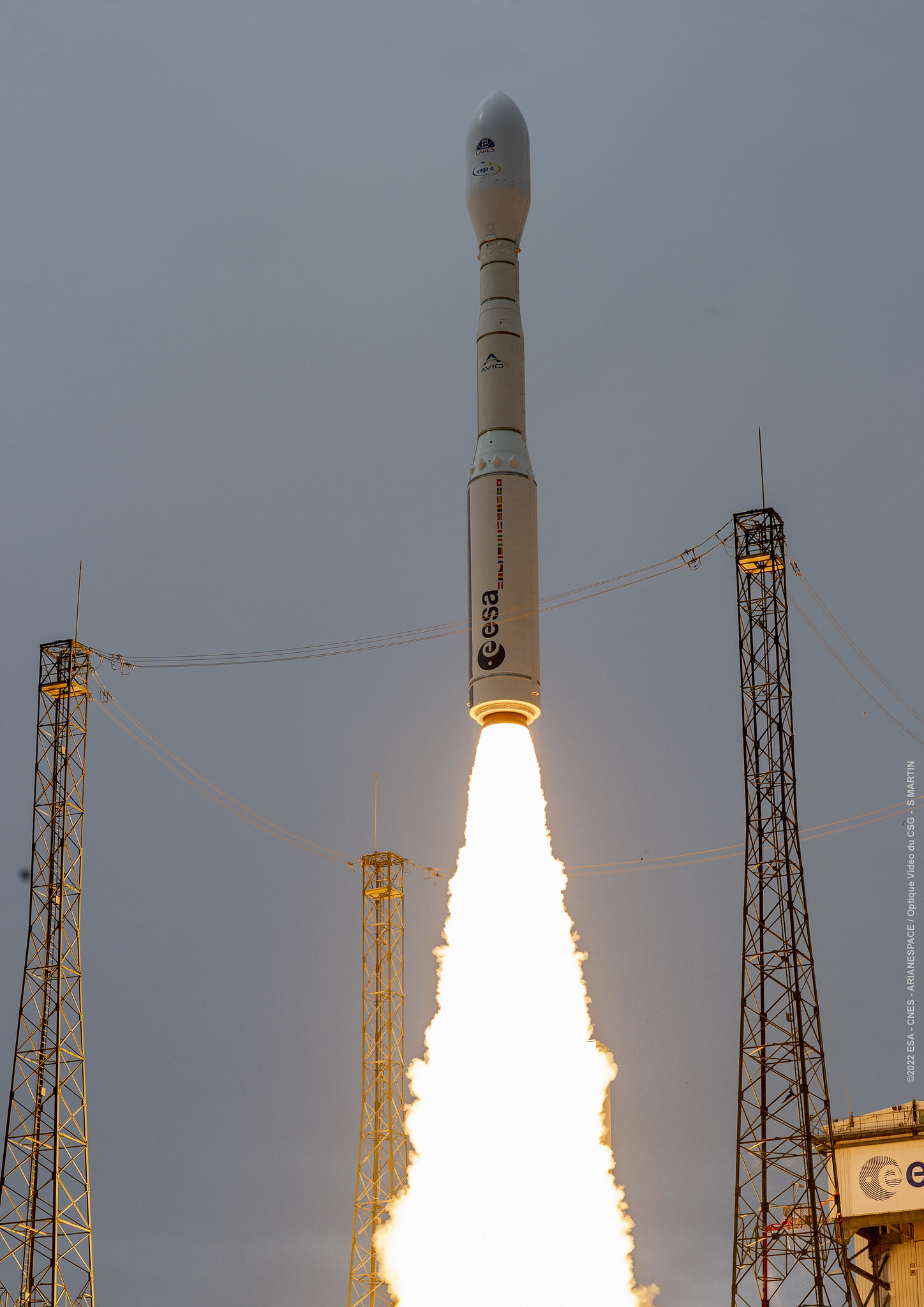
Today's highlights include a space debris incident involving China's spacecraft, development advancements for military space missions, and a notable setback for SpaceX's Starship booster.
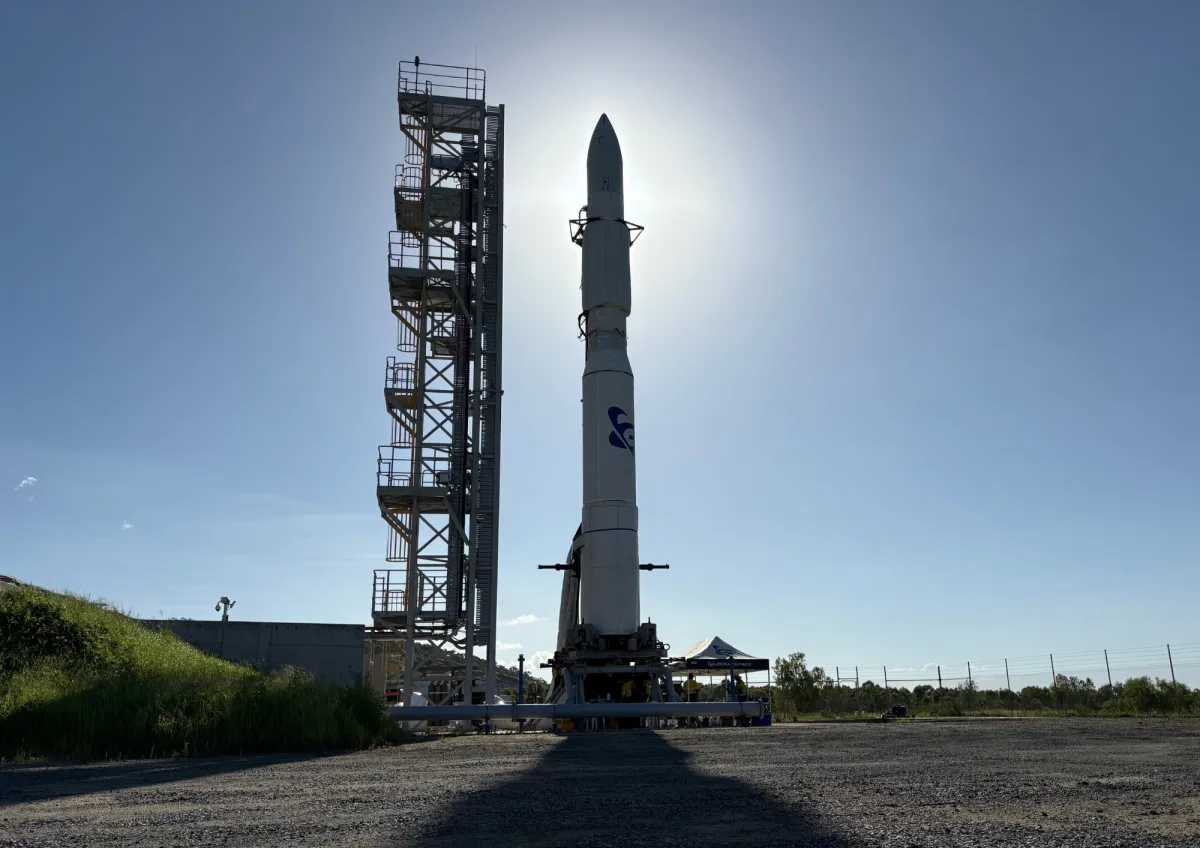
Key highlights include the launch of a Navy SEAL astronaut to the ISS, multi-billion dollar contracts awarded by the US Space Force, advancements in secure GPS technology, and a strategic ISR arrangement.
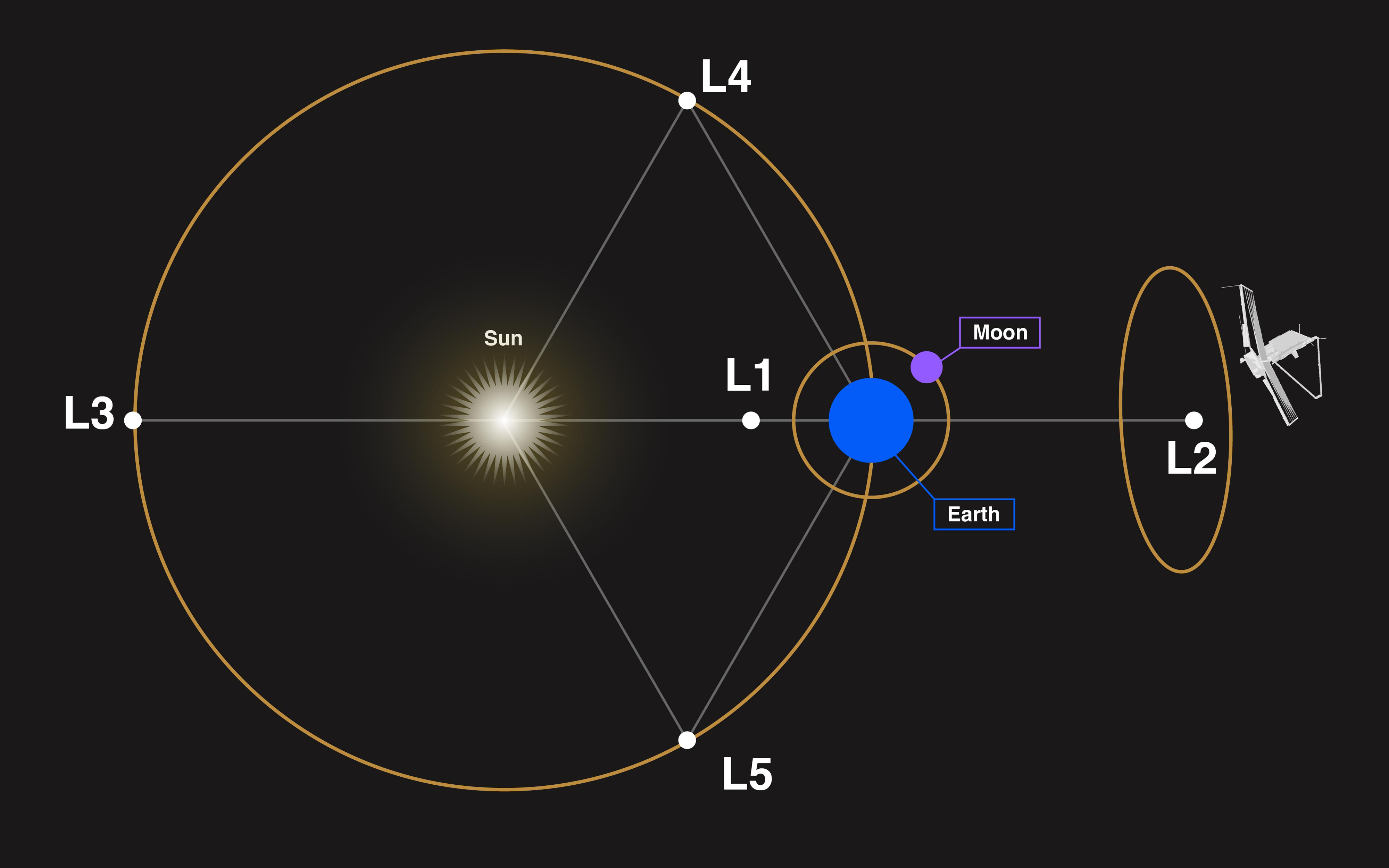
Five spots in the Earth-Sun system where the gravitational tug of two massive bodies and the pull of circular motion all cancel out, creating gravitational parking spaces where spacecraft can sit for decades with almost no fuel.
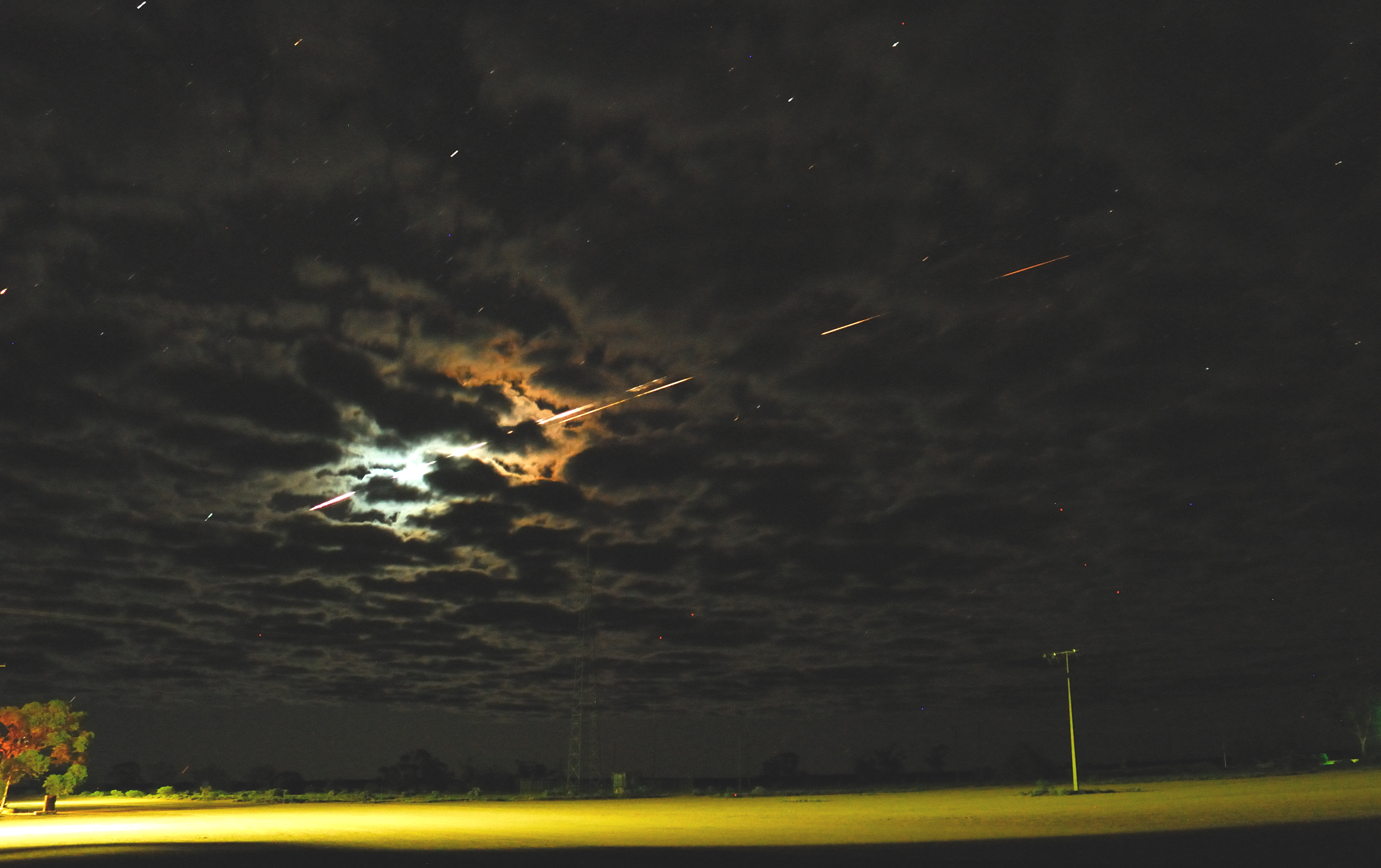
Sixteen years ago today, a fireball tore across the Australian outback. Most of it was a dying Japanese spacecraft burning up after a seven-year ordeal. The bright dot racing ahead of the wreckage was a capsule holding the first grains of an asteroid ever returned to Earth.
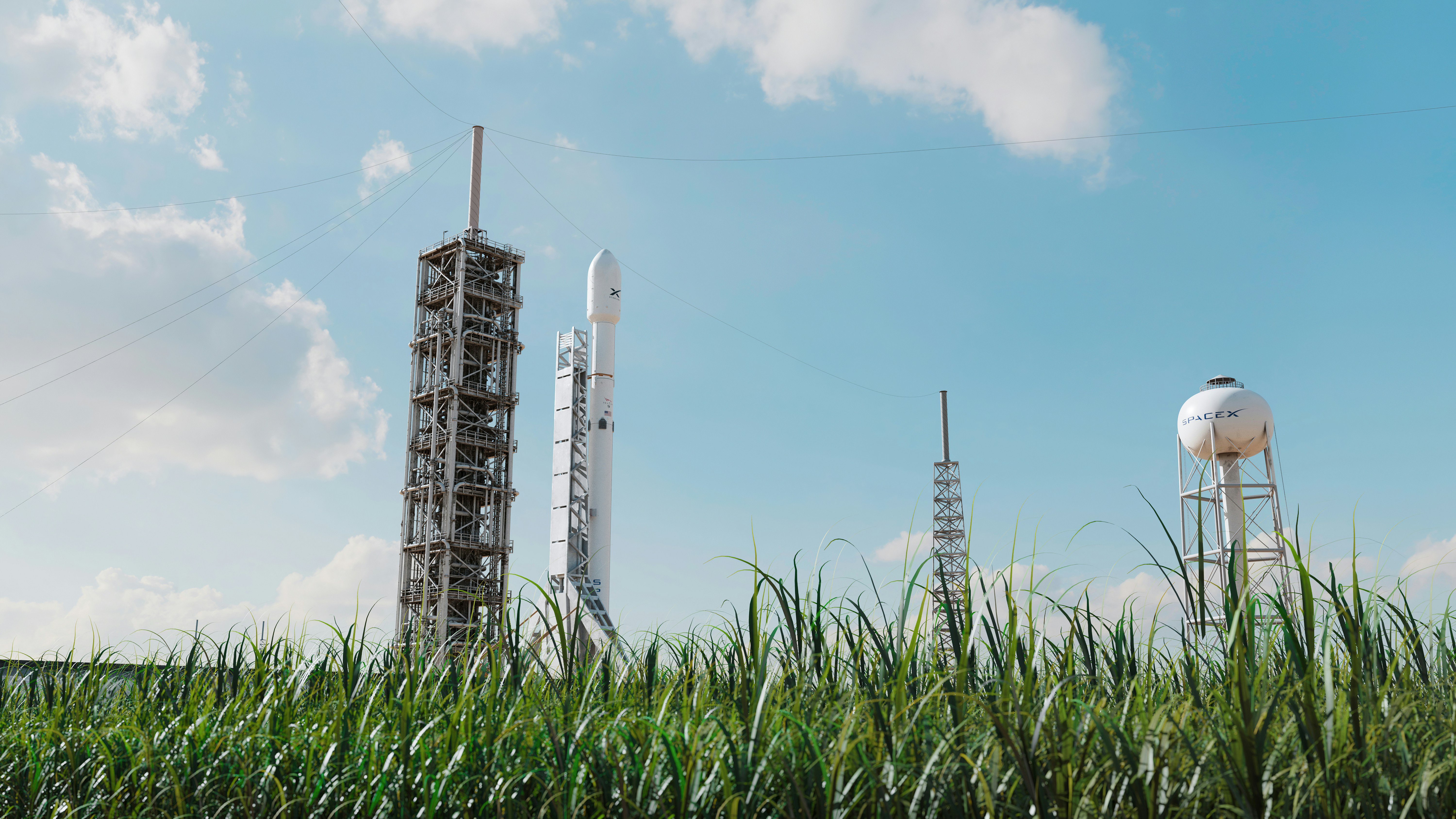
SpaceX embraces community support during Hurricane Melissa while advancing its Starbase infrastructure and launching more Starlink satellites.