

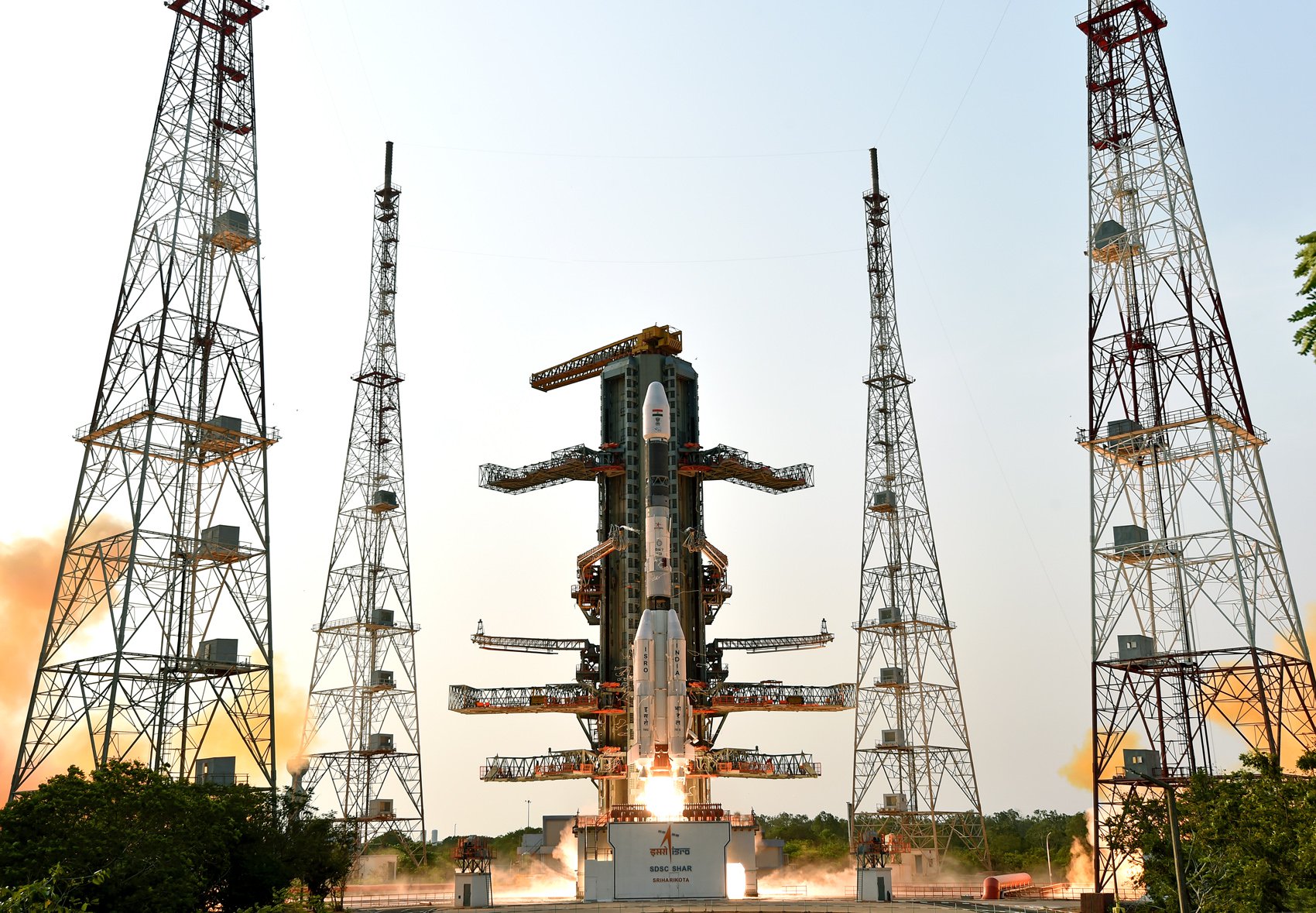
Space Brief 16 Jul 2025
Today's brief covers China's Tianzhou-9 launch to the Tiangong space station, the U.S. Space Force's unfunded MILNET project, and the evolving use of AI in military applications.



Launch Date
April 16, 1985
Launch Site
PLMSC
Launch Pad
LC41/1
Launch Vehicle
Soyuz-U
NORAD ID
15668
International Designator
1985-029D
Decay Date
5/13/1985
Name
COSMOS 1645 DEB
Alternative Name
KBE part
Type
Status
Owner
GUKOS
Country
USSR
Constellation
N/A
Related Satellites
Major Events
N/A
Length
0
Diameter
0
Span
0
Dry Mass
0
Launch Mass
0
Shape
N/A
Radar Cross Section
0.51
Visual Magnitude
Unknown
Color
Unknown
Material Composition
Unknown
Payload
KBE part
Purpose
Unknown
Mission
Unknown
Manufacturer
TSSKB
Life Expectancy
Unknown
Bus
Zenit deb
Configuration
Unknown
Motor
Unknown
Equipment
Unknown
Power System
Unknown
ADCS
Unknown
Transmitter Frequency
Unknown
Learn more about satellites and other related topics.
Today's brief covers China's Tianzhou-9 launch to the Tiangong space station, the U.S. Space Force's unfunded MILNET project, and the evolving use of AI in military applications.

Today's brief covers SpaceX's latest Starlink launch, updates on Crew-8's return, and preparations for the SLS Artemis II mission.

Today's Space Brief covers SpaceX's recent launch for OneWeb, advances in remote-control robots for lunar missions, the power loss of Intelsat 33e, and developments in inflatable space habitats.
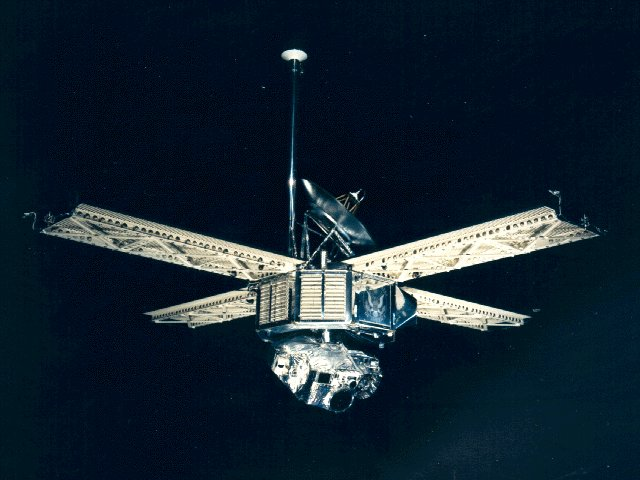
Fifty-six years ago, a revolutionary spacecraft launched toward the Red Planet after being saved from disaster by two quick-thinking technicians who risked their lives to prevent a rocket collapse
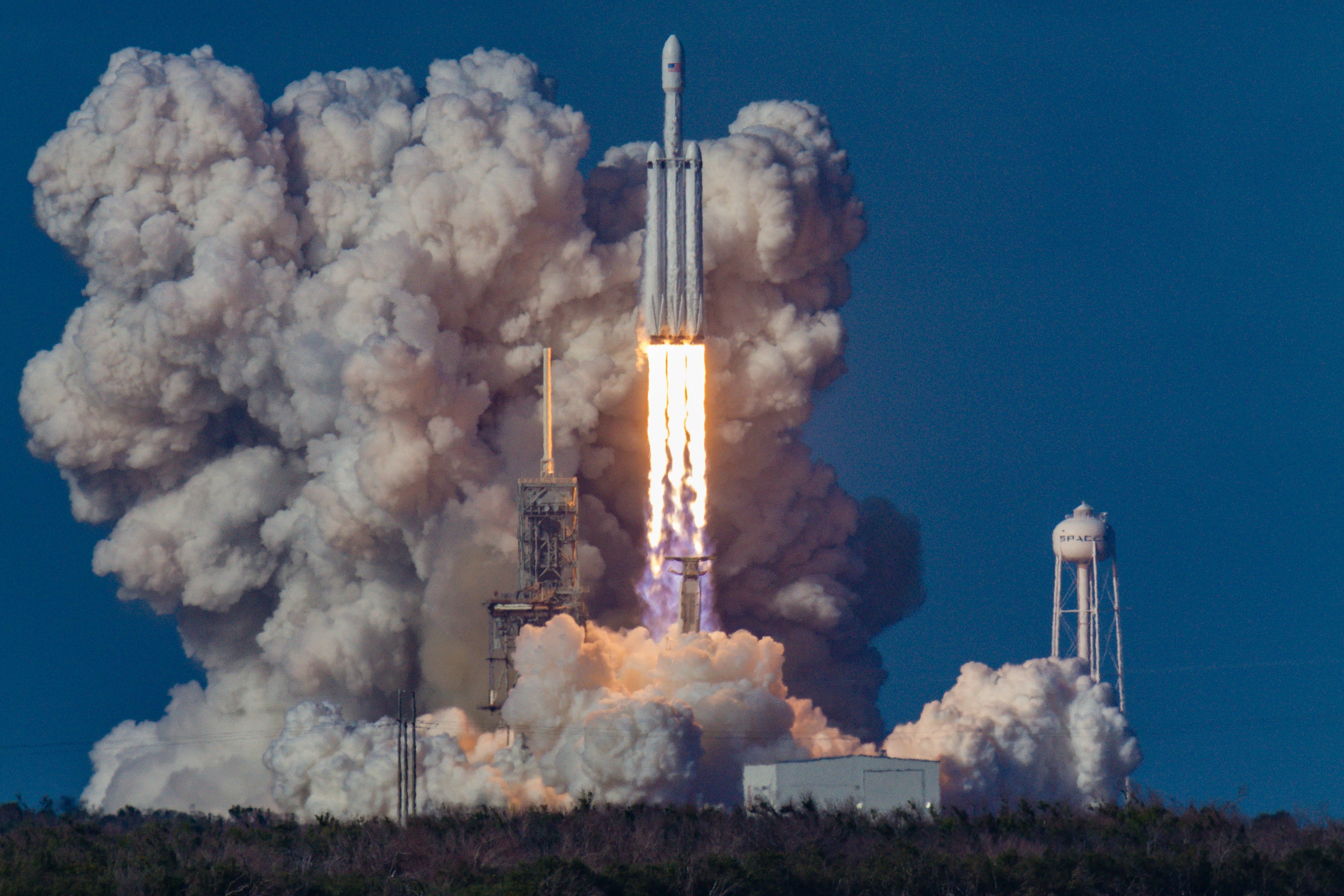
Virgin Media O2 launches Europe's first Starlink direct-to-smartphone service in the UK. SpaceX launches 29 more Starlink satellites. Dragon cargo capsule returns after 6-month ISS mission.

SpaceX scrubs a launch due to ground system issues while continuing its ambitious deployment of Starlink satellites.
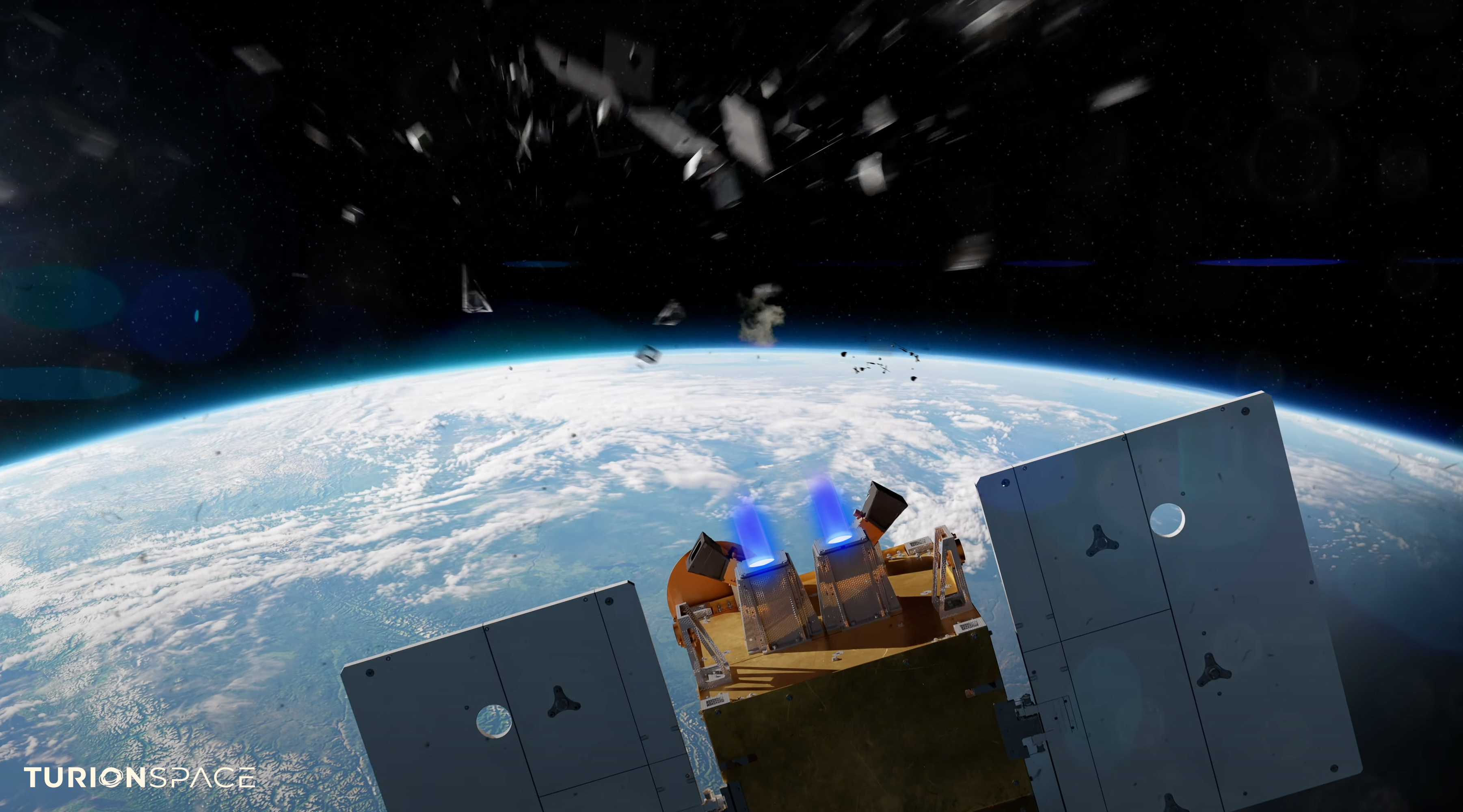
A 90-kilogram spacecraft with iodine thrusters and two Australian-built cameras is quietly building the case that tracking space debris is a business worth billions - and that a four-year-old startup from Irvine can own it.
SpaceX awarded $2.29 billion to build Space Force's LEO communications backbone, integrating with SDA Transport layer satellites for military tactical data relay through space.