



Space Brief 20 Nov 2025
Today's briefing covers a DARPA award for Redwire's innovative satellite project, Ursa Major's expansion in defense engines, a Rocket Lab military test flight, and more.


Launch Date
April 12, 1985
Launch Site
Launch Pad
LC39A
Launch Vehicle
Space Shuttle
NORAD ID
15643
International Designator
1985-028C
Epoch
Sat, 04 Jul 2026 01:53:02 GMT
Apogee
Calculating...
Perigee
Calculating...
Inclination
11.21°
Right Ascension
306.80°
Eccentricity
Calculating...
Argument of Perigee
306.98°
Period
1485.10 min
Mean Motion
0.97 rev/day
Latitude
Calculating...
Longitude
Calculating...
Altitude
Calculating...
Velocity
Calculating...
Name
LEASAT 3
Alternative Name
Leasat 3
Type
Status
Owner
HCI
Country
United States
Constellation
N/A
Related Satellites
Major Events
N/A
1 15643U 85028C 26185.07850488 -.00000131 00000-0 00000-0 0 9990
2 15643 11.2058 306.8022 0078133 306.9781 50.1396 0.96963337136779
Source: Celestrak
Length
4
Diameter
4.3
Span
6.2
Dry Mass
1230
Launch Mass
3231
Shape
Cyl + Ant
Radar Cross Section
13.9921
Visual Magnitude
Unknown
Color
Unknown
Material Composition
Unknown
Payload
Syncom IV-3
Purpose
Communication
Mission
Communication
Manufacturer
HSES
Life Expectancy
12 years
Bus
HS-381
Configuration
HS-381
Motor
R-4D-10 x2
Equipment
13 UHF transponders
Power System
Solar cells, batteries
ADCS
Unknown
Transmitter Frequency
Unknown
Learn more about satellites and other related topics.
Today's briefing covers a DARPA award for Redwire's innovative satellite project, Ursa Major's expansion in defense engines, a Rocket Lab military test flight, and more.

Key updates include a potential delay for the Starship lunar lander, successful static fire tests for Ship 38, and the latest Starlink satellite launch plans.
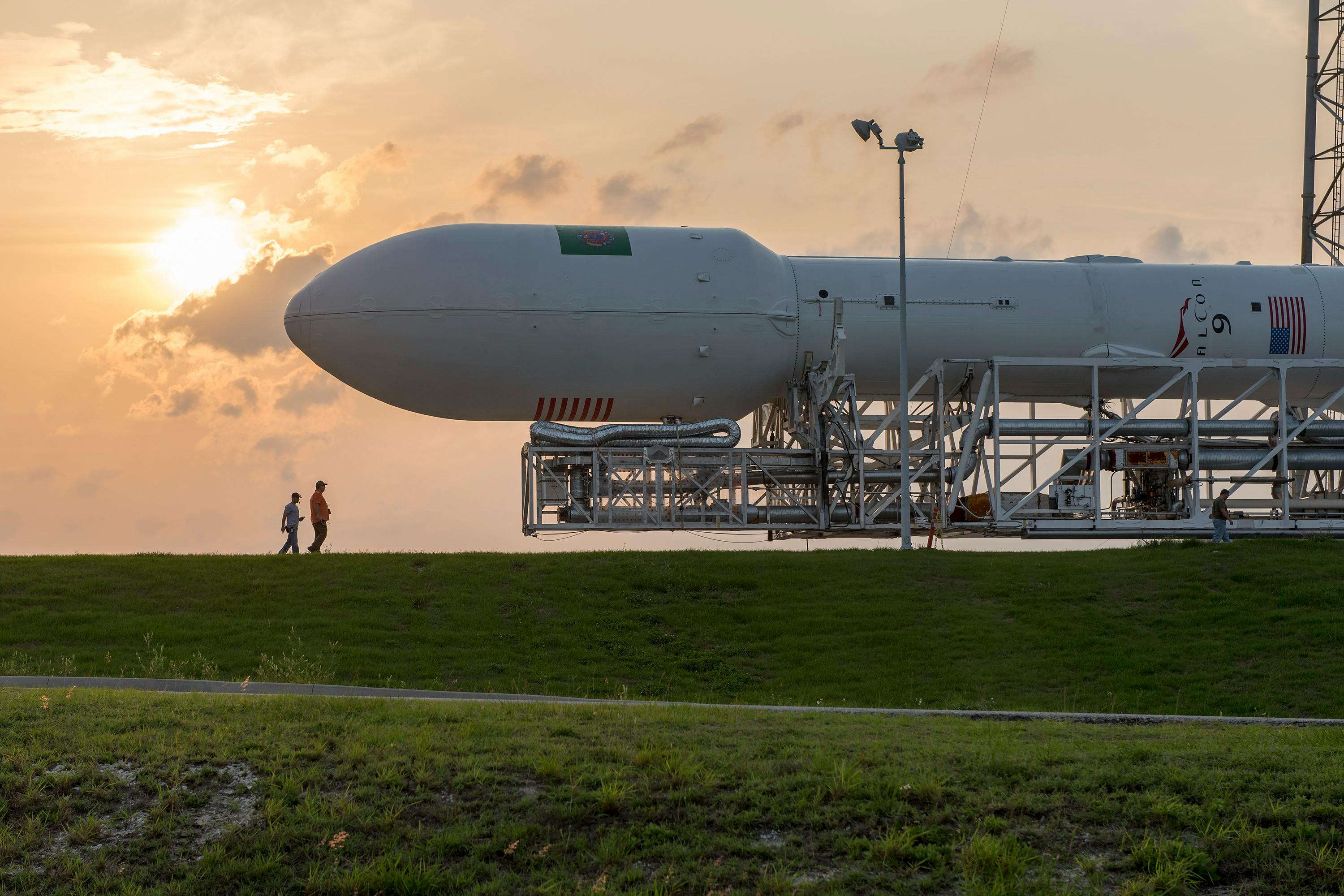
SpaceX's Falcon 9 delivered Northrop Grumman's second Cygnus XL — carrying over 5 tons of cargo — to the ISS on April 11, 2026.
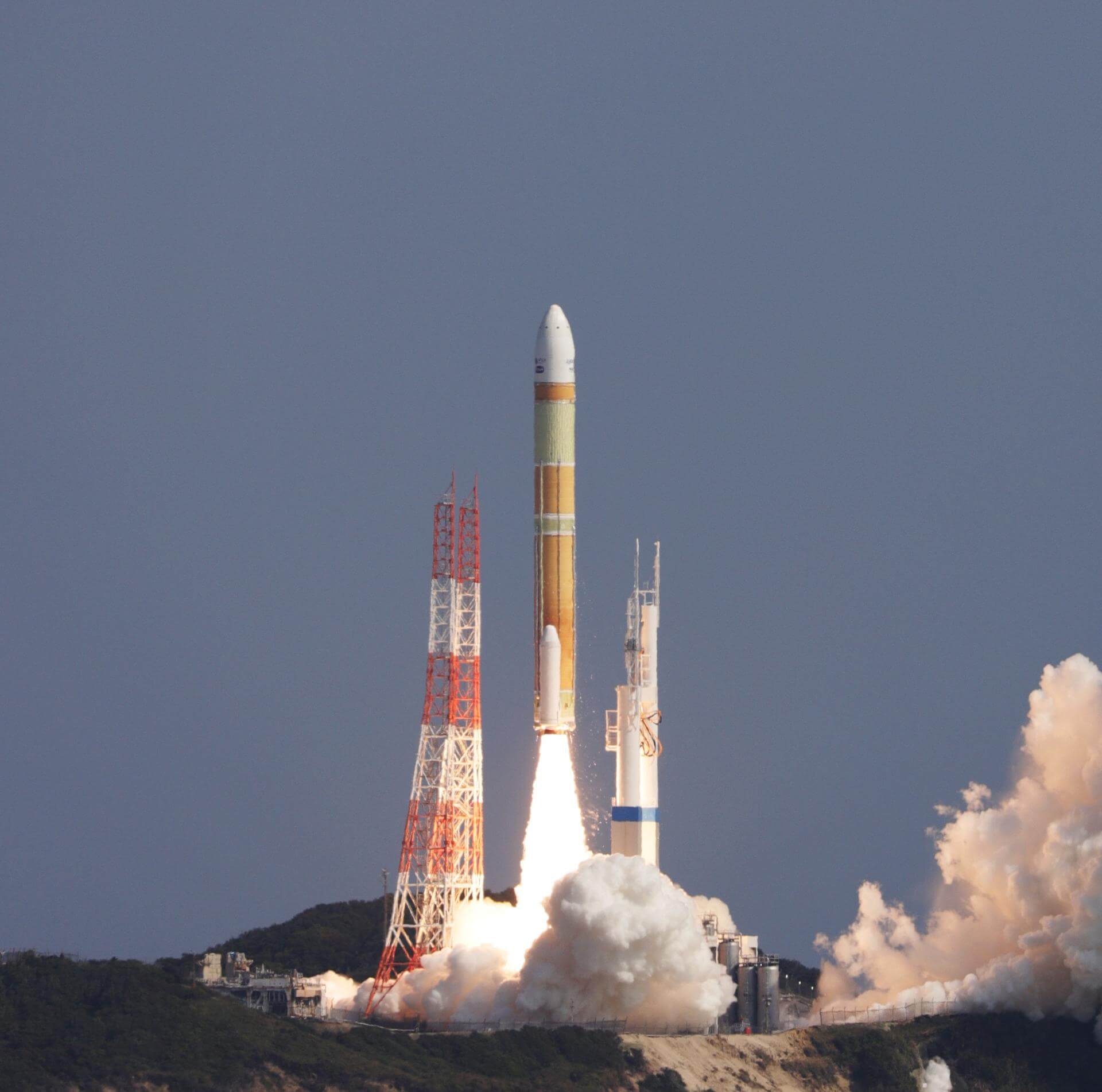
Explore today's pivotal news in space with highlights on record government space budgets, military satellite developments, and significant industry shifts.
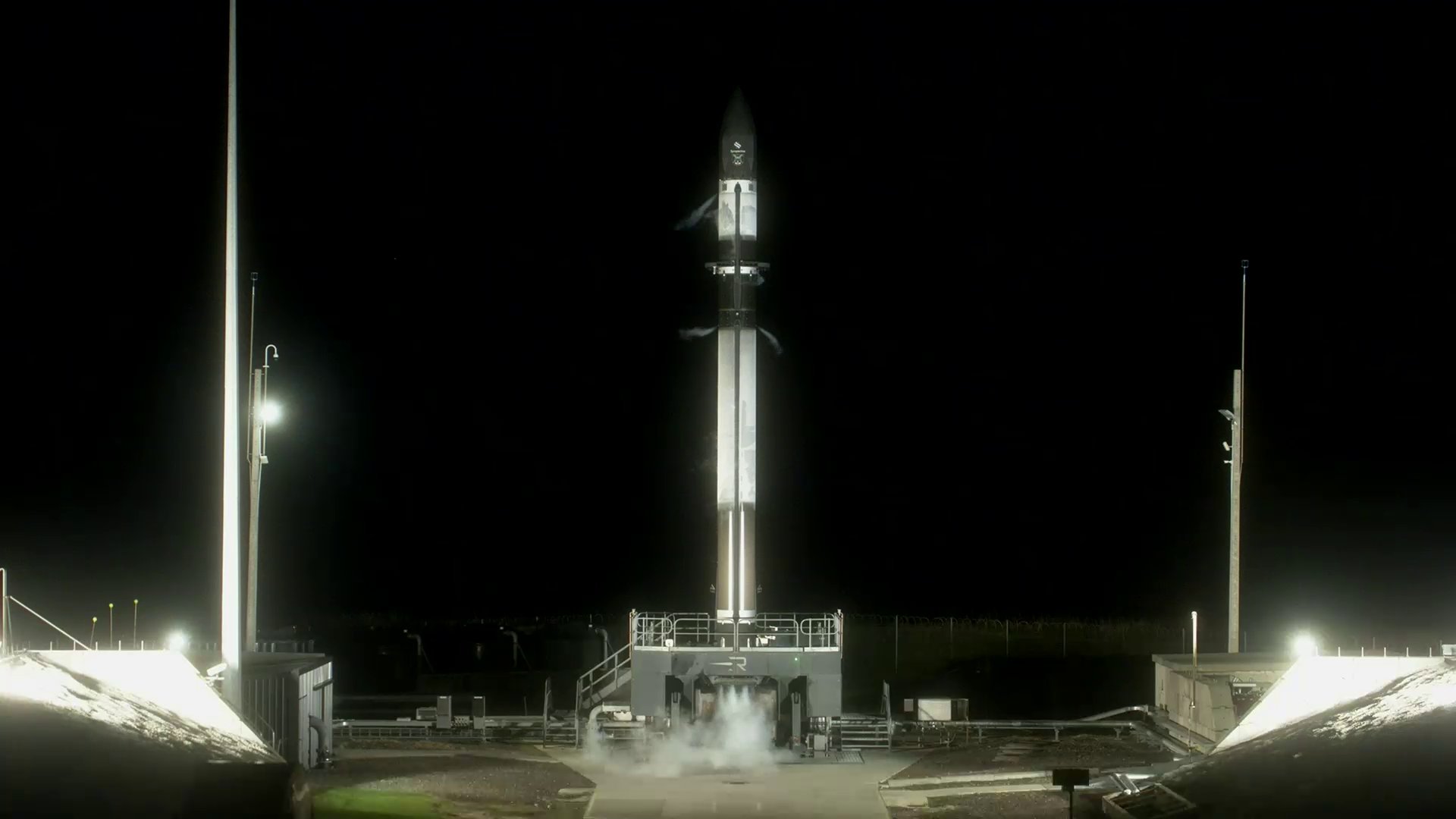
Space Force confirms plan to double active-duty Guardians by 2030, targeting faster response to satellite anomalies and adversary maneuvers in space domain awareness operations.
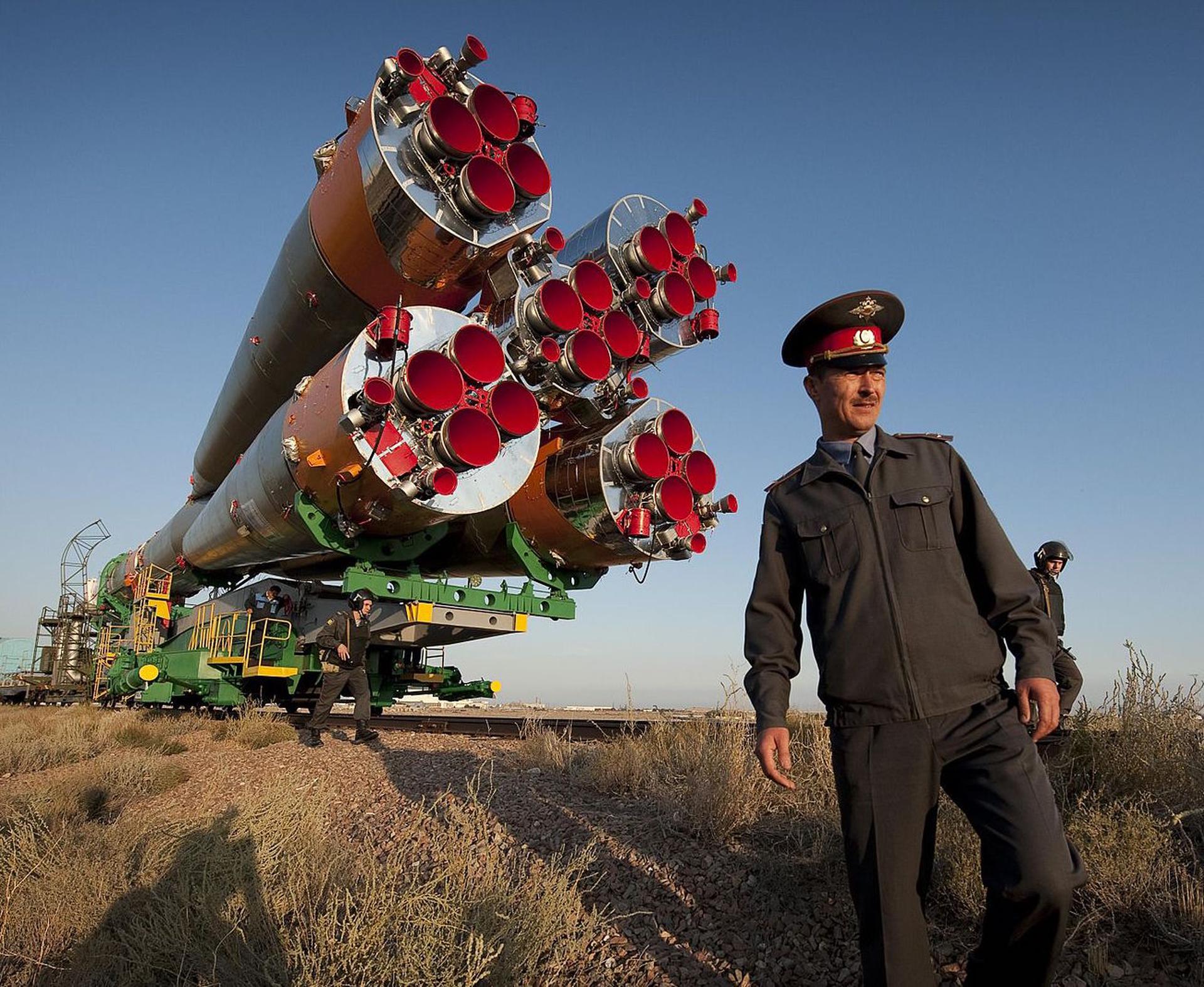
Today's Space Brief highlights emerging technologies in space, a contract for U.S. Space Force missions, developments in military operations, and updates on drone advancements.

SpaceX conducted significant test firings and further expanded its satellite fleet, while the EU scrutinizes Starlink's market impact amid ongoing space industry negotiations.
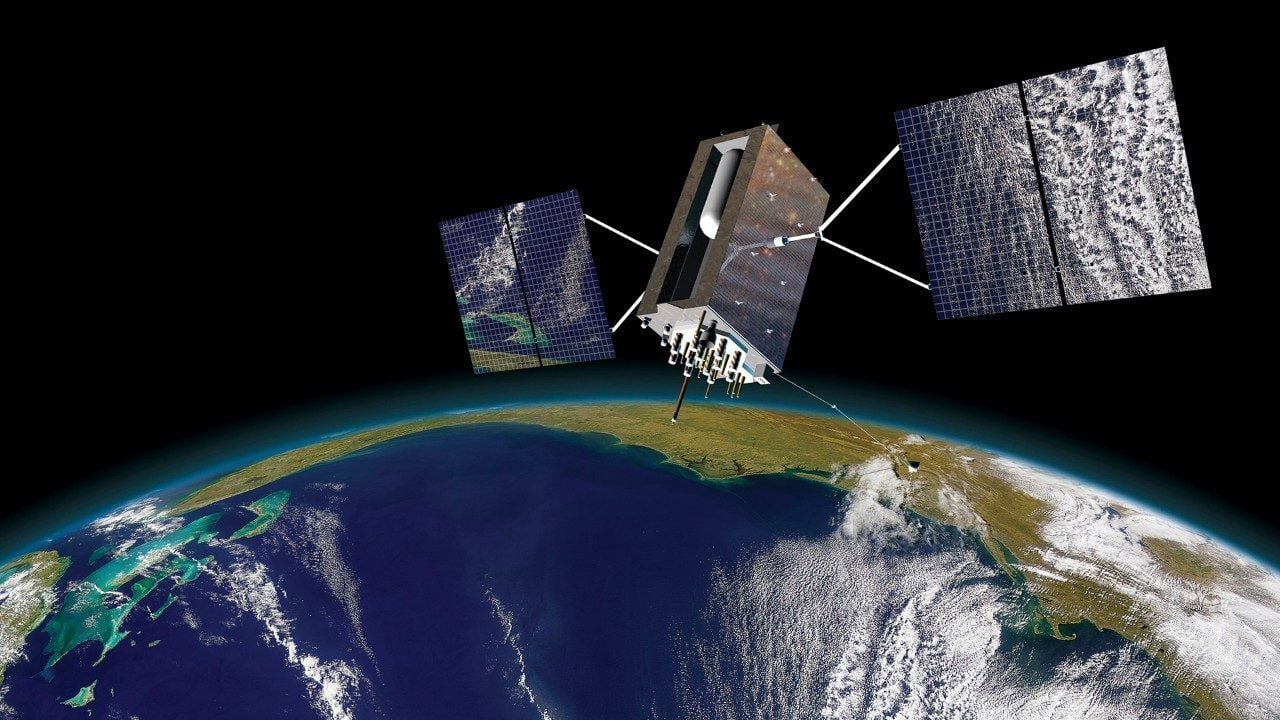
On April 17, 2026, the U.S. Space Force officially cancelled the Next Generation Operational Control System after sixteen years of development, cost overruns, and testing failures. The $8 billion program was supposed to unlock the military's encrypted GPS signal. Instead, the satellites are flying with capabilities the ground can't command.