


Space Brief 2 Dec 2025
Today's brief covers China's classified Shijian-28 satellite launch, AI-designed spacecraft records, and upcoming global launch activities.


Launch Date
March 25, 1985
Launch Site
Launch Pad
LC1
Launch Vehicle
Soyuz-U
NORAD ID
15634
International Designator
1985-026A
Decay Date
10/18/1985
Name
COSMOS 1643
Alternative Name
Kosmos-1643
Type
Status
Owner
GUKOS
Country
USSR
Constellation
N/A
Related Satellites
Major Events
N/A
Length
7.5
Diameter
2.7
Span
8.5
Dry Mass
3390
Launch Mass
3390
Shape
Cyl + 2 Pan
Radar Cross Section
79.02
Visual Magnitude
Unknown
Color
Unknown
Material Composition
Unknown
Payload
Terilen No. 4L
Purpose
Reconnaissance, photo (data transmitting)
Mission
Reconnaissance, photo (data transmitting)
Manufacturer
TSSKB
Life Expectancy
Unknown
Bus
Yantar'-4KS1
Configuration
Yantar Bus
Motor
Unknown
Equipment
Unknown
Power System
2 deployable solar arrays, batteries
ADCS
Unknown
Transmitter Frequency
Unknown
Learn more about satellites and other related topics.
Today's brief covers China's classified Shijian-28 satellite launch, AI-designed spacecraft records, and upcoming global launch activities.
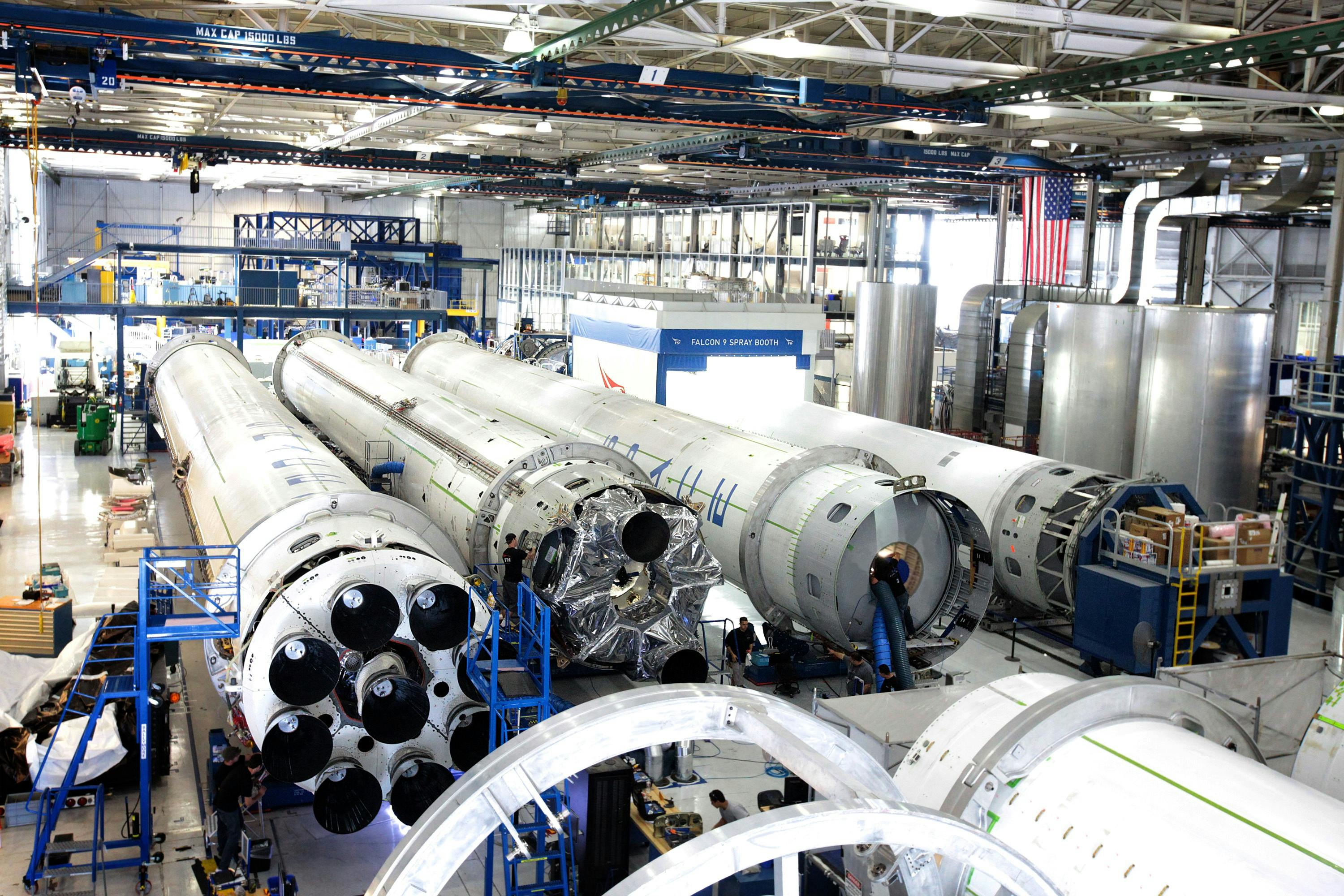
SpaceX wraps up a record-breaking year with successful launches and advancements in Starlink mega-constellation.
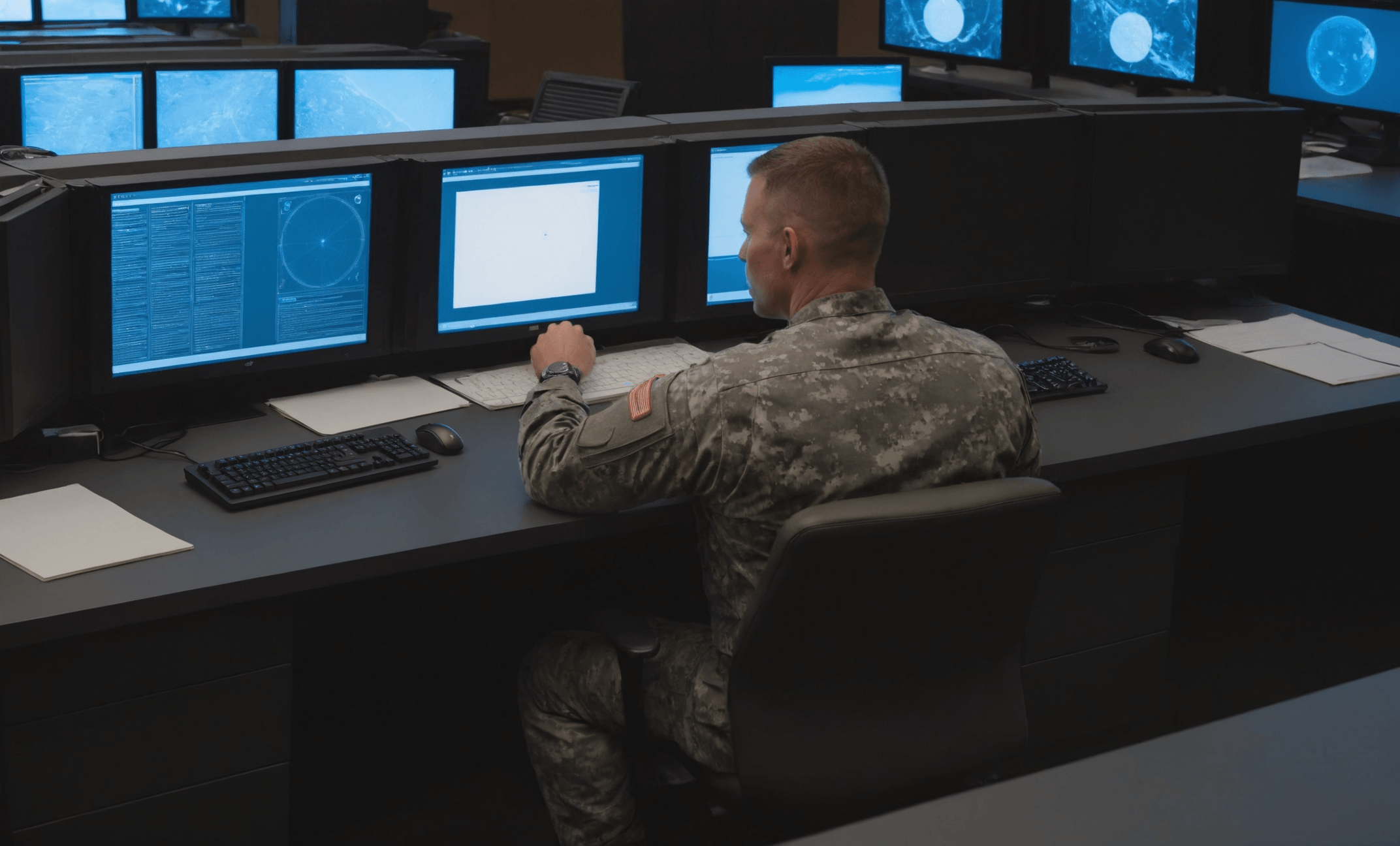
Today's highlights include the destruction of ABL Space Systems' rocket due to engine leaks, Firefly Aerospace's lunar lander pre-launch tests, and insights on U.S. military's space domain awareness enhancements.
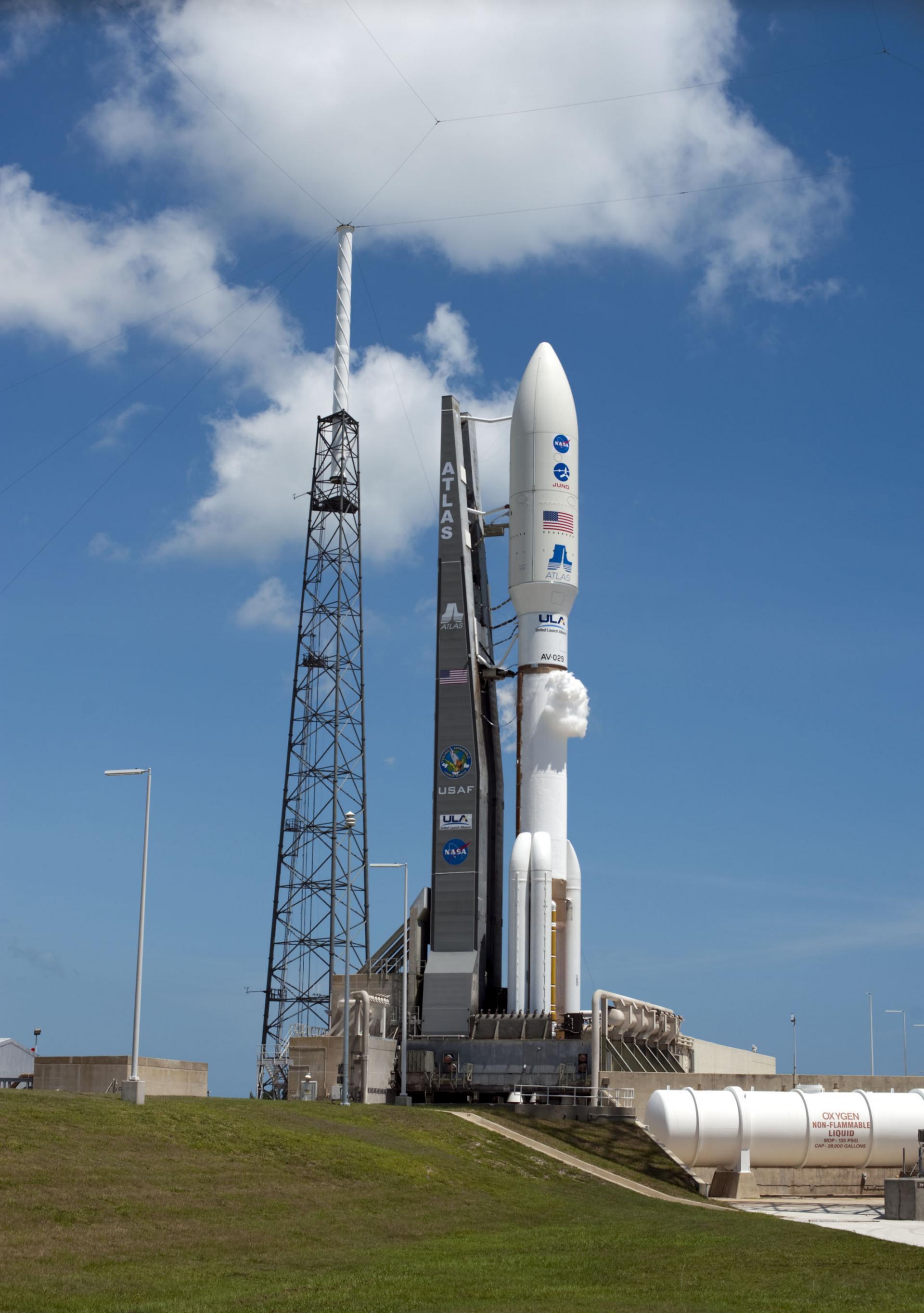
Highlights include China's recent satellite launch, advancements in nuclear propulsion, non-kinetic tech developments for maritime defense, SpaceX's direct-to-device spectrum tests, and maneuvering satellites for Space Force missions.
Explore the latest in satellite launches and space reconnaissance as Lockheed Martin, SpaceX, and military entities push forward with innovative missions. A new propulsion clean room marks growth in satellite tech.
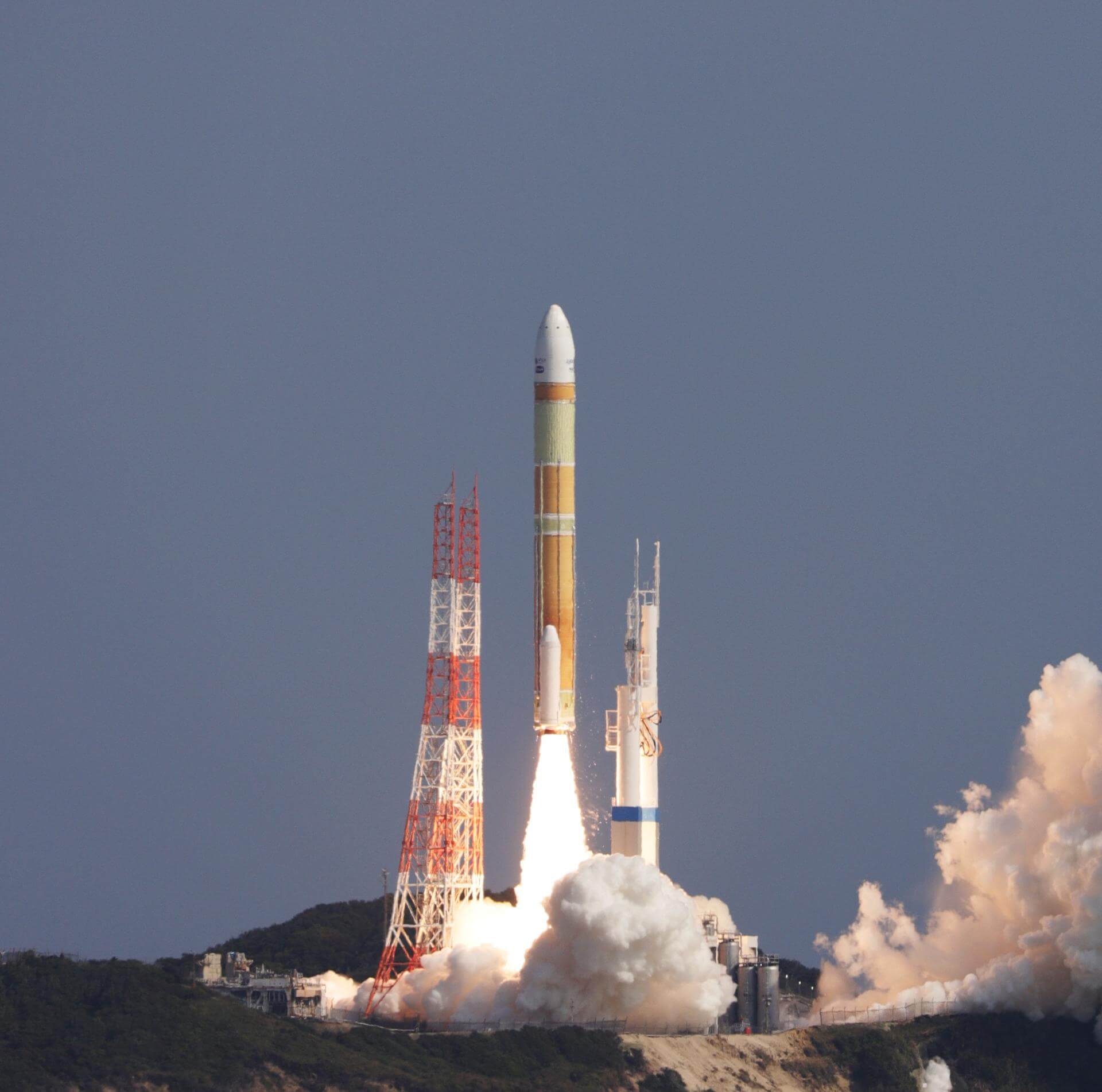
Explore today's pivotal news in space with highlights on record government space budgets, military satellite developments, and significant industry shifts.
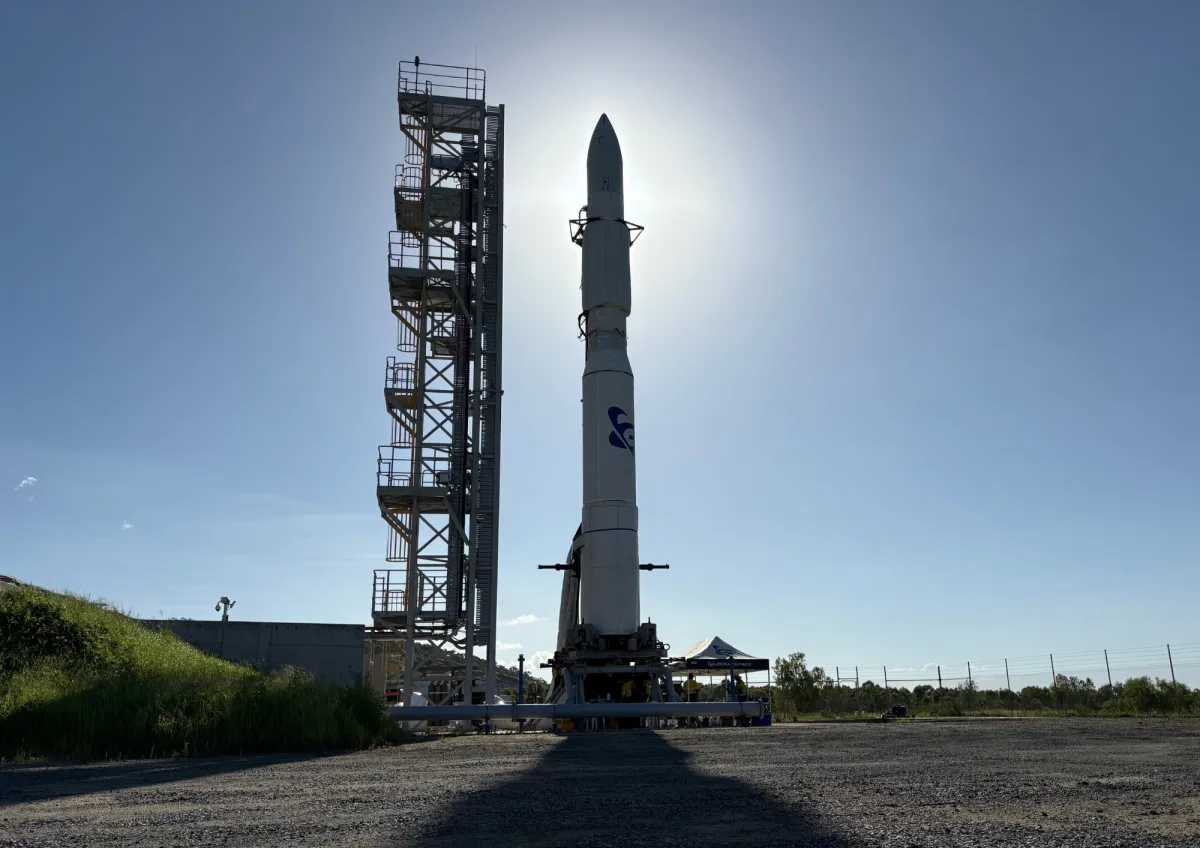
Today's space highlights include significant military contracts for aerospace innovations, advancements in small-satellite procurement, and discussions on the role of nuclear energy in space exploration.

The Kessler Syndrome threatens humanity's future in space as cascading satellite collisions create exponential debris growth. With 36,000+ tracked objects and recent incidents accelerating risks, we face a critical juncture: implement solutions now or potentially lose access to low Earth orbit forever.