


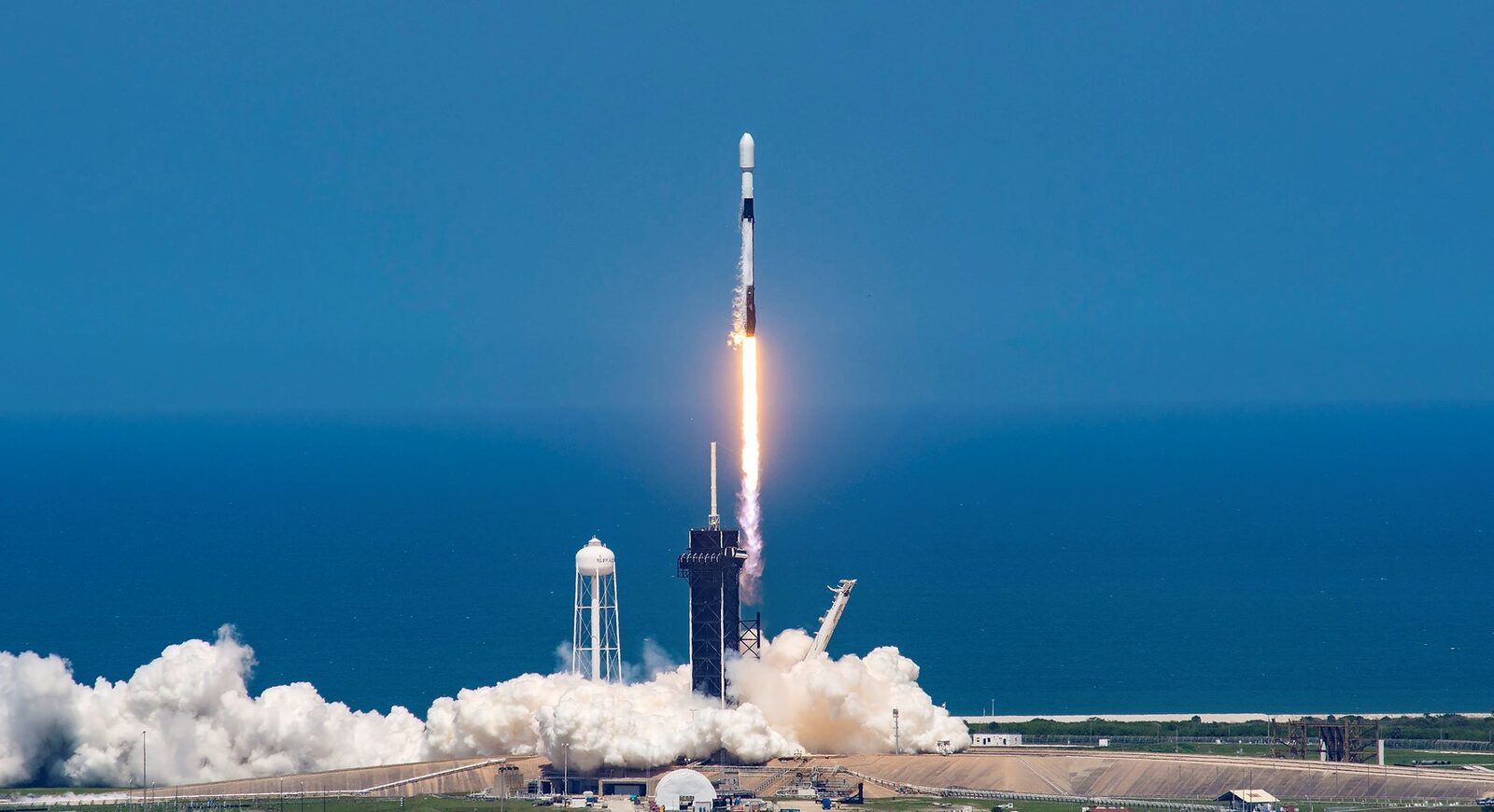
Long March 10B Debut Highlights 4-Launch Week | KeepTrack Week in Review
This week: China's Long March 10B debuted successfully, SpaceX merged with xAI, and Starlink topped 10,775 satellites in orbit.


Launch Date
March 22, 1985
Launch Site
Launch Pad
LC36B
Launch Vehicle
Atlas G Centaur
NORAD ID
15629
International Designator
1985-025A
Epoch
Sat, 04 Jul 2026 06:01:27 GMT
Apogee
Calculating...
Perigee
Calculating...
Inclination
13.74°
Right Ascension
340.35°
Eccentricity
Calculating...
Argument of Perigee
22.40°
Period
1465.16 min
Mean Motion
0.98 rev/day
Latitude
Calculating...
Longitude
Calculating...
Altitude
Calculating...
Velocity
Calculating...
Name
INTELSAT 510
Alternative Name
INTELSAT 510
Type
Status
Owner
INTEL
Country
INTELSAT
Constellation
N/A
Related Satellites
Major Events
N/A
1 15629U 85025A 26185.25100862 -.00000212 00000-0 00000-0 0 9995
2 15629 13.7385 340.3504 0030937 22.4022 155.0957 0.98282916115346
Source: Celestrak
Length
6.4
Diameter
2
Span
15.6
Dry Mass
922
Launch Mass
1092
Shape
Box + 2 Pan
Radar Cross Section
4.1292
Visual Magnitude
Unknown
Color
Unknown
Material Composition
Unknown
Payload
INTELSAT VA F10
Purpose
Communication
Mission
Communication
Manufacturer
FORDA
Life Expectancy
9 years
Bus
FS INTELSAT 5
Configuration
Intelsat-5 bus
Motor
Star 37XF
Equipment
26 C-band transponders, 6 Ku-band transponders
Power System
2 deployable solar arrays, batteries
ADCS
Unknown
Transmitter Frequency
Unknown
Learn more about satellites and other related topics.
This week: China's Long March 10B debuted successfully, SpaceX merged with xAI, and Starlink topped 10,775 satellites in orbit.
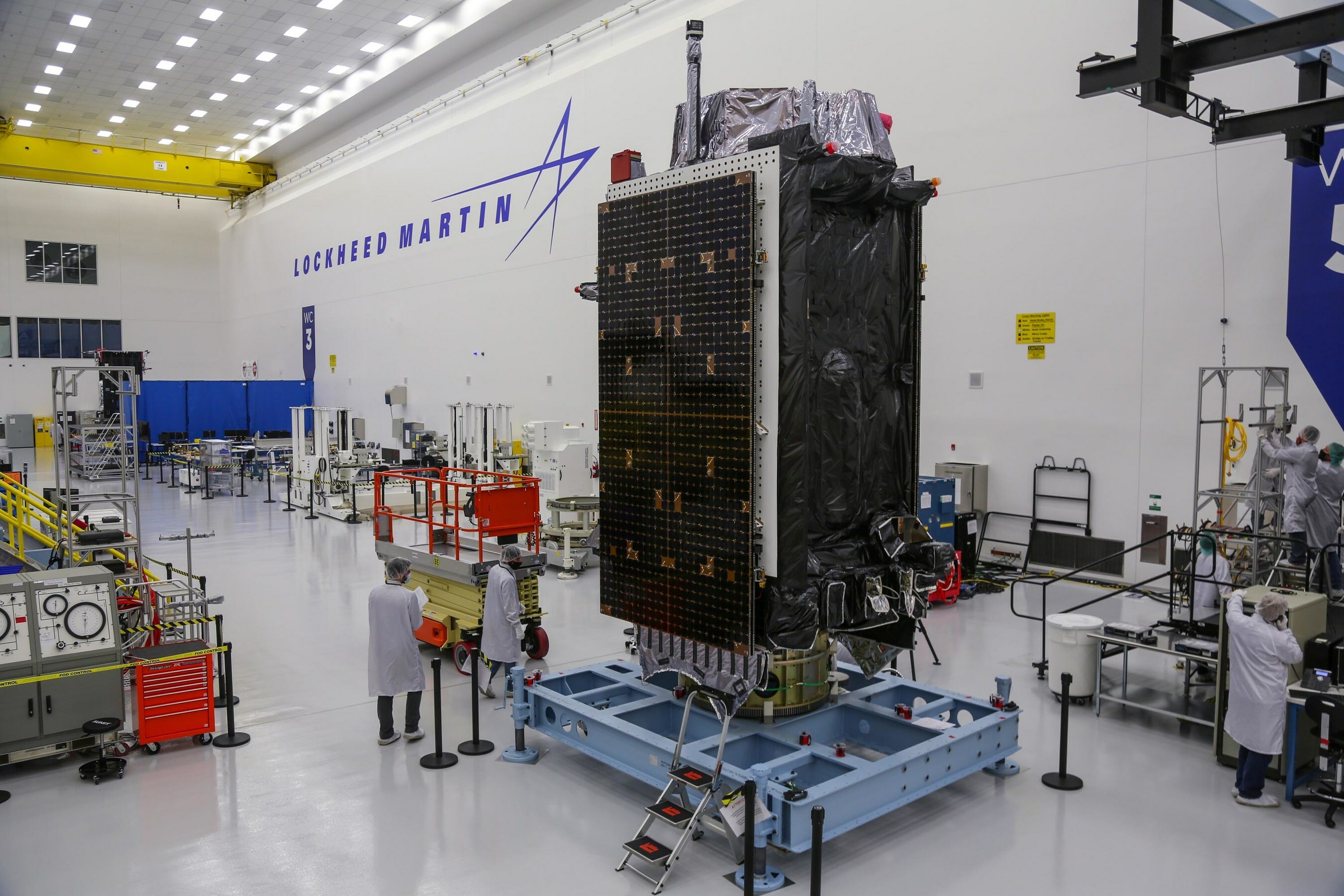
On April 21, 2026, the tenth and final GPS Block III satellite reached medium Earth orbit aboard a SpaceX Falcon 9. Named for Hedy Lamarr, the actress whose 1942 frequency-hopping patent underpins modern GPS, SV10 closes a procurement that took eight years to deliver hardware and opens the optical-crosslink era that will define the constellation's next decade.
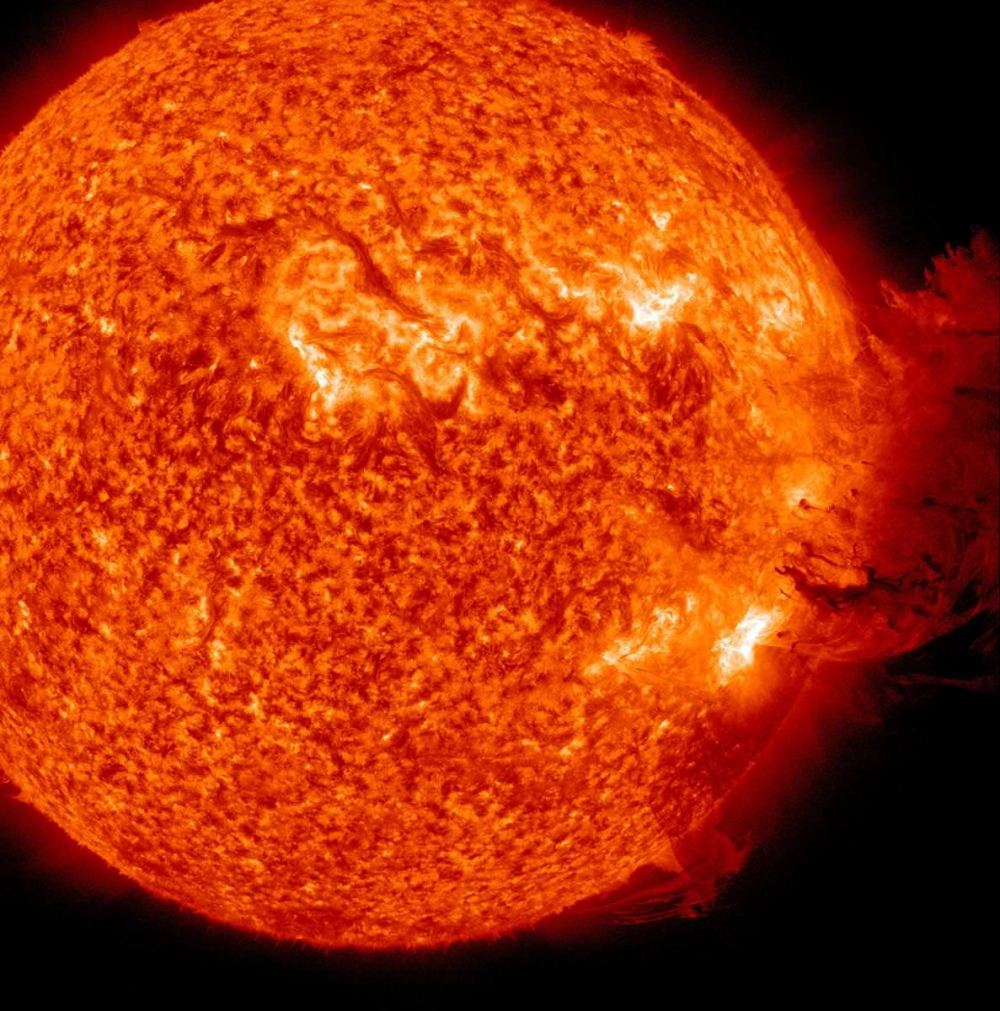
Fifteen years ago, NASA launched its most advanced solar observatory, revolutionizing our understanding of our star and transforming space weather prediction

Discover the latest developments in space defense, innovative satellite technologies, nuclear advancements in space travel, and strategic military updates.
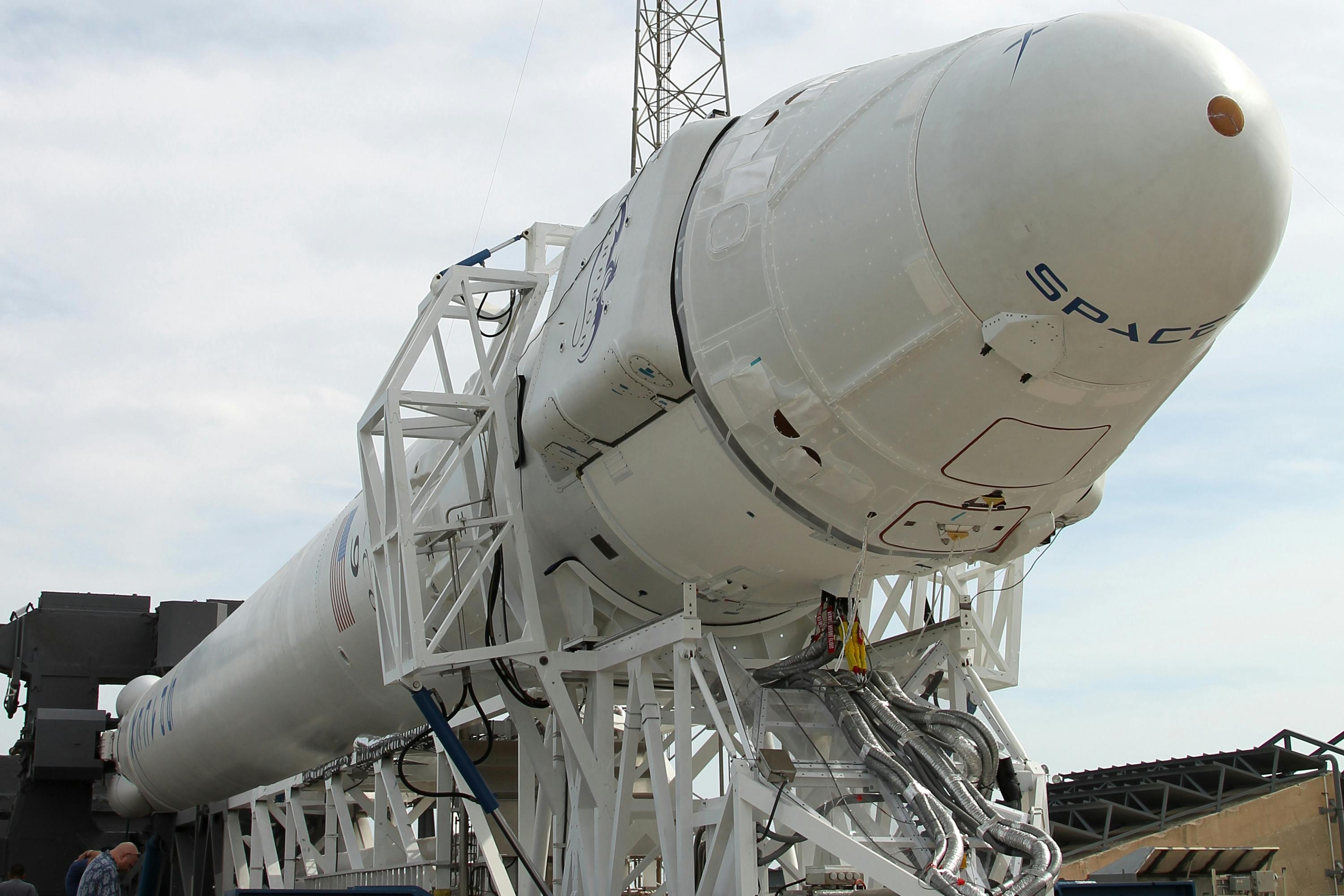
SpaceX targets July 16 for Starship Flight 13 from Starbase, aiming to fix Flight 12 issues and deploy working Starlink satellites.
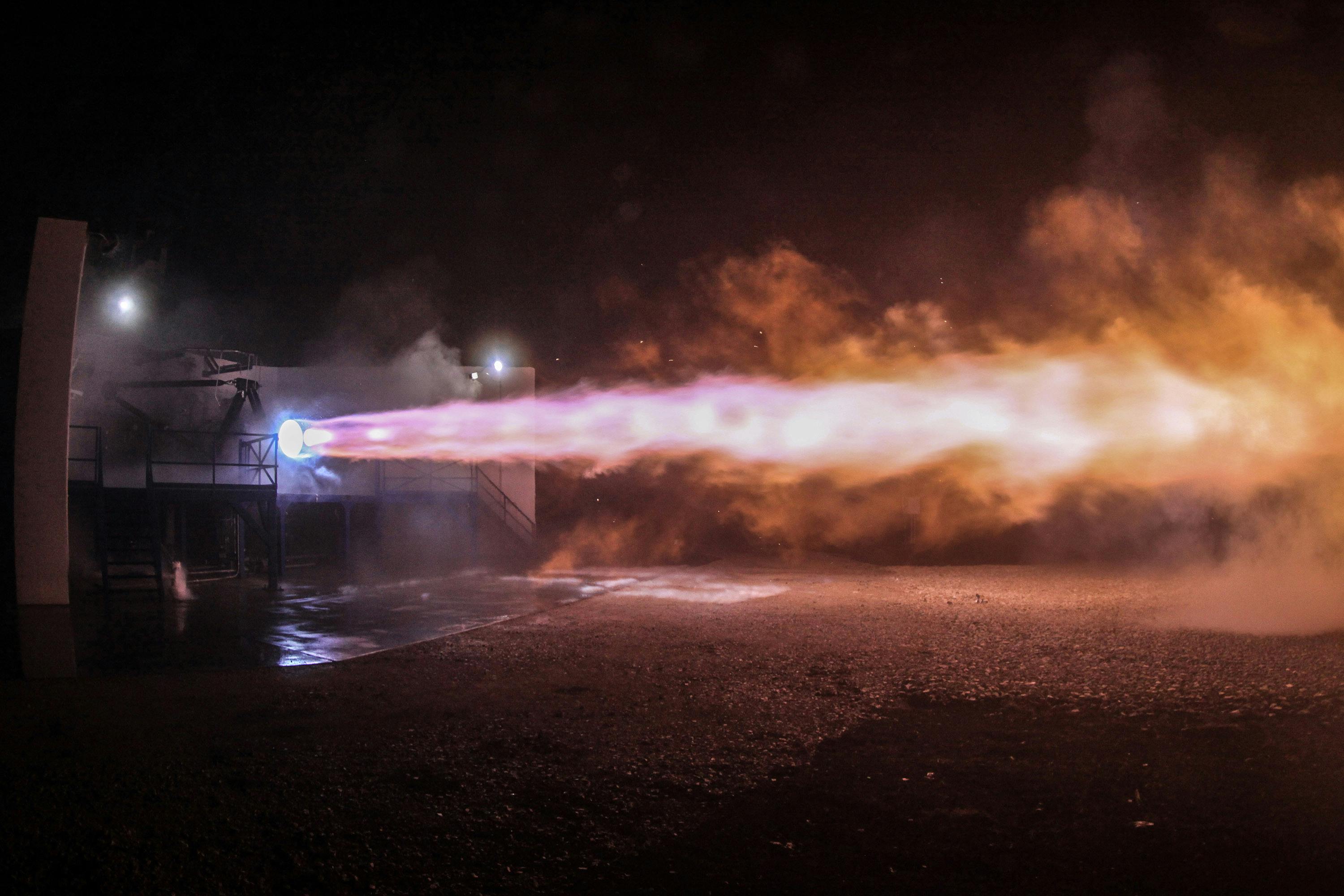
SpaceX pauses all Falcon 9 launches after upper stage anomaly during Starlink mission. Crew-12 astronaut launch may be affected. Booster 19 rolls out for cryogenic testing.

Today's report highlights the causes behind a recent Starship explosion, a significant delay in Axiom-4's launch, and the ongoing tension surrounding SpaceX's market dominance.
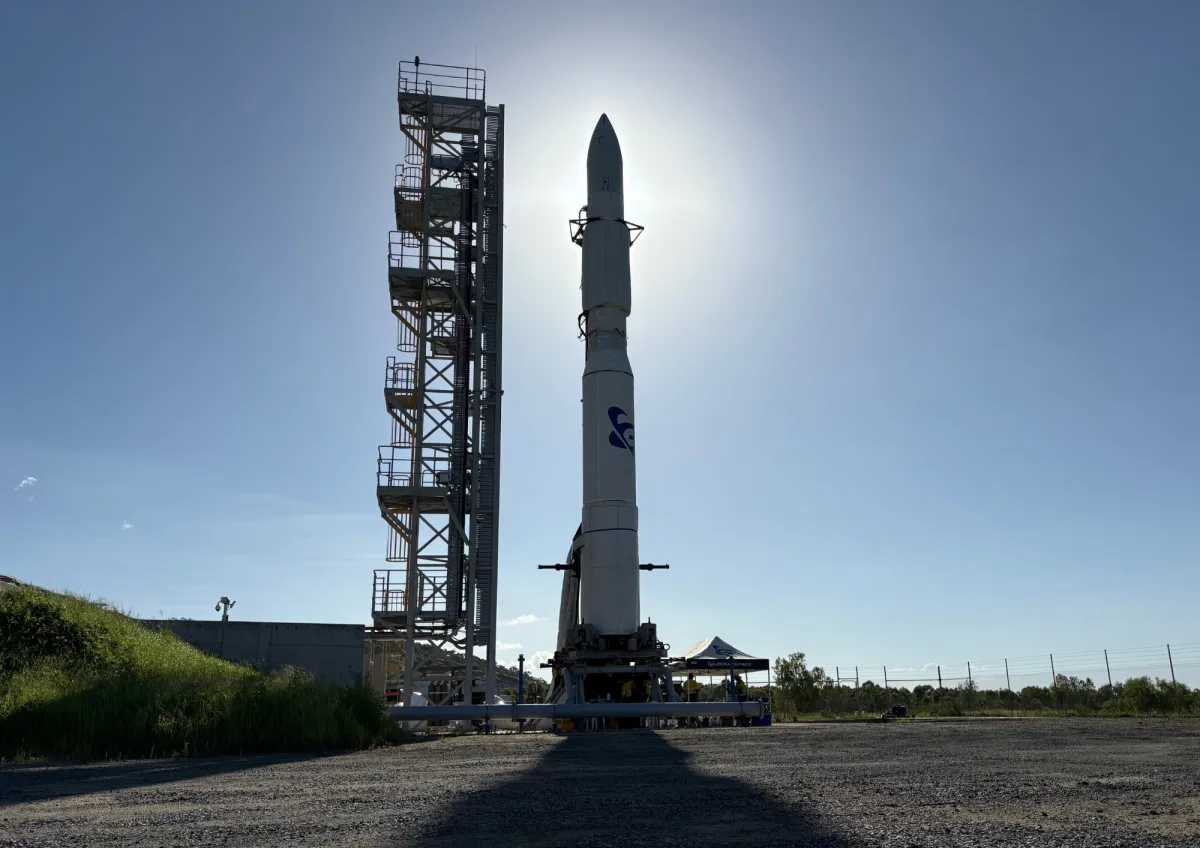
Key insights from the latest SpaceX Starship breakup, the establishment of a new satellite mobile service, and enhancing America's missile shield capabilities through satellites.