


Space Brief 25 Jan 2025
Today's Space Brief covers pivotal updates in military space capabilities, defense acquisitions, the UK's nuclear enhancements, and Boeing's financial challenges.



Launch Date
September 30, 1983
Launch Site
PLMSC
Launch Pad
LC132/1
Launch Vehicle
Kosmos 11K65M
NORAD ID
15586
International Designator
1983-101U
Decay Date
12/23/1985
Name
COSMOS 1501 DEB
Alternative Name
Kosmos-1501 SS 17
Type
Status
Owner
PVO
Country
USSR
Constellation
N/A
Related Satellites
Major Events
N/A
Length
0.2
Diameter
0.2
Span
0.2
Dry Mass
5
Launch Mass
5
Shape
Sphere
Radar Cross Section
0.46
Visual Magnitude
Unknown
Color
Unknown
Material Composition
Unknown
Payload
ESO
Purpose
Unknown
Mission
Unknown
Manufacturer
YUZH
Life Expectancy
Unknown
Bus
ESO
Configuration
Unknown
Motor
Unknown
Equipment
Unknown
Power System
Unknown
ADCS
Unknown
Transmitter Frequency
Unknown
Learn more about satellites and other related topics.
Today's Space Brief covers pivotal updates in military space capabilities, defense acquisitions, the UK's nuclear enhancements, and Boeing's financial challenges.

Explore the latest advancements in satellite technology, military satellite applications, and collaborative efforts in hypersonic vehicle tracking. Discover the transformative power of new deals shaping global communication networks.
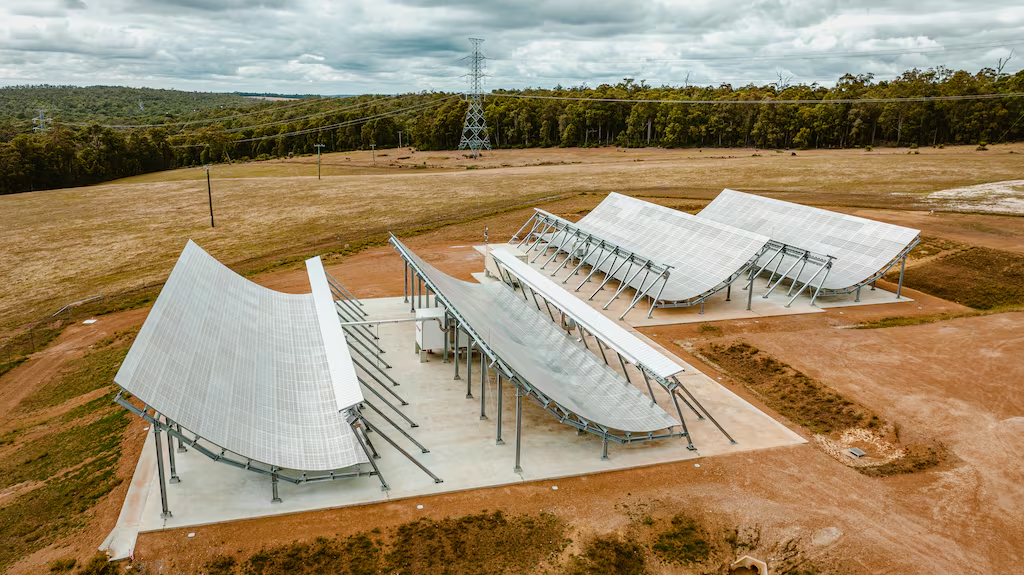
A startup built on Cold War-era radar science now tracks 25,000 objects in orbit - and the Pentagon can't get enough of it. But can its radars really compete with the Space Surveillance Network?

Space Force contracts Viasat and SES for $437M Protected Tactical Satcom-Global program. Blue Origin clears New Glenn for flights after Flight 3 investigation.
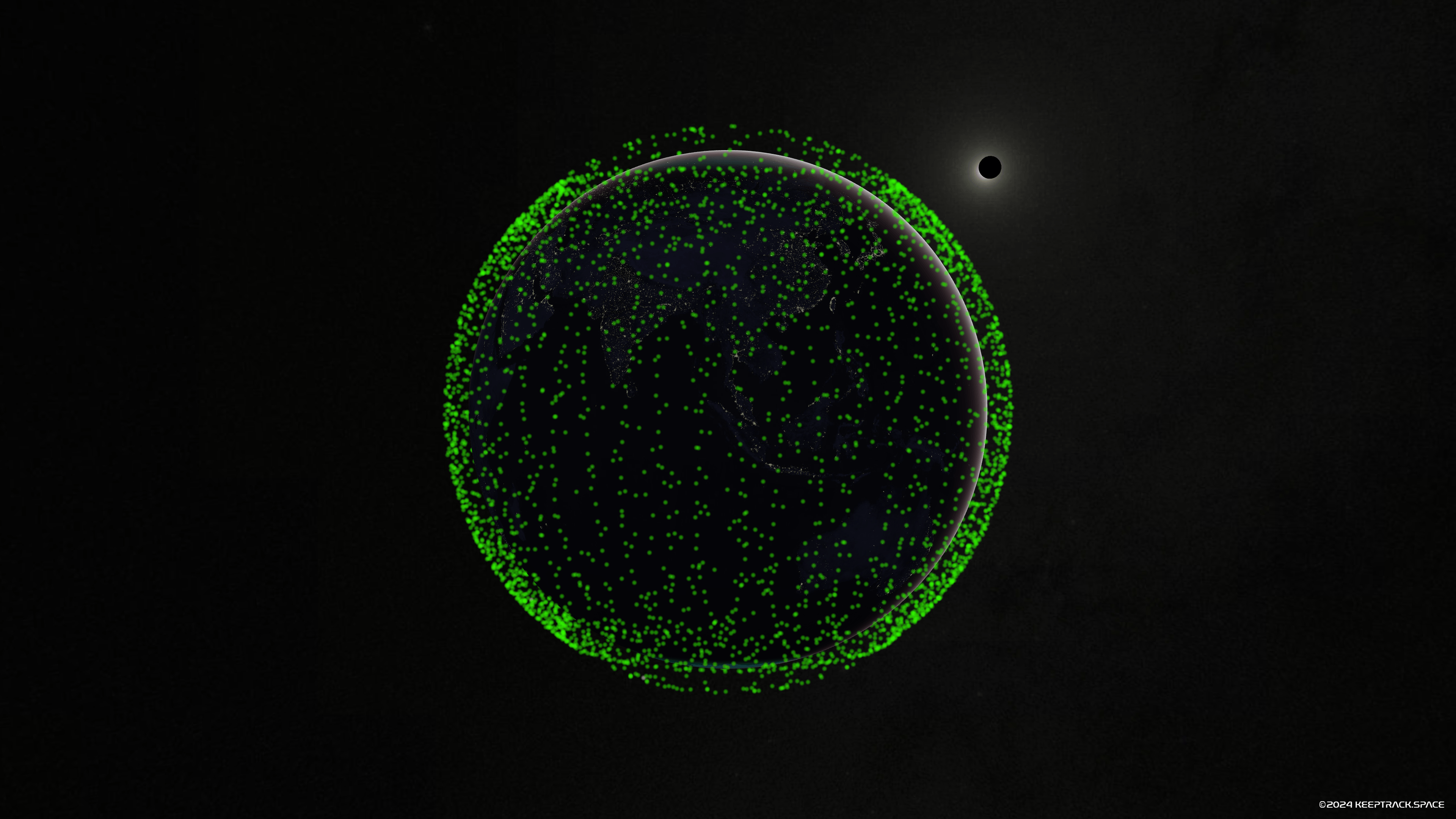
SpaceX's Starlink constellation has grown at an astonishing rate, now accounting for over 20% of all trackable objects in orbit. With plans for tens of thousands more, Starlink is on the cusp of forever changing the landscape of Earth's near-space environment.
Today's brief covers the Army's move to create a space career field for enlisted soldiers, Terran Orbital's involvement in a Space Force tech program, advancements in missile warning systems, a first flight test by Inversion Space, and more.
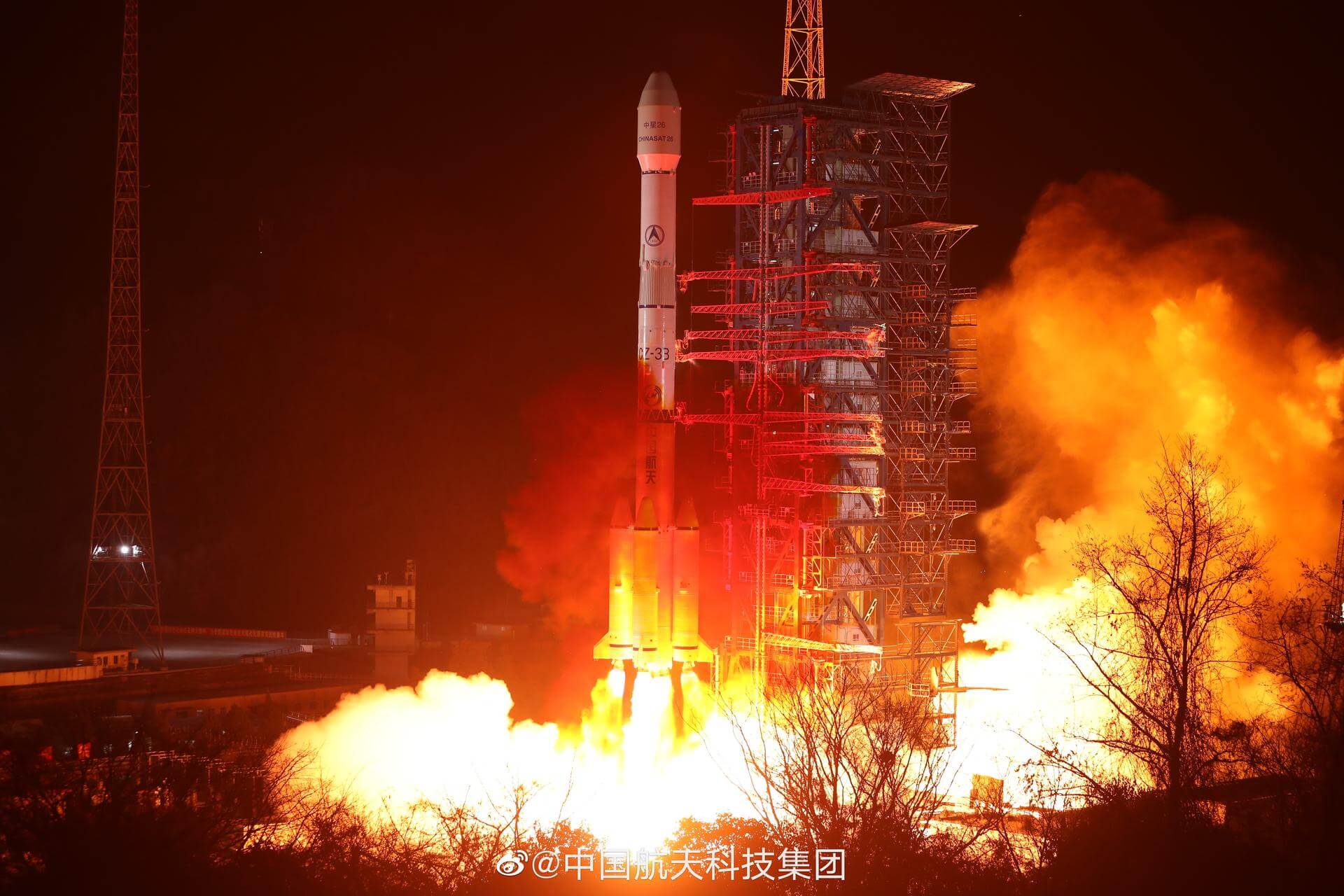
Focusing on military satellite initiatives, defense strategies, and advancements in air and cyber capabilities
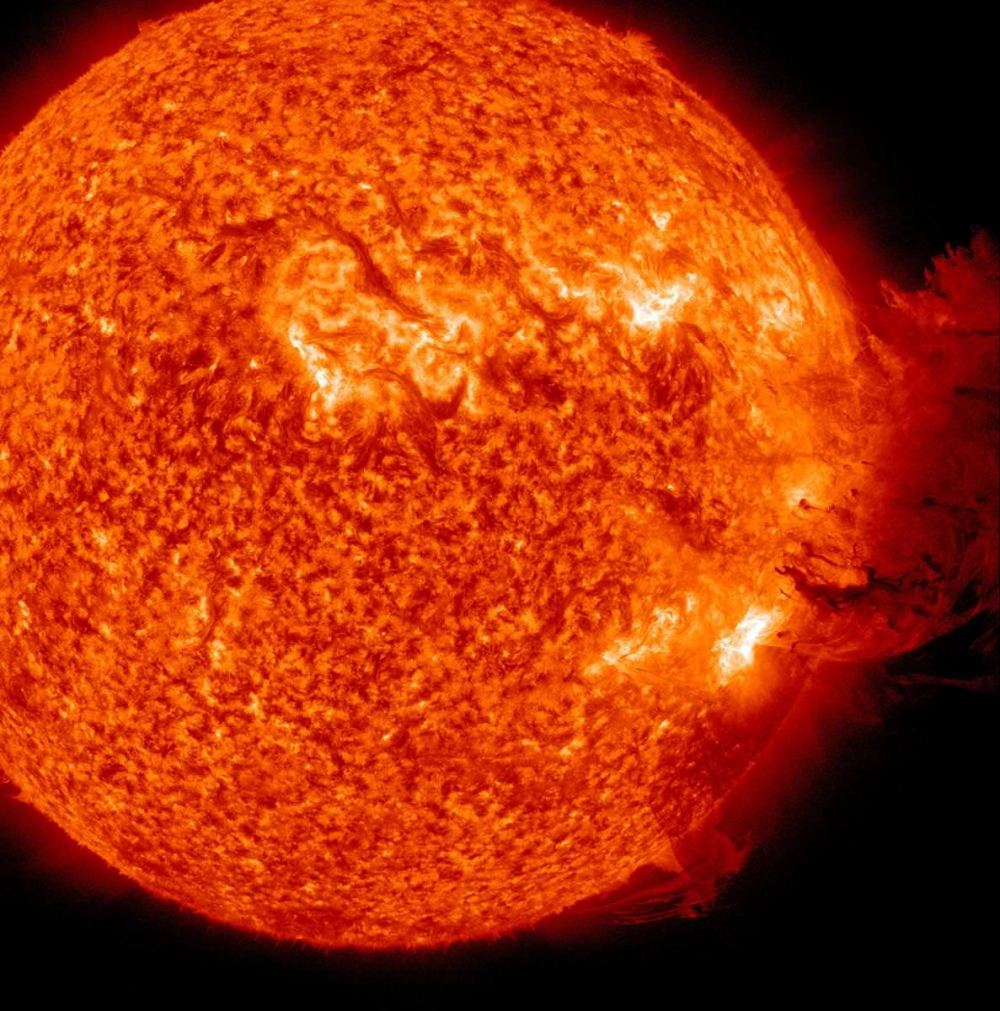
Fifteen years ago, NASA launched its most advanced solar observatory, revolutionizing our understanding of our star and transforming space weather prediction