

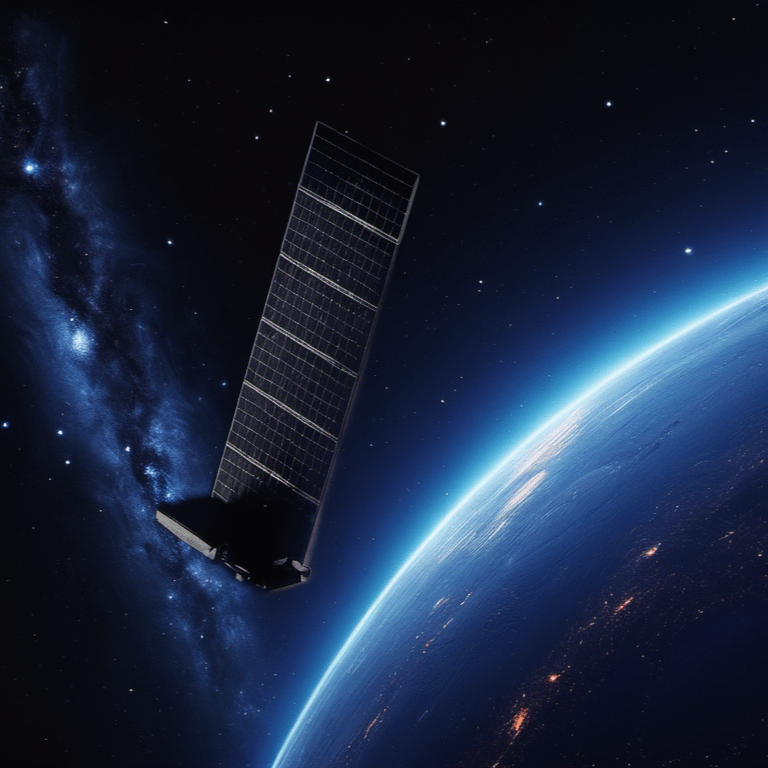
SpaceX and Starlink
This article delves into SpaceX's incredible journey from its inception to becoming a space industry leader, and its Starlink project's mission to provide global internet access.


Launch Date
February 27, 1985
Launch Site
PLMSC
Launch Pad
LC132/1
Launch Vehicle
Kosmos 11K65M
NORAD ID
15584
International Designator
1985-018A
Decay Date
12/8/1990
Name
COSMOS 1631
Alternative Name
Kosmos-1631
Type
Status
Owner
PVO
Country
USSR
Constellation
N/A
Related Satellites
Major Events
N/A
Length
2
Diameter
2
Span
2
Dry Mass
570
Launch Mass
570
Shape
Sphere
Radar Cross Section
7.858
Visual Magnitude
Unknown
Color
Unknown
Material Composition
Unknown
Payload
Taifun-1A
Purpose
Radar calibration
Mission
Radar calibration
Manufacturer
YUZH
Life Expectancy
Unknown
Bus
Vektor
Configuration
2 m sphere
Motor
None
Equipment
Unknown
Power System
Solar cells, batteries
ADCS
Unknown
Transmitter Frequency
Unknown
Learn more about satellites and other related topics.
This article delves into SpaceX's incredible journey from its inception to becoming a space industry leader, and its Starlink project's mission to provide global internet access.
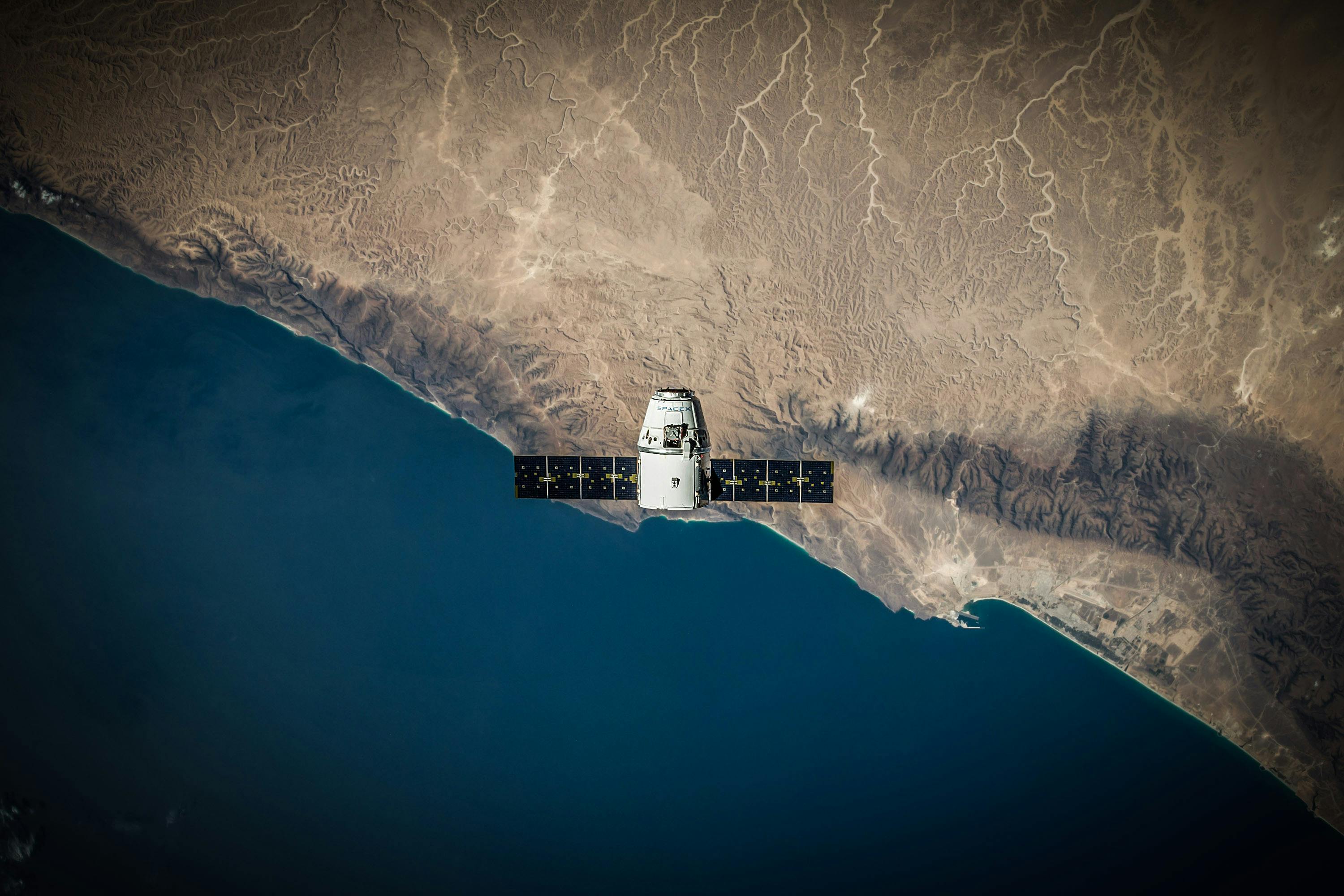
Falcon 9 returns to flight with Starlink 17-33 mission after brief stand-down. Crew-12 astronaut launch confirmed for Feb 11. SpaceX shifts Dragon launches away from pad 39A.
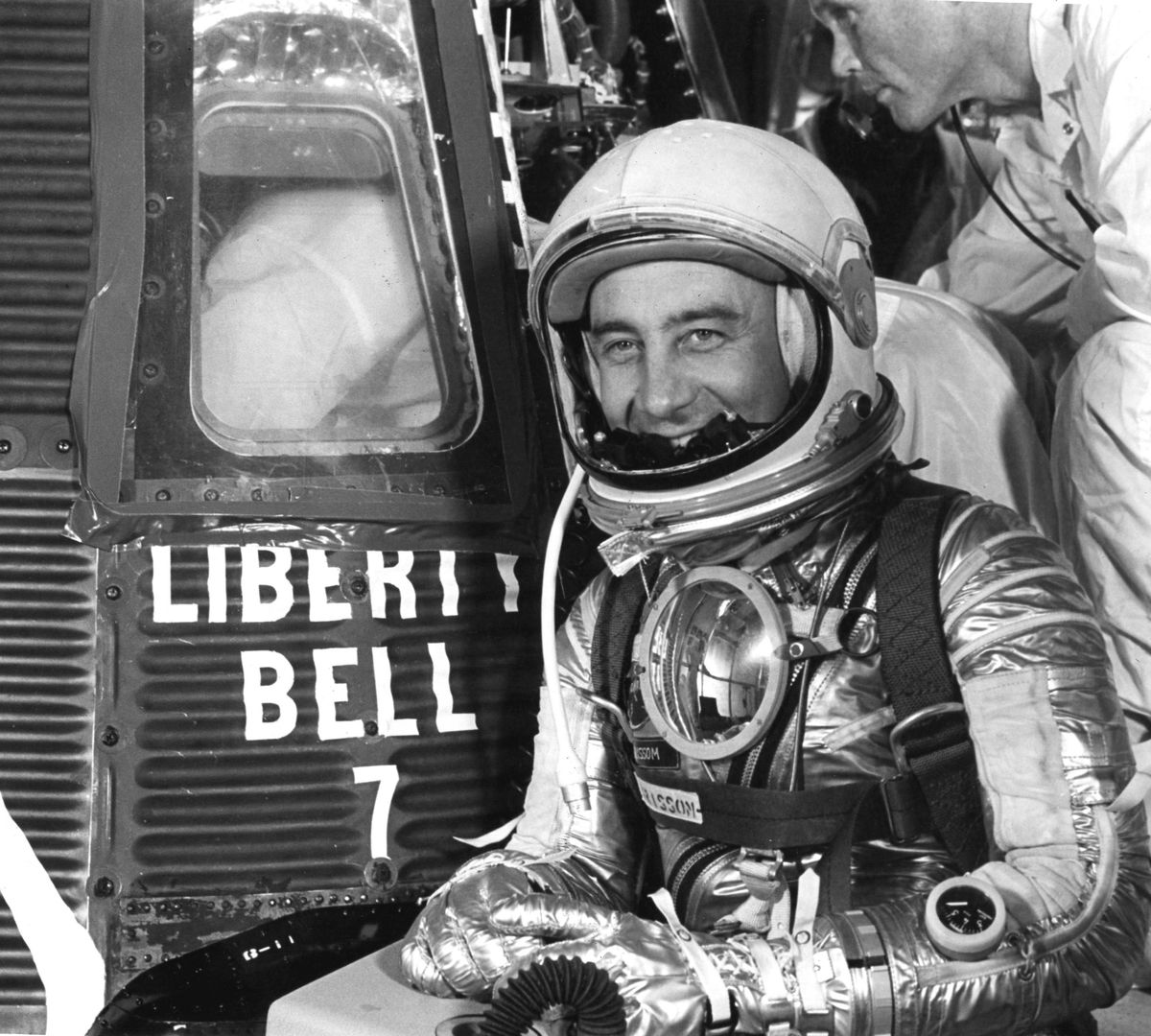
Sixty-four years ago, NASA made a decision that would shape the future of human spaceflight by selecting three astronauts to compete for America's first journey into space

Space Force issues call for launch providers at Cape Canaveral and Vandenberg. Vandenberg opens Space Launch Complex 14 bidding with Feb 12 deadline. Electra pitches hybrid aircraft to Pentagon.
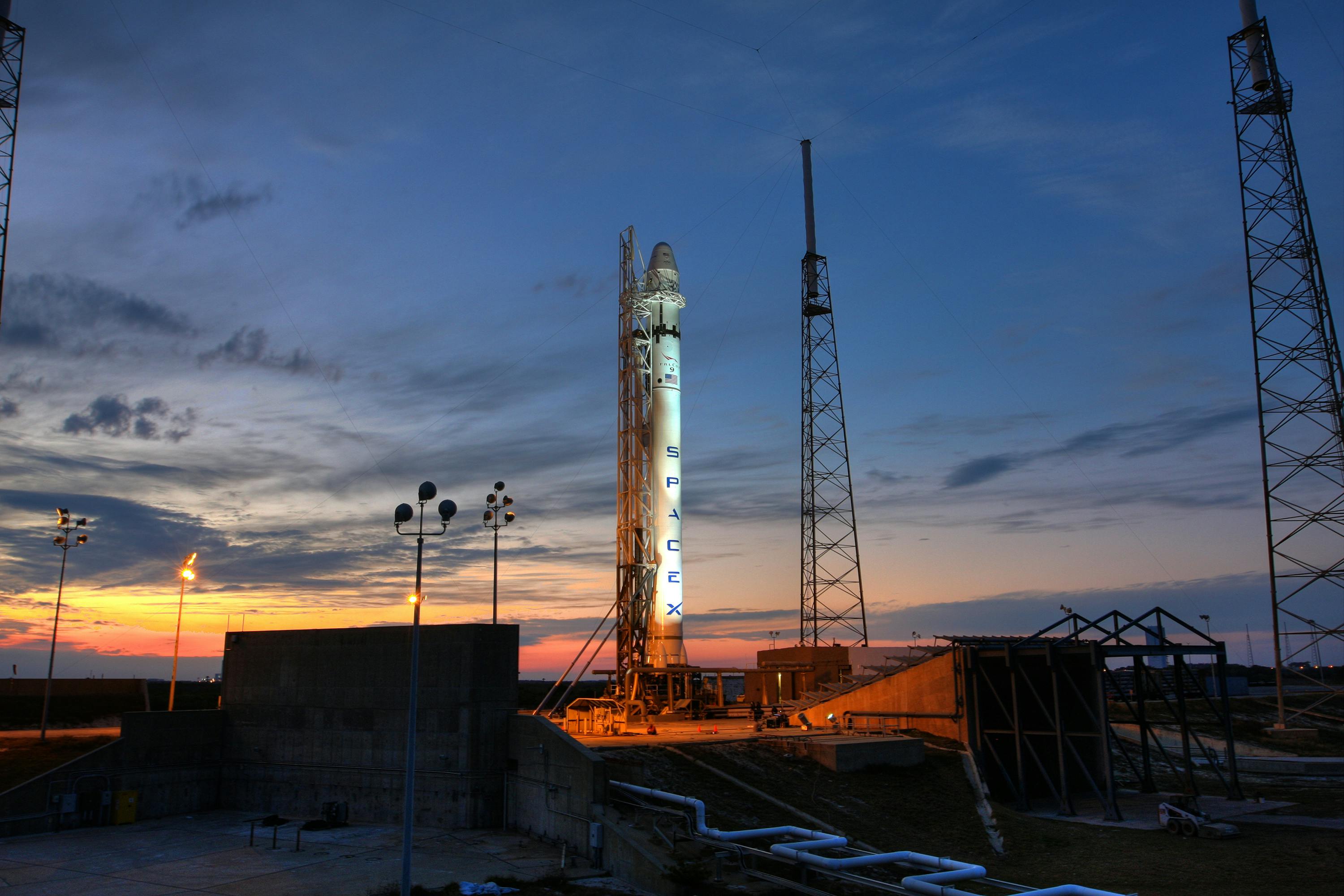
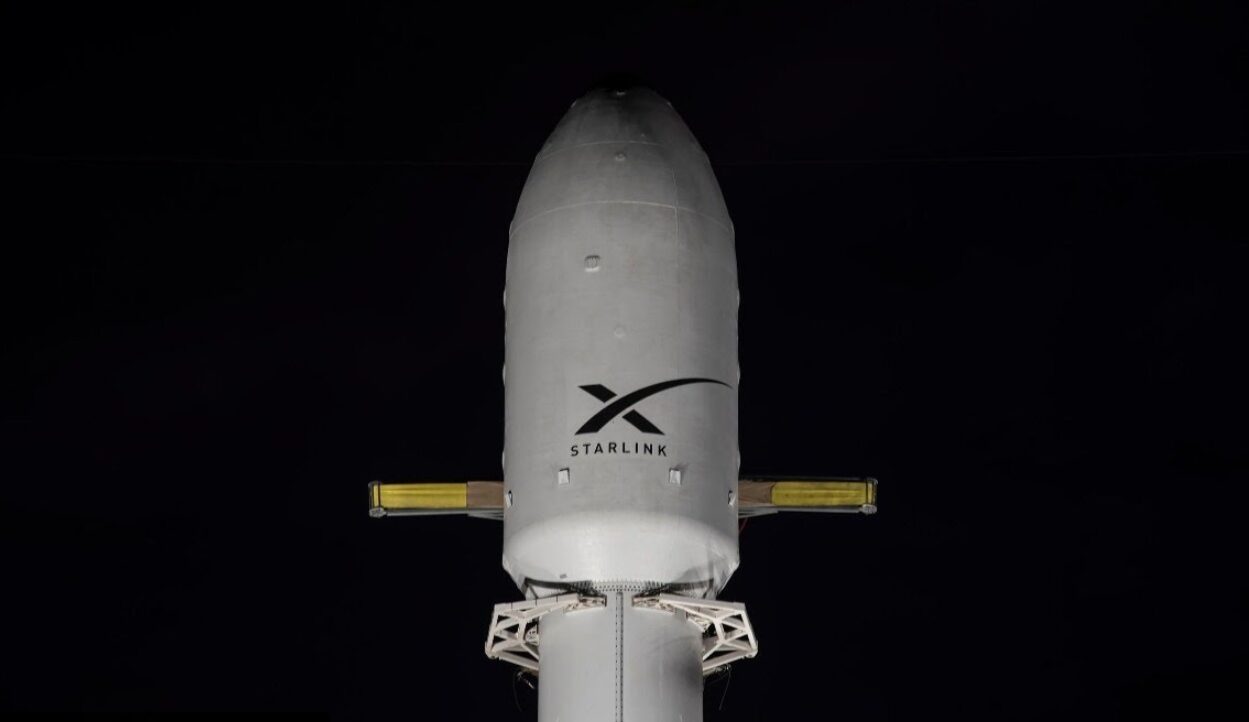
SpaceX launches 28 more Starlink satellites while addressing conflicts of interest and expanding home connectivity with a new router.
SpaceX is finalizing Pad 2 upgrades at Starbase ahead of Booster 19's return flight, as Starlink's active constellation holds at 10,185 satellites.

SpaceX celebrates significant milestones with its 500th Falcon launch and the continued expansion of Starlink connectivity.
FCC clears Reflect Orbital's first satellite to bounce sunlight into nighttime zones, despite pushback from astronomers concerned about orbital streaking and wildlife impacts.