


Space Brief 31 Jul 2025
Today's Space Brief brings updates on the U.S. Space Force's upcoming missions, in-space technology strategies, the challenges faced by new launchers, and advancements in satellite communication.


Launch Date
January 15, 1985
Launch Site
PLMSC
Launch Pad
LC32/1
Launch Vehicle
Tsiklon-3
NORAD ID
15475
International Designator
1985-003G
Epoch
Sat, 04 Jul 2026 01:34:41 GMT
Apogee
Calculating...
Perigee
Calculating...
Inclination
82.61°
Right Ascension
230.55°
Eccentricity
Calculating...
Argument of Perigee
161.71°
Period
114.72 min
Mean Motion
12.55 rev/day
Latitude
Calculating...
Longitude
Calculating...
Altitude
Calculating...
Velocity
Calculating...
Name
SL-14 R/B
Alternative Name
Tsiklon-3 42-303 Stage 3
Type
Status
Owner
GUKOS
Country
USSR
Constellation
N/A
Related Satellites
Major Events
N/A
1 15475U 85003G 26185.06576353 .00000019 00000-0 52441-4 0 9995
2 15475 82.6090 230.5520 0037810 161.7056 222.9772 12.55179896899630
Source: Celestrak
Length
2.8
Diameter
2.2
Span
2.8
Dry Mass
1600
Launch Mass
1600
Shape
Cyl
Radar Cross Section
5.735
Visual Magnitude
Unknown
Color
Unknown
Material Composition
Unknown
Payload
S5M
Purpose
Unknown
Mission
Unknown
Manufacturer
YUZH
Life Expectancy
Unknown
Bus
S5M
Configuration
Unknown
Motor
Unknown
Equipment
Unknown
Power System
Unknown
ADCS
Unknown
Transmitter Frequency
Unknown
Learn more about satellites and other related topics.
Today's Space Brief brings updates on the U.S. Space Force's upcoming missions, in-space technology strategies, the challenges faced by new launchers, and advancements in satellite communication.
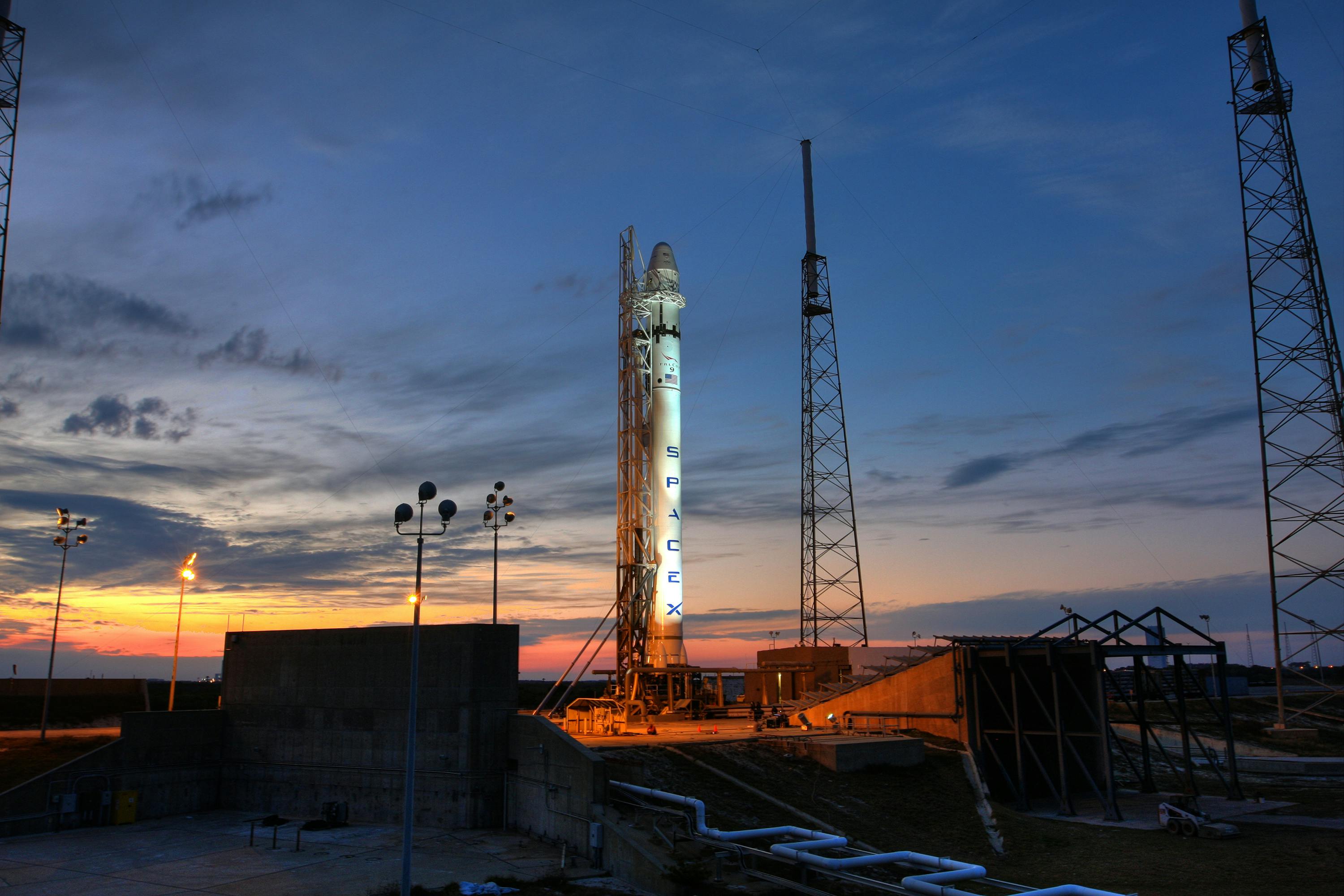
SpaceX launches 28 more Starlink satellites while addressing conflicts of interest and expanding home connectivity with a new router.
Sixty-three years ago, the Soviet Union selected the world's first female cosmonaut training group, launching a new era in human spaceflight that would transform our understanding of gender equality in space exploration
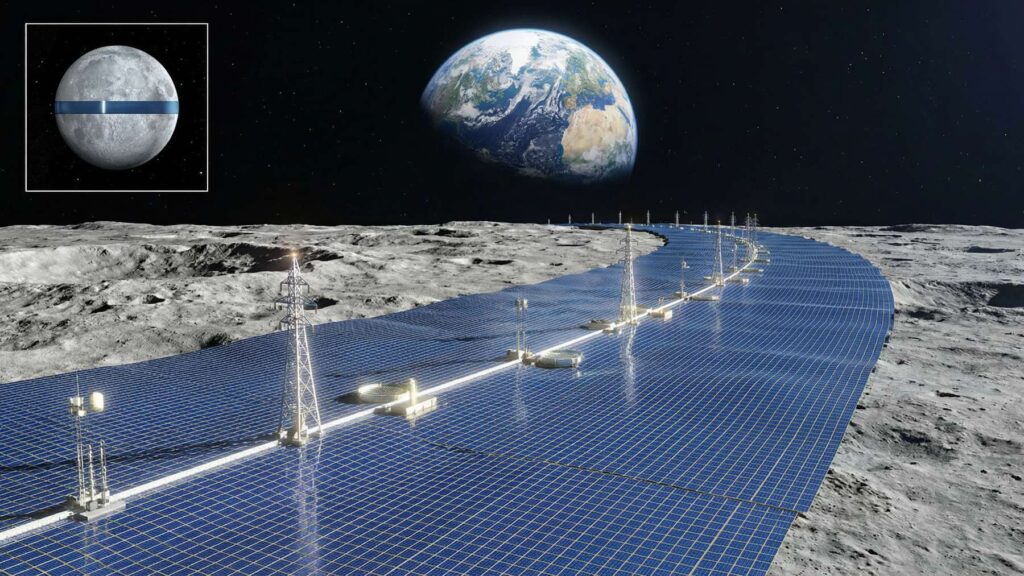
A 220-year-old Japanese construction company wants to build an 11,000-kilometer belt of solar cells around the lunar equator and beam the power back to Earth. The physics checks out. Everything else is another story.
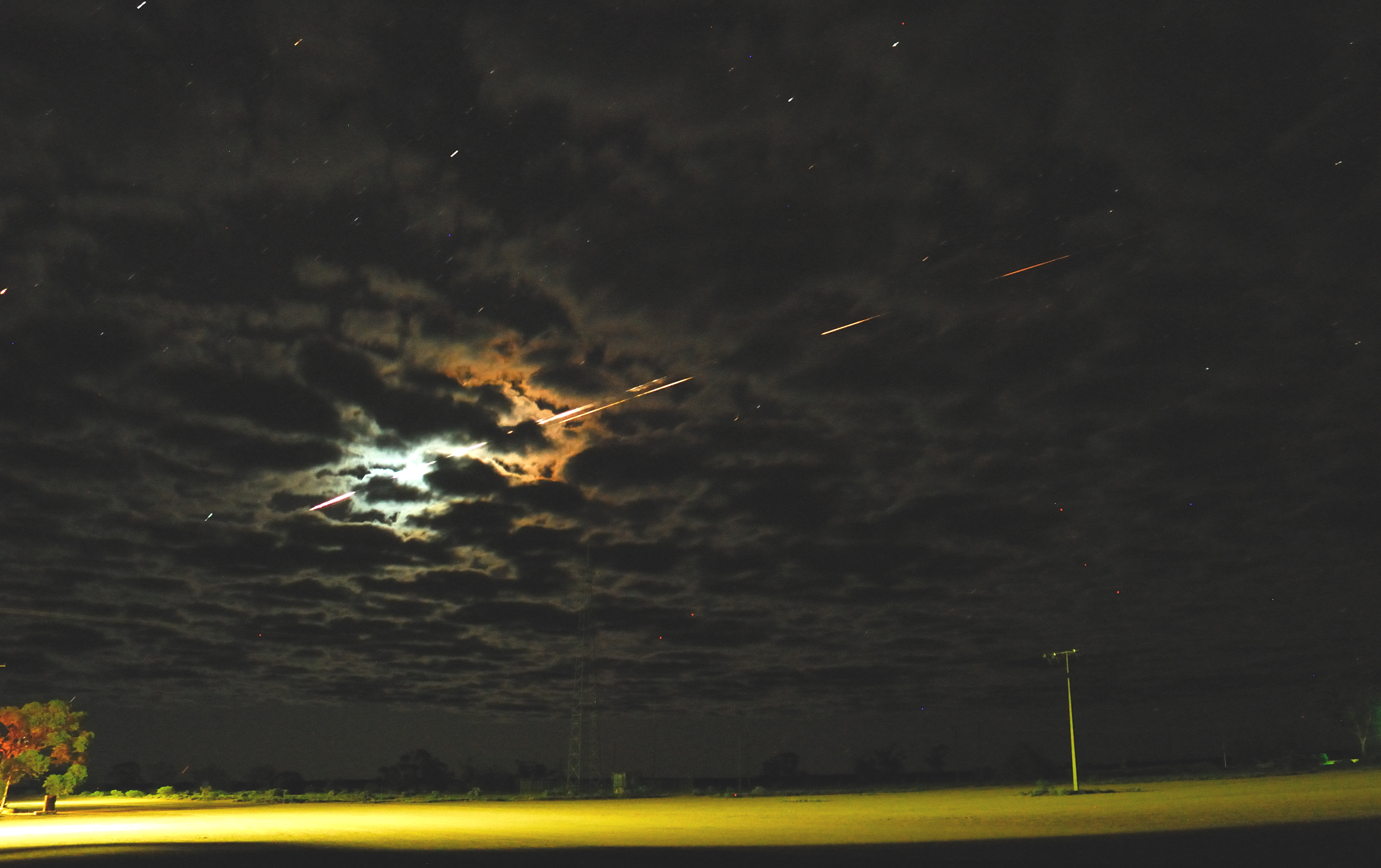
Sixteen years ago today, a fireball tore across the Australian outback. Most of it was a dying Japanese spacecraft burning up after a seven-year ordeal. The bright dot racing ahead of the wreckage was a capsule holding the first grains of an asteroid ever returned to Earth.
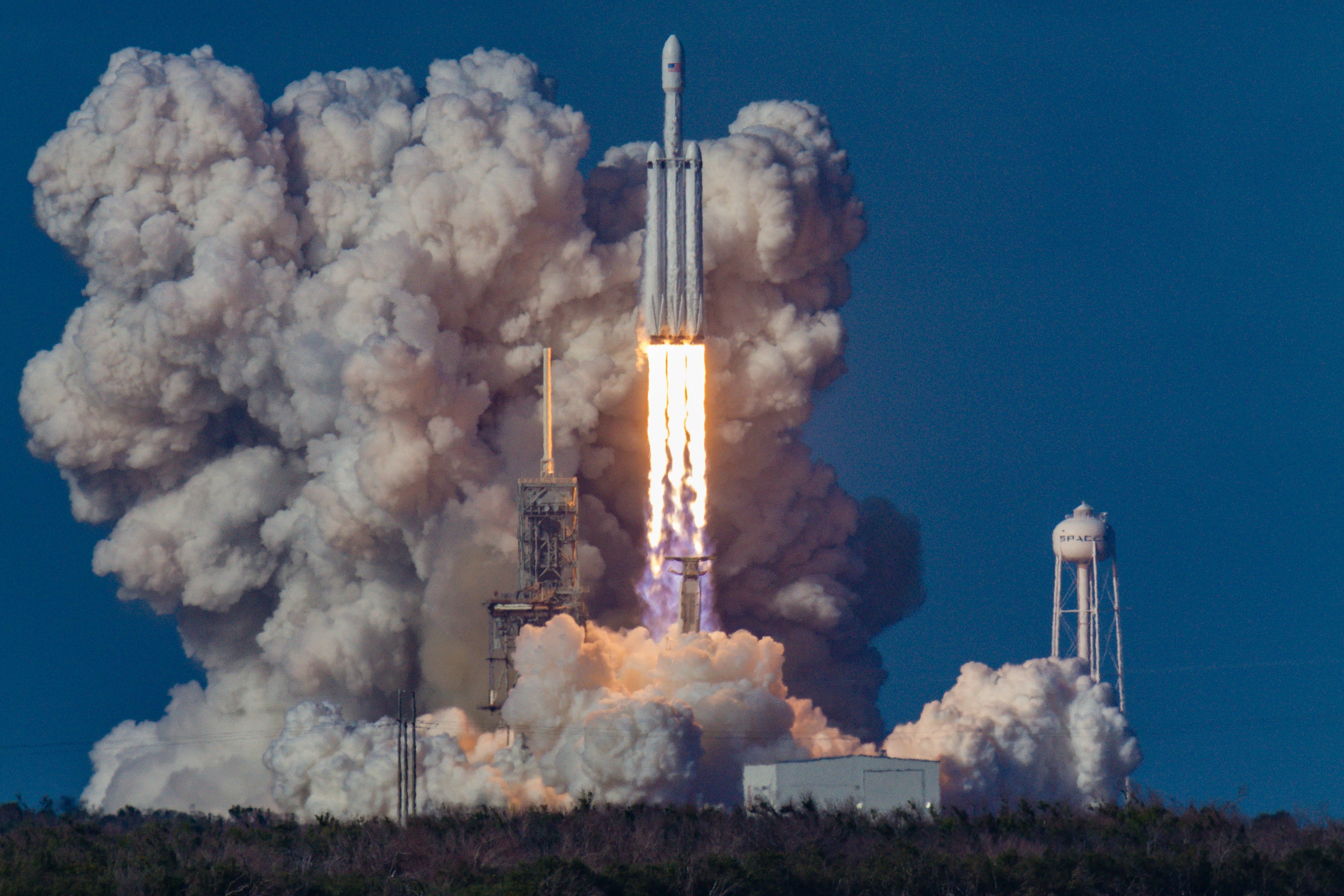
Falcon Heavy completed its 12th flight ever on April 29, ending an 18-month stand-down by lofting the 6-ton ViaSat-3 F3 comsat to GTO.
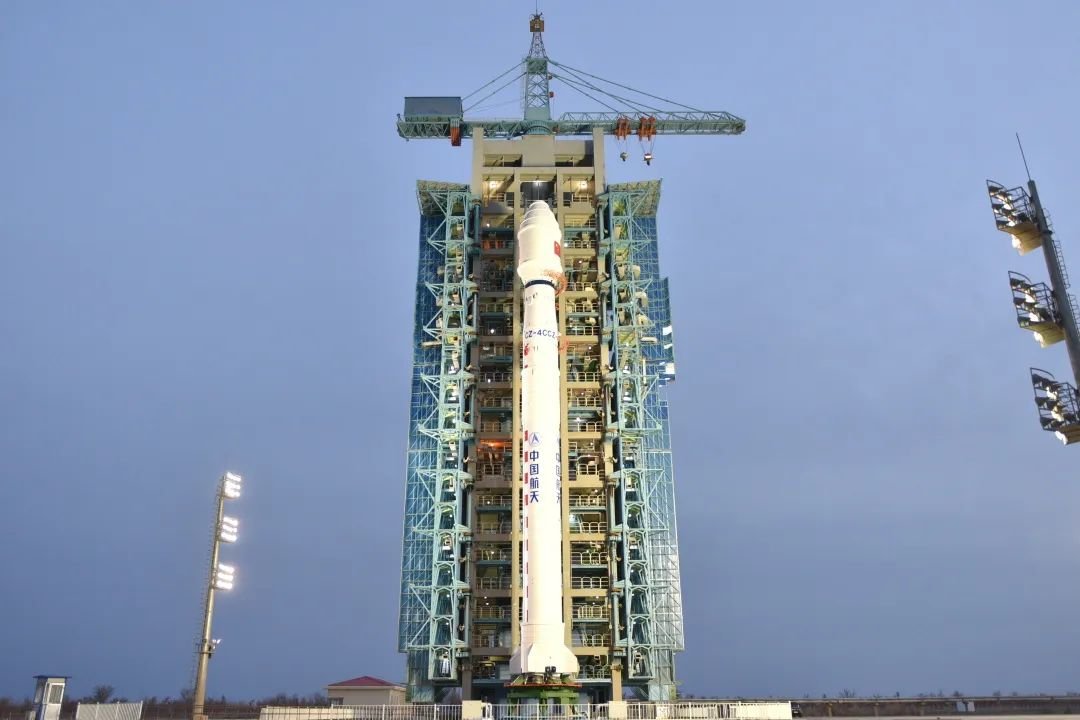
Today's Space Brief covers the inaugural national security mission of ULA's Vulcan Centaur, the Space Force's 2026 budget insights, and shifts in military drone technology.
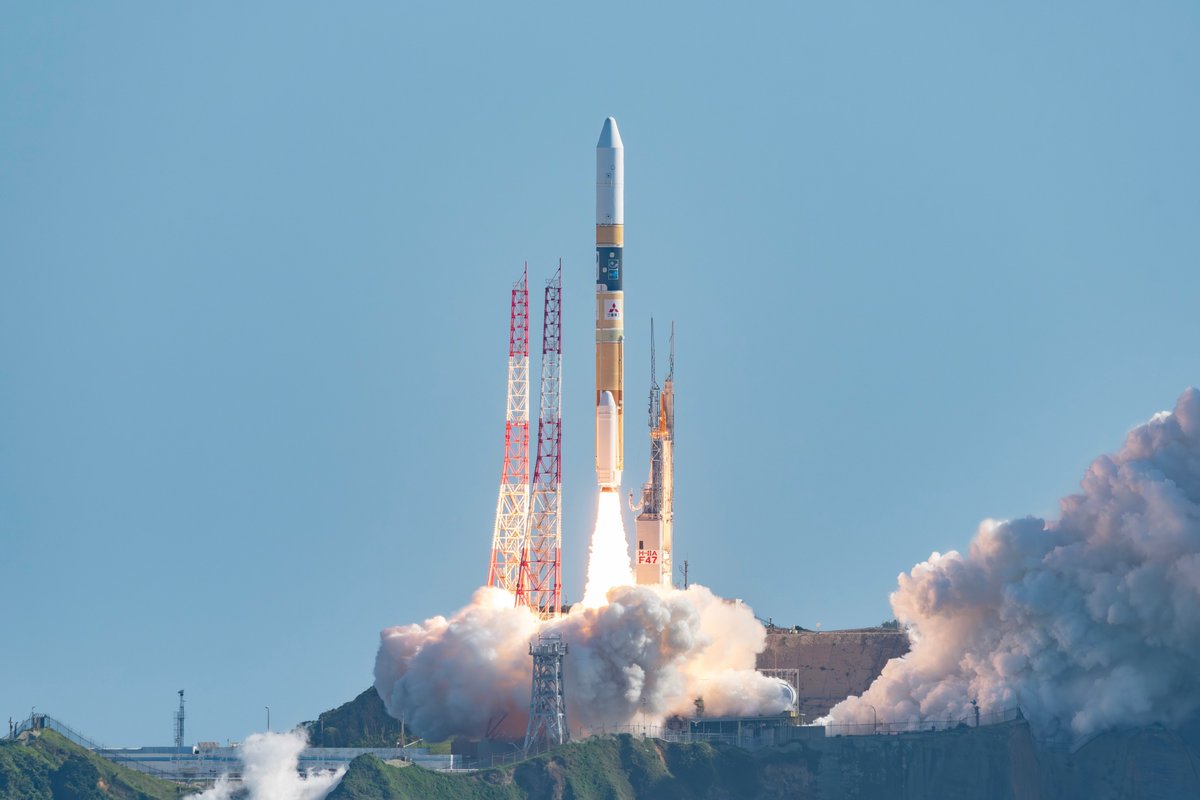
Significant advancements and launches in space: NASA's hypersonic sensor breakthrough, ChinaSat-9C's launch, and SpaceX's resilient Falcon 9 operations.