

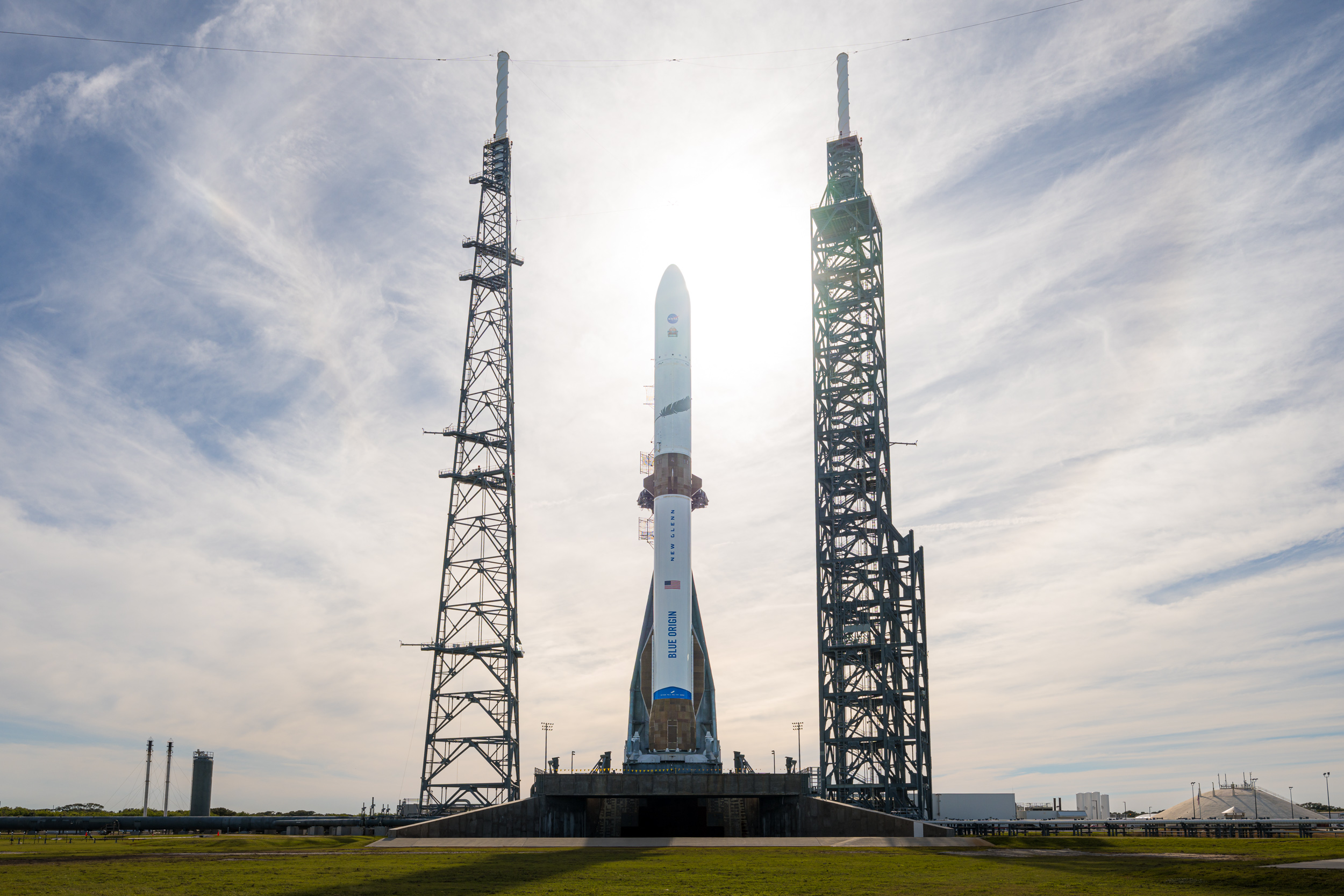
Artemis 2 Crew Returns After 50-Year Lunar Flyby | KeepTrack Space Brief
Artemis 2 astronauts completed first crewed lunar flyby since Apollo 17, traveling 690,000 miles aboard Orion. Four crew validated deep-space systems.


Launch Date
January 9, 1985
Launch Site
Launch Pad
LC31
Launch Vehicle
Soyuz-U
NORAD ID
15467
International Designator
1985-002A
Decay Date
3/4/1985
Name
COSMOS 1616
Alternative Name
Kosmos-1616
Type
Status
Owner
GUKOS
Country
USSR
Constellation
N/A
Related Satellites
Major Events
N/A
Length
6.3
Diameter
2.7
Span
6.3
Dry Mass
2886
Launch Mass
2886
Shape
Cyl + 2 Pan
Radar Cross Section
55.04
Visual Magnitude
Unknown
Color
Unknown
Material Composition
Unknown
Payload
Kobal't No. 819
Purpose
Reconnaissance, photo (film return type)
Mission
Reconnaissance, photo (film return type)
Manufacturer
TSSKB
Life Expectancy
Unknown
Bus
Yantar'-4K2
Configuration
Yantar Bus, main reentry module, 2 small reentry capsules
Motor
Unknown
Equipment
Unknown
Power System
2 deployable solar arrays, batteries
ADCS
Unknown
Transmitter Frequency
Unknown
Learn more about satellites and other related topics.
Artemis 2 astronauts completed first crewed lunar flyby since Apollo 17, traveling 690,000 miles aboard Orion. Four crew validated deep-space systems.
SpaceX continues its rapid launch cadence by deploying 28 Starlink satellites while expanding its service with collaborations such as United Airlines and Entel in Chile.

Discover the latest in satellite tracking with key topics covering the launch of Tranche 1 satellites for the Space Development Agency, a record-setting Transporter-15 mission by Exolaunch, and new defense-focused satellite connectivity solutions by Satlink and Rivada.

SpaceX has adapted Pad 1 for Ship Static Fire tests while addressing the recent downtime at Massey’s, showcasing its commitment to maintaining launch schedules despite setbacks.

German defense giant Rheinmetall may bid for laser-comm firm Mynaric, challenging Rocket Lab's plans. SpaceX sets Falcon 9 reuse record. Juno reveals Europa ice sheet data.

Today's space news highlights include the proposed budget expansion for the U.S. Space Force, a new CubeSat milestone for ESA's asteroid mission, and challenges with SpaceX's Starlink launch. Also, we celebrate the one-year anniversary of the Aries SN1 satellite in orbit.
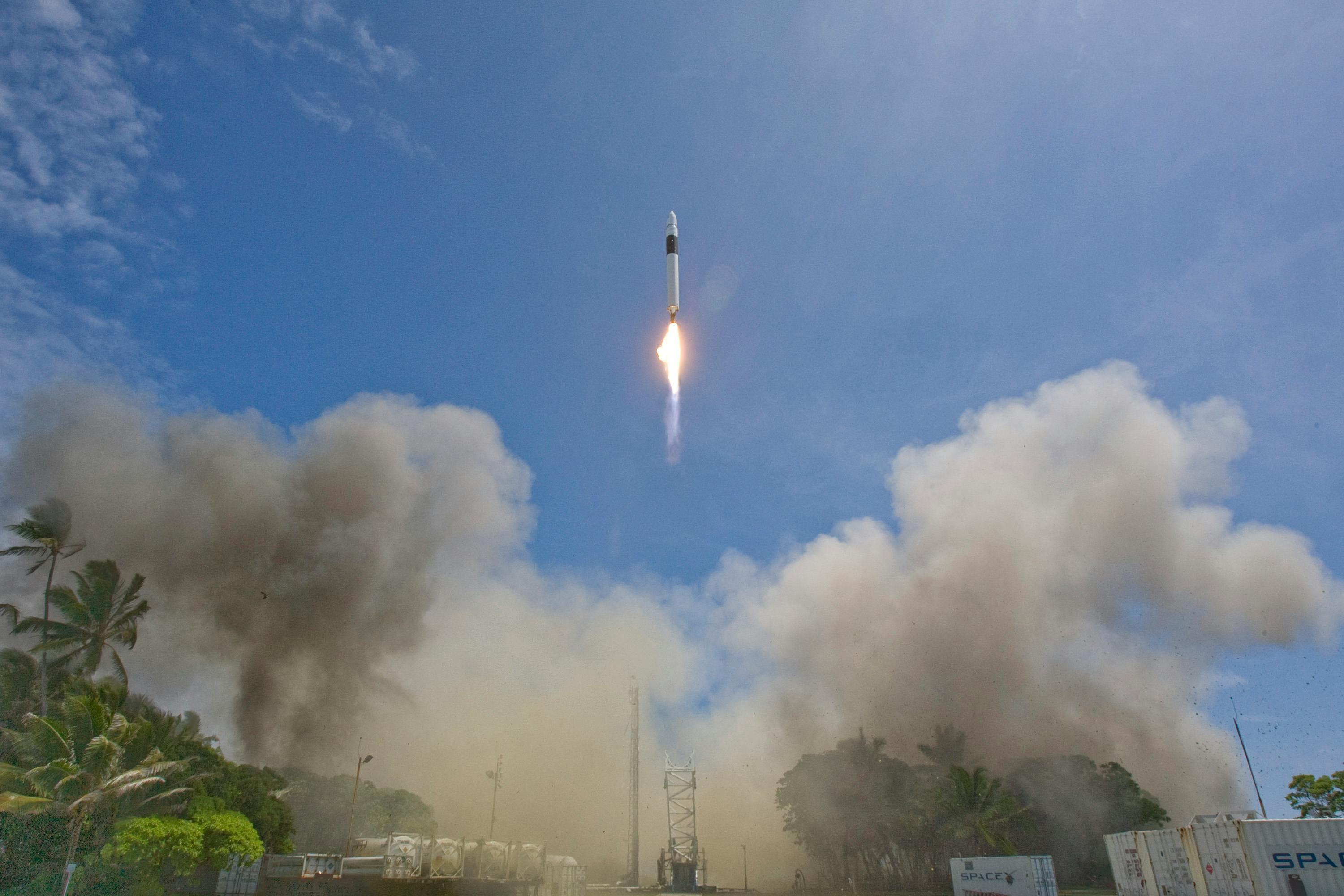
SpaceX gears up for Starship Flight 8, with a launch set for Monday as final preparations are underway.
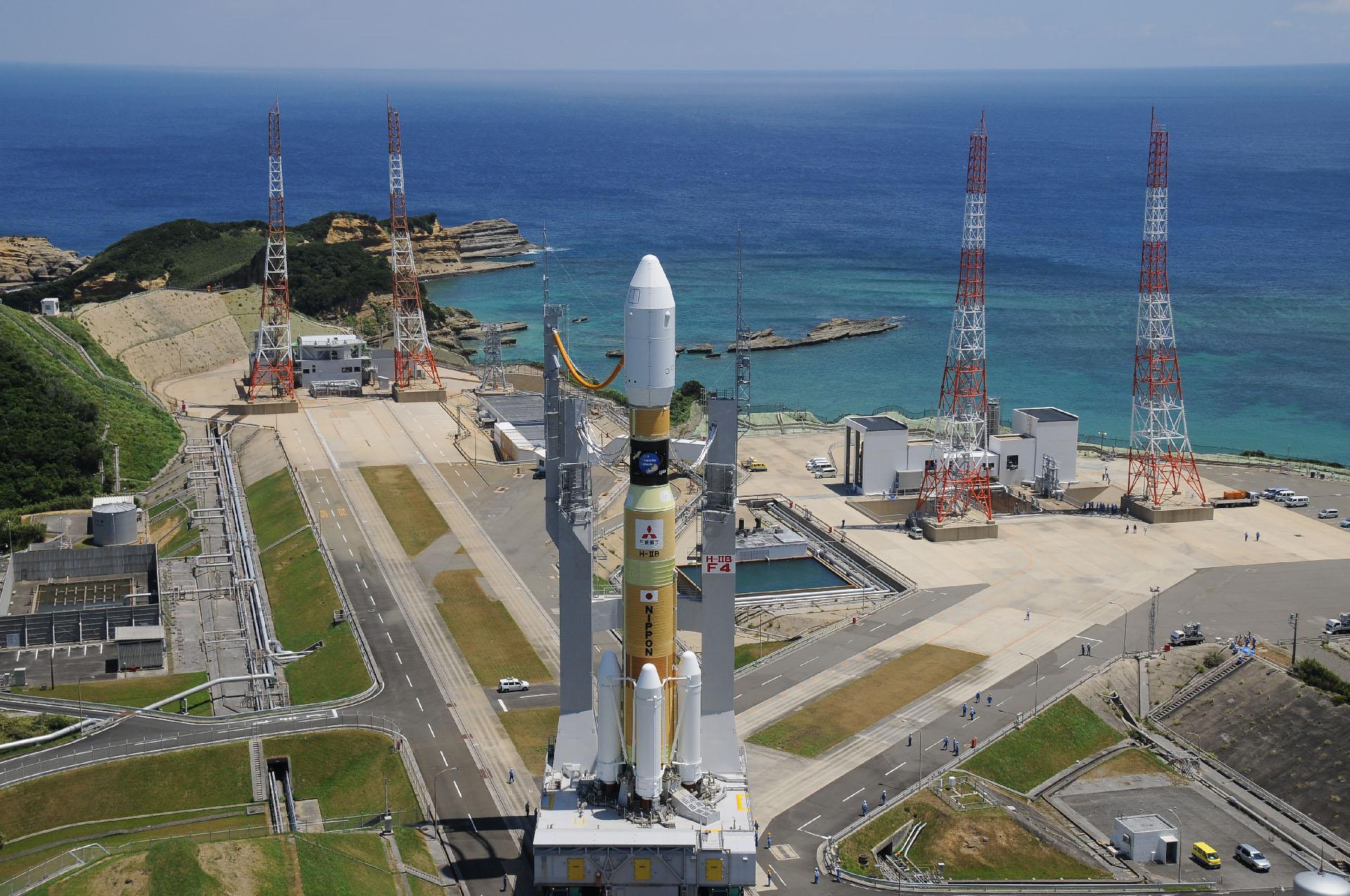
New Glenn's upper stage malfunctioned April 19, stranding AST SpaceMobile's BlueBird 7; the satellite is lost. Vulcan may fly without solid boosters.