

X Report 5 Jan 2025
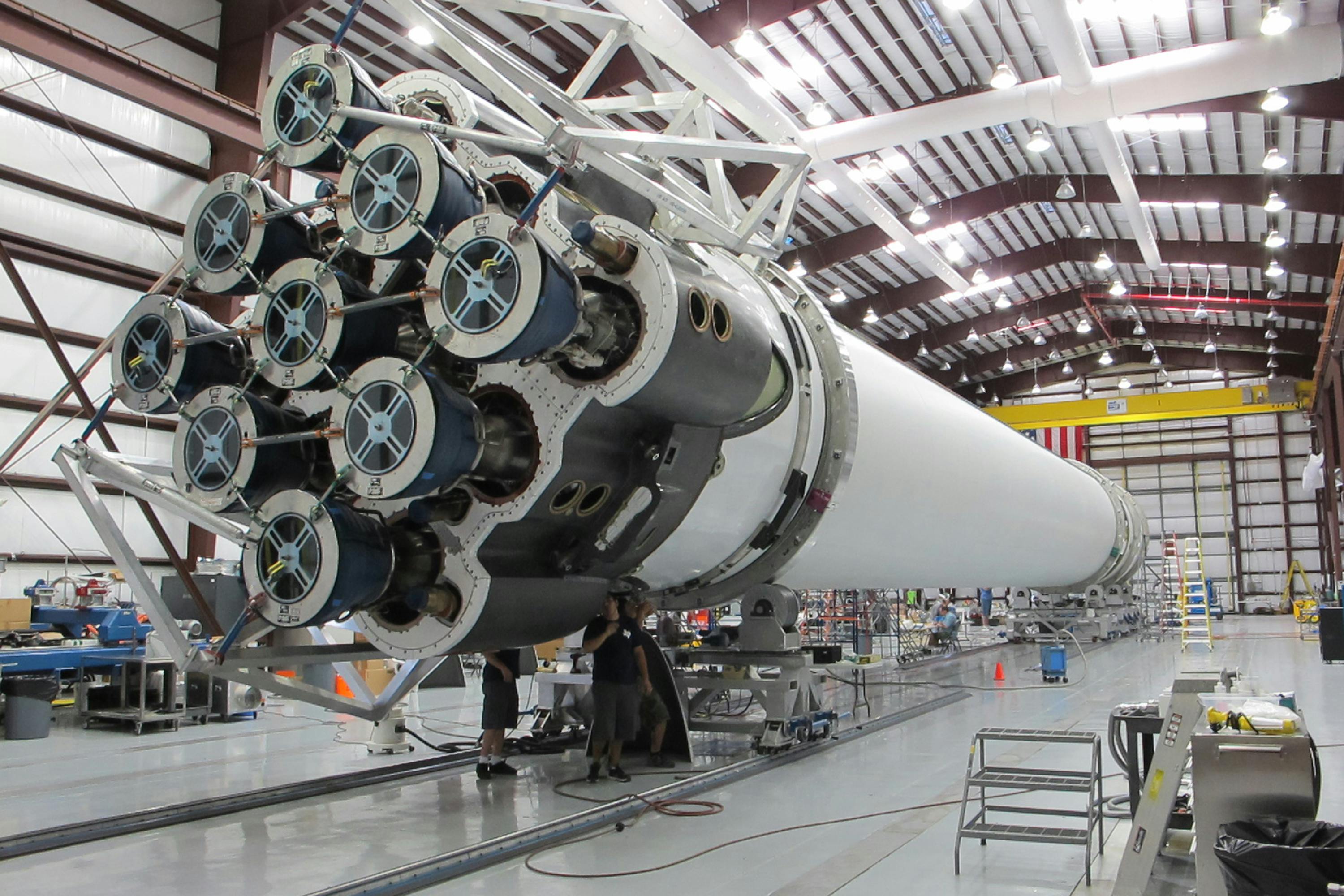
SpaceX prepares for the next Starship test flight with significant vehicle upgrades, launches UAE's Thuraya-4 satellite, and reflects on a record-breaking 2024 while planning for a promising 2025.



Launch Date
November 29, 1984
Launch Site
PLMSC
Launch Pad
LC43/4
Launch Vehicle
Soyuz-U-PVB
NORAD ID
15457
International Designator
1984-121F
Decay Date
4/13/1985
Name
COSMOS 1613 DEB
Alternative Name
Blenda
Type
Status
Owner
GUKOS
Country
USSR
Constellation
N/A
Related Satellites
Major Events
N/A
Length
1
Diameter
0.4
Span
1
Dry Mass
20
Launch Mass
20
Shape
Box
Radar Cross Section
1.86
Visual Magnitude
Unknown
Color
Unknown
Material Composition
Unknown
Payload
Sunshade
Purpose
Unknown
Mission
Unknown
Manufacturer
TSSKB
Life Expectancy
Unknown
Bus
Zenit BZA
Configuration
Unknown
Motor
Unknown
Equipment
Unknown
Power System
Unknown
ADCS
Unknown
Transmitter Frequency
Unknown
Learn more about satellites and other related topics.
SpaceX prepares for the next Starship test flight with significant vehicle upgrades, launches UAE's Thuraya-4 satellite, and reflects on a record-breaking 2024 while planning for a promising 2025.

Today's briefing highlights a significant increase in the Pentagon's AI budget, upgrades at the Tiangong space station, cyber threats to satellite operations, and the Moon and Venus conjunction.

NASA's Van Allen Probe A (1,300 lbs) reenters today after 14 years studying Earth's radiation belts. Most debris will burn up; ocean impact statistically likely.
NRO expands commercial imaging with HEO, SatVu, and Sierra Nevada. ChatGPT rolls out to 3 million military users via GenAI.mil. C-130J deliveries paused.
Today's brief covers a reveal from the US Space Force of the X-37B space plane in orbit, a developing defense shakeup involving key military leaders, confirmation of advanced federated ICAM connections by the DoD, and SAAB's plan for a Euro defense coalition. Plus, we spotlight the BDSAT-2 CubeSat.
Today's Space Brief covers China's latest satellite launch, Russian threats to UK satellites, European defense strategies, and upcoming satellite launches from SatLeo and Quantum Space.

SpaceX successfully launched the Transporter-15 mission, deploying 140 payloads, while Elon Musk addressed media narratives related to Starlink's humanitarian efforts following recent disasters.
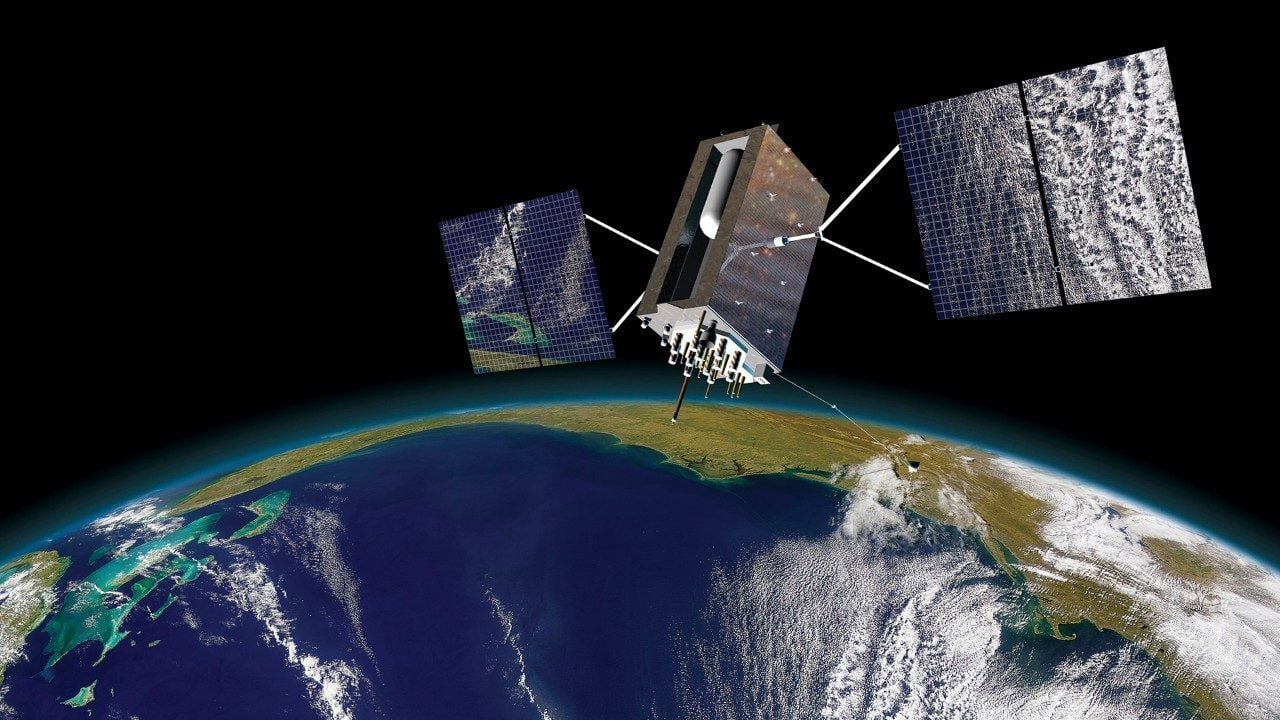
On April 17, 2026, the U.S. Space Force officially cancelled the Next Generation Operational Control System after sixteen years of development, cost overruns, and testing failures. The $8 billion program was supposed to unlock the military's encrypted GPS signal. Instead, the satellites are flying with capabilities the ground can't command.