


X Report 9 Feb 2025
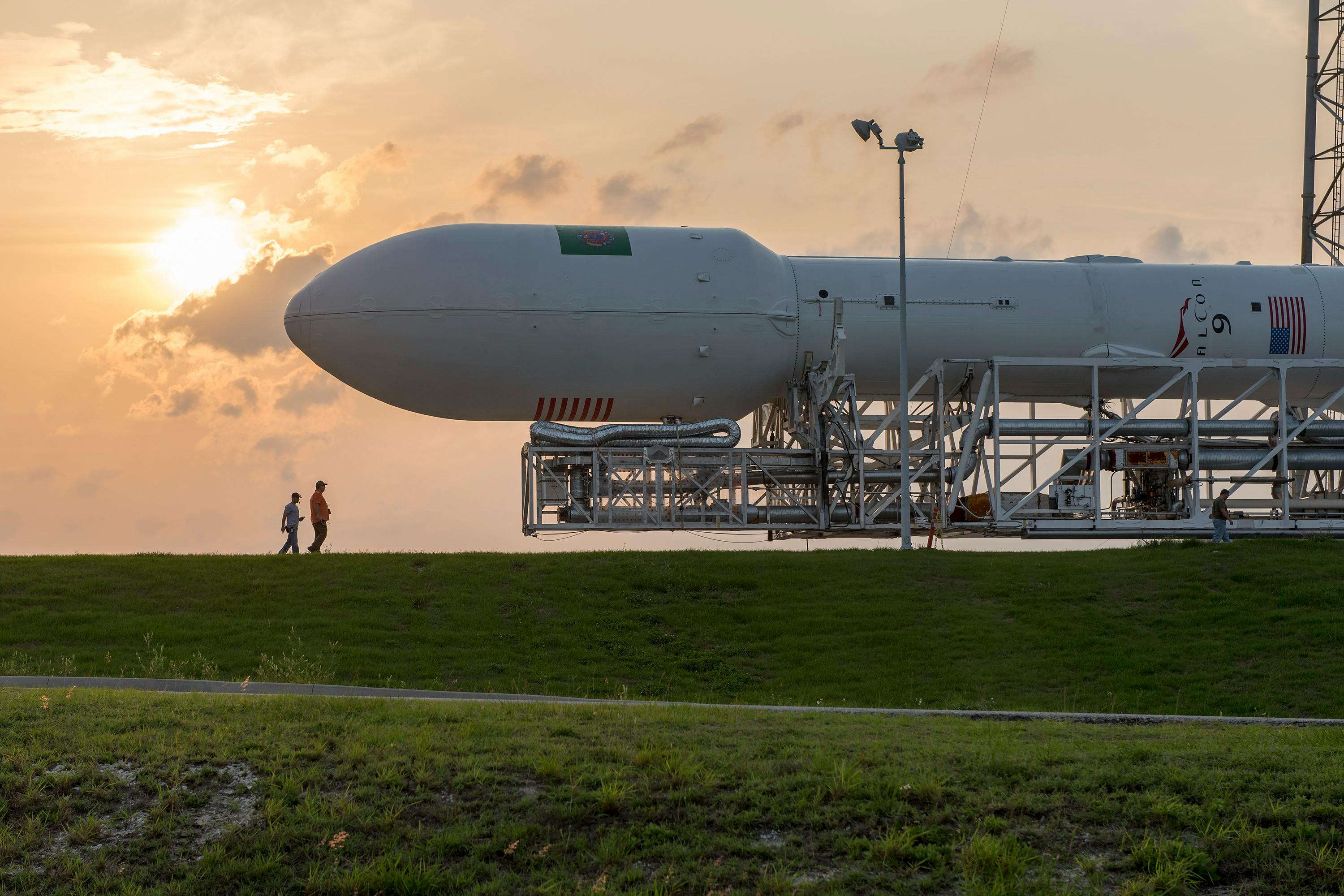
SpaceX prepares for another Starlink launch while facing potential C-band spectrum challenges.


Launch Date
October 31, 1984
Launch Site
Launch Pad
LC90
Launch Vehicle
Tsiklon-2
NORAD ID
15378
International Designator
1984-112A
Epoch
Sat, 04 Jul 2026 05:40:39 GMT
Apogee
Calculating...
Perigee
Calculating...
Inclination
64.99°
Right Ascension
17.14°
Eccentricity
Calculating...
Argument of Perigee
327.27°
Period
104.07 min
Mean Motion
13.84 rev/day
Latitude
Calculating...
Longitude
Calculating...
Altitude
Calculating...
Velocity
Calculating...
Name
COSMOS 1607
Alternative Name
Kosmos-1607
Type
Status
Owner
VMF
Country
USSR
Constellation
N/A
Related Satellites
Major Events
N/A
1 15378U 84112A 26185.23656901 -.00000074 00000-0 12909-4 0 9991
2 15378 64.9928 17.1439 0049787 327.2655 32.5322 13.83712173107342
Source: Celestrak
Length
5.8
Diameter
1.3
Span
5.8
Dry Mass
1154
Launch Mass
1154
Shape
Cyl
Radar Cross Section
2.2594
Visual Magnitude
Unknown
Color
Unknown
Material Composition
Unknown
Payload
US-A No. 337 ROCh
Purpose
Ocean surveillance, active radar
Mission
Ocean surveillance, active radar
Manufacturer
KOMET
Life Expectancy
Unknown
Bus
US-A reactor
Configuration
US-Bus
Motor
Unknown
Equipment
Radar
Power System
BES-5 nuclear reactor
ADCS
Unknown
Transmitter Frequency
Unknown
Learn more about satellites and other related topics.
SpaceX prepares for another Starlink launch while facing potential C-band spectrum challenges.
This article delves into SpaceX's incredible journey from its inception to becoming a space industry leader, and its Starlink project's mission to provide global internet access.

DARPA's robotic satellite servicing mission targets GEO orbit by summer 2026. NASA adds six SpaceX crew missions as Boeing Starliner remains uncertified.

Trump approaches Elon Musk about restoring Iran internet via Starlink during government blackout. SpaceX completes fifth launch of 2026 with 29 Starlink satellites from Cape Canaveral.
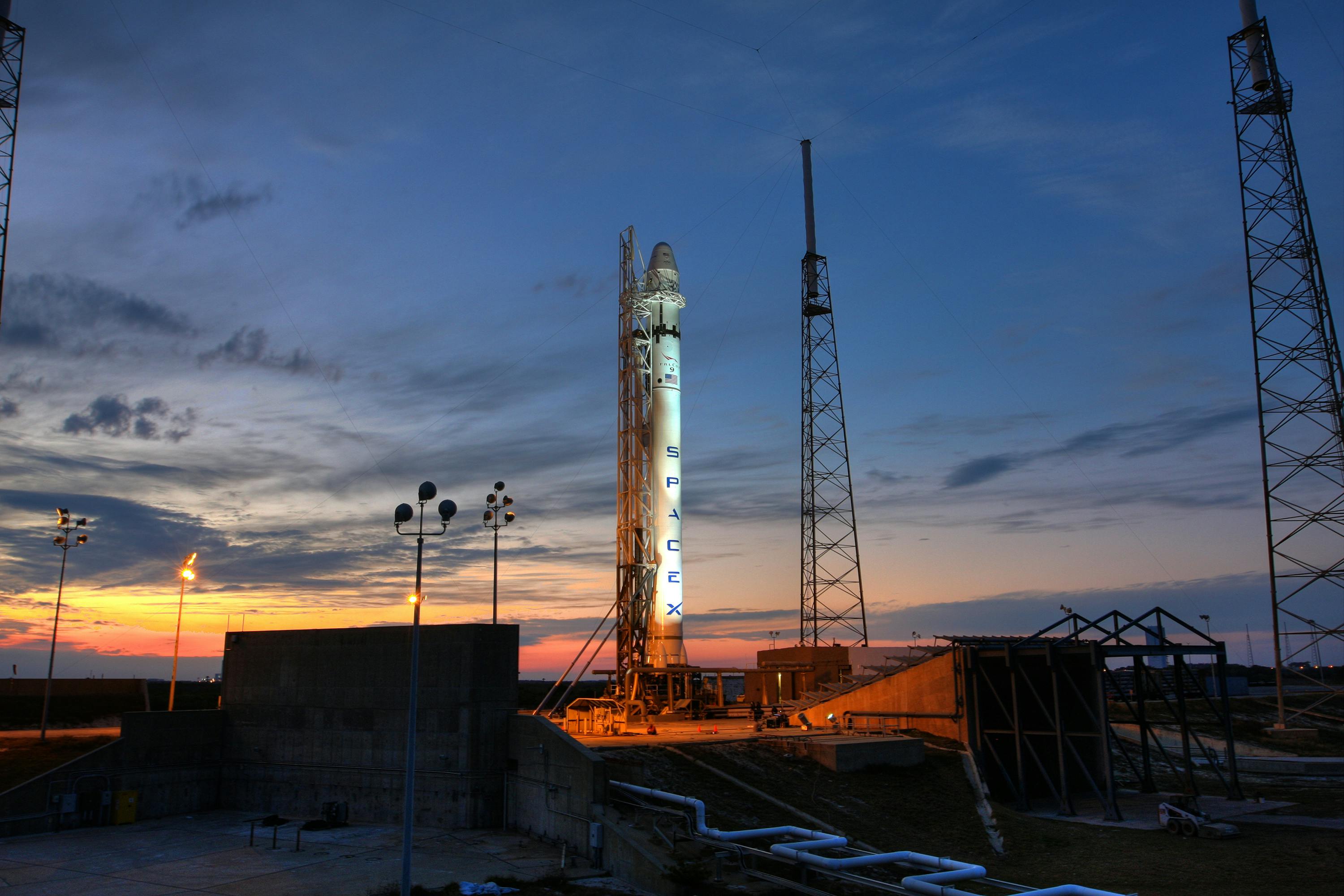
SpaceX launches 28 more Starlink satellites while addressing conflicts of interest and expanding home connectivity with a new router.
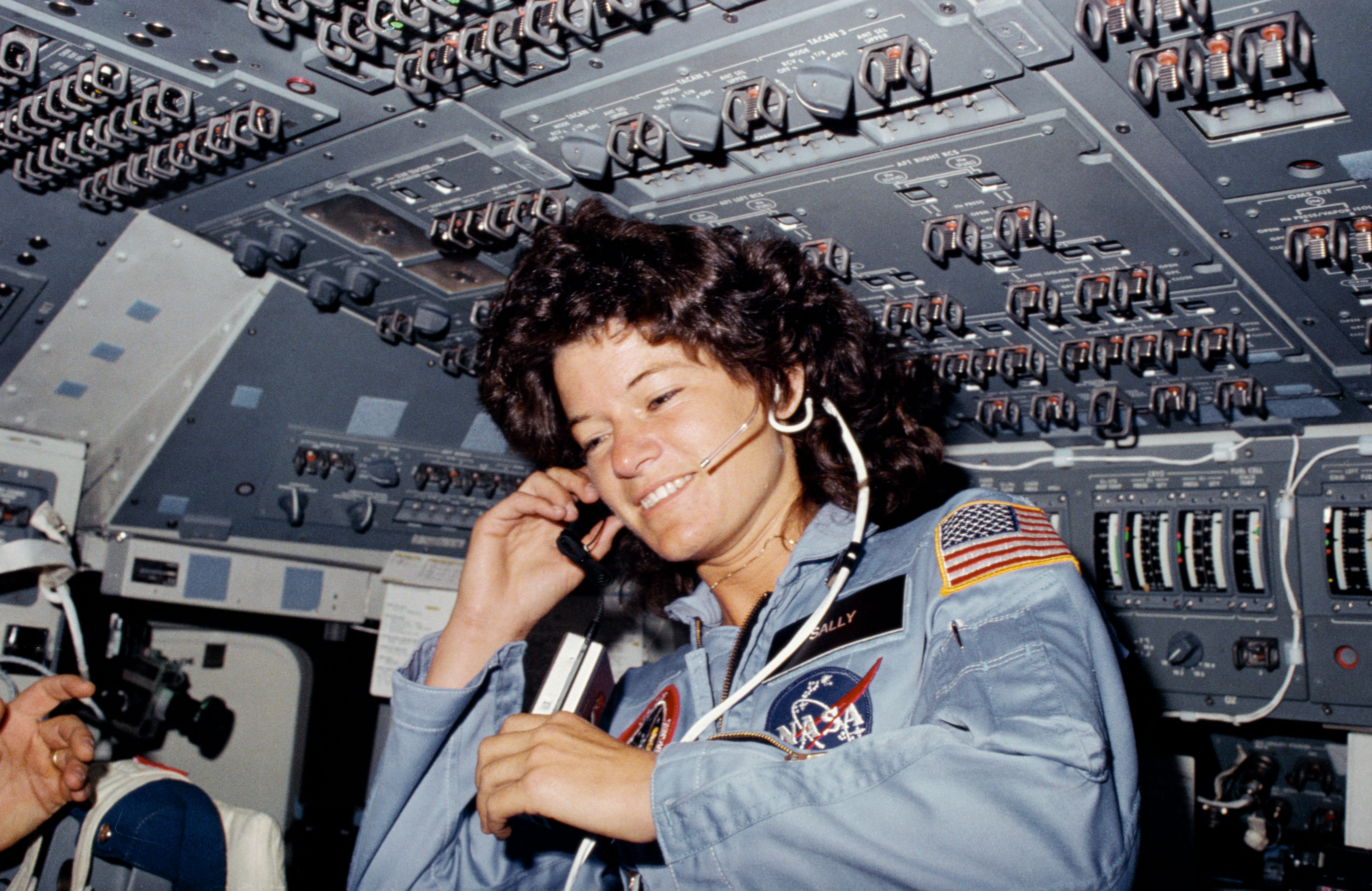
At 7:33 on the morning of 18 June 1983, a 32-year-old astrophysicist named Sally Ride rode Challenger off Pad 39A and became the first American woman in space. She got there two decades after the Soviets, and only after months of being asked whether spaceflight would damage her reproductive organs and whether she planned to cry.

Key developments in the space sector include new partnerships for satellite surveillance, strategic shifts from the Defense Department impacting weather forecasting, and the Space Force's focus on agile satellite technologies.
Space & Cyber Command disrupted Iran ops as US munition stockpiles drop. Space Force shifts to commercial ground stations & faces acquisition workforce gaps.