

X Report 8 Oct 2025
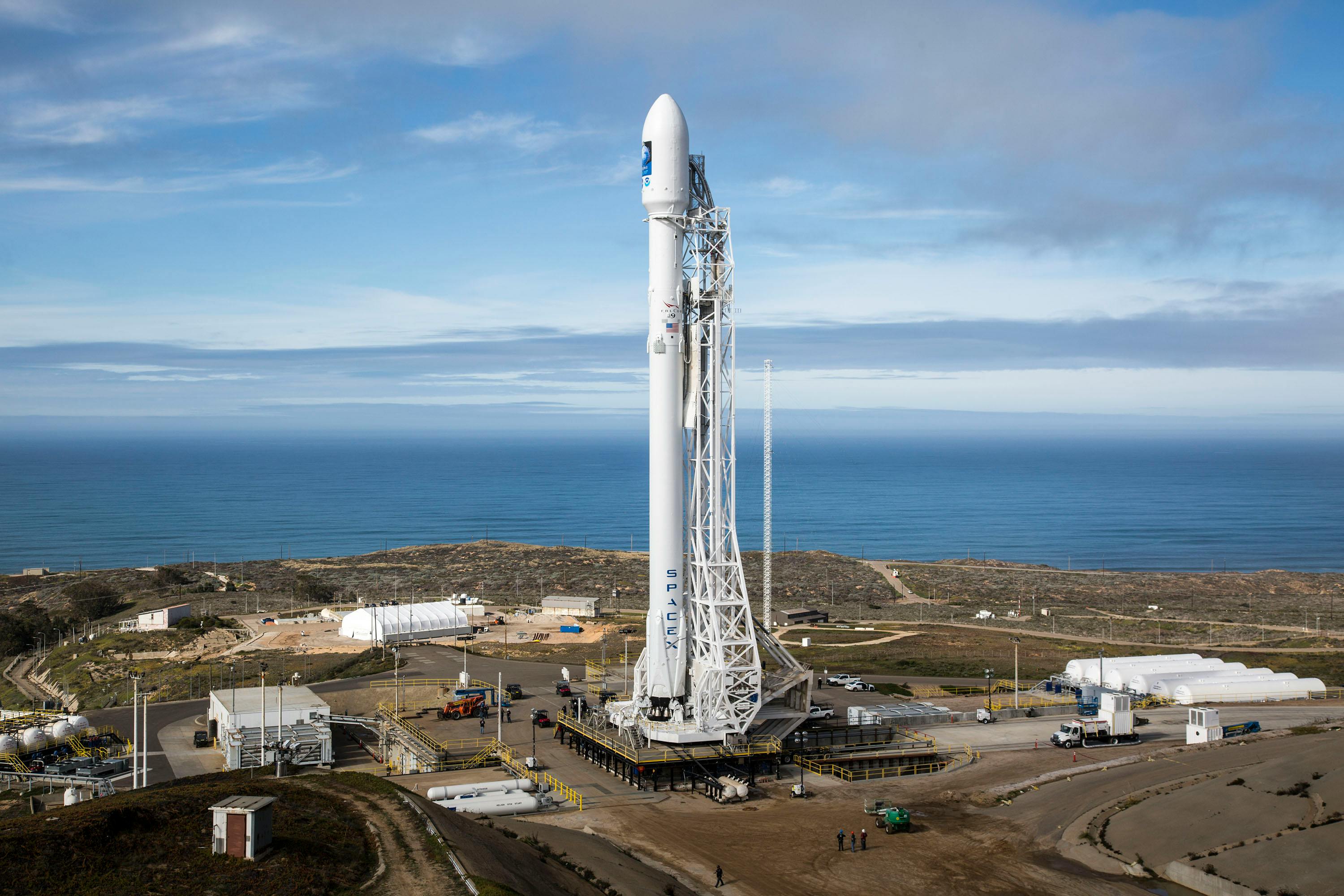
SpaceX successfully launched 28 Starlink satellites aboard a Falcon 9 rocket, marking significant advancements in their deployment and operational capabilities.


Launch Date
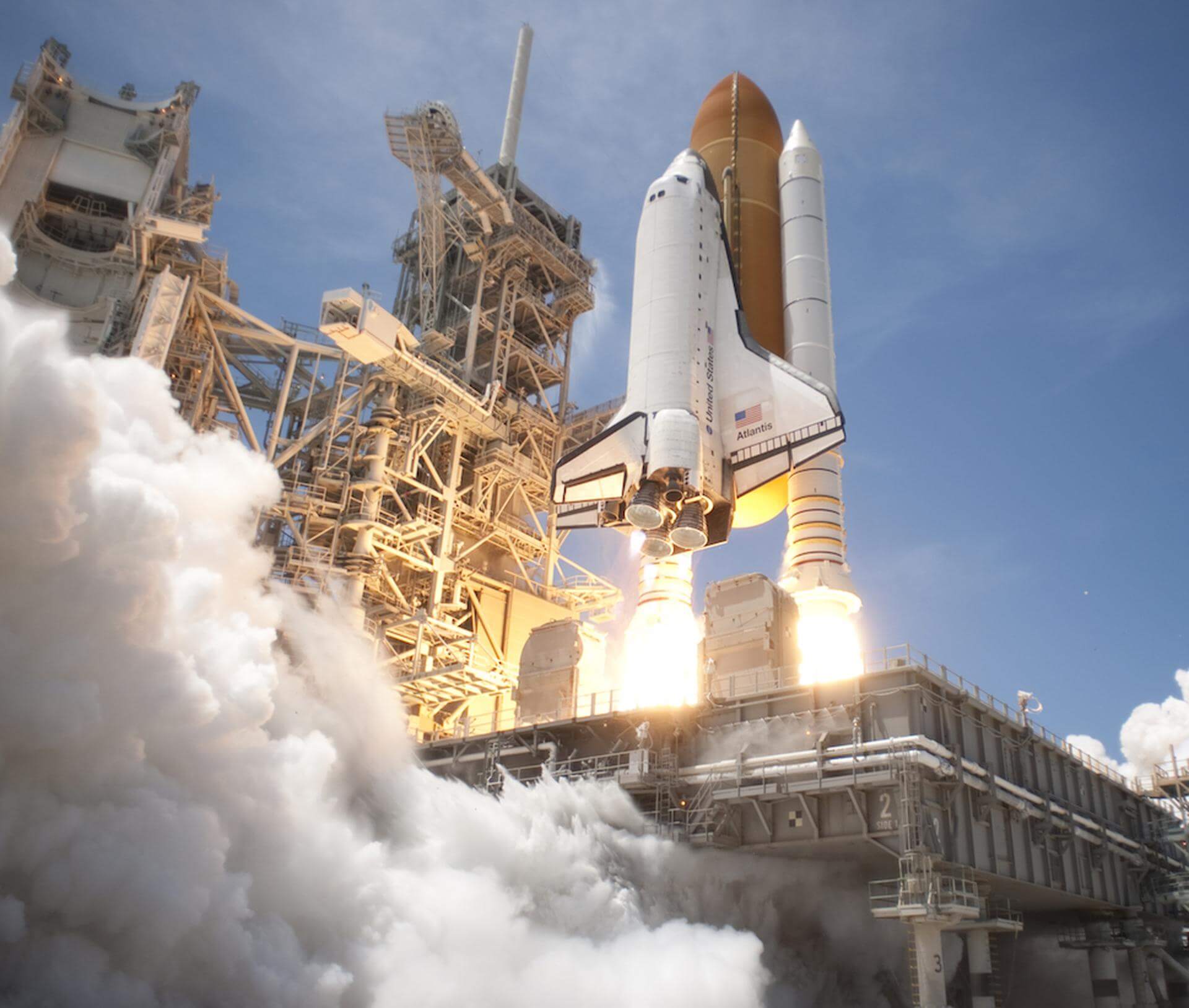
October 5, 1984
Launch Site
Launch Pad
LC39A
Launch Vehicle
Space Shuttle
NORAD ID
15354
International Designator
1984-108B
Decay Date
1/9/2022
Name
ERBS
Alternative Name
ERBS
Type
Status
Owner
GSFC
Country
United States
Constellation
N/A
Related Satellites
Major Events
N/A
Length
1.6
Diameter
3.8
Span
4.6
Dry Mass
2100
Launch Mass
2245
Shape
Box + 2 Pan
Radar Cross Section
5.9971
Visual Magnitude
Unknown
Color
Unknown
Material Composition
Unknown
Payload
ERBS
Purpose
Earth observation
Mission
Earth observation
Manufacturer
BALL
Life Expectancy
2 years (design); +21 years (achieved)
Bus
ERBS
Configuration
?
Motor
Hydrazine propulsion system, ACS
Equipment
SAGE-II, ERBE
Power System
2 deployable solar arrays, batteries
ADCS
Unknown
Transmitter Frequency
Unknown
Learn more about satellites and other related topics.
SpaceX successfully launched 28 Starlink satellites aboard a Falcon 9 rocket, marking significant advancements in their deployment and operational capabilities.

Space Force projects 30,000-satellite orbital architecture by 2040 amid combat integration revelations. Gen. Saltzman confirms space operations were critical in Iran conflict.
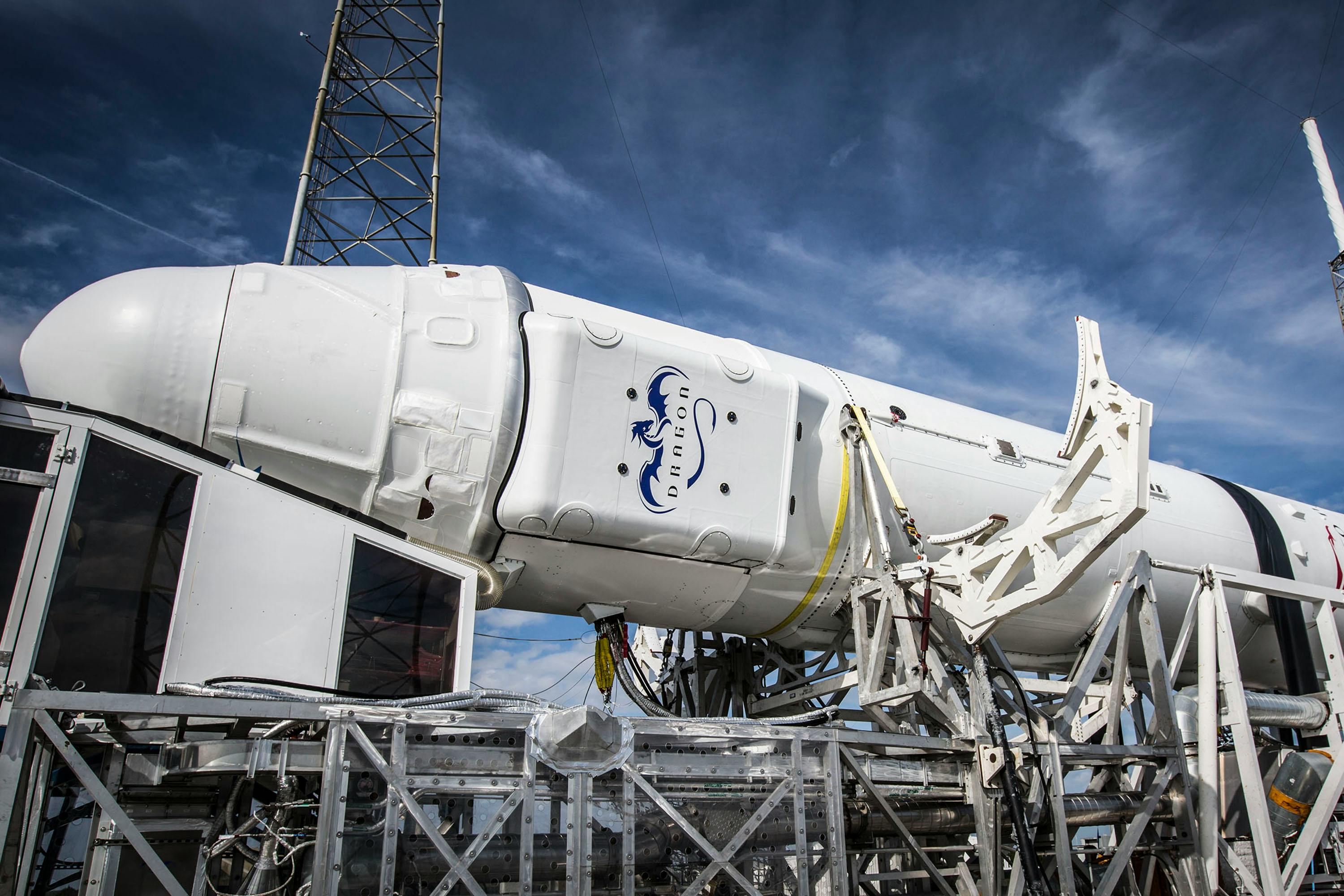
SpaceX successfully launches GPS satellite for Space Force — third consecutive GPS mission switched from ULA. EBAD demonstrates payload release module on Falcon 9 rideshare mission.

Focusing on military satellite initiatives, defense strategies, and advancements in air and cyber capabilities
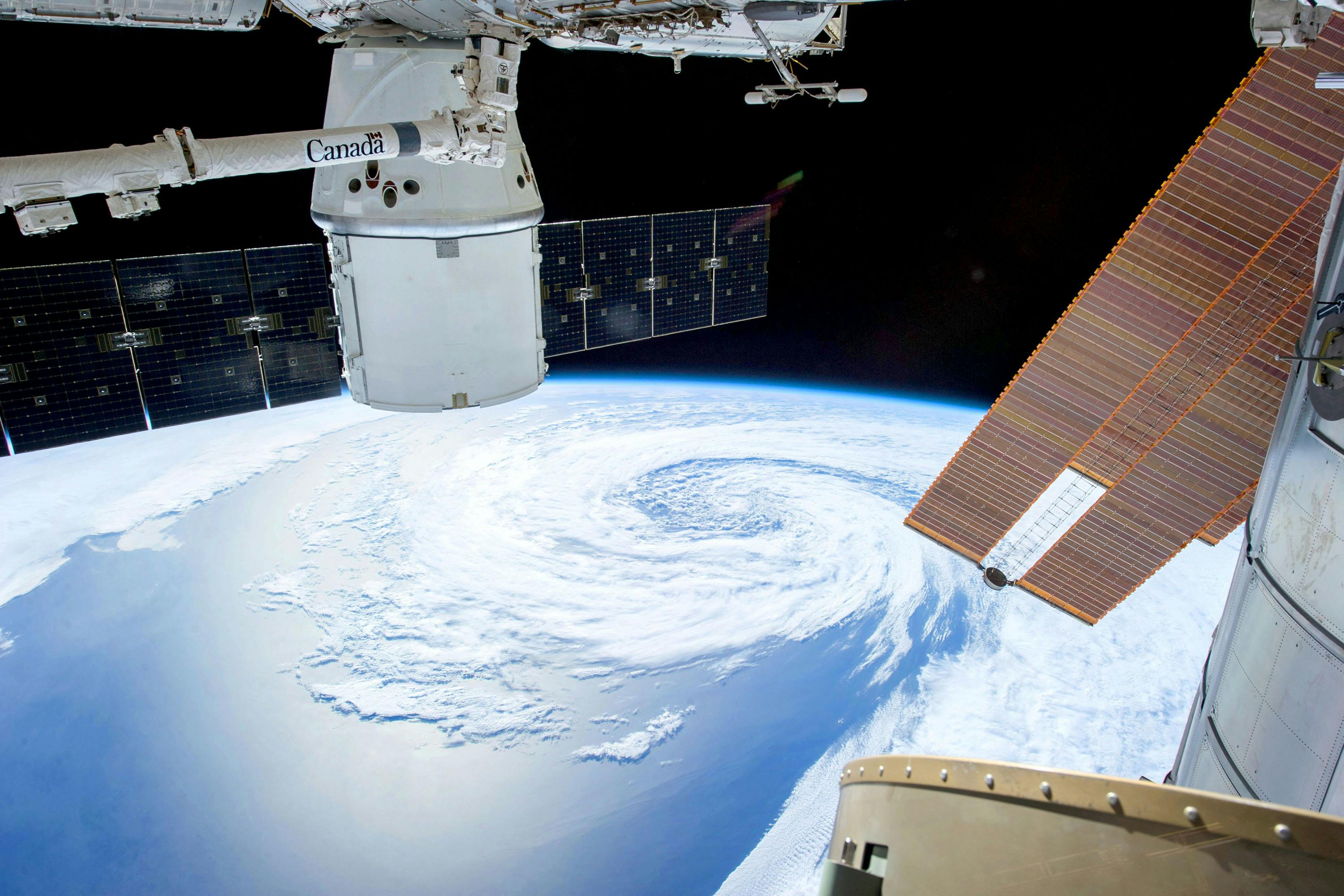
Starlink confirmed operational aboard Air Force One over Pacific. Pentagon awards 10,000 low-cost cruise missiles to 4 contractors under new LCCMP program.

Space Force urgently rebuilds contracting workforce after civilian reductions. Pentagon defense strategy shifts focus to homeland defense. Tom Ainsworth named top Air Force space acquisition officer.
SpaceX's S-1 reveals $18.7B in revenue as Starship Flight 12 debuts Block 3 hardware from Pad 2 on May 21, 2026.
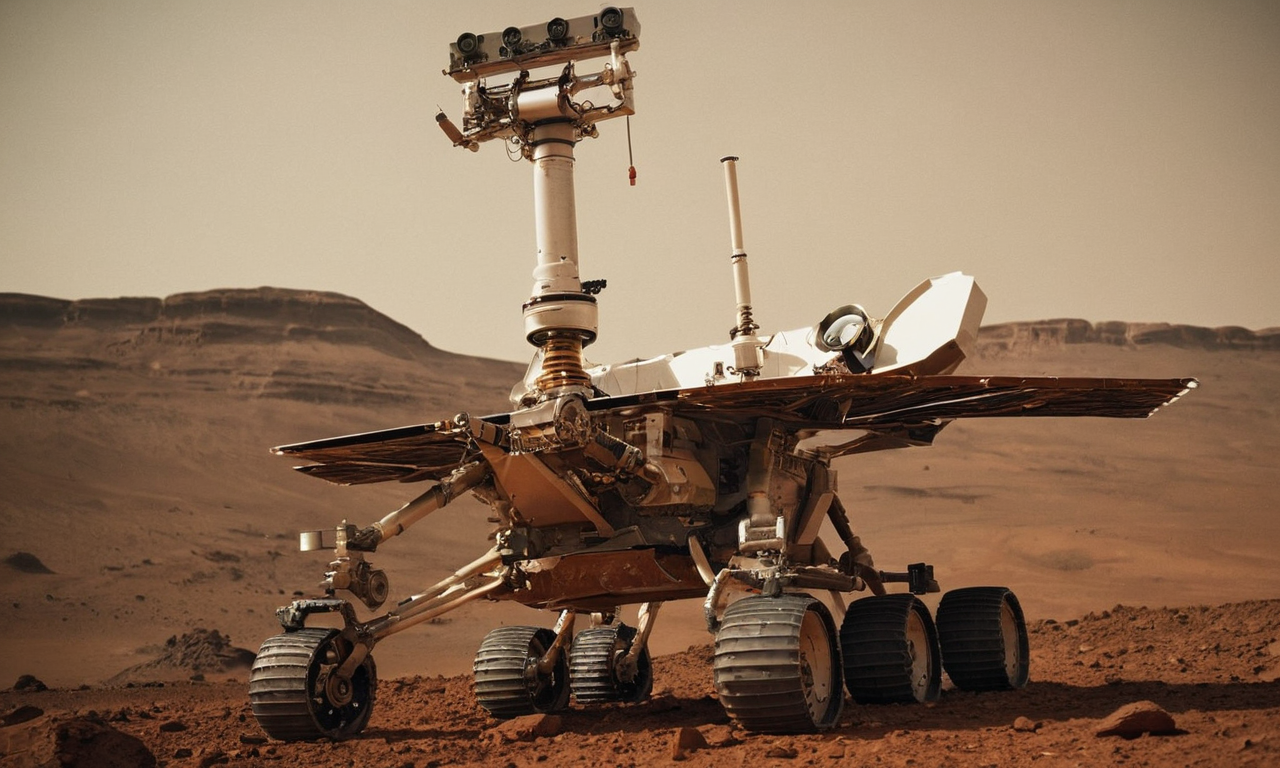
Twenty-one years ago, a golf cart-sized rover bounced to a stop inside a small crater on Mars, beginning one of the most remarkable chapters in space exploration history