STS 41G (15353)

COSPAR: 1984-108A | Alt Name: Challenger (STS 41-G)
DECAYED

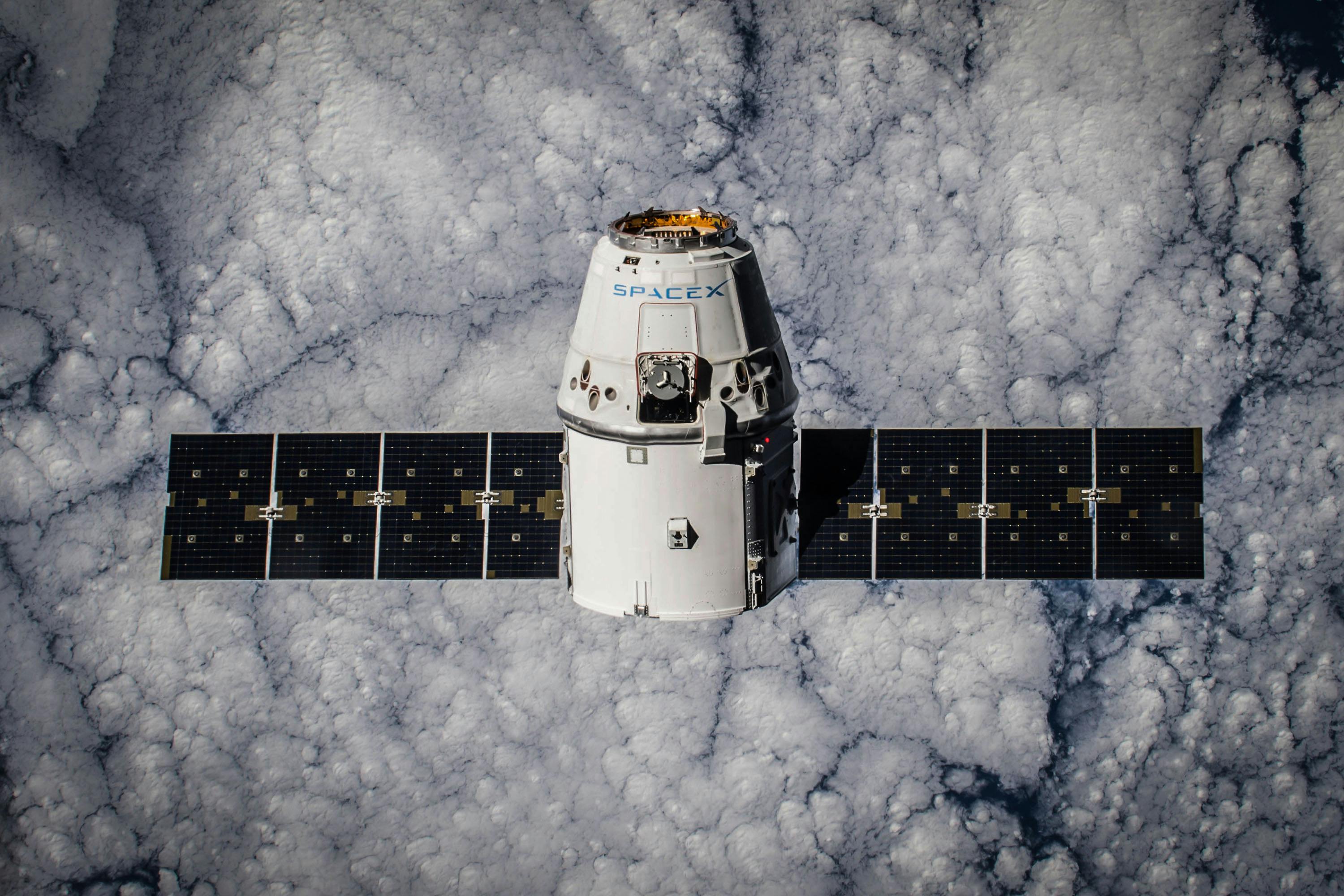
Image
STS 41G Satellite Image
Additional Sources
Launch Details

Launch Date

October 5, 1984

Launch Pad

LC39A

Launch Vehicle

Space Shuttle

Orbital Elements

NORAD ID

15353

International Designator

1984-108A

Decay Date

10/13/1984

Basic Satellite Info

Name

STS 41G

Alternative Name

Challenger (STS 41-G)

Type

Payload

Status

Decayed

Owner

JSC

Country

United States

Constellation

N/A

Related Satellites

Major Events

N/A

Summary
STS 41G, also known as Challenger (STS 41-G), is a winged orbiter crewed spacecraft with a NORAD catalog ID of 15353 and an object ID of 1984-108A. Launched on October 5, 1984, from Launch Complex 39A at the Atlantic Missile Range (AFETR) using the Space Shuttle launch vehicle, it was manufactured by RWI for the Johnson Space Center (JSC). The spacecraft measures 37.3 meters in length and span with a diameter of 23.8 meters. Its dry mass is 85,092 kilograms, and its launch mass was 93,769 kilograms. STS 41G is powered by fuel cells and batteries, equipped with two orbital maneuvering engines (OMEs), and features a box shape with wings and fins.
Physical Characteristics

Length

37.3

Diameter

23.8

Span

37.3

Dry Mass

85092

Launch Mass

93769

Shape

Box + 2 Wing + Fin

Radar Cross Section

Unknown

Visual Magnitude

Unknown

Color

Unknown

Material Composition

Unknown

Technical Details

Payload

OV-099

Purpose

Crewed Spacecraft

Mission

Crewed Spacecraft

Manufacturer

RWI

Life Expectancy

Unknown

Bus

STS OV

Configuration

Winged orbiter

Motor

2 x OME (AJ10-190)

Equipment

Unknown

Power System

Fuel cells, batteries

ADCS

Unknown

Transmitter Frequency

Unknown

Satellite Articles

View All Posts »

Learn more about satellites and other related topics.

The End of Free Skies | FAA Starts Charging for Rocket Launches

The End of Free Skies | FAA Starts Charging for Rocket Launches

On April 22, 2026, the FAA published a final rule implementing per-launch user fees for commercial space transportation — the first time the U.S. government has charged payload-based fees for rocket launches. Starting at 25 cents per pound with a $30,000 cap, the fees are modest today. By 2033, they won't be.

Space Brief 10 Feb 2025

Space Brief 10 Feb 2025

Discover today's key space events: SpaceX's Starlink launch, rocket debris risks, and advancements in nuclear rocket technology.

FAA Grounds Starship V3 After Flight 12, X Report 28 May 2026

FAA Grounds Starship V3 After Flight 12, X Report 28 May 2026

FAA grounds SpaceX Starship V3 after the Flight 12 mishap, freezing the launch schedule. Plus a $2.29B Space Force contract and 10,397 working Starlinks.

Starship Flight 12 Debuts Ship V3 as SDA Reorganizes York Space | KeepTrack Space Brief

Starship Flight 12 Debuts Ship V3 as SDA Reorganizes York Space | KeepTrack Space Brief

SpaceX's Starship Flight 12 debuts Ship 39 and Booster 19 on May 19, while York Space faces investor confusion as Space Force reorganizes the Space Development Agency.

Space Brief 20 May 2025

Space Brief 20 May 2025

Today's brief covers potential roles for commercial satellites in missile defense, SpaceX's new launch site plans at Vandenberg, and partnerships for space nuclear propulsion. Discover updates on military space projects and international defense agreements.

X Report 10 Jun 2025

X Report 10 Jun 2025

Exciting advancements from SpaceX include the debut of a new Dragon capsule for Axiom Space, continued Starlink deployments, and significant shifts in U.S. rural broadband funding that could benefit Starlink.

X Report 20 Oct 2025

X Report 20 Oct 2025

SpaceX made significant strides with the successful launch of Starlink satellites and the approval for the redevelopment of SLC-6, reinforcing its foothold in commercial spaceflight.

New Glenn Damaged in Hotfire Anomaly at LC-36 | KeepTrack Space Brief

New Glenn Damaged in Hotfire Anomaly at LC-36 | KeepTrack Space Brief

Blue Origin's New Glenn suffered a damaging anomaly during hotfire testing at Launch Complex 36, grounding the heavy-lift rocket indefinitely with no return-to-flight timeline announced.