


Reentry
What happens when space objects come home: the fiery physics of returning from orbit and why predicting where debris lands is so difficult



Launch Date
June 29, 1984
Launch Site
Launch Pad
LC90
Launch Vehicle
Tsiklon-2
NORAD ID
15330
International Designator
1984-069D
Epoch
Sat, 04 Jul 2026 06:46:25 GMT
Apogee
Calculating...
Perigee
Calculating...
Inclination
65.05°
Right Ascension
143.15°
Eccentricity
Calculating...
Argument of Perigee
302.27°
Period
103.60 min
Mean Motion
13.90 rev/day
Latitude
Calculating...
Longitude
Calculating...
Altitude
Calculating...
Velocity
Calculating...
Name
COSMOS 1579 FUEL CORE
Alternative Name
Kosmos-1579 reactor core
Type
Status
Owner
VMF
Country
USSR
Constellation
N/A
Related Satellites
Major Events
N/A
1 15330U 84069D 26185.28224017 -.00000081 00000-0 68190-5 0 9996
2 15330 65.0541 143.1544 0047311 302.2711 205.7256 13.89919748134351
Source: Celestrak
Length
0.5
Diameter
0.2
Span
0.5
Dry Mass
53
Launch Mass
53
Shape
Cyl
Radar Cross Section
0.1704
Visual Magnitude
Unknown
Color
Unknown
Material Composition
Unknown
Payload
US-A reactor core
Purpose
Unknown
Mission
Unknown
Manufacturer
KOMET
Life Expectancy
Unknown
Bus
US-A reactor core
Configuration
Unknown
Motor
Unknown
Equipment
Unknown
Power System
Unknown
ADCS
Unknown
Transmitter Frequency
Unknown
Learn more about satellites and other related topics.
What happens when space objects come home: the fiery physics of returning from orbit and why predicting where debris lands is so difficult
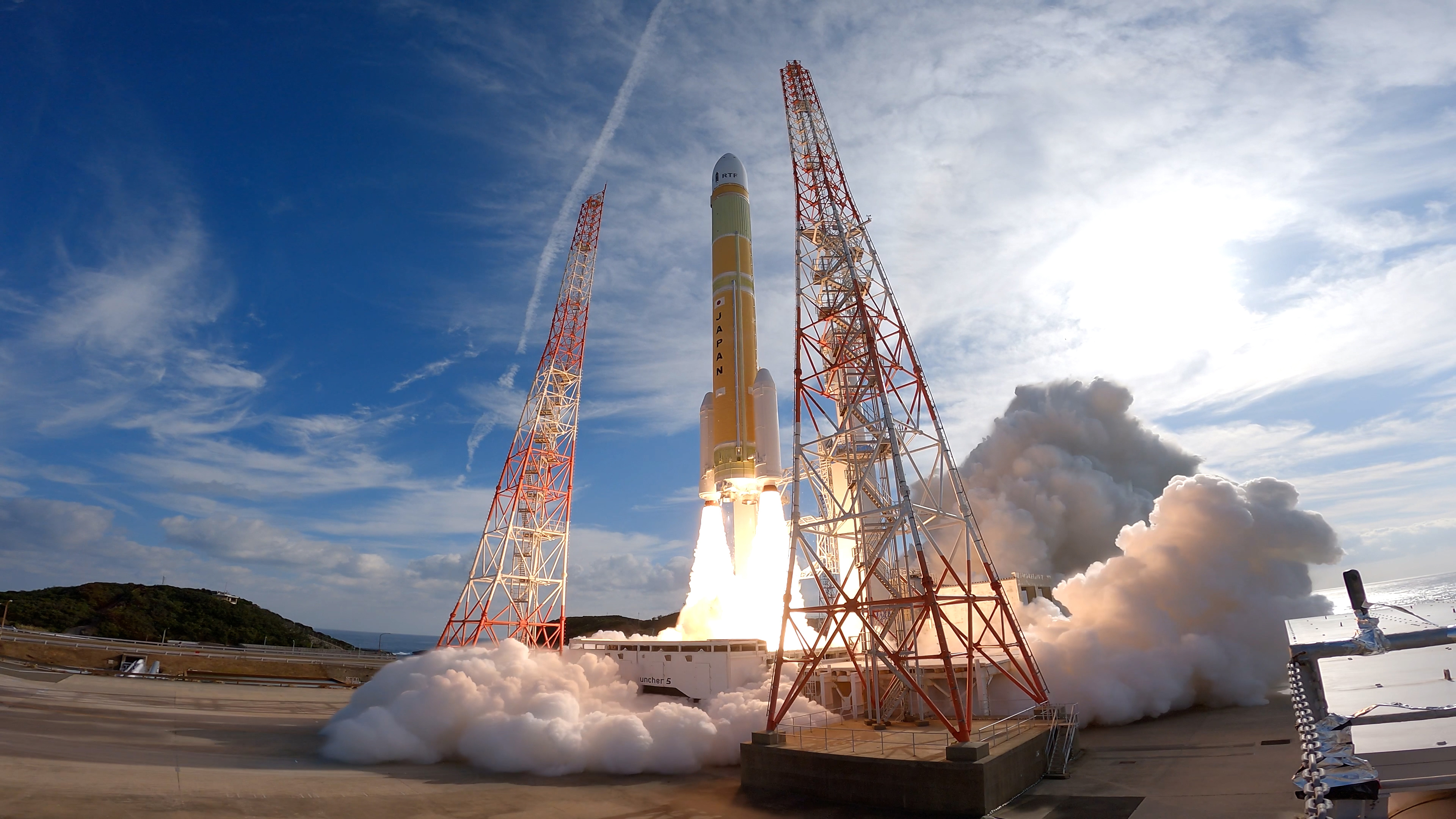
Today's highlights include new space-based interceptor developments, a UK space tracking partnership, a strategic satellite imagery alliance, and more.
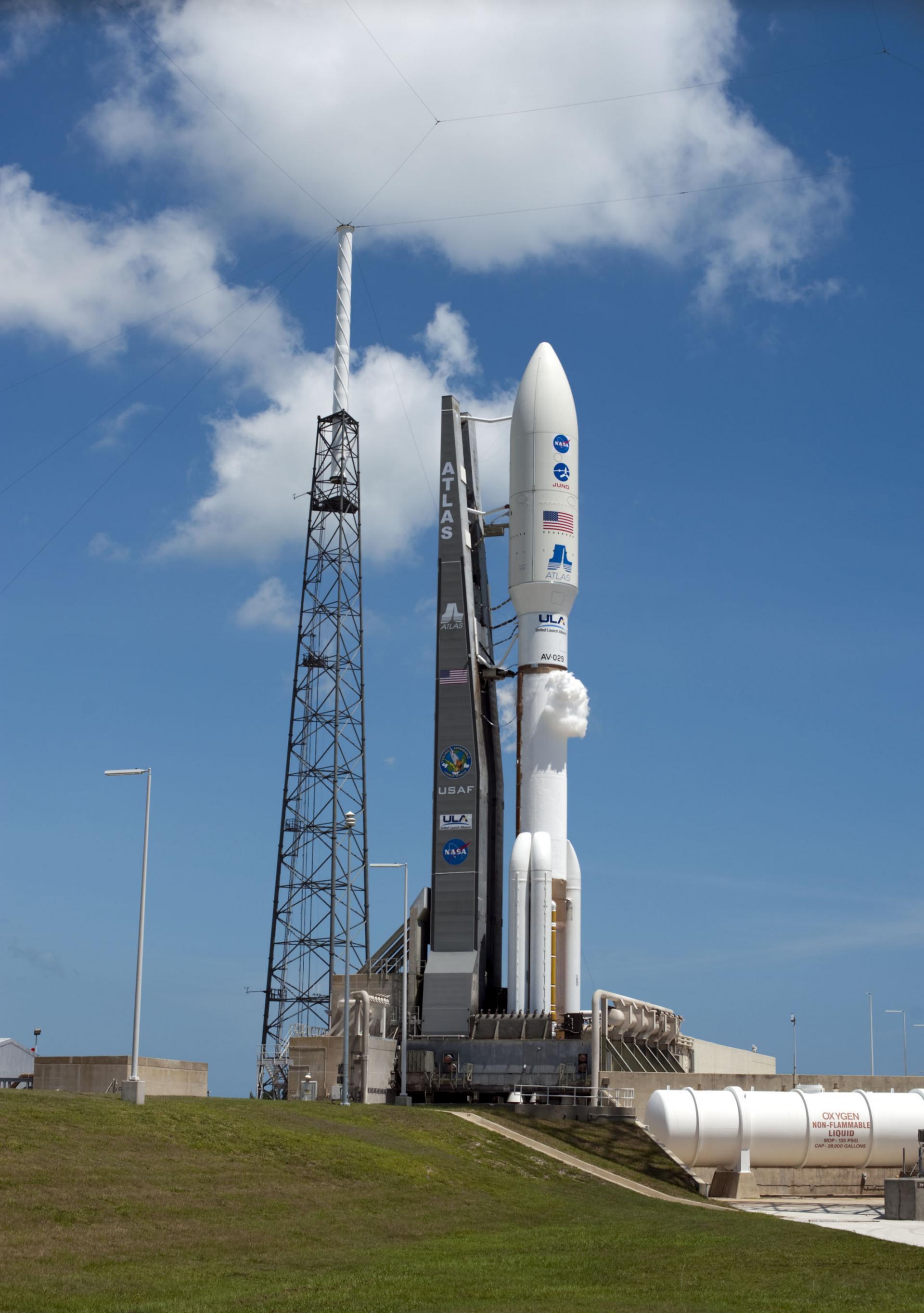
Today's brief covers the redeployment of decommissioned missile technologies to orbital duties, Germany's plans for a sovereign communications network, and fresh developments in hypersonic testing through Rocket Lab.
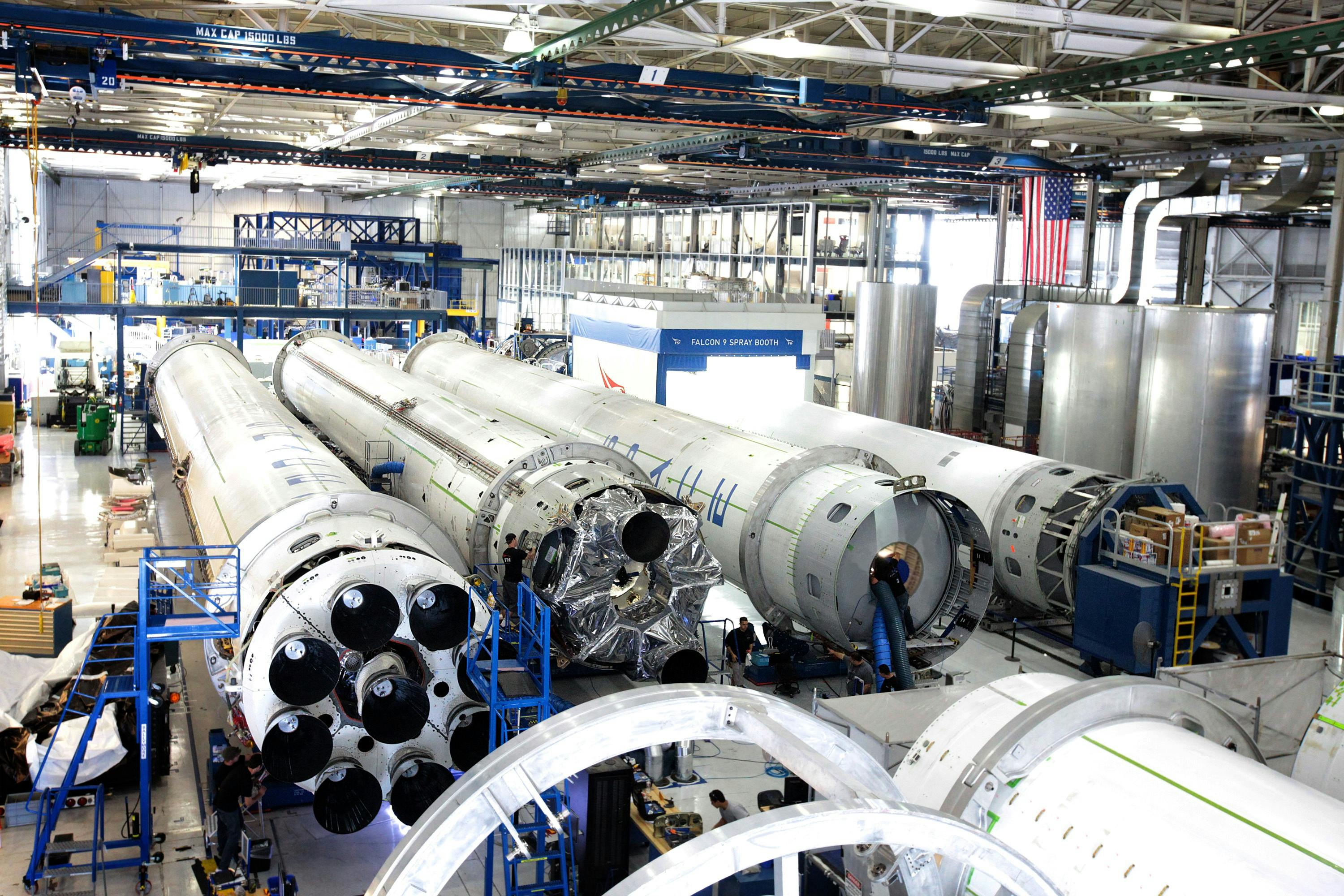
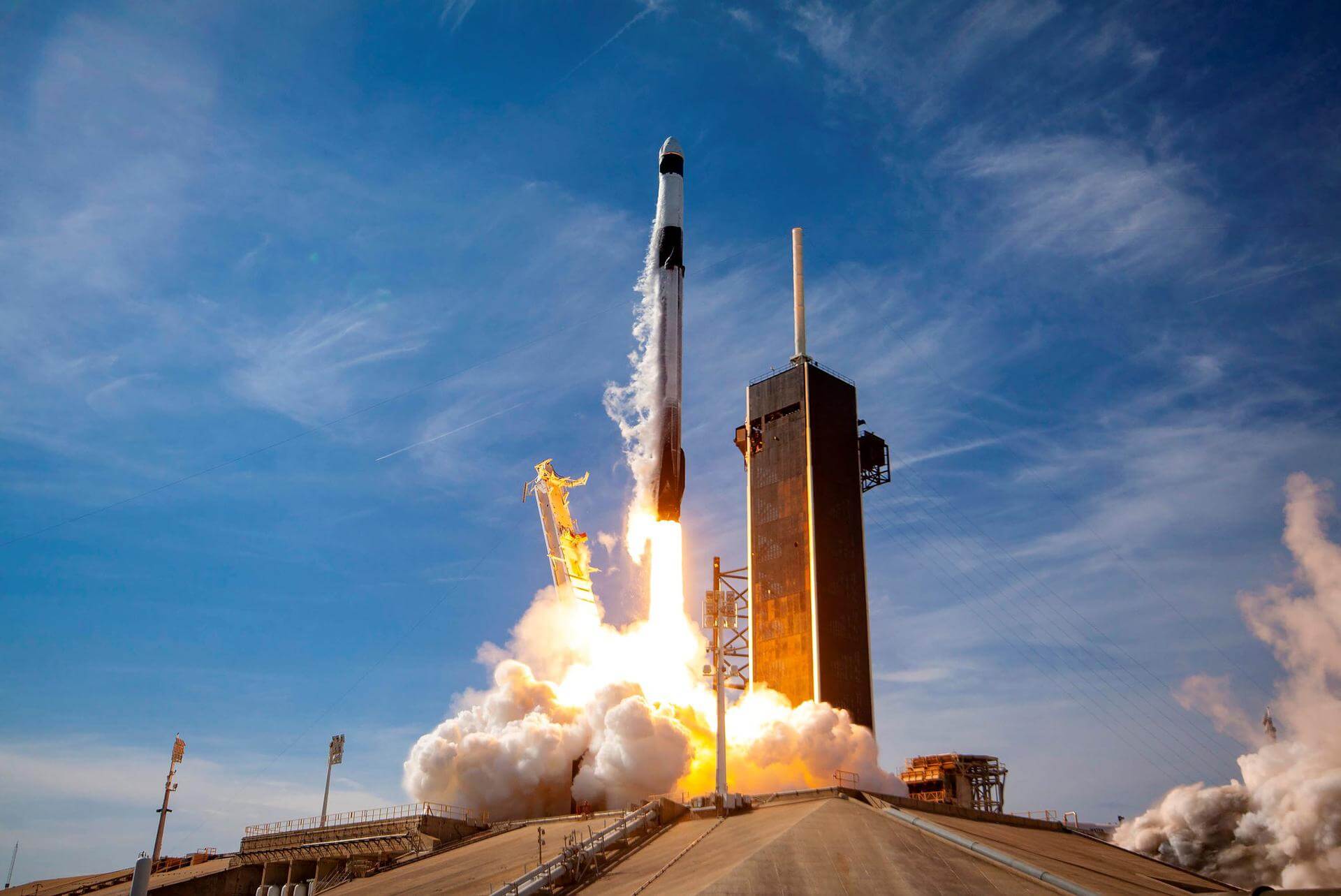
SpaceX Starfall reentry capsule debuted June 23: the 2,100 kg disk launched on a Falcon 9 from Cape Canaveral to demo cargo return from orbit.
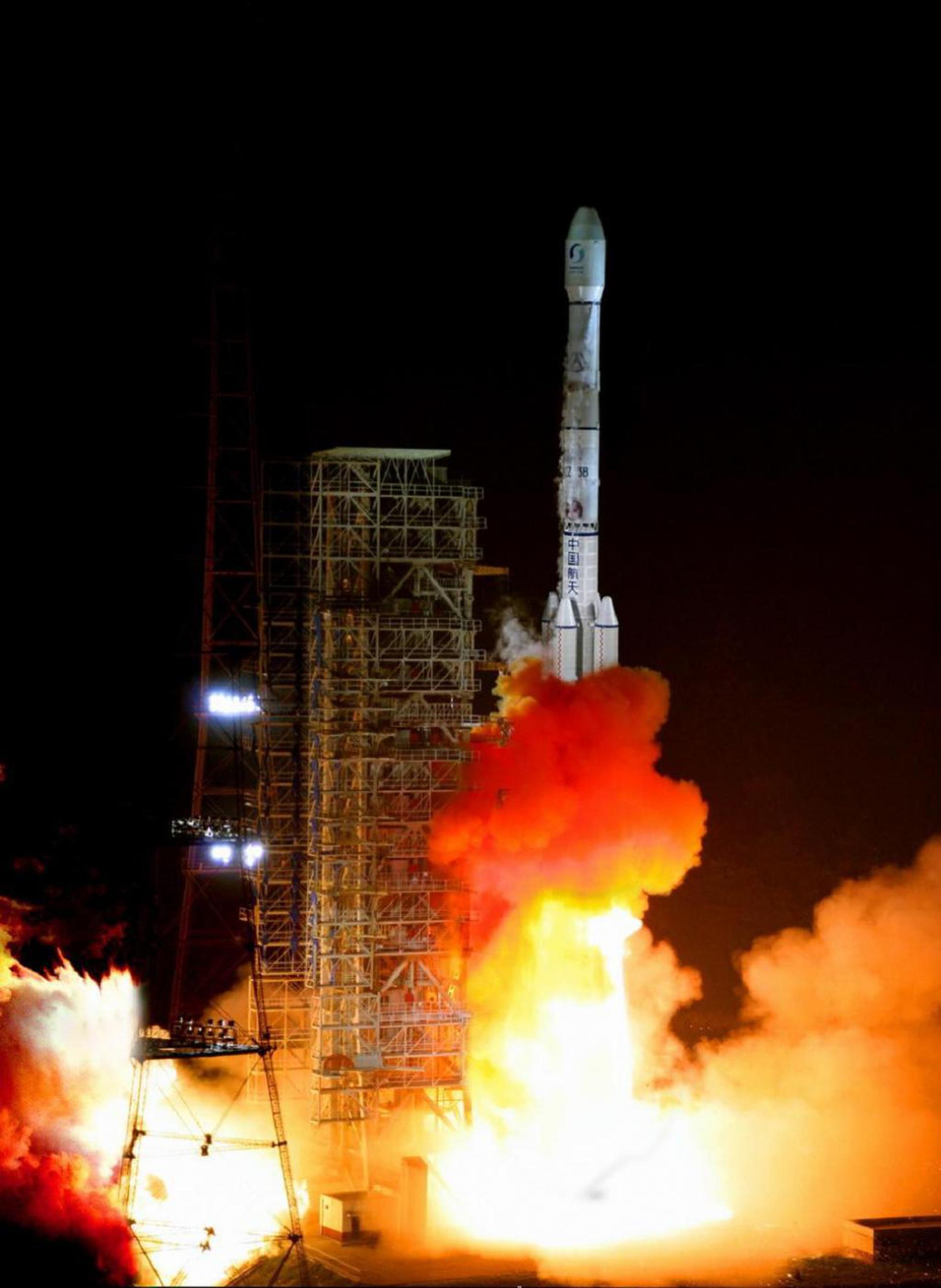
Today's space brief covers new ultraviolet data from the Europa Clipper, challenges in managing space debris, quantum advances in satellite technology, as well as a failed Indian satellite launch and more.
CBO estimates Golden Dome national missile shield at $1.2 trillion over 20 years. Space-based intercept layer could add thousands of satellites to tracked orbital regimes.

Today's space brief covers NASA's shift to private companies for astronaut rescue, EU's potential collaboration with SES for satellite services, and notable military contract allocations. Plus, a satellite spotlight on LEMUR-2-KADI.
Today's briefing covers collaborations enhancing defense capabilities, new satellite technologies entering the market, and strategic shifts in military satellite applications.