


Space Brief 1 Dec 2024
Today's highlights: China's Long March 12 boosts lunar ambitions, SpaceX supports NRO's satellite infrastructure, Firefly prepares lunar mission, and NASA partners with SpaceX for Titan exploration.


Launch Date
September 8, 1984
Launch Site
AFWTR
Launch Pad
SLC3W
Launch Vehicle
Atlas E/SGS-2
NORAD ID
15271
International Designator
1984-097A
Epoch
Thu, 02 Jul 2026 17:54:32 GMT
Apogee
Calculating...
Perigee
Calculating...
Inclination
62.13°
Right Ascension
290.47°
Eccentricity
Calculating...
Argument of Perigee
226.79°
Period
747.59 min
Mean Motion
1.93 rev/day
Latitude
Calculating...
Longitude
Calculating...
Altitude
Calculating...
Velocity
Calculating...
Name
NAVSTAR 10 (USA 5)
Alternative Name
GPS 10
Type
Status
Owner
AFSD
Country
United States
Constellation
N/A
Related Satellites
Major Events
N/A
1 15271U 84097A 26183.74620919 -.00000032 00000-0 00000-0 0 9998
2 15271 62.1278 290.4732 0148690 226.7949 132.7196 1.92619162296629
Source: Celestrak
Length
2.4
Diameter
2.6
Span
5.3
Dry Mass
431
Launch Mass
431
Shape
Box + 2 Pan
Radar Cross Section
1.4013
Visual Magnitude
Unknown
Color
Unknown
Material Composition
Unknown
Payload
GPS SVN 10
Purpose
Navigation
Mission
Navigation
Manufacturer
RWISB
Life Expectancy
5 years
Bus
GPS
Configuration
3-Axis stabilized
Motor
TE-M-616-8
Equipment
?
Power System
2 deployable solar arrays, batteries
ADCS
Unknown
Transmitter Frequency
Unknown
Learn more about satellites and other related topics.
Today's highlights: China's Long March 12 boosts lunar ambitions, SpaceX supports NRO's satellite infrastructure, Firefly prepares lunar mission, and NASA partners with SpaceX for Titan exploration.
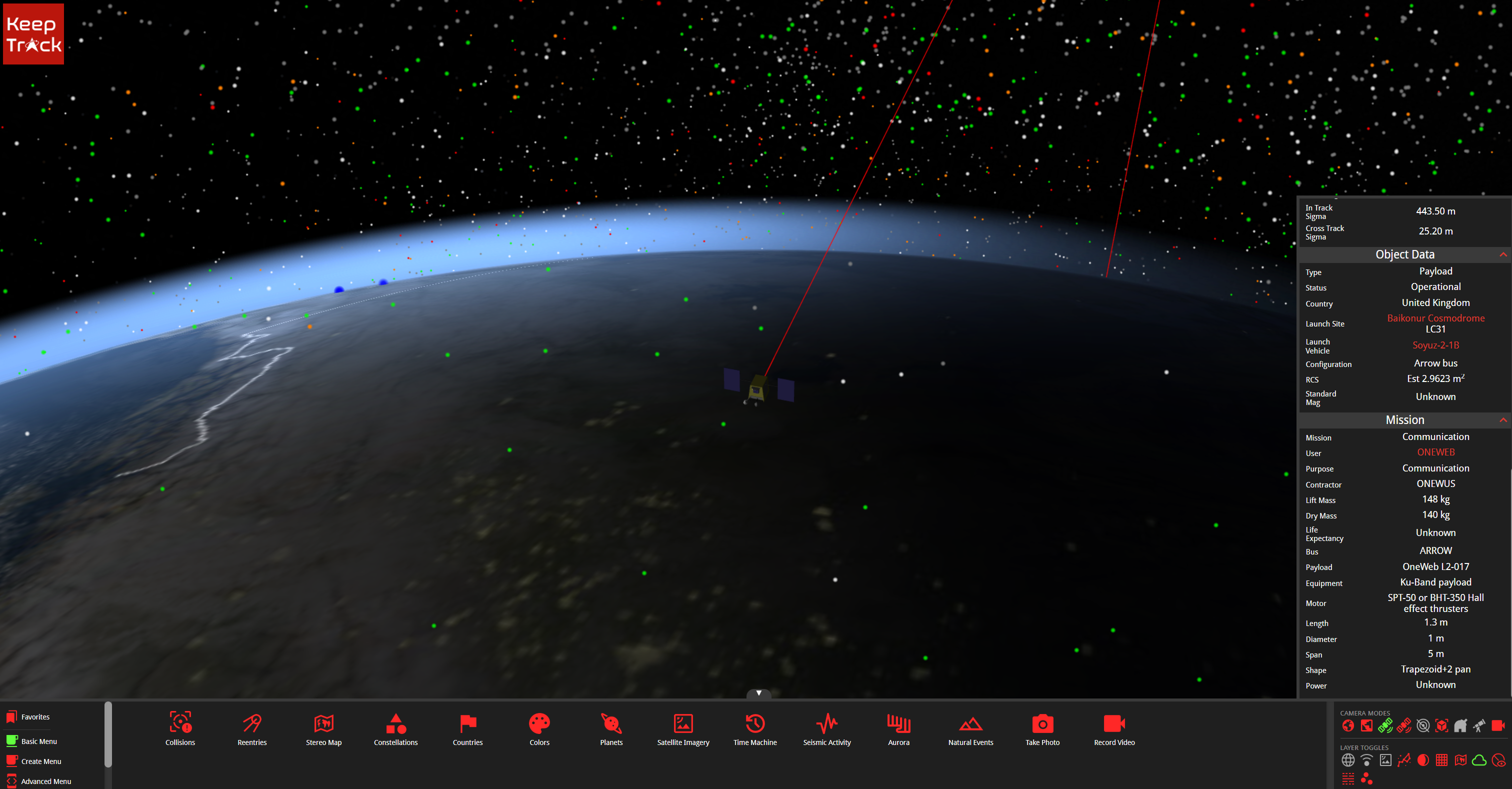
The evolution from simply tracking objects in orbit to understanding the full strategic picture of who is doing what in space, and why

Booster B1067 sets new Falcon 9 reuse record with 35th successful flight, deploying 29 Starlink satellites. Quantum Space pursues public markets via SPAC.

As the largest and most powerful rocket ever built, it's designed for full reusability and rapid launch turnaround. SpaceX claims it could carry over 100 tons to low Earth orbit at a fraction of current costs.
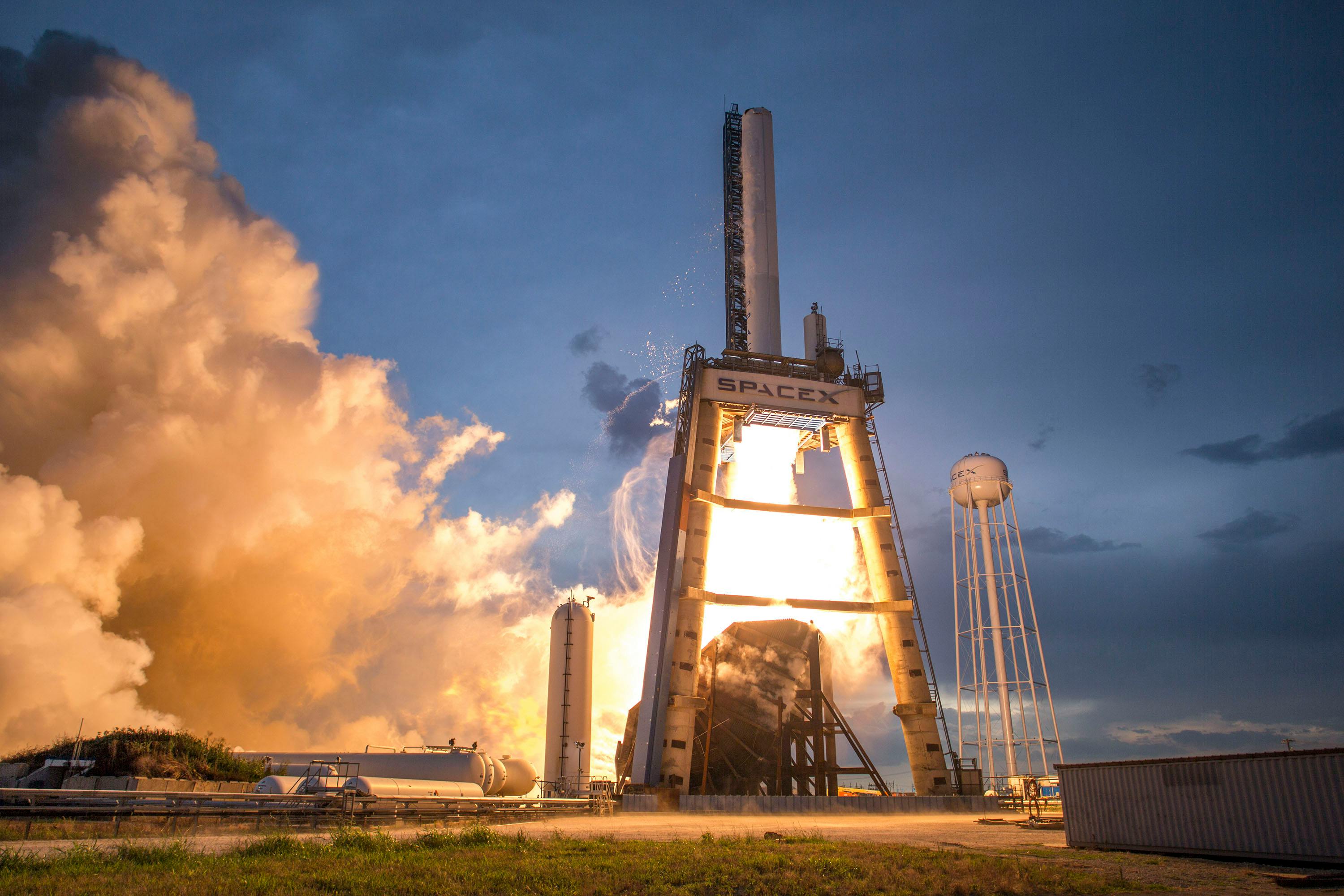
SpaceX gears up for major Starlink launch, while Starship developments continue to shape commercial spacefrontiers.
China successfully recovered a Long March 10C first stage booster, positioning the methalox rocket as its primary commercial launcher. Reusable boosters reshape Beijing's LEO constellation strategy.
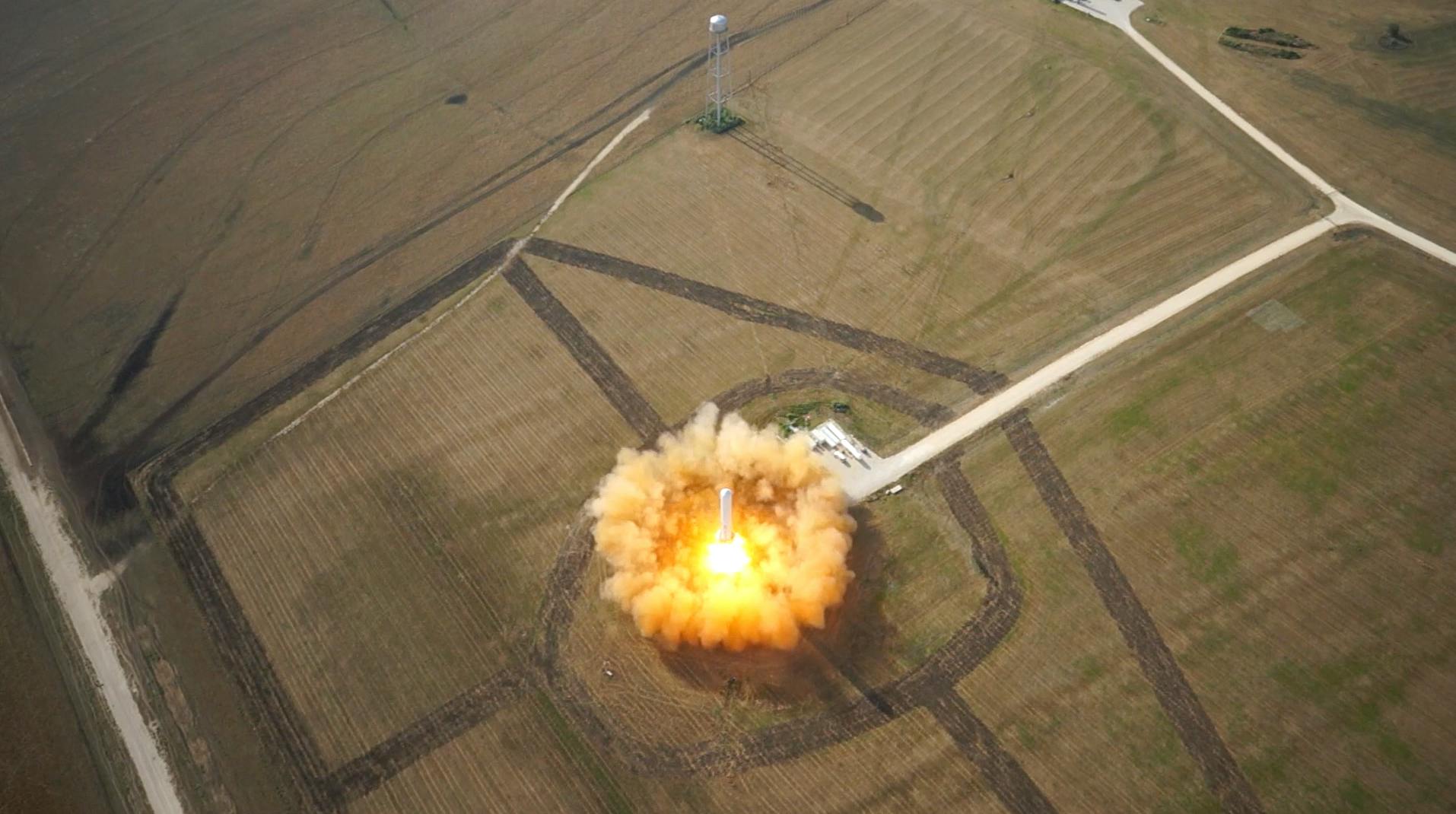
A partial breakup incident involving a Starlink satellite raised concerns, while SpaceX continued its ambitious projects and launches.

Starbase expansion progresses and Germany eyes its own satellite constellation.