SL-12 R/B(1) (15262)

COSPAR: 1984-095D | Alt Name: Proton-K 320-01 Stage 3
DECAYED

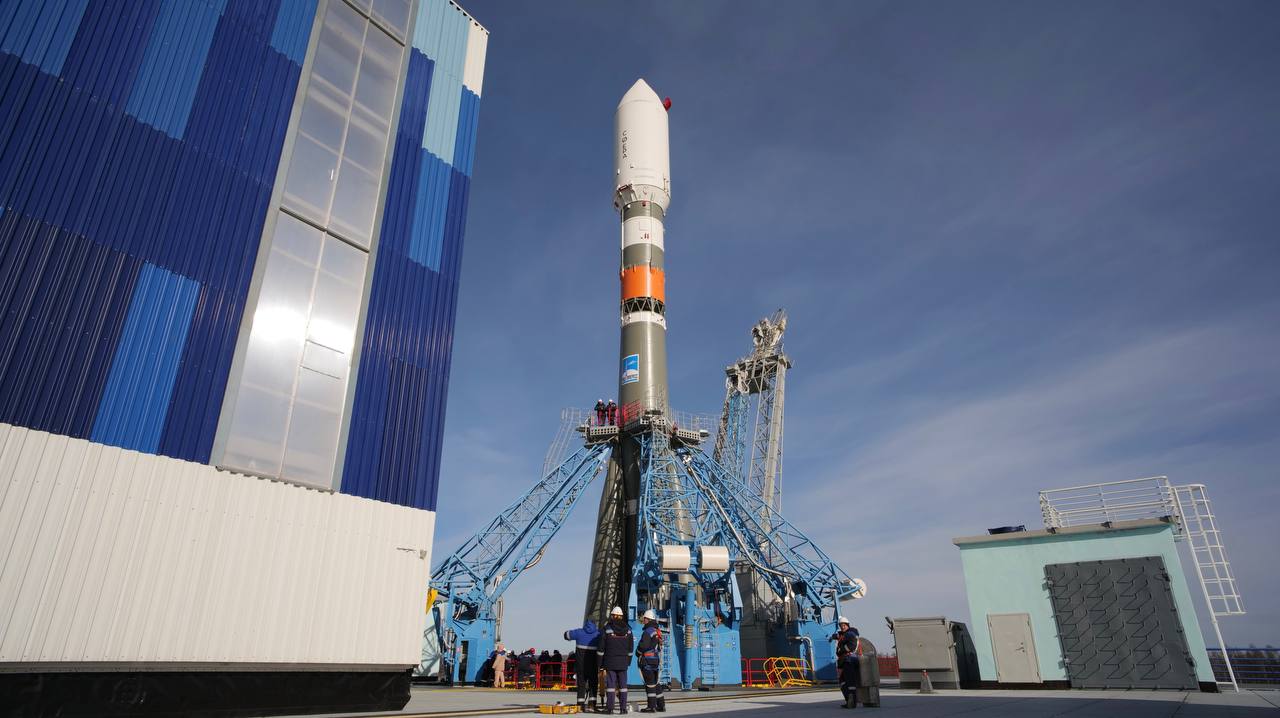
Image
SL-12 R/B(1) Satellite Image
Additional Sources
Launch Details

Launch Date

September 4, 1984

Launch Pad

LC200/40

Launch Vehicle

Proton-K/DM-2

Orbital Elements

NORAD ID

15262

International Designator

1984-095D

Decay Date

9/6/1984

Basic Satellite Info

Name

SL-12 R/B(1)

Alternative Name

Proton-K 320-01 Stage 3

Type

Rocket Body

Status

Space Junk

Owner

RVSN

Country

USSR

Constellation

N/A

Related Satellites

Major Events

N/A

Summary
A rocket body, also commonly referred to as an upper stage or spent rocket stage, is the structural shell left behind after a rocket has delivered its payload to orbit. These large and often heavy pieces of space hardware can remain in orbit for years, posing significant collision hazards as part of the growing space debris problem. If left uncontrolled, rocket bodies have the potential to reenter Earth's atmosphere unpredictably, which can lead to falling debris in populated areas. Additionally, they risk colliding with operational satellites or the International Space Station, creating more debris and putting human life at risk.
Physical Characteristics

Length

6.5

Diameter

4.2

Span

6.5

Dry Mass

4185

Launch Mass

4185

Shape

Cyl

Radar Cross Section

Unknown

Visual Magnitude

Unknown

Color

Unknown

Material Composition

Unknown

Technical Details

Payload

8S812

Purpose

Unknown

Mission

Unknown

Manufacturer

ZIKH

Life Expectancy

Unknown

Bus

8S812

Configuration

Unknown

Motor

Unknown

Equipment

Unknown

Power System

Unknown

ADCS

Unknown

Transmitter Frequency

Unknown

Satellite Articles

View All Posts »

Learn more about satellites and other related topics.

Space Force Awards Orbital AMTI to 9 Companies | KeepTrack Space Brief

Space Force Awards Orbital AMTI to 9 Companies | KeepTrack Space Brief

Space Force confirmed 9 companies won orbital Air Moving Target Indication contracts. Capability shifts airborne surveillance to satellites for expanded coverage and survivability.

Pentagon Pulls the Plug on GPS OCX | The $8 Billion Ground System That Never Worked

Pentagon Pulls the Plug on GPS OCX | The $8 Billion Ground System That Never Worked

On April 17, 2026, the U.S. Space Force officially cancelled the Next Generation Operational Control System after sixteen years of development, cost overruns, and testing failures. The $8 billion program was supposed to unlock the military's encrypted GPS signal. Instead, the satellites are flying with capabilities the ground can't command.

Space Brief 15 Dec 2024

Space Brief 15 Dec 2024

Anticipated NISAR launch now scheduled for March 2025; Rivada persists in broadband constellation quest despite setbacks; SpaceX scrubbed RRT-1 launch holds mystery.

White House Orders Space Nuclear Power by 2028 | KeepTrack Space Brief

White House Orders Space Nuclear Power by 2028 | KeepTrack Space Brief

White House directs NASA and Pentagon to field space nuclear power systems by 2028, with DoD demonstration required by 2031. Game-changer for military satellite power budgets.

Space Brief 26 Nov 2025

Space Brief 26 Nov 2025

Today's update covers new military space initiatives, impacts of drone threats in Europe, and advancements in secure cloud technology for NATO and Ukraine.

X Report 13 Apr 2025

X Report 13 Apr 2025

SpaceX successfully launches 21 Starlink satellites and deploys a new batch of spy satellites for the US government.

Space Brief 20 Dec 2025

Space Brief 20 Dec 2025

Today's Space Brief focuses on multi-billion dollar contracts for missile-tracking satellites, developments in optical nuclear clock research, and innovative drone projects for military collaboration.

X Report 14 Apr 2025

X Report 14 Apr 2025

SpaceX sets a new reuse record with Falcon 9's 27th flight, continuing its Starlink deployment while facing challenges with Starship development.