



Space Brief 18 Aug 2025
Today's Space Brief covers significant satellite launches by SpaceX, an automated collision avoidance system development, Rocket Lab's strategic acquisition, and the rise of corporate-named satellites in orbit.


![COSMOS 1595 [GLONASS] Satellite Image](/images/sat/15261.jpg)
Launch Date
September 4, 1984
Launch Site
Launch Pad
LC200/40
Launch Vehicle
Proton-K/DM-2
NORAD ID
15261
International Designator
1984-095C
Epoch
Thu, 02 Jul 2026 16:49:05 GMT
Apogee
Calculating...
Perigee
Calculating...
Inclination
64.82°
Right Ascension
70.68°
Eccentricity
Calculating...
Argument of Perigee
218.54°
Period
675.73 min
Mean Motion
2.13 rev/day
Latitude
Calculating...
Longitude
Calculating...
Altitude
Calculating...
Velocity
Calculating...
Name
COSMOS 1595 [GLONASS]
Alternative Name
Kosmos-1595
Type
Status
Owner
GUKOS
Country
USSR
Constellation
N/A
Related Satellites
Major Events
N/A
1 15261U 84095C 26183.70075609 -.00000011 00000-0 00000-0 0 9998
2 15261 64.8184 70.6755 0047191 218.5384 322.4658 2.13102155299854
Source: Celestrak
Length
4
Diameter
1.5
Span
7.8
Dry Mass
1200
Launch Mass
1300
Shape
Cyl + Ant + 2 Pan
Radar Cross Section
1.5
Visual Magnitude
Unknown
Color
Unknown
Material Composition
Unknown
Payload
Uragan GVM
Purpose
Dummy satellite
Mission
Dummy satellite
Manufacturer
OAZ
Life Expectancy
Unknown
Bus
Uragan
Configuration
Unknown
Motor
None
Equipment
Unknown
Power System
None
ADCS
Unknown
Transmitter Frequency
Unknown
Learn more about satellites and other related topics.
Today's Space Brief covers significant satellite launches by SpaceX, an automated collision avoidance system development, Rocket Lab's strategic acquisition, and the rise of corporate-named satellites in orbit.
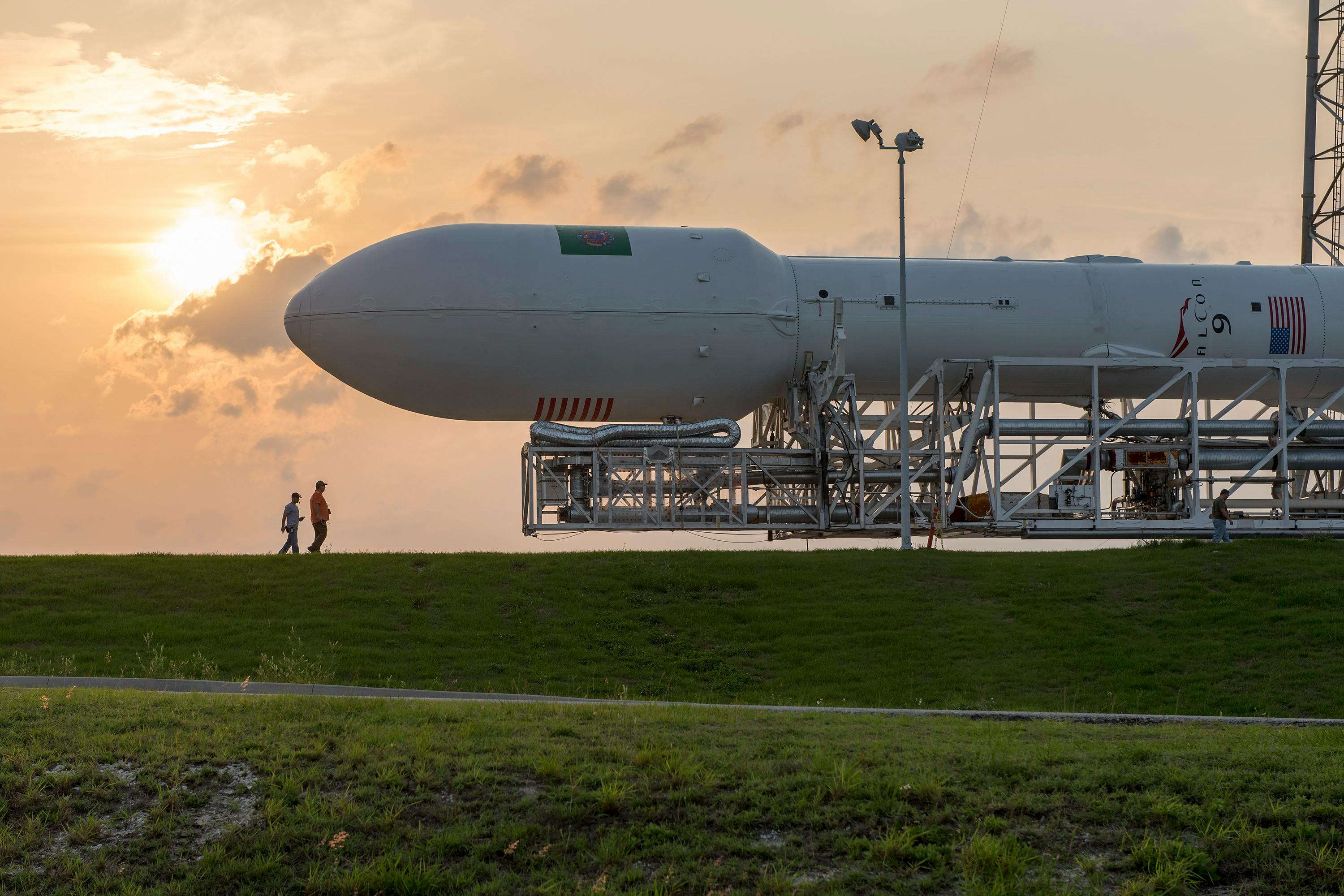
Today's Space Brief highlights SpaceX Crew-8's return, Intelsat-33e satellite breakup, SpaceX's upcoming Starship tests, and notable launches including China's new mega-constellation.

Explore the latest in satellite launches and space reconnaissance as Lockheed Martin, SpaceX, and military entities push forward with innovative missions. A new propulsion clean room marks growth in satellite tech.
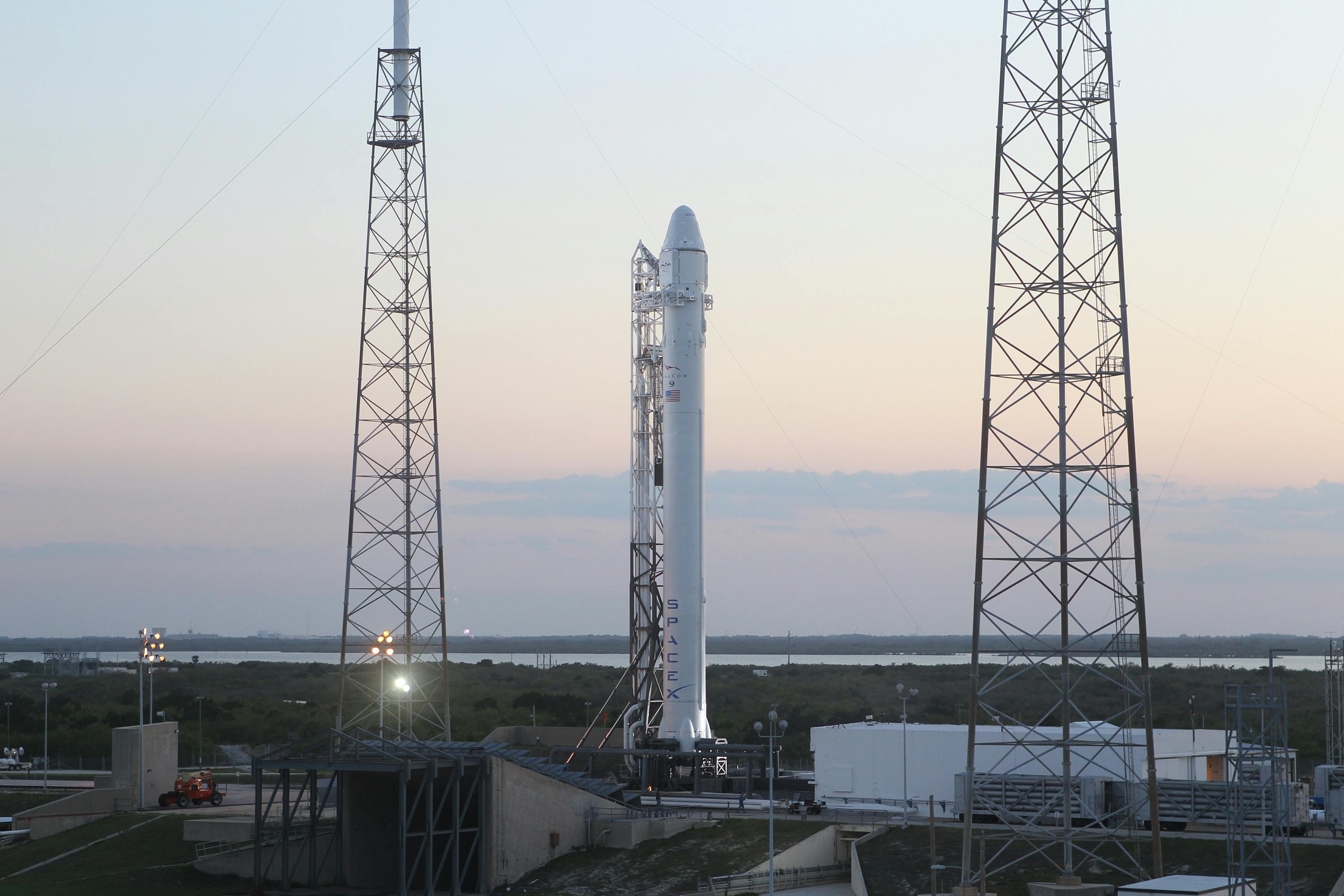
SpaceX successfully launches NASA missions, prepares for Crew-10 flight, and overcomes Falcon 9 launch anomalies.
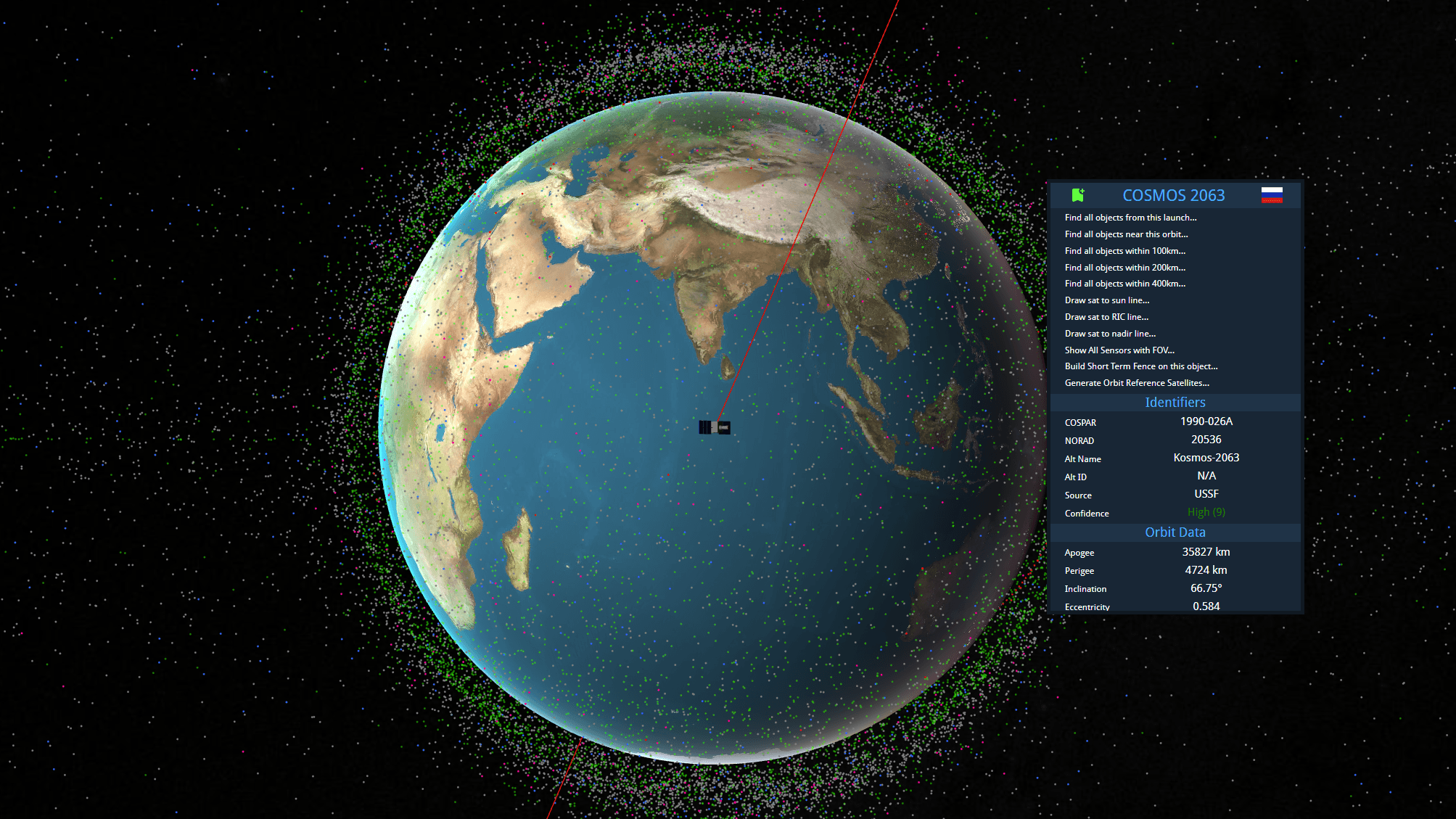
Today's Space Brief explores new satellite launches, significant reentries, funding milestones, and critical policy updates.
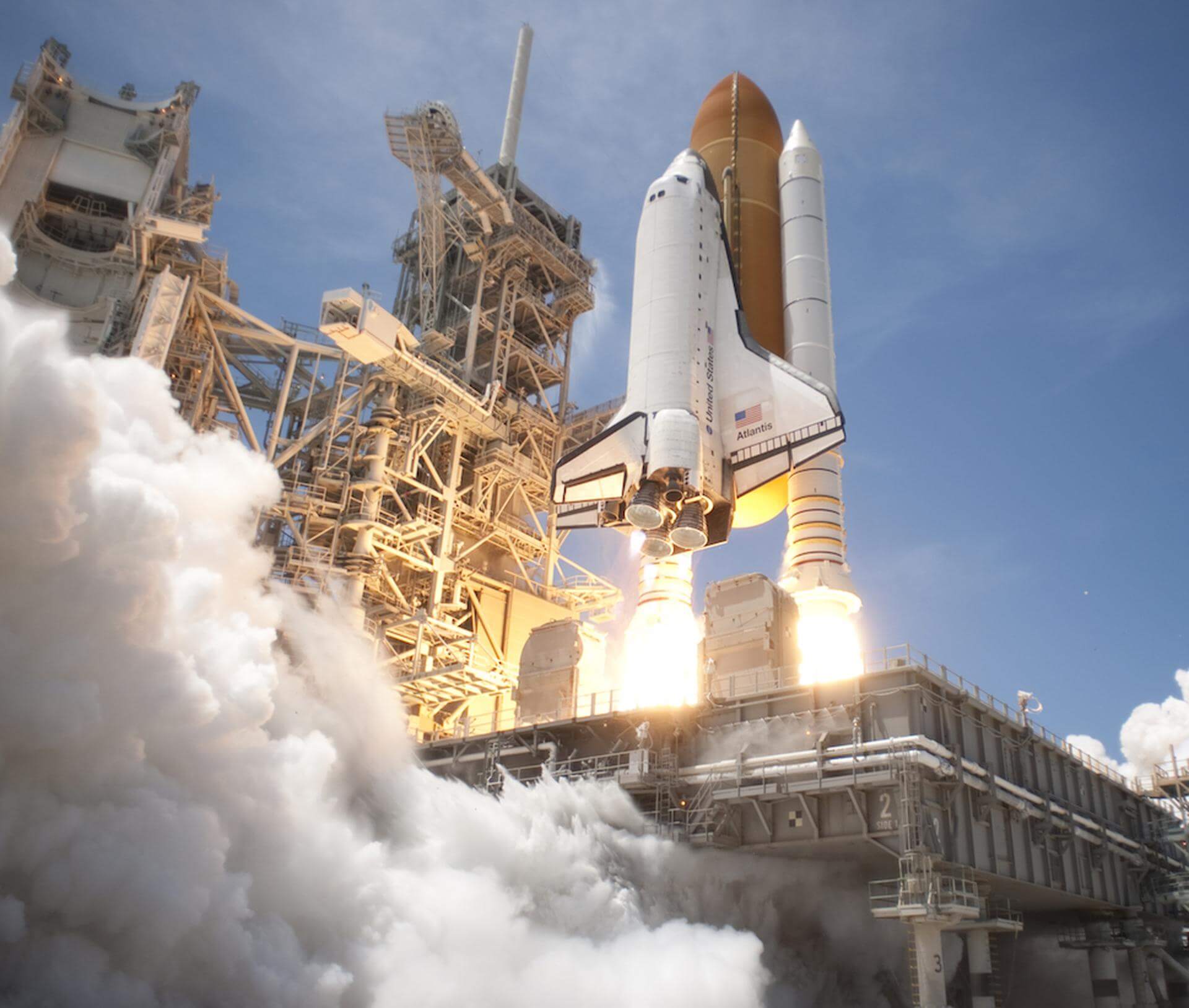
U.S. Space Force increased Andromeda contract ceiling to $6.2 billion for next-generation space situational awareness satellites replacing GSSAP and SILENTBARKER programs.

Space Force projects 30,000-satellite orbital architecture by 2040 amid combat integration revelations. Gen. Saltzman confirms space operations were critical in Iran conflict.
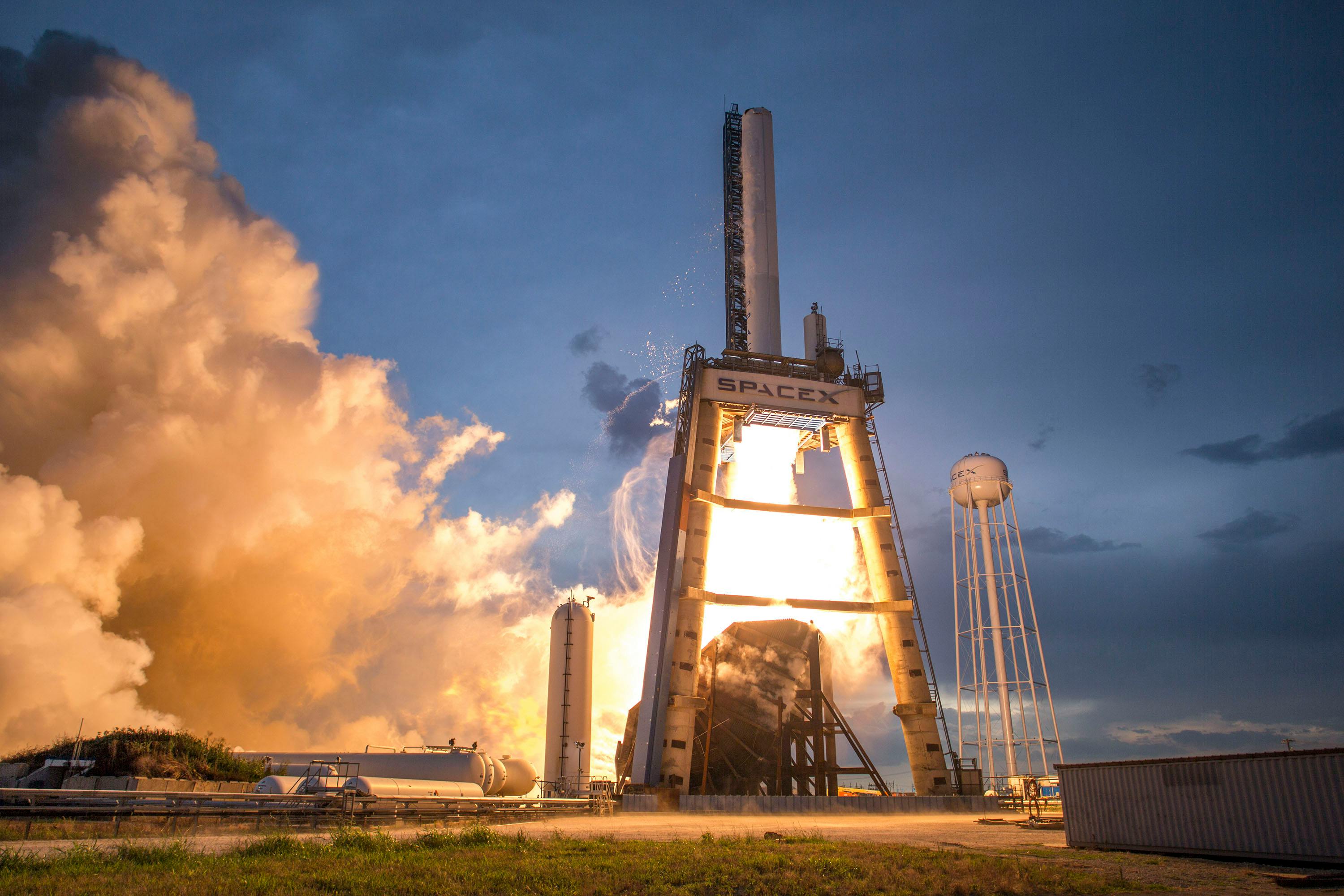
Today's brief covers various military applications of climate-monitoring satellites, new defense strategies against unmanned threats, and the potential impacts of geopolitical tensions on orbit.