


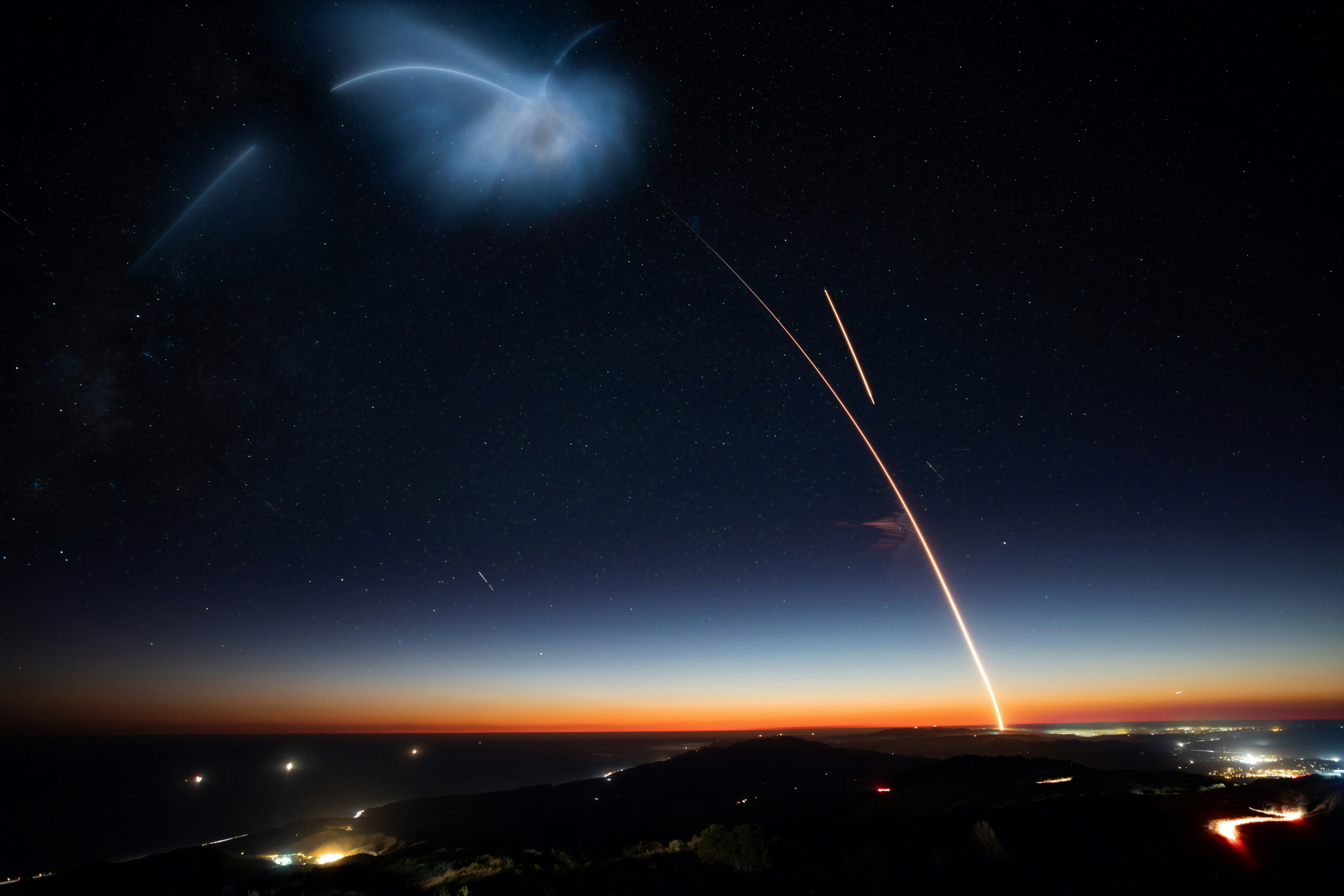
X Report 1 Mar 2025
FAA greenlights Flight 8 of SpaceX's Starship while senators examine Air Force nominee's ties to the company.


Launch Date
August 30, 1984
Launch Site
Launch Pad
LC39A
Launch Vehicle
Space Shuttle
NORAD ID
15237
International Designator
1984-093D
Epoch
Fri, 03 Jul 2026 18:50:05 GMT
Apogee
Calculating...
Perigee
Calculating...
Inclination
14.12°
Right Ascension
345.24°
Eccentricity
Calculating...
Argument of Perigee
170.57°
Period
1443.15 min
Mean Motion
1.00 rev/day
Latitude
Calculating...
Longitude
Calculating...
Altitude
Calculating...
Velocity
Calculating...
Name
TELSTAR 302
Alternative Name
Telstar 302
Type
Status
Owner
ATTS
Country
United States
Constellation
N/A
Related Satellites
Major Events
N/A
1 15237U 84093D 26184.78479036 -.00000286 00000-0 00000-0 0 9994
2 15237 14.1225 345.2379 0003514 170.5684 359.2825 0.99782054 46606
Source: Celestrak
Length
6.6
Diameter
2.2
Span
6.6
Dry Mass
522
Launch Mass
619
Shape
Cyl
Radar Cross Section
4.6276
Visual Magnitude
Unknown
Color
Unknown
Material Composition
Unknown
Payload
Telstar 3C
Purpose
Communication
Mission
Communication
Manufacturer
HSES
Life Expectancy
10 years
Bus
HS-376
Configuration
HS-376
Motor
TE-M-700-5
Equipment
24 C-band transponders
Power System
Solar cells (body mounted and drop-skirt), batteries
ADCS
Unknown
Transmitter Frequency
Unknown
Learn more about satellites and other related topics.
FAA greenlights Flight 8 of SpaceX's Starship while senators examine Air Force nominee's ties to the company.

China hits record 92 orbital launches in 2025. Vandenberg opens new launch site for providers. Former ULA CEO Tory Bruno joins Blue Origin for national security projects.
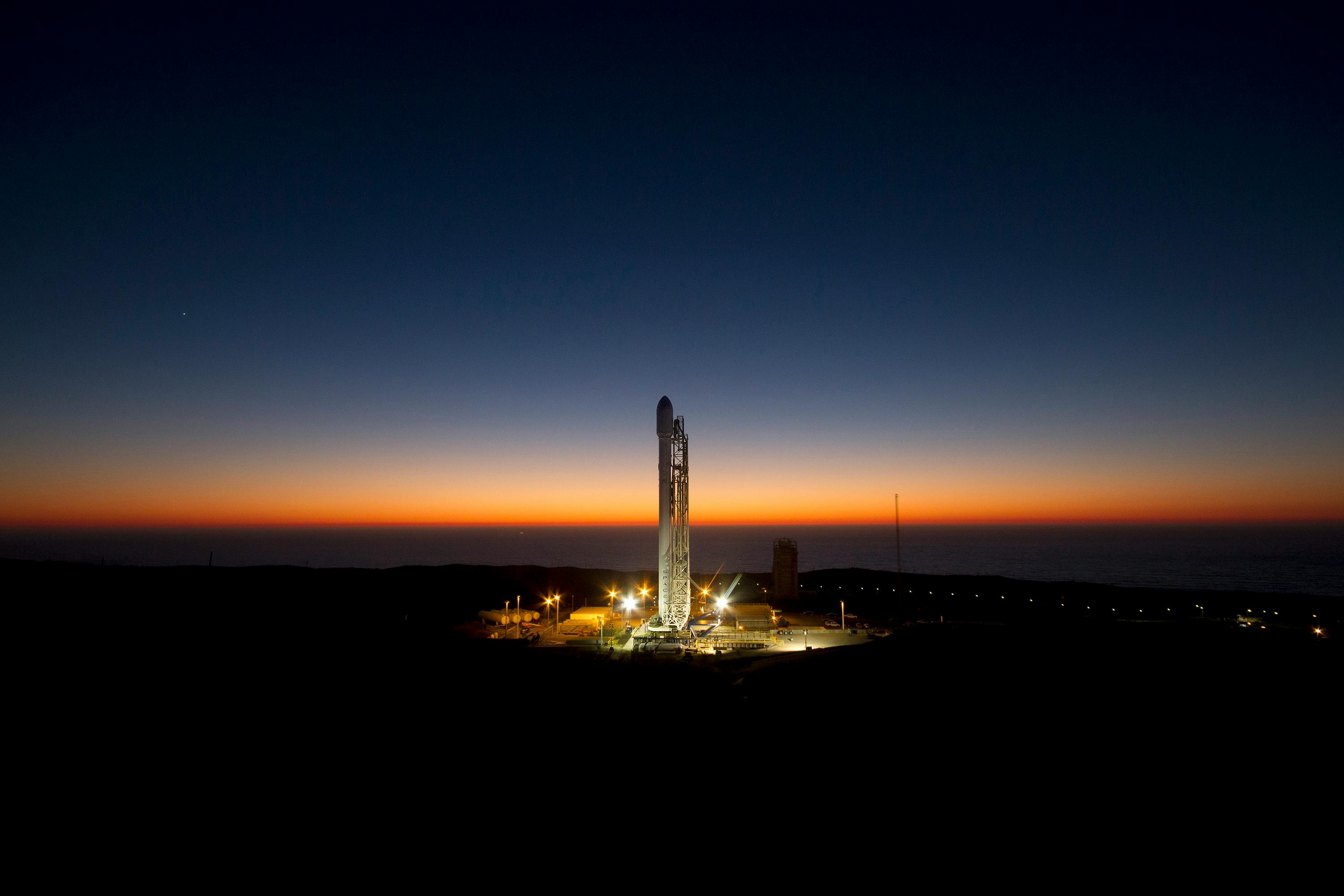
SpaceX has been active, with successful launches of Starlink satellites and major developments at Cape Canaveral, signaling a competitive edge in satellite communication and launch capabilities.

SpaceX continues to dominate with two Starlink launches in one day, the unveiling of its final Crew Dragon, and facing legal challenges from Mexico regarding a recent Starship incident.

Space Force commits to operational space tugs and on-orbit refueling by 2030. New capabilities will complicate conjunction analysis for GEO and MEO satellite tracking.
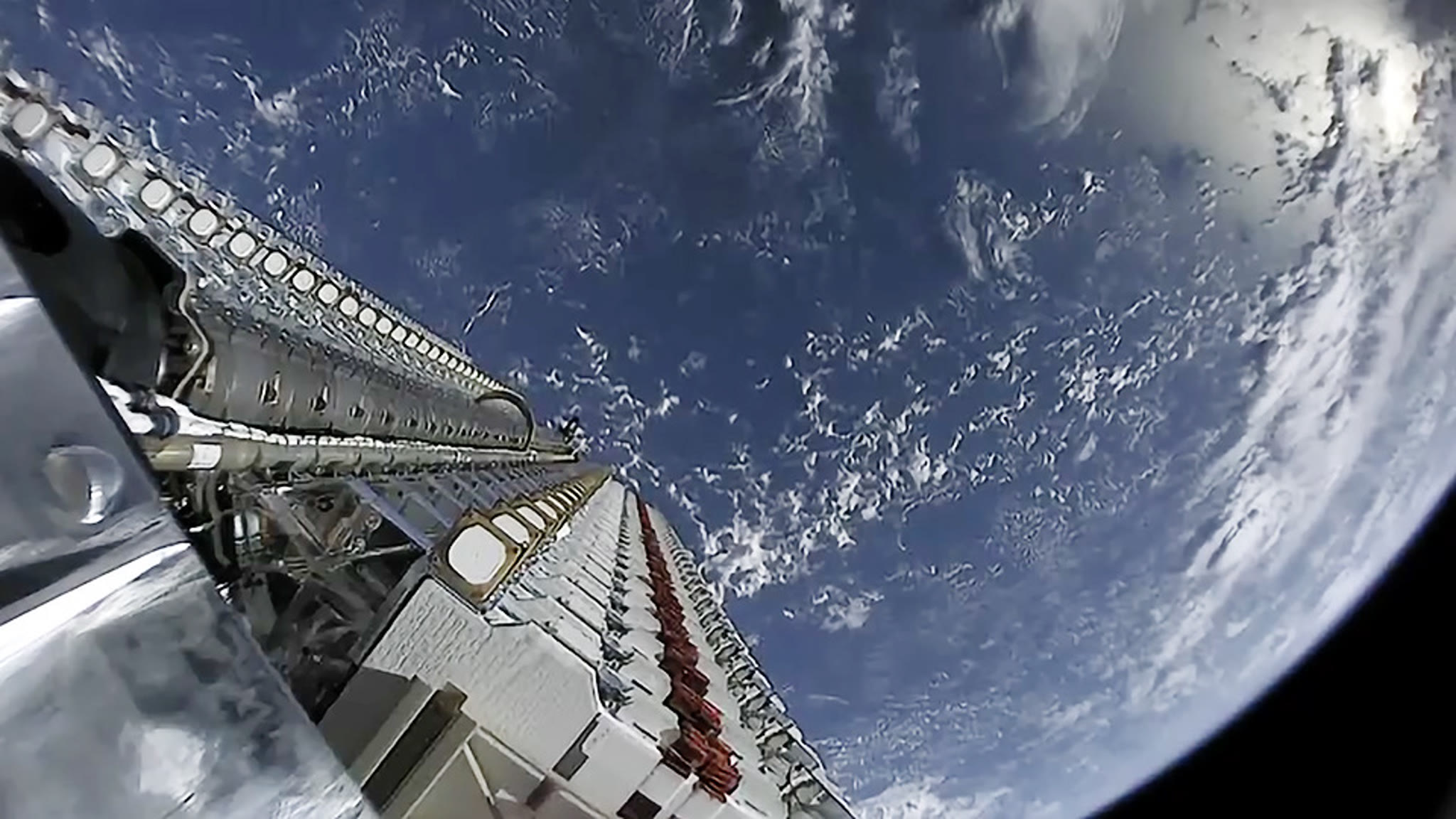
Starlink satellites fired their thrusters to dodge a collision roughly 300,000 times in 2025, about 822 times a day. Behind that number is a fragile, half-automated system of warnings, probabilities, and judgment calls that decides which close approaches are worth a maneuver and which are just noise.
The workhorse frequency band that quietly powers satellite communications, weather radar, and Wi-Fi around the world
Today's briefing covers Iceye's new aerospace service for defense clients, ESA's plan for dual-use satellites, and key defense agreements impacting satellite technology.