

X Report 3 Jul 2025
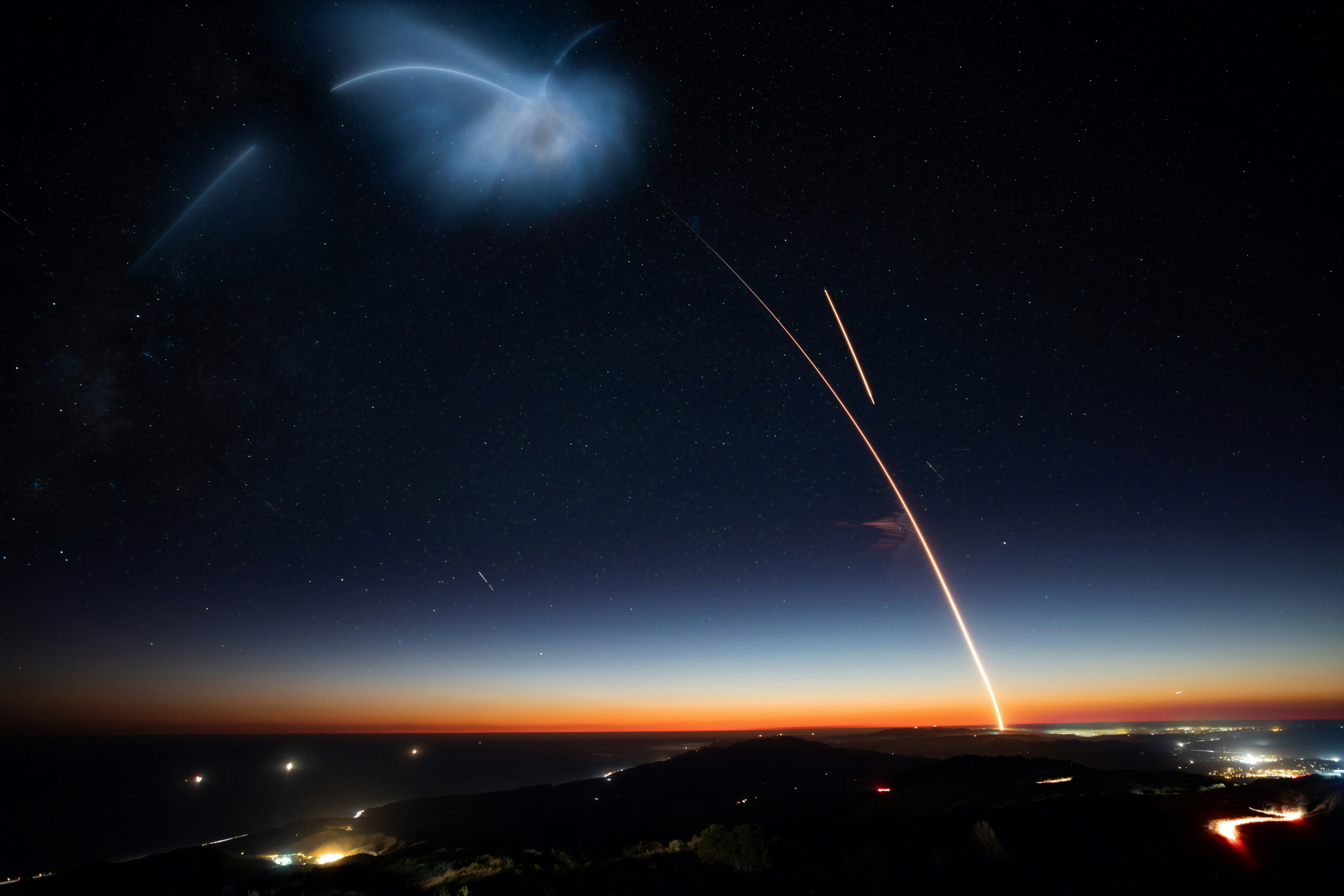
In a landmark achievement, SpaceX celebrated its 500th Falcon 9 launch by deploying 27 Starlink satellites while simultaneously advancing its reuse strategy with record-breaking milestones.


Launch Date
August 24, 1984
Launch Site
PLMSC
Launch Pad
LC43/4
Launch Vehicle
Molniya 8K78M
NORAD ID
15215
International Designator
1984-089B
Decay Date
9/17/1984
Name
SL-6 R/B(1)
Alternative Name
Molniya-M 12-661 Blok-I
Type
Status
Owner
RVSN
Country
USSR
Constellation
N/A
Related Satellites
Major Events
N/A
Length
6.7
Diameter
2.7
Span
6.7
Dry Mass
2350
Launch Mass
2350
Shape
Cyl
Radar Cross Section
38.77
Visual Magnitude
Unknown
Color
Unknown
Material Composition
Unknown
Payload
11S510
Purpose
Unknown
Mission
Unknown
Manufacturer
PROG
Life Expectancy
Unknown
Bus
Blok-I
Configuration
Unknown
Motor
Unknown
Equipment
Unknown
Power System
Unknown
ADCS
Unknown
Transmitter Frequency
Unknown
Learn more about satellites and other related topics.
In a landmark achievement, SpaceX celebrated its 500th Falcon 9 launch by deploying 27 Starlink satellites while simultaneously advancing its reuse strategy with record-breaking milestones.
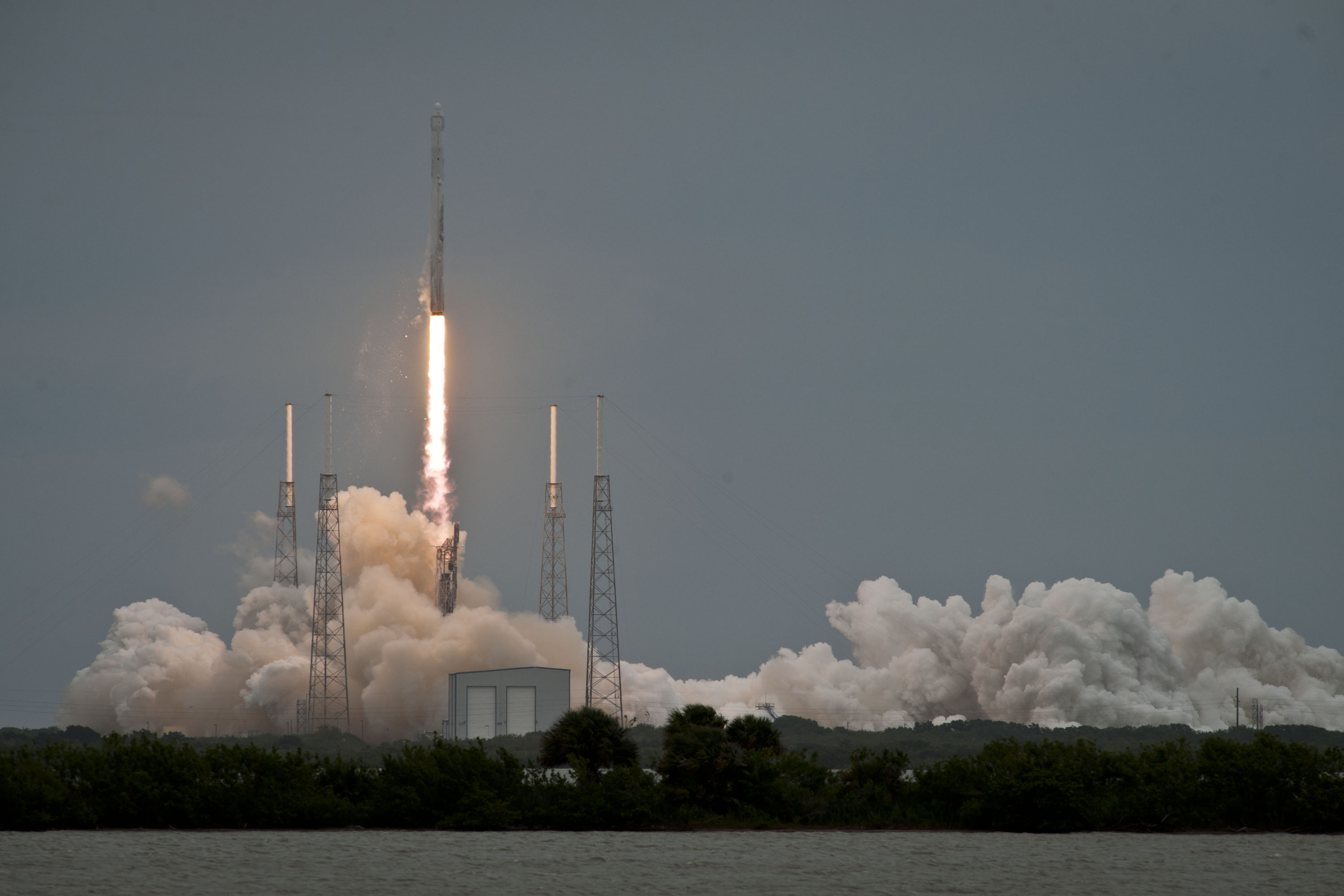
On April 18, 2014, a Falcon 9 first stage did something no orbital rocket had ever done before. It fired its engines on the way down, steered itself through the atmosphere using grid fins that did not yet exist, and touched the Atlantic Ocean softly enough to survive the impact. Nobody recovered it. The data was the whole point.
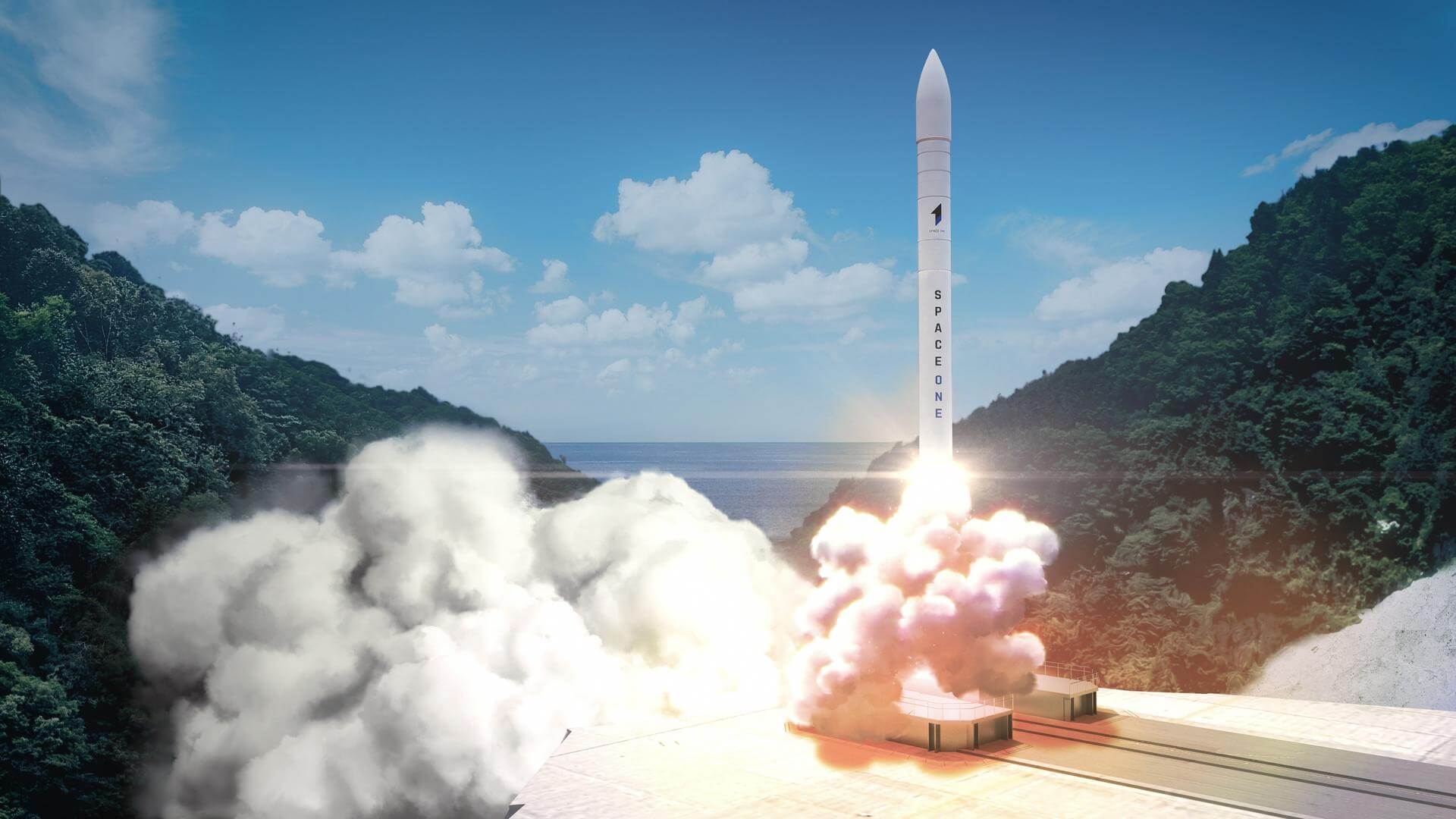
Today's brief highlights Umbra Space's contract extension with the NRO, Trump's Space Force ambitions, FibreCoat's new funding targeting defense markets, and key US defense sentiments. Explore notable military and commercial satellite activities.
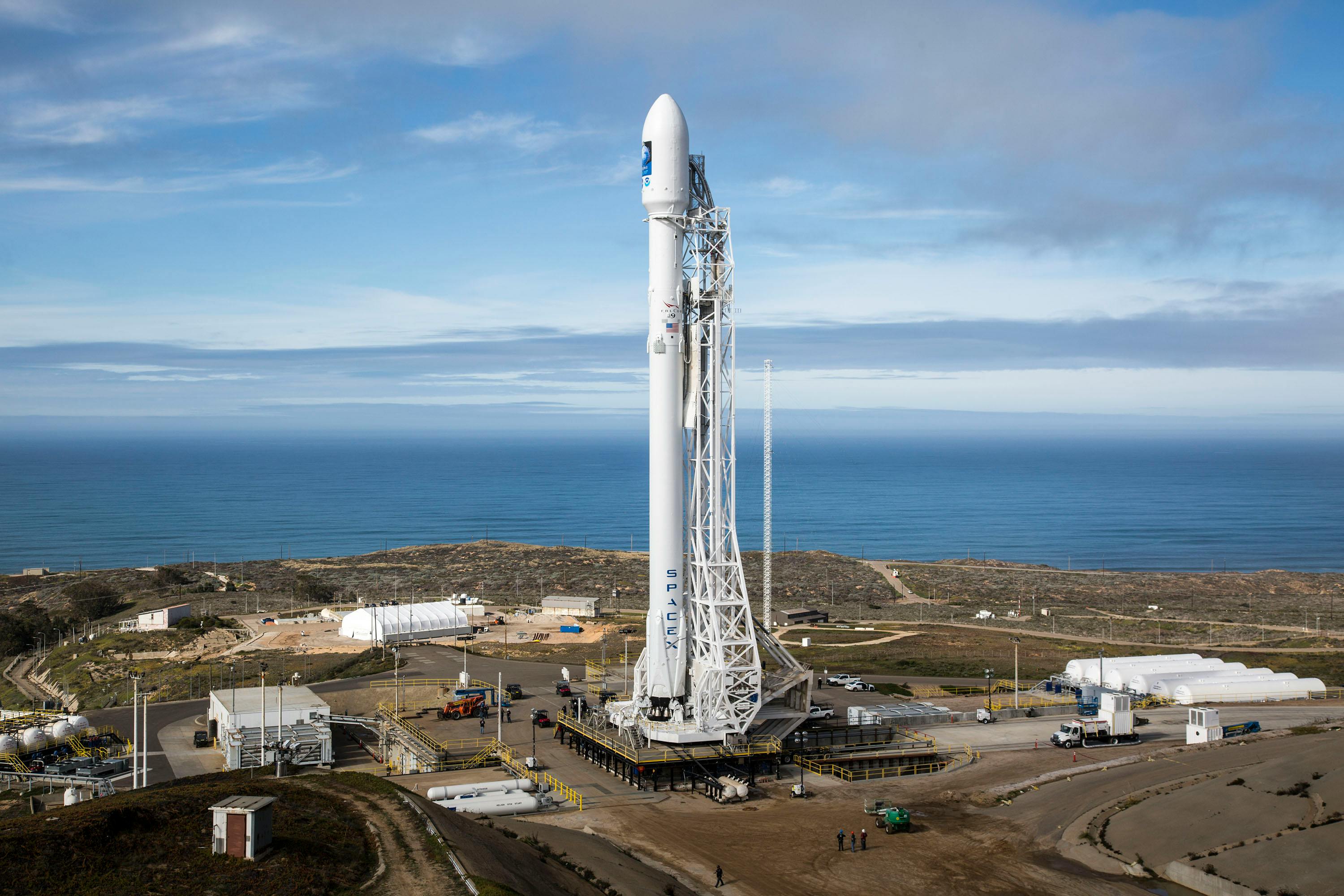
ISS astronauts evacuated to a SpaceX Dragon capsule on June 5 as cosmonauts worked to seal a persistent air leak on the Russian segment.

SpaceX successfully launched 29 Starlink satellites on November 14, marking the first of two rapid-fire Falcon 9 missions from Florida's Space Coast in under four hours.
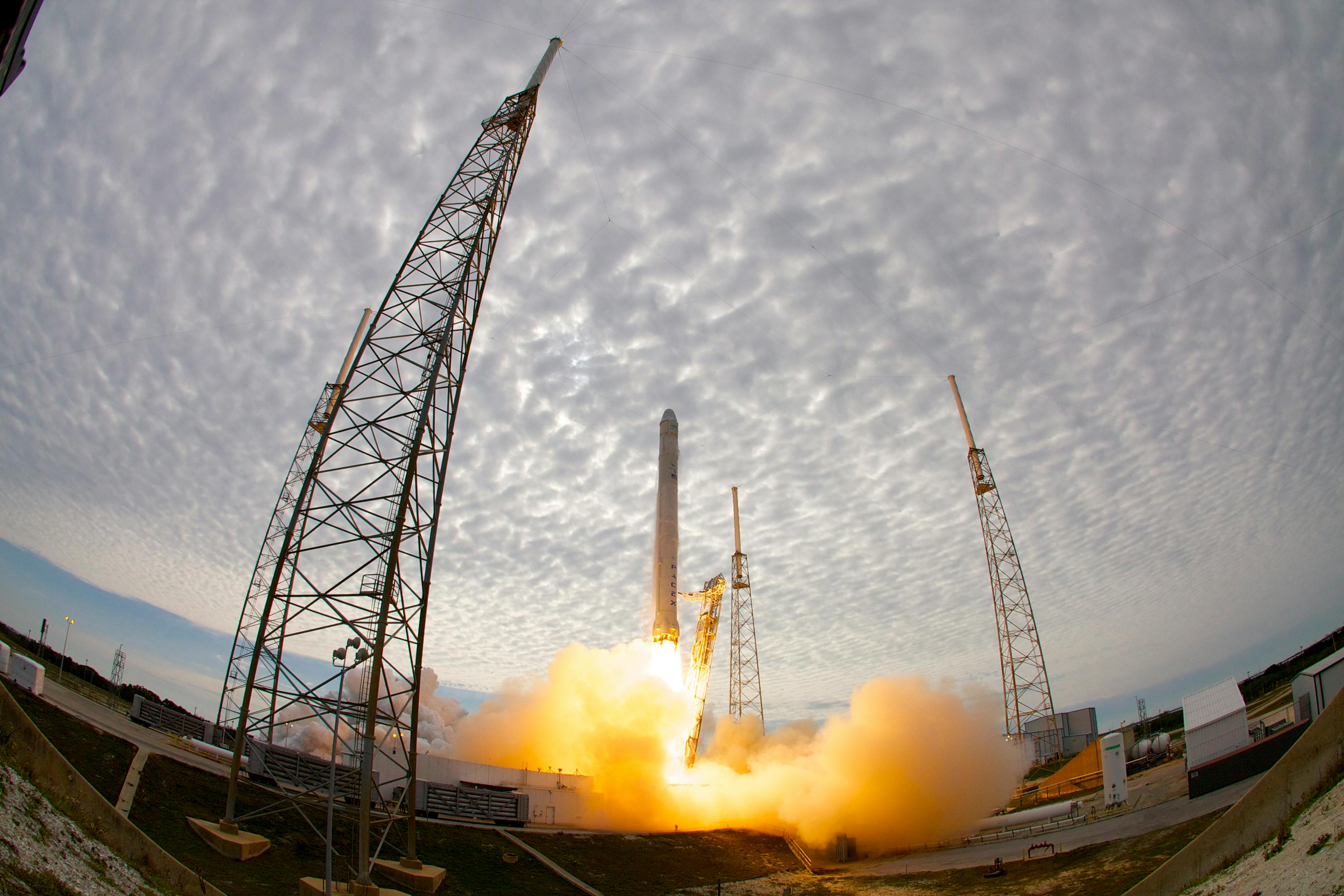
Major breakthroughs as SpaceX prepares to bring astronauts home and multiple launches unfold this week.
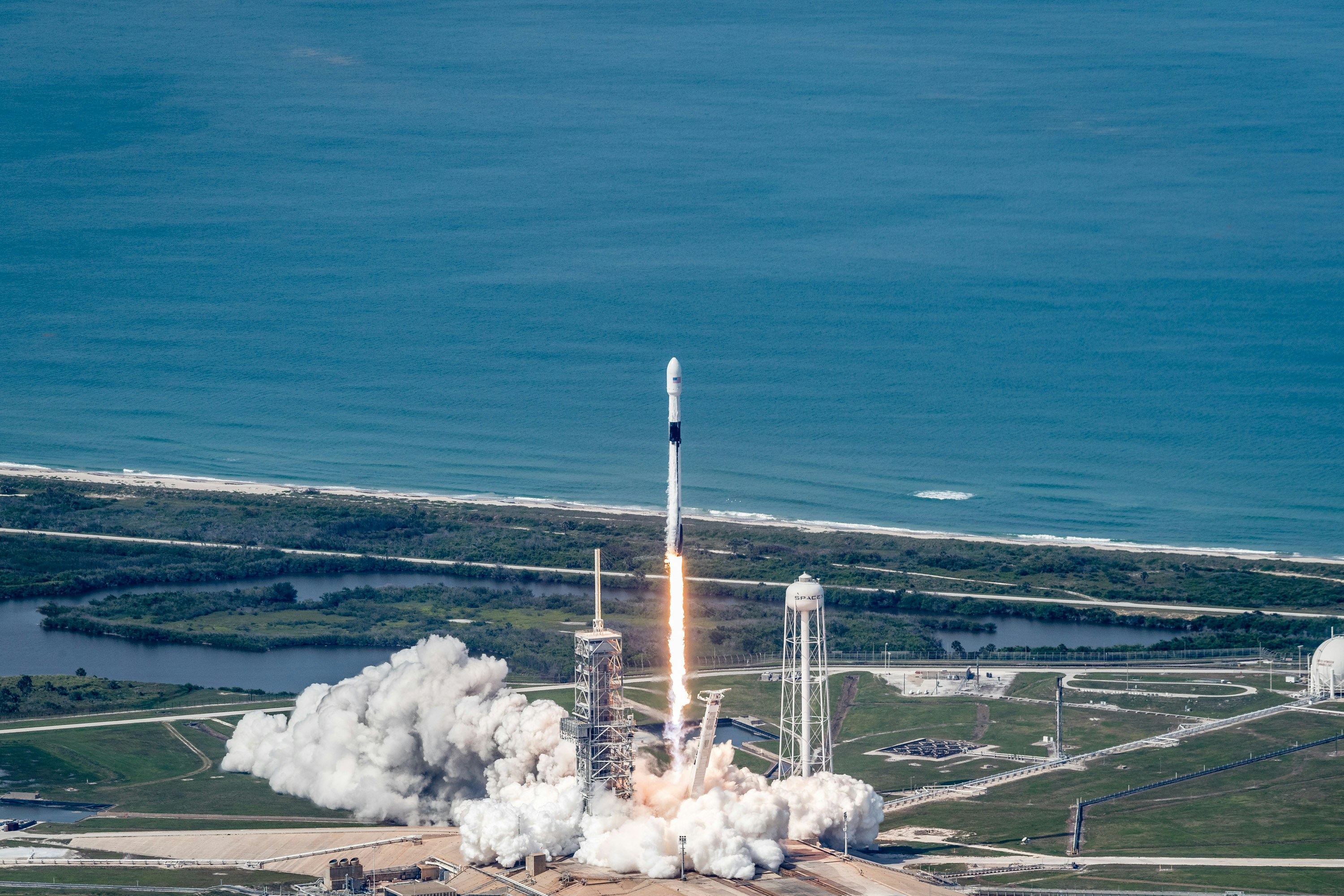
SpaceX continues to make strides in satellite deployment with a successful launch. The European Space Agency's new satellite enhances global atmospheric forecasting, showcasing the expanding role of launches in improving environmental monitoring.
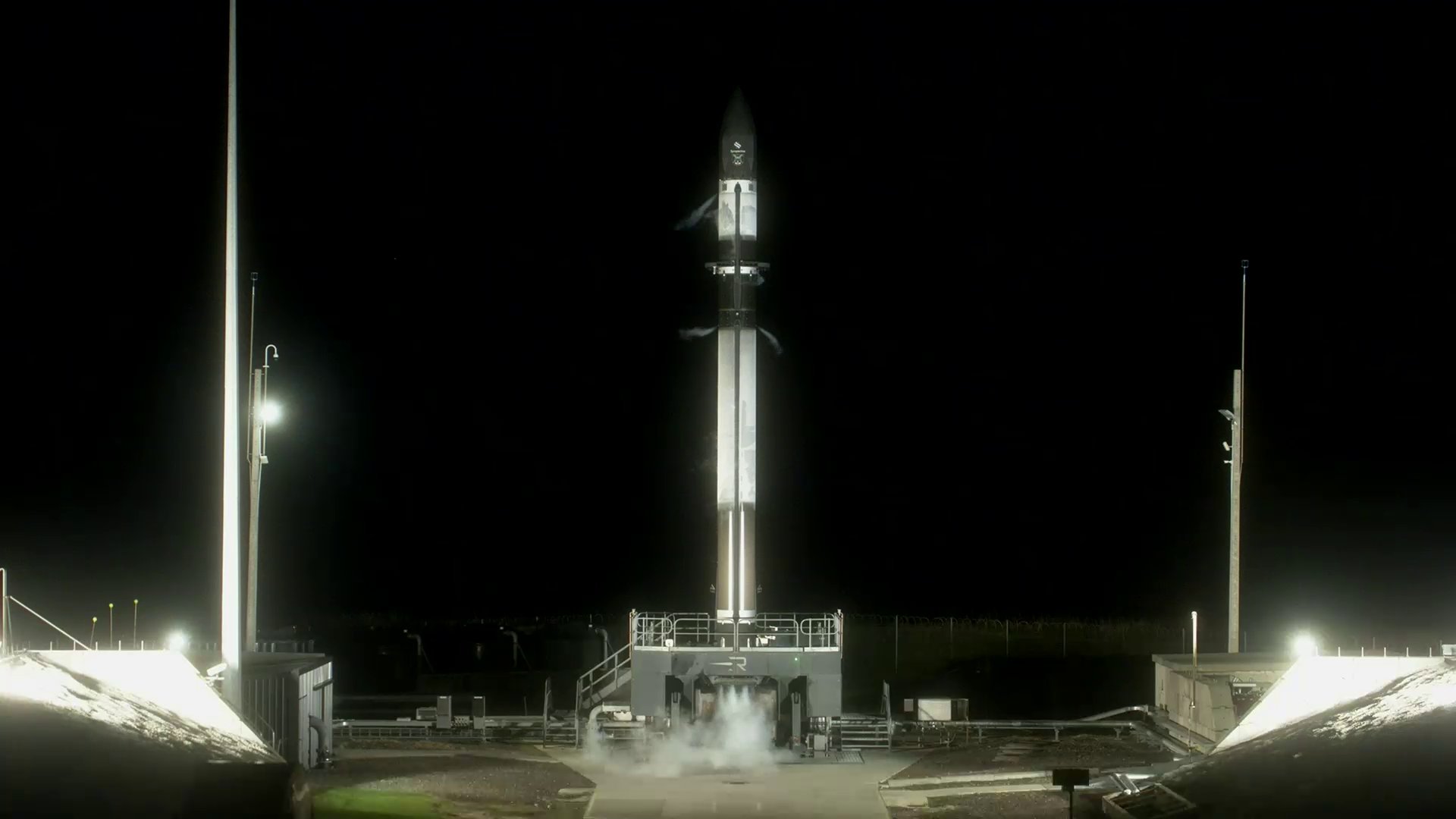
Space Force confirms plan to double active-duty Guardians by 2030, targeting faster response to satellite anomalies and adversary maneuvers in space domain awareness operations.