


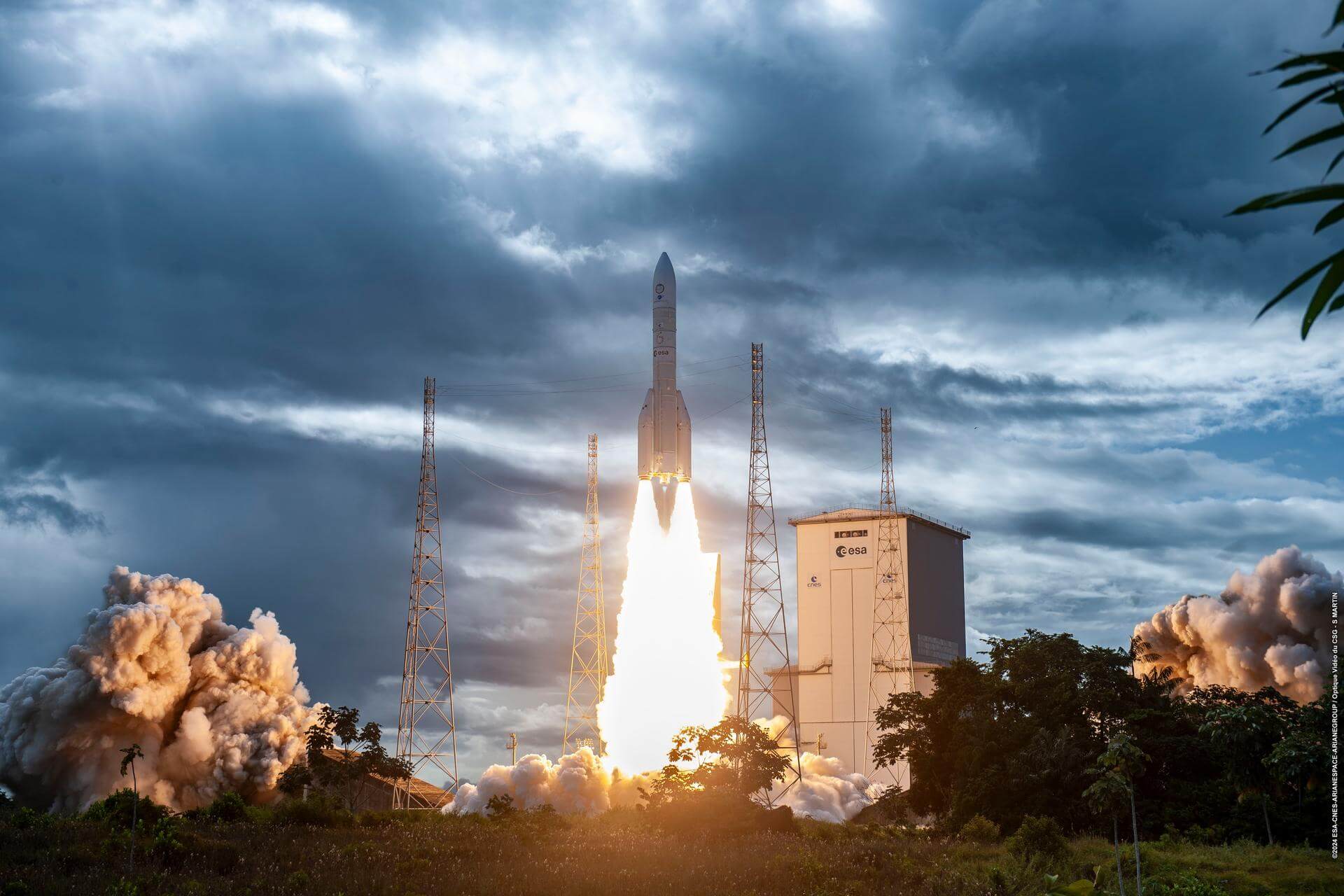
Space Brief 27 Jan 2025
Highlights include US military astronaut rescue drills, China's commercial involvement in lunar missions, ESA's budget proposals, global opposition to space advertising, and NASA lunar landers.


Launch Date
August 1, 1984
Launch Site
Launch Pad
LC200/40
Launch Vehicle
Proton-K/DM
NORAD ID
15181
International Designator
1984-078F
Epoch
Fri, 03 Jul 2026 19:36:57 GMT
Apogee
Calculating...
Perigee
Calculating...
Inclination
8.94°
Right Ascension
313.67°
Eccentricity
Calculating...
Argument of Perigee
214.17°
Period
1435.84 min
Mean Motion
1.00 rev/day
Latitude
Calculating...
Longitude
Calculating...
Altitude
Calculating...
Velocity
Calculating...
Name
SL-12 R/B(2)
Alternative Name
Blok DM No. 48L
Type
Status
Owner
RVSN
Country
USSR
Constellation
N/A
Related Satellites
Major Events
N/A
1 15181U 84078F 26184.81732986 -.00000355 00000-0 00000-0 0 9992
2 15181 8.9409 313.6672 0021609 214.1675 163.7377 1.00289929123189
Source: Celestrak
Length
6.3
Diameter
3.7
Span
6.3
Dry Mass
2440
Launch Mass
17200
Shape
Cyl
Radar Cross Section
1.5849
Visual Magnitude
Unknown
Color
Unknown
Material Composition
Unknown
Payload
11S86 No. 48L
Purpose
Unknown
Mission
Unknown
Manufacturer
NPOE
Life Expectancy
Unknown
Bus
Blok DM
Configuration
Unknown
Motor
Unknown
Equipment
Unknown
Power System
Unknown
ADCS
Unknown
Transmitter Frequency
Unknown
Learn more about satellites and other related topics.
Highlights include US military astronaut rescue drills, China's commercial involvement in lunar missions, ESA's budget proposals, global opposition to space advertising, and NASA lunar landers.
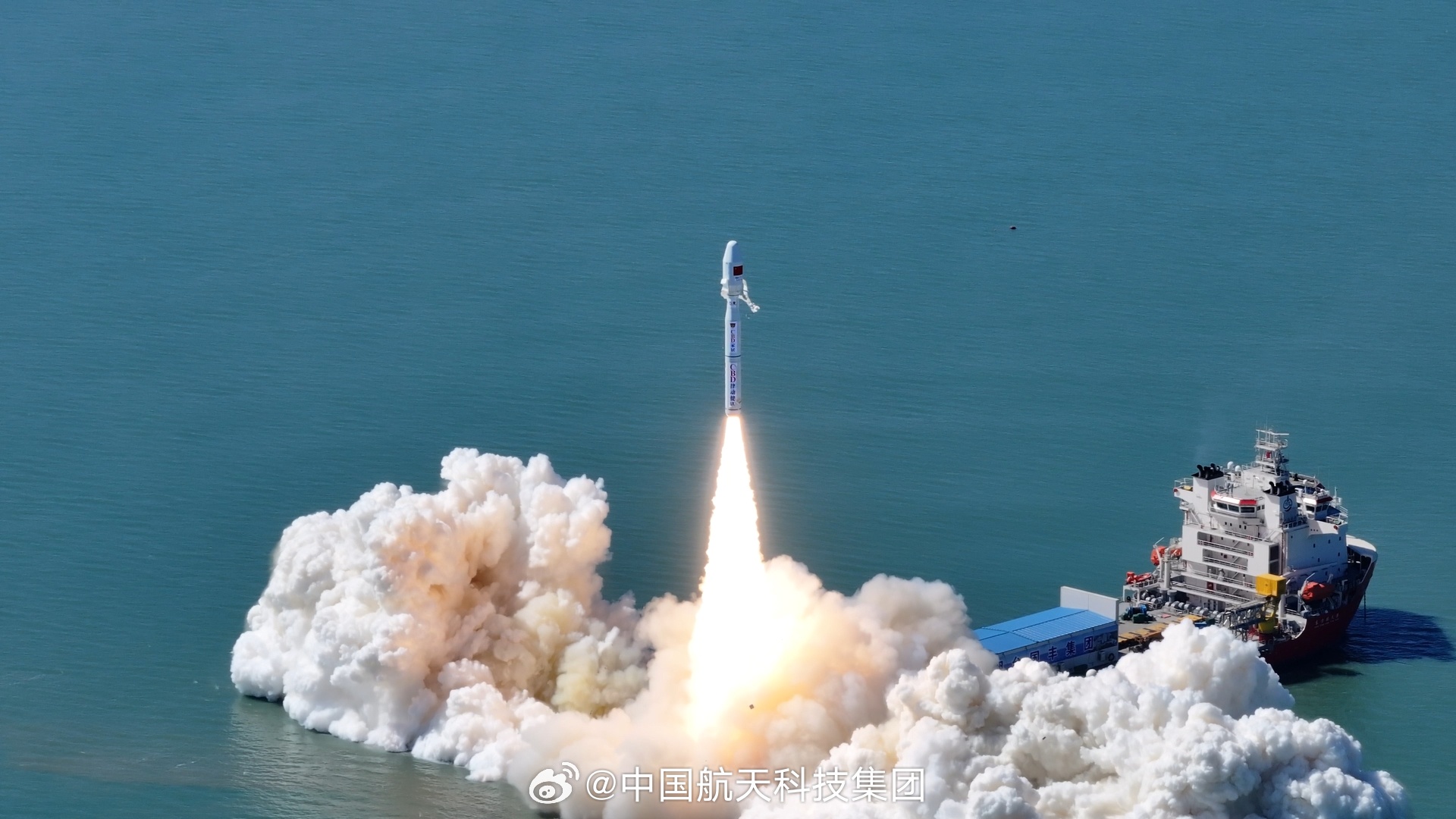
Artemis 2 splashdown marks first crewed lunar flyby since Apollo 17 in 1972. Four astronauts completed historic mission, validating systems for Artemis 3 landing attempt.

Today's recap covers SpaceX's role in record launch numbers, the FCC's spectrum allocation for launches, and the historical portrayal of the Ingenuity helicopter.

Blue Origin reveals plans for 5,400+ satellite constellation targeting enterprise and government with 6 Tbps capacity. SpaceX launches first West Coast Starlink mission of 2026 from Vandenberg.

Tensions between SpaceX and the U.S. government escalate as President Trump's threats could have significant implications on the company's operations and future plans. Meanwhile, India takes a significant step in its space endeavors with a historic astronaut launch.
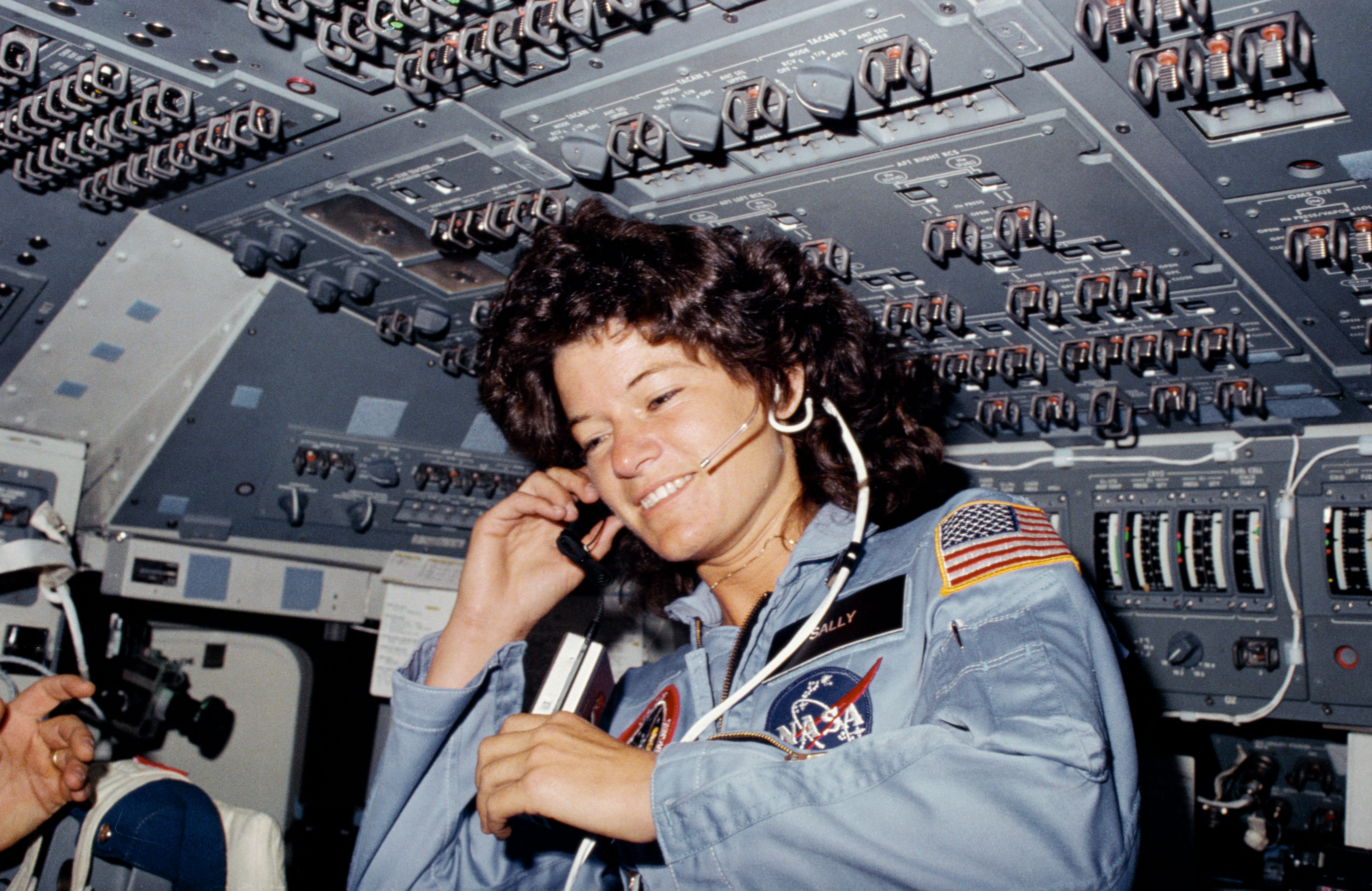
At 7:33 on the morning of 18 June 1983, a 32-year-old astrophysicist named Sally Ride rode Challenger off Pad 39A and became the first American woman in space. She got there two decades after the Soviets, and only after months of being asked whether spaceflight would damage her reproductive organs and whether she planned to cry.

SpaceX readies Starship Flight 13 for July 16 launch to deploy first Starlink V3 satellites as Falcon 9 logs its 600th booster reuse.
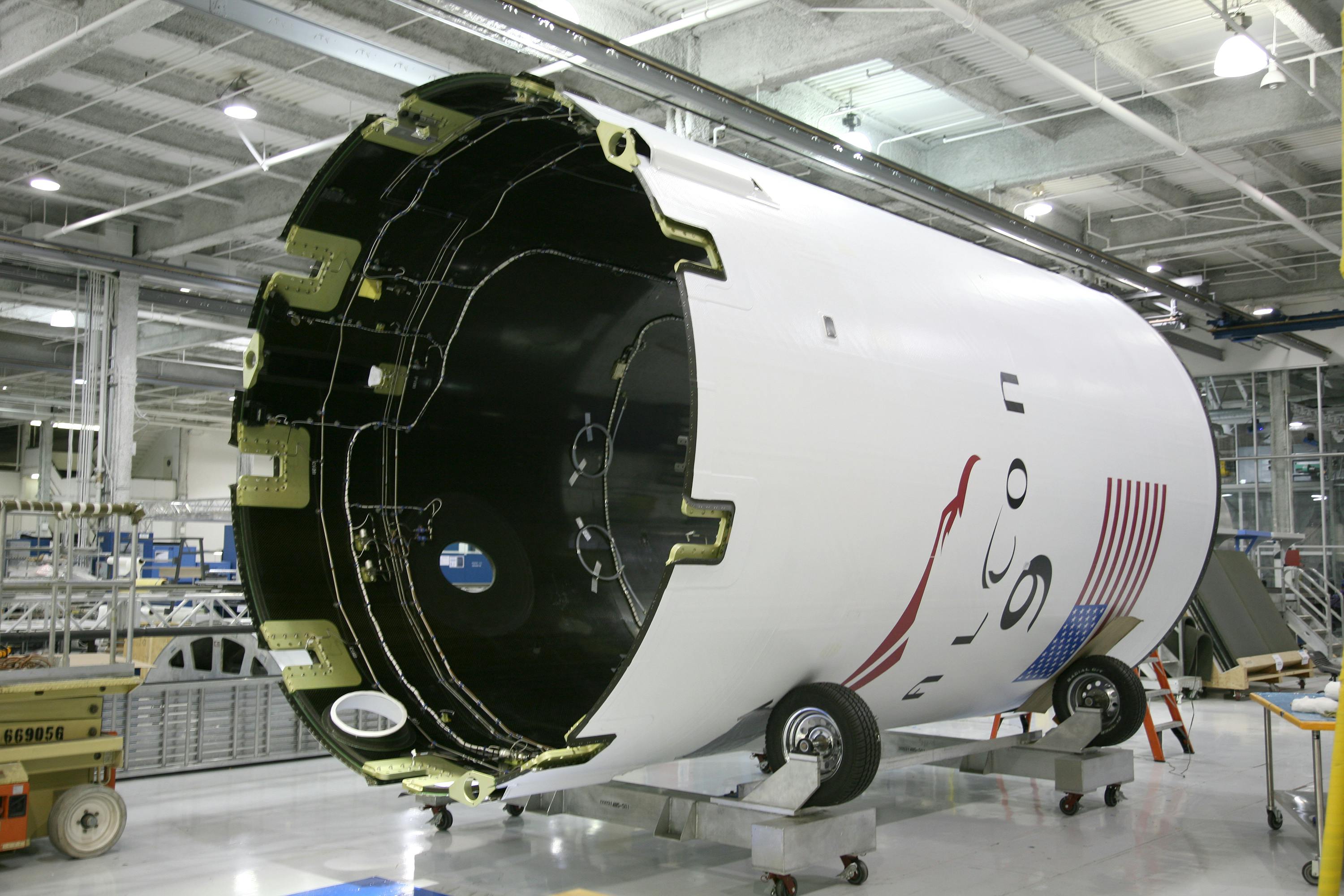
Today's report covers SpaceX's progress on Starship pad realignment and Rocket Lab's delay of its Neutron rocket debut, highlighting key advancements and competitive dynamics in the space industry.