

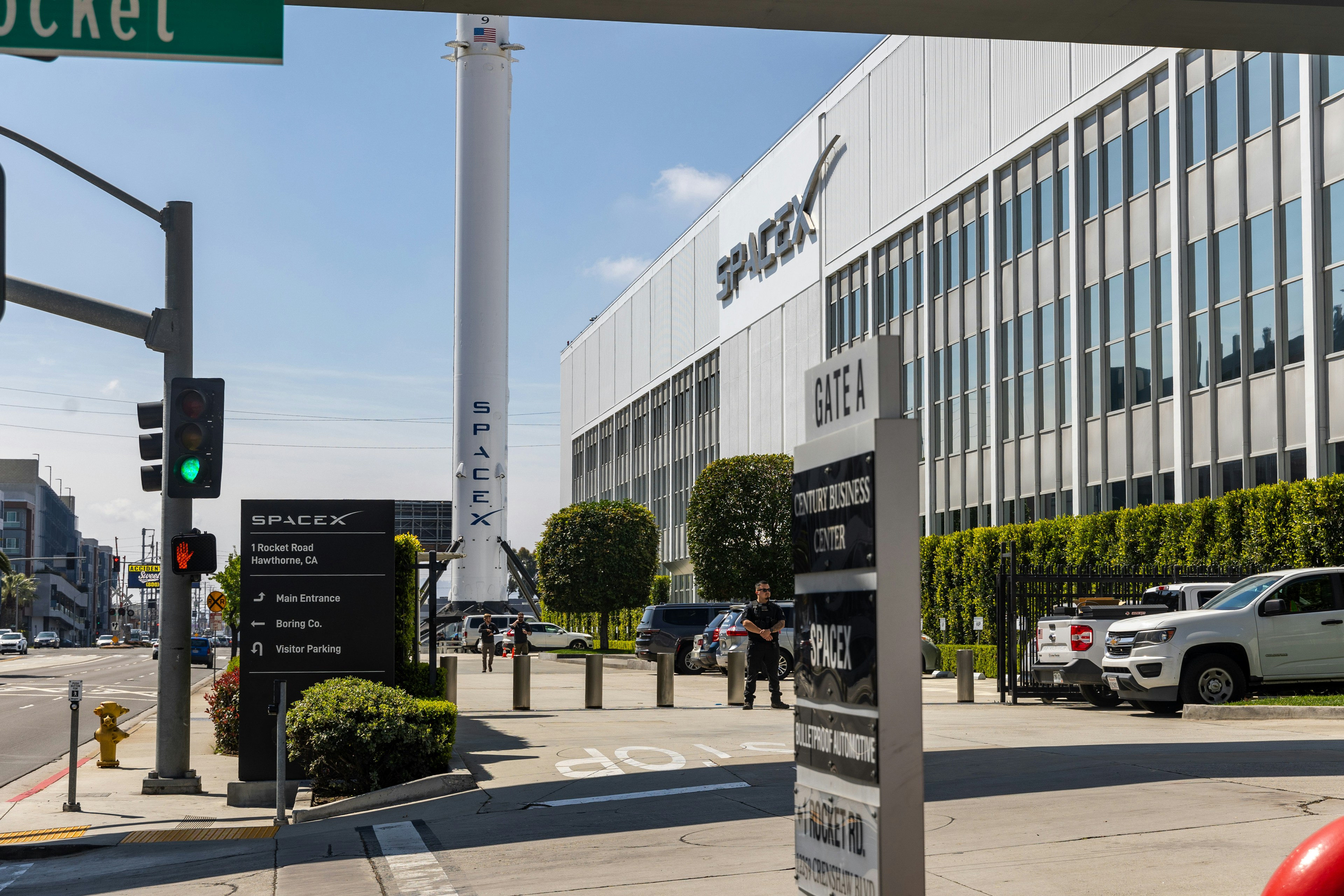
X Report 14 Jan 2025
SpaceX sets a new reusability record and continues its busy launch schedule with multiple Starlink missions.


Launch Date
June 22, 1984
Launch Site
PLMSC
Launch Pad
LC41/1
Launch Vehicle
Soyuz-U
NORAD ID
15060
International Designator
1984-064A
Decay Date
7/7/1984
Name
COSMOS 1575
Alternative Name
Kosmos-1575
Type
Status
Owner
PRIR
Country
USSR
Constellation
N/A
Related Satellites
Major Events
N/A
Length
6.5
Diameter
2.4
Span
6.5
Dry Mass
2555
Launch Mass
2555
Shape
Sphere + DCone
Radar Cross Section
20.14
Visual Magnitude
Unknown
Color
Unknown
Material Composition
Unknown
Payload
Resurs-F1-17F41 No. 18L
Purpose
Earth Observation (film return)
Mission
Earth Observation (film return)
Manufacturer
TSSKB
Life Expectancy
Unknown
Bus
Resurs-F1
Configuration
Vostok / Zenit Capsule
Motor
11D82M; S5.120 (maneuver module)
Equipment
Priroda-4 imaging system (2 x KFA-1000, 3 x KATE-200)
Power System
Batteries
ADCS
Unknown
Transmitter Frequency
Unknown
Learn more about satellites and other related topics.
SpaceX sets a new reusability record and continues its busy launch schedule with multiple Starlink missions.
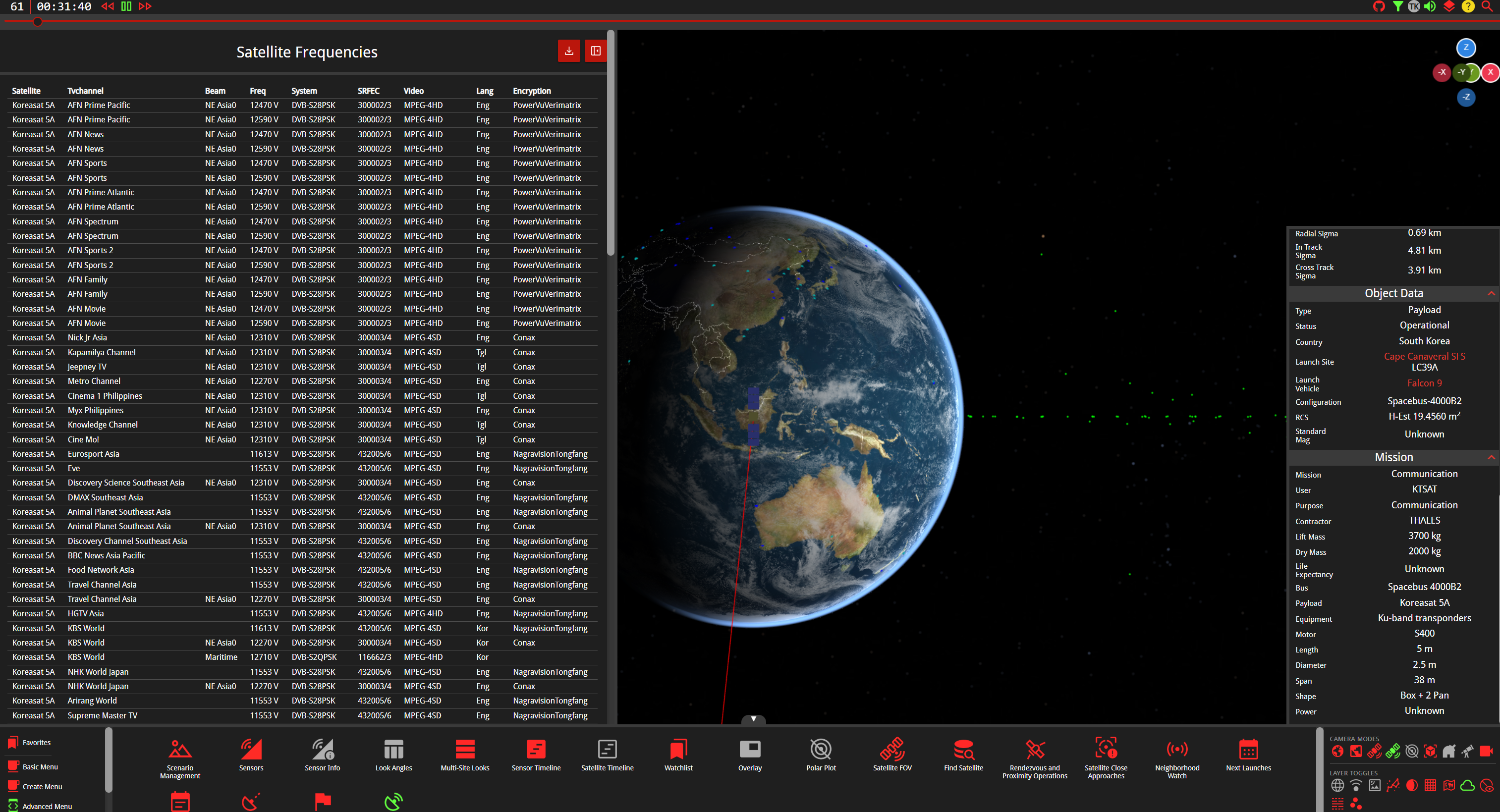
The frequency band that brought satellite TV to small dishes on rooftops and revolutionized direct-to-home broadcasting
Today's brief highlights SpaceX's Starlink launch, the sale of Telesat's remote communications services, advancements in hypersonic missile tracking, and more on satellite imagery from the NGA.
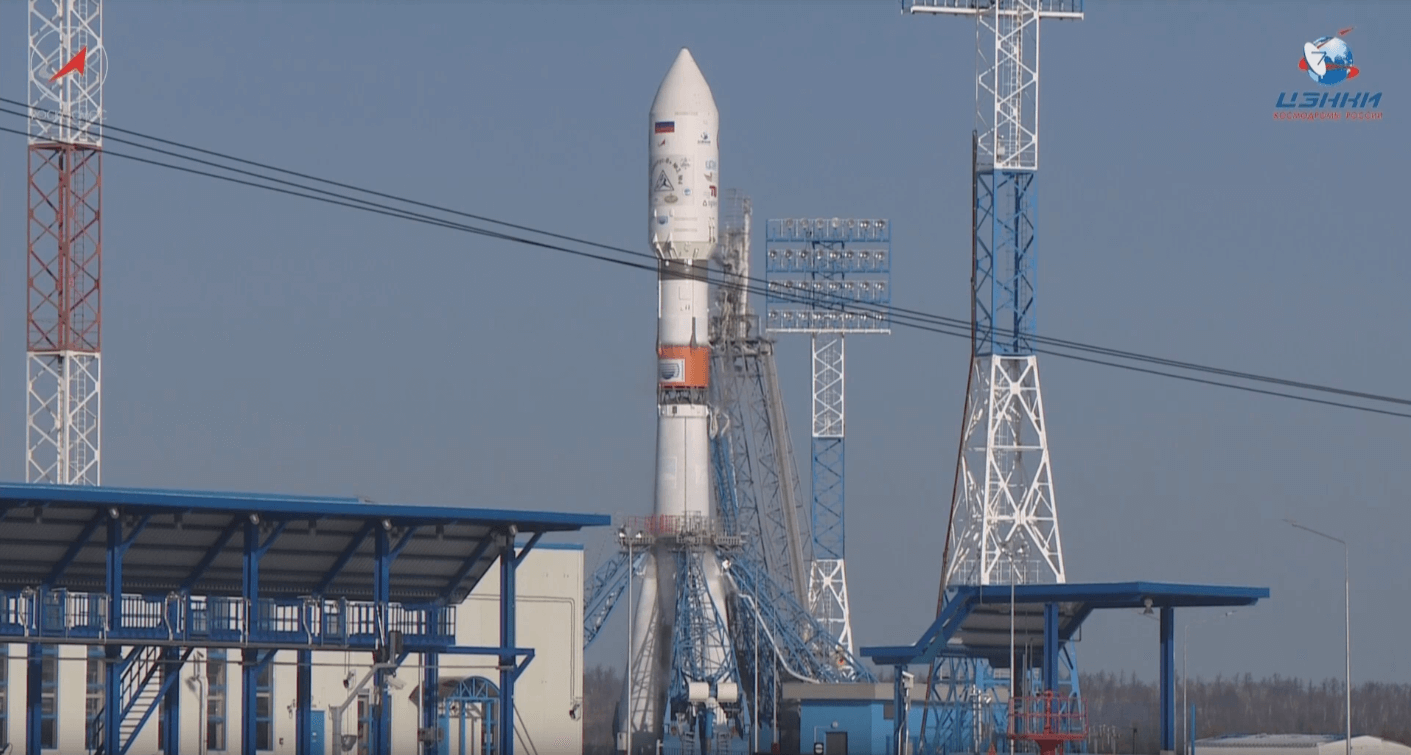
Today’s Space Brief covers the deployment of a new optical sensor for the Space Force, SpaceX's recent Starlink satellite launch, and significant investment in space cargo vehicles.
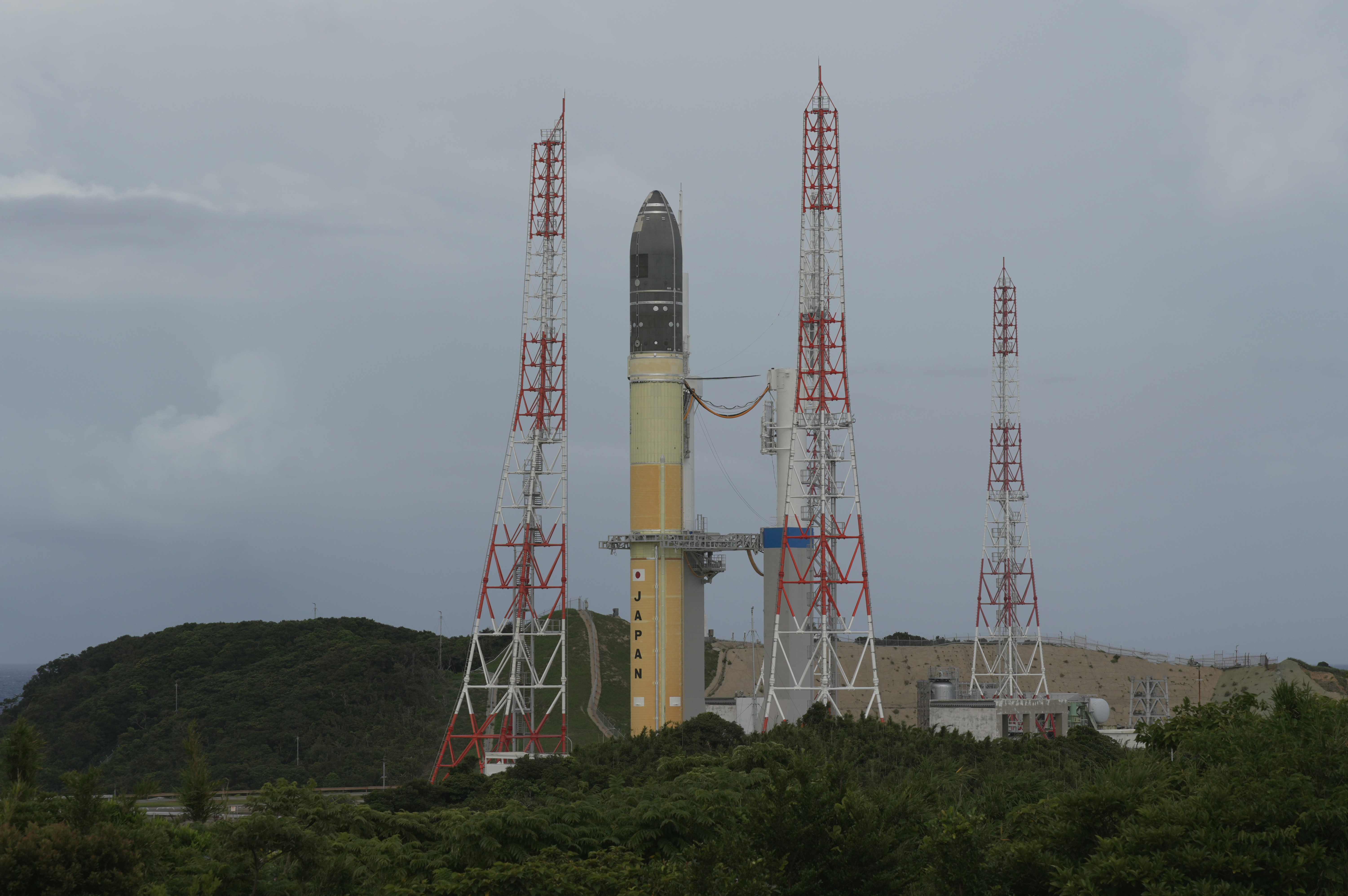
NASA demands Blue Origin find alternate launcher for Artemis moon landers after New Glenn test explosion damaged Cape Canaveral LC-36. Schedule risk to lunar missions.
Today's brief covers challenges in Space Force procurement, promising developments in tracking technologies, and significant budget cuts affecting military aerospace projects.

ESA-China SMILE spacecraft successfully launched from Kourou to image Earth's magnetosphere. First continuous global views of solar wind interaction now in orbit.

Today’s brief highlights developments including the Crew-11 launch preparations and the impact of Starlink satellites on radio telescope observations.