


X Report 17 Apr 2025
Starbase expansion progresses and Germany eyes its own satellite constellation.


Launch Date
June 13, 1984
Launch Site
AFWTR
Launch Pad
SLC3W
Launch Vehicle
Atlas E/SGS-2
NORAD ID
15039
International Designator
1984-059A
Epoch
Thu, 02 Jul 2026 04:55:50 GMT
Apogee
Calculating...
Perigee
Calculating...
Inclination
63.59°
Right Ascension
63.86°
Eccentricity
Calculating...
Argument of Perigee
54.05°
Period
748.82 min
Mean Motion
1.92 rev/day
Latitude
Calculating...
Longitude
Calculating...
Altitude
Calculating...
Velocity
Calculating...
Name
NAVSTAR 9 (USA 1)
Alternative Name
GPS 9
Type
Status
Owner
AFSD
Country
United States
Constellation
N/A
Related Satellites
Major Events
N/A
1 15039U 84059A 26183.20544896 -.00000021 00000-0 00000+0 0 9995
2 15039 63.5909 63.8645 0243714 54.0536 126.8018 1.92302856298414
Source: Celestrak
Length
2.4
Diameter
2.6
Span
5.3
Dry Mass
431
Launch Mass
431
Shape
Box + 2 Pan
Radar Cross Section
0.4659
Visual Magnitude
Unknown
Color
Unknown
Material Composition
Unknown
Payload
GPS SVN 9
Purpose
Navigation
Mission
Navigation
Manufacturer
RWISB
Life Expectancy
5 years
Bus
GPS
Configuration
3-Axis stabilized
Motor
TE-M-616-8
Equipment
?
Power System
2 deployable solar arrays, batteries
ADCS
Unknown
Transmitter Frequency
Unknown
Learn more about satellites and other related topics.
Starbase expansion progresses and Germany eyes its own satellite constellation.
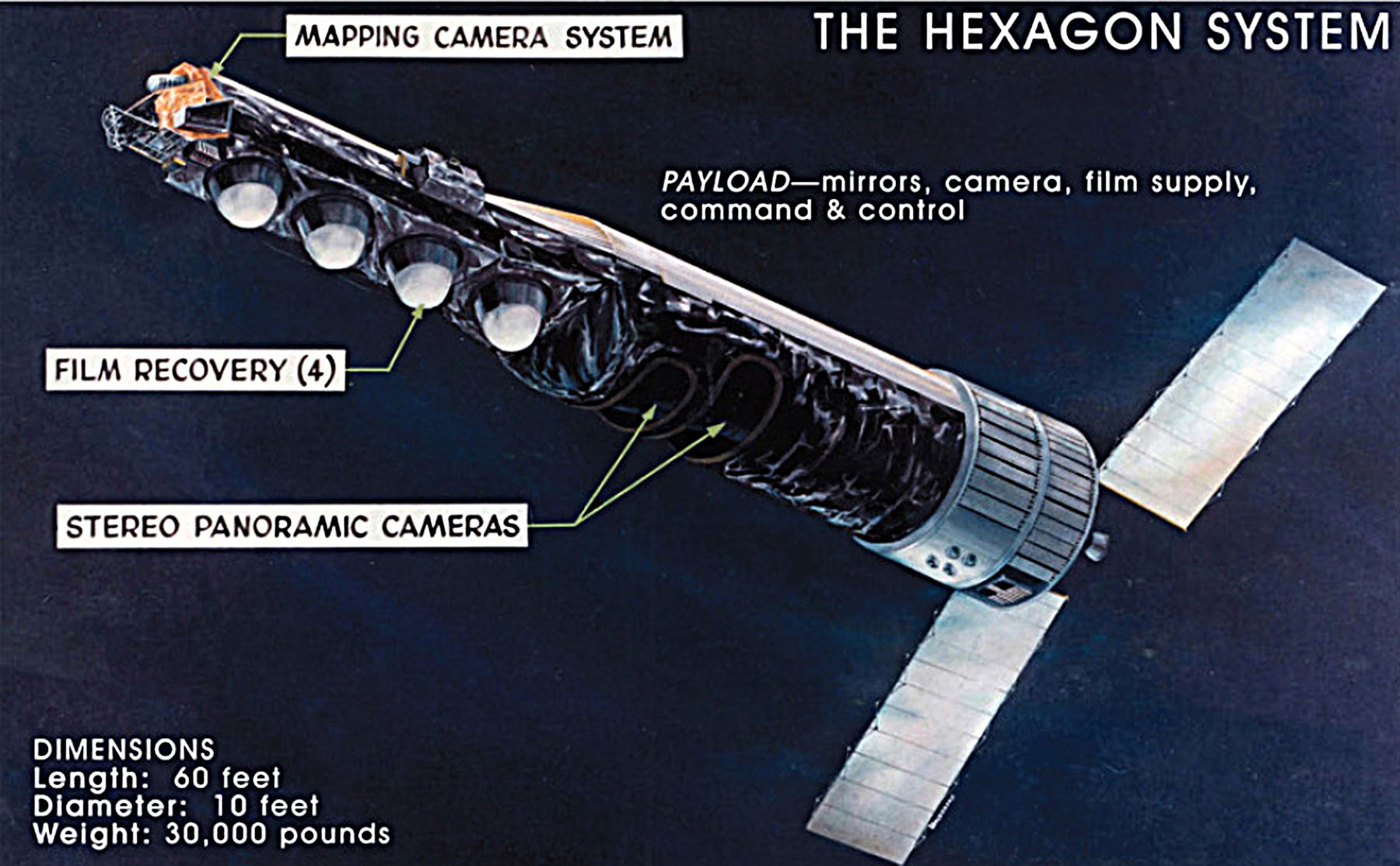
On January 20, 1972, the second KH-9 HEXAGON lifted off from Vandenberg - carrying the most sophisticated reconnaissance system ever built by engineers who weren't allowed to say 'film,' 'camera,' or even talk to each other about what they were doing.
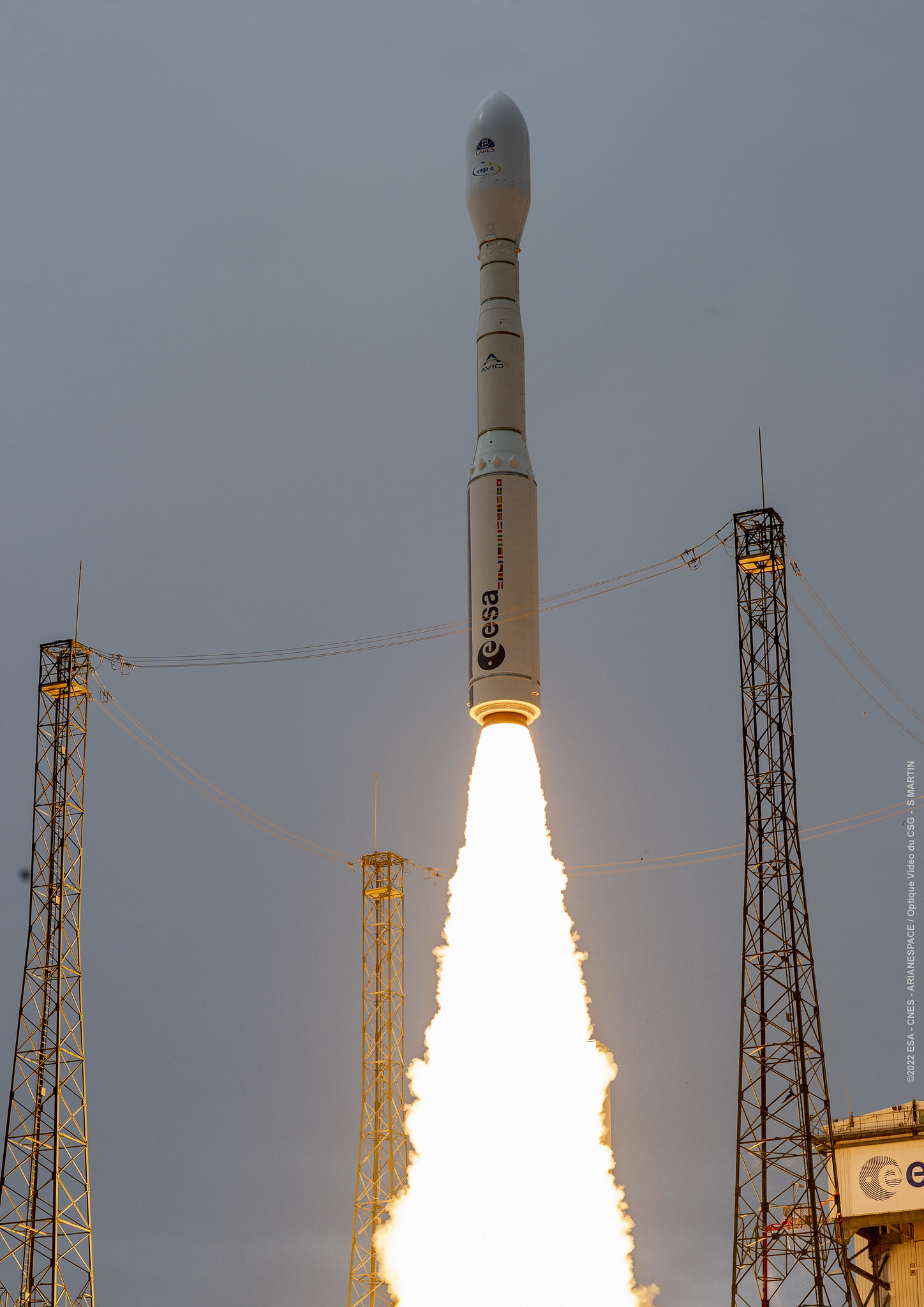
SpaceX launches a doubleheader of satellites while Blue Origin prepares for a historic all-female spaceflight. Also, meet FORMOSAT-5 in our Satellite Spotlight.
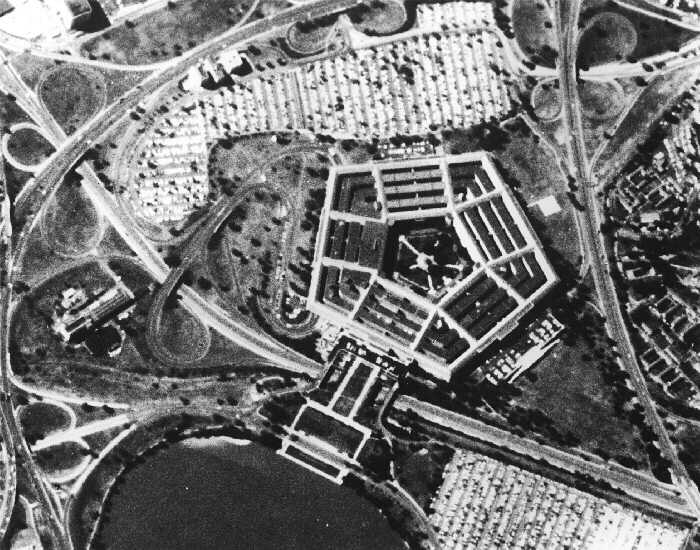
Sixty-three years ago, a Thor-Agena rocket launched the first dual-camera reconnaissance satellite, revolutionizing space-based intelligence while hiding behind the final use of a famous cover name

Thirty-five years ago, NASA's Galileo spacecraft made a crucial flyby of Venus, pioneering a complex path through the inner solar system that would revolutionize planetary exploration
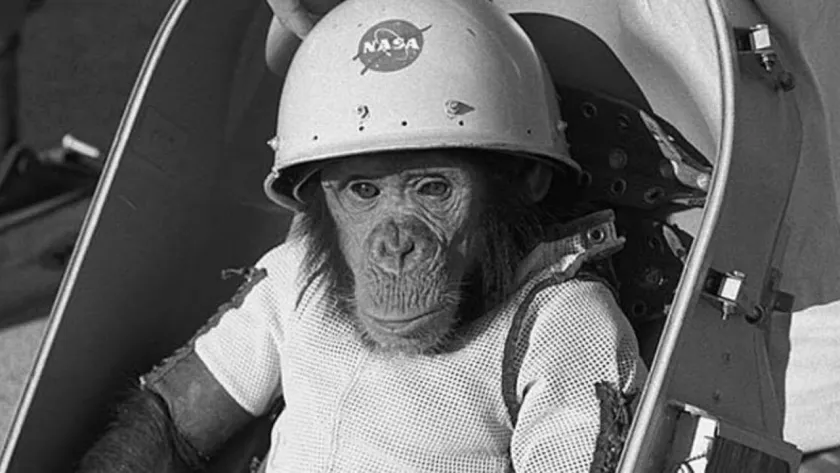
Sixty-five years ago, America launched two very different space missions within hours of each other - one broadcast live to a fascinated nation, the other quietly reaching orbit from a fog-shrouded California launchpad while no one was watching

Today's brief explores rising investments in space with defense ties, potential Space Force-NRO coordination, and more, offering insight into current military and defense satellite dynamics.

SpaceX's Starlink 17-40 mission launches 24 satellites from Vandenberg SFB at 7:36 a.m. PDT, expanding the 10,705-satellite constellation.