

X Report 18 Aug 2025
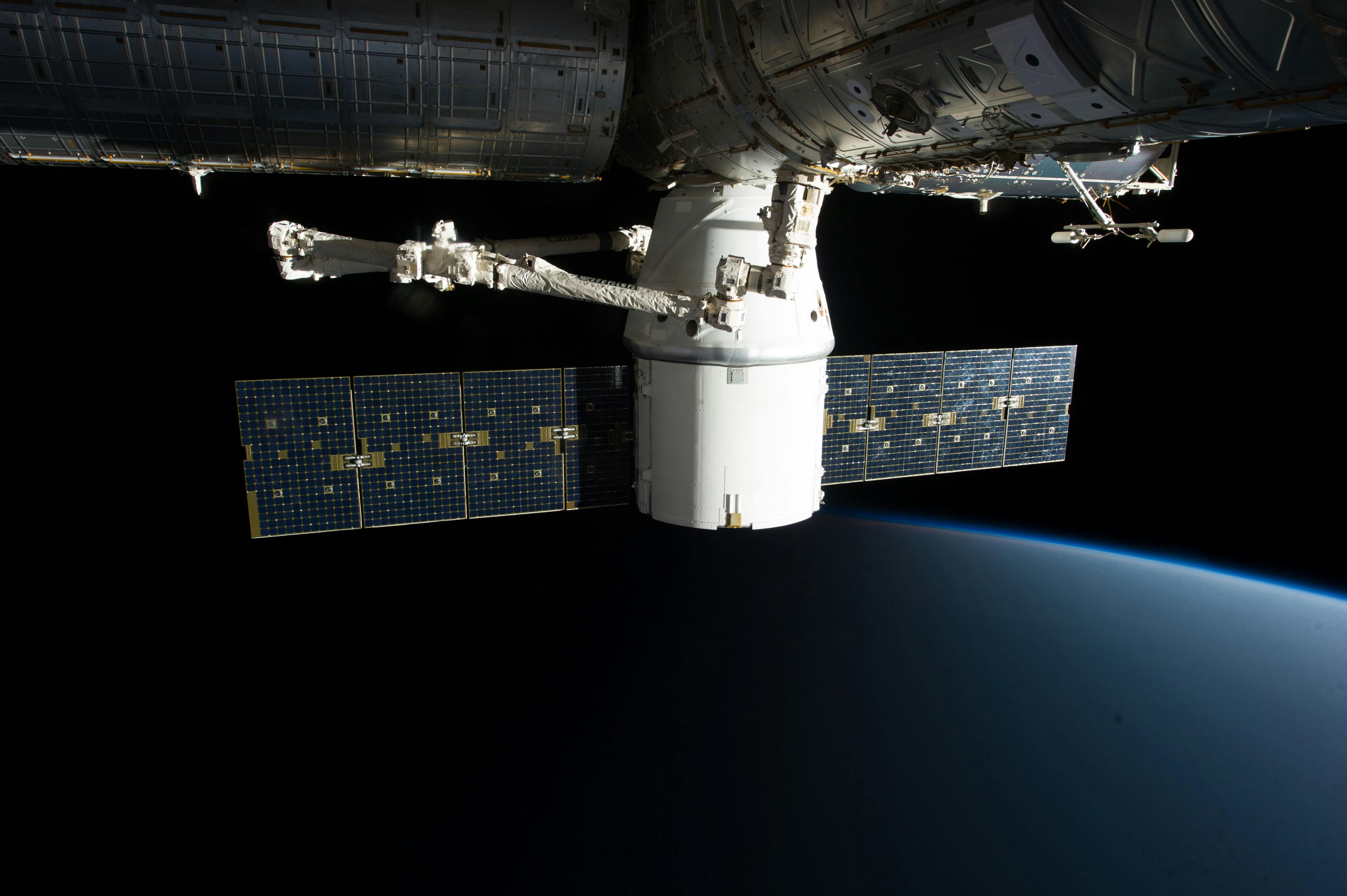
SpaceX's 100th Falcon 9 mission successfully launched 24 Starlink satellites, continuing to expand its broadband constellation.


Launch Date
May 30, 1984
Launch Site
Launch Pad
LC90
Launch Vehicle
Tsiklon-2
NORAD ID
15009
International Designator
1984-053A
Decay Date
4/3/1988
Name
COSMOS 1567
Alternative Name
Kosmos-1567
Type
Status
Owner
VMF
Country
USSR
Constellation
N/A
Related Satellites
Major Events
N/A
Length
10
Diameter
1.3
Span
17
Dry Mass
3000
Launch Mass
3300
Shape
Cyl + 2 Pan
Radar Cross Section
45.3516
Visual Magnitude
Unknown
Color
Unknown
Material Composition
Unknown
Payload
US-PM1 No. 132
Purpose
Ocean surveillance, passive
Mission
Ocean surveillance, passive
Manufacturer
ARSL/KOMET
Life Expectancy
Unknown
Bus
US-P
Configuration
US-Bus
Motor
Unknown
Equipment
Unknown
Power System
2 deployable fixed solar arrays, batteries
ADCS
Unknown
Transmitter Frequency
Unknown
Learn more about satellites and other related topics.
SpaceX's 100th Falcon 9 mission successfully launched 24 Starlink satellites, continuing to expand its broadband constellation.

ULA's Vulcan rocket grounded, imperiling Space Force WGS-11 communications satellite and Next-Gen OPIR missile warning payload. Both missions lack backup launch options.
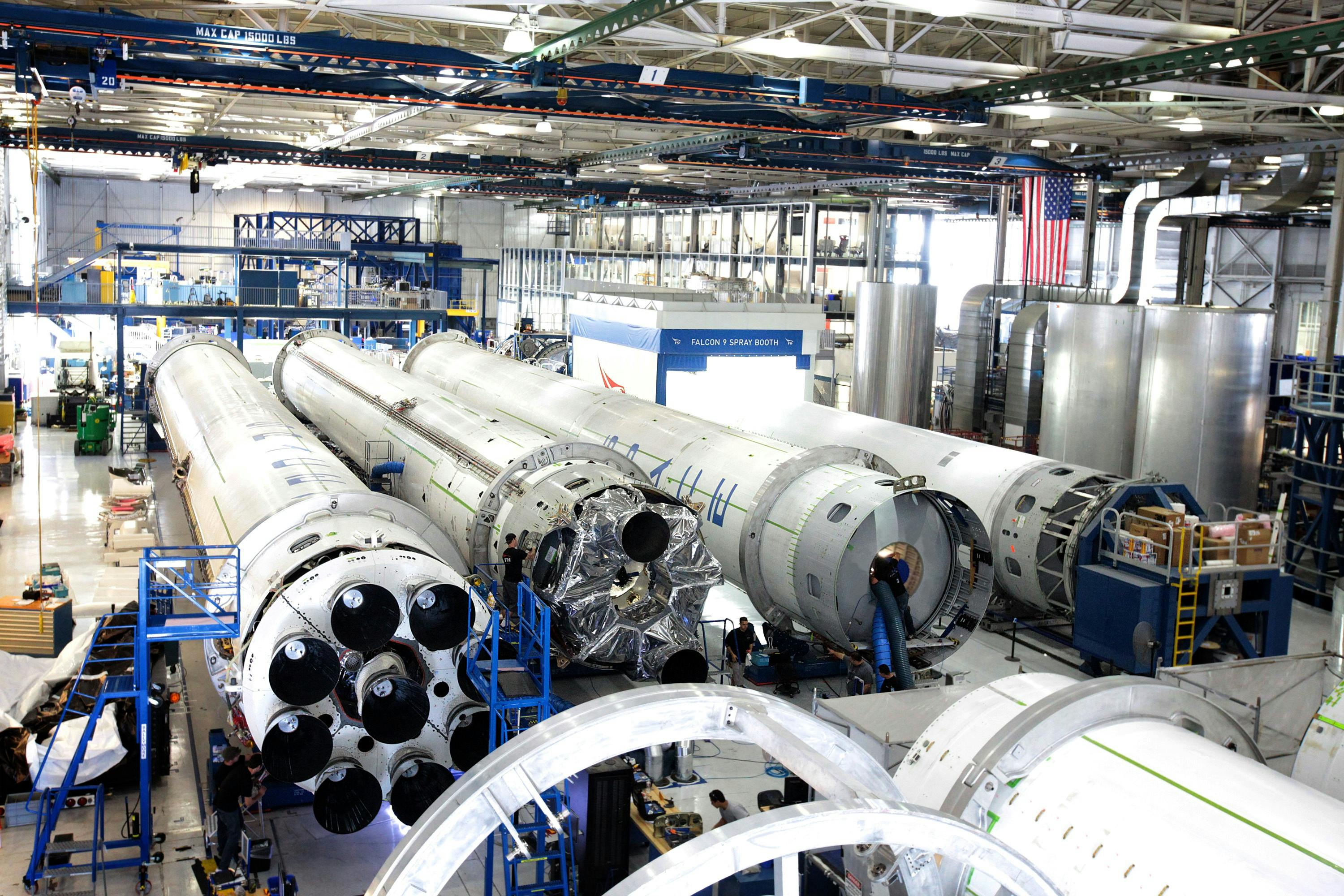
SpaceX unveils new space traffic management system for orbital coordination. Bahamas grants permission for rocket landings after Starship debris pause. Musk proposes lunar satellite catapult.

Space Force modernization stalls over workforce gaps. Deutsche Telekom targets 2028 for Starlink Mobile V2 across 10 EU nations. Iran ops strain US munition stocks.
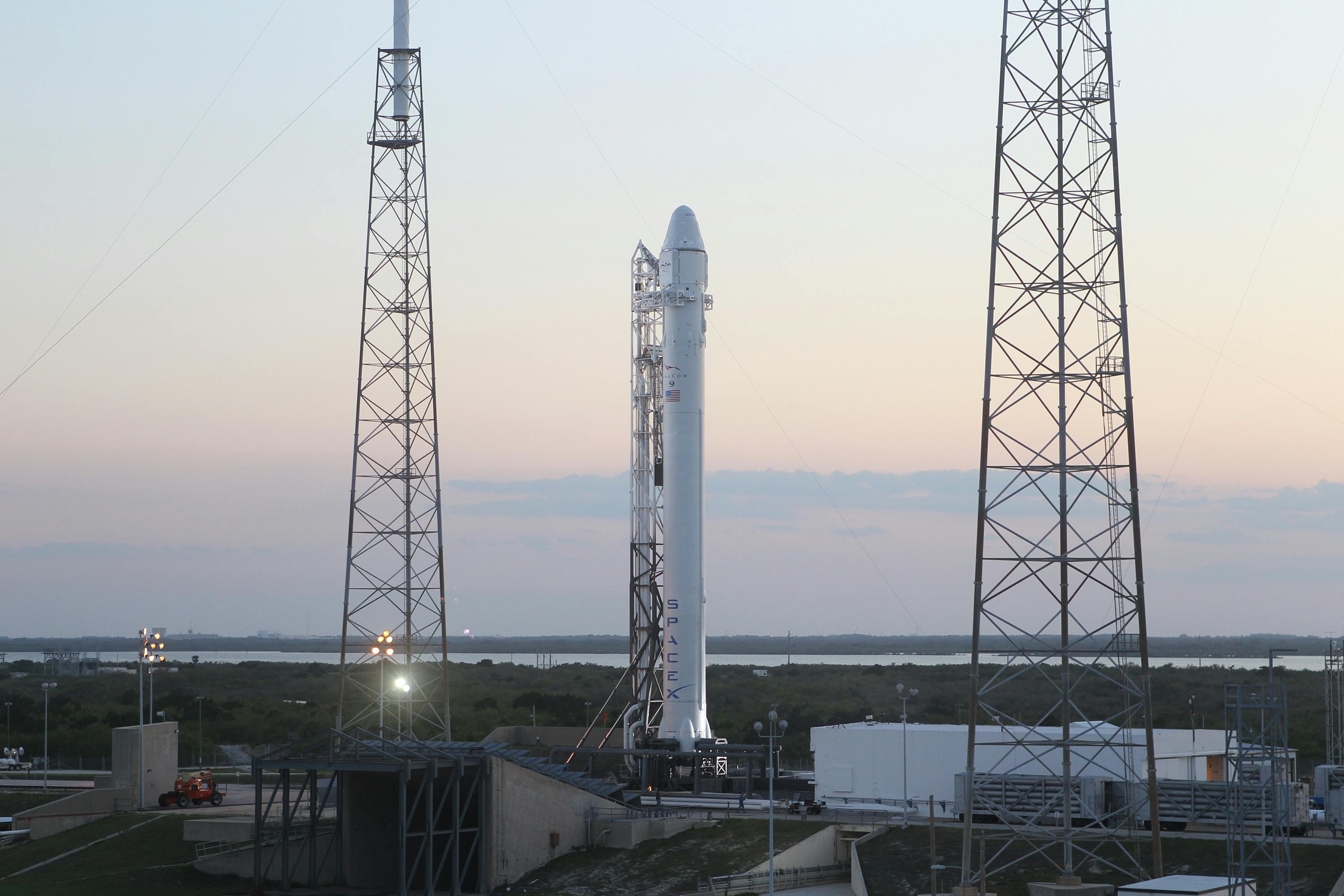
SpaceX successfully launched the Dror 1 satellite for Israel Aerospace Industries, marking another step forward in their launch capabilities.
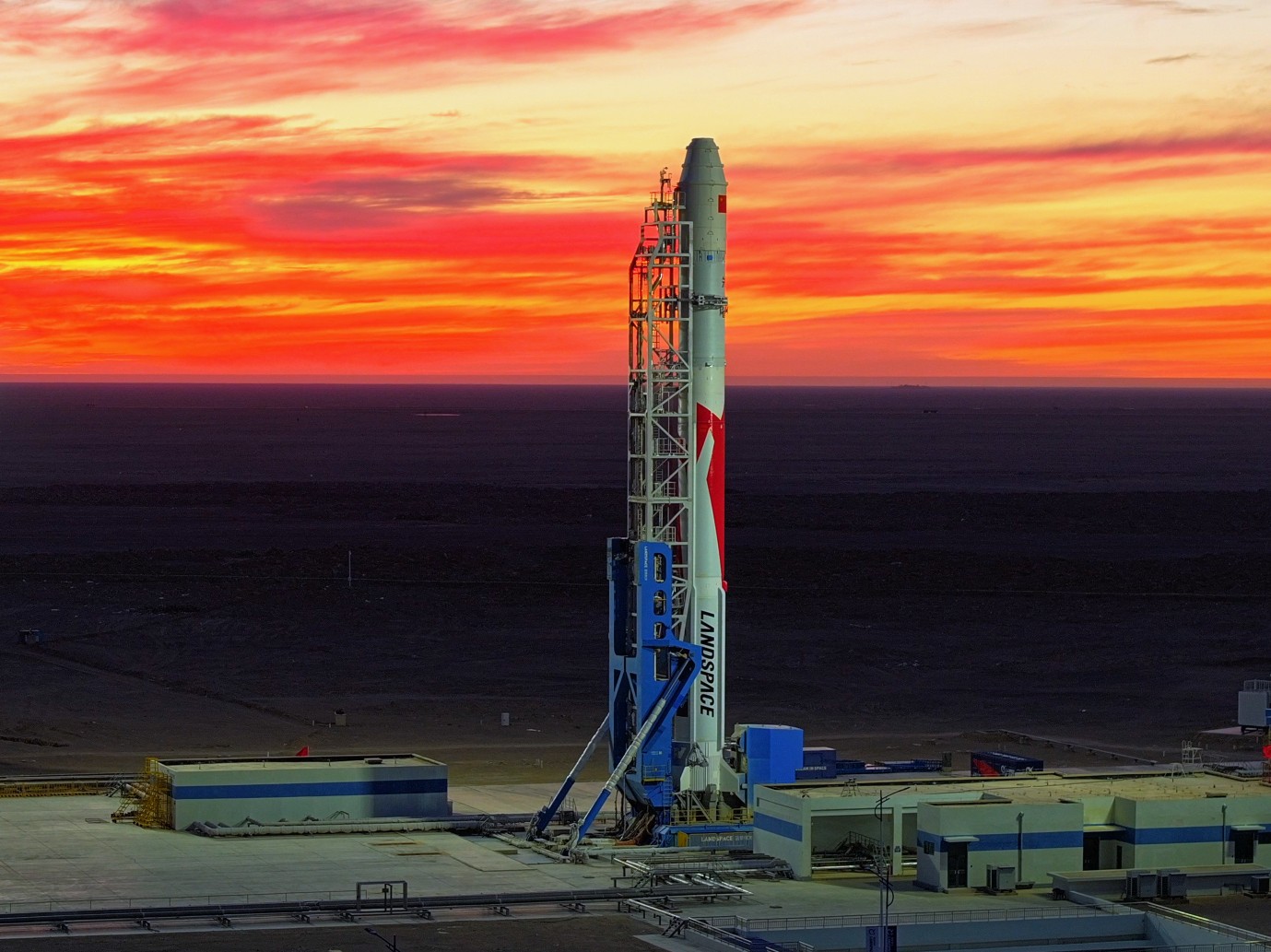
Artemis 2 astronauts arrive at KSC for April 1 launch. Four-person crew will fly lunar free-return trajectory, first crewed lunar mission since Apollo 17 in 1972.

SpaceX successfully launched Northrop Grumman's new Cygnus XL cargo spacecraft to the ISS, marking a significant advancement in cargo delivery capabilities.
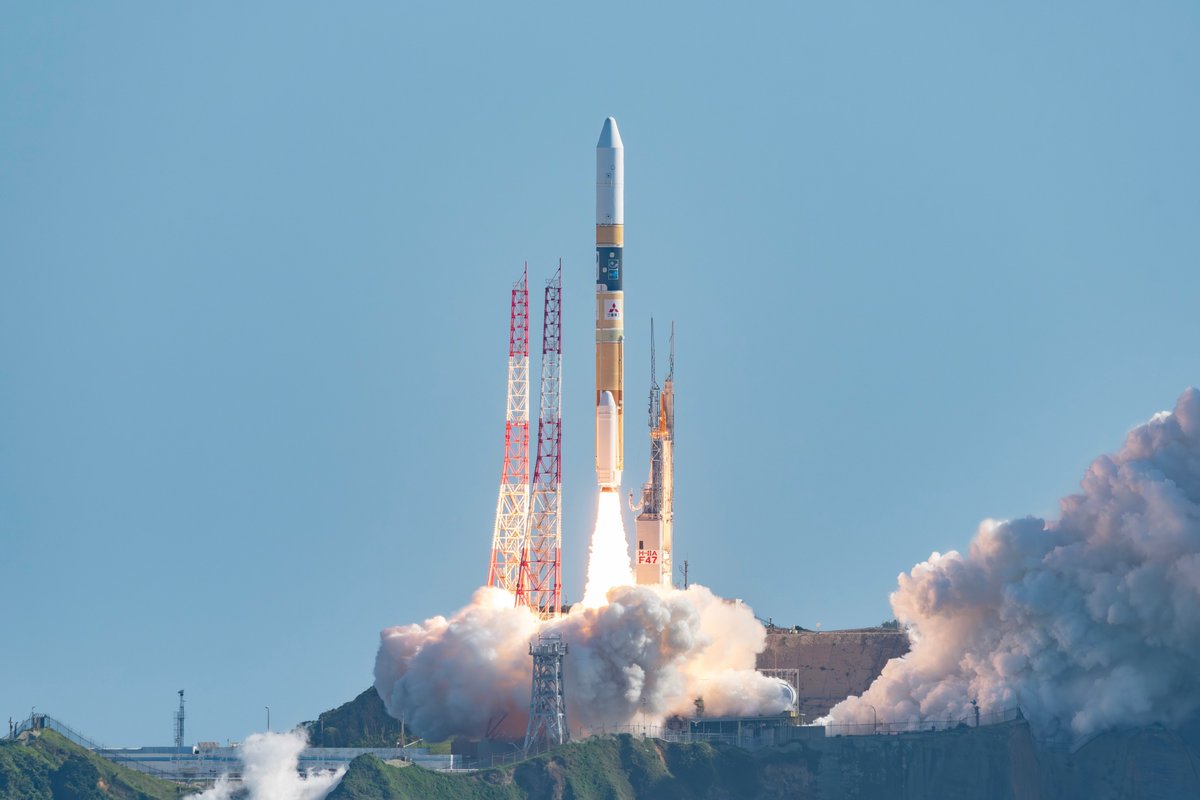
Today’s highlights focus on the launch preparations for the Dragoon Mission, China’s seismo-electromagnetic satellite launch, NASA budget cut impacts, and a major expansion by American Pacific Corporation.