


X Report 25 Apr 2025
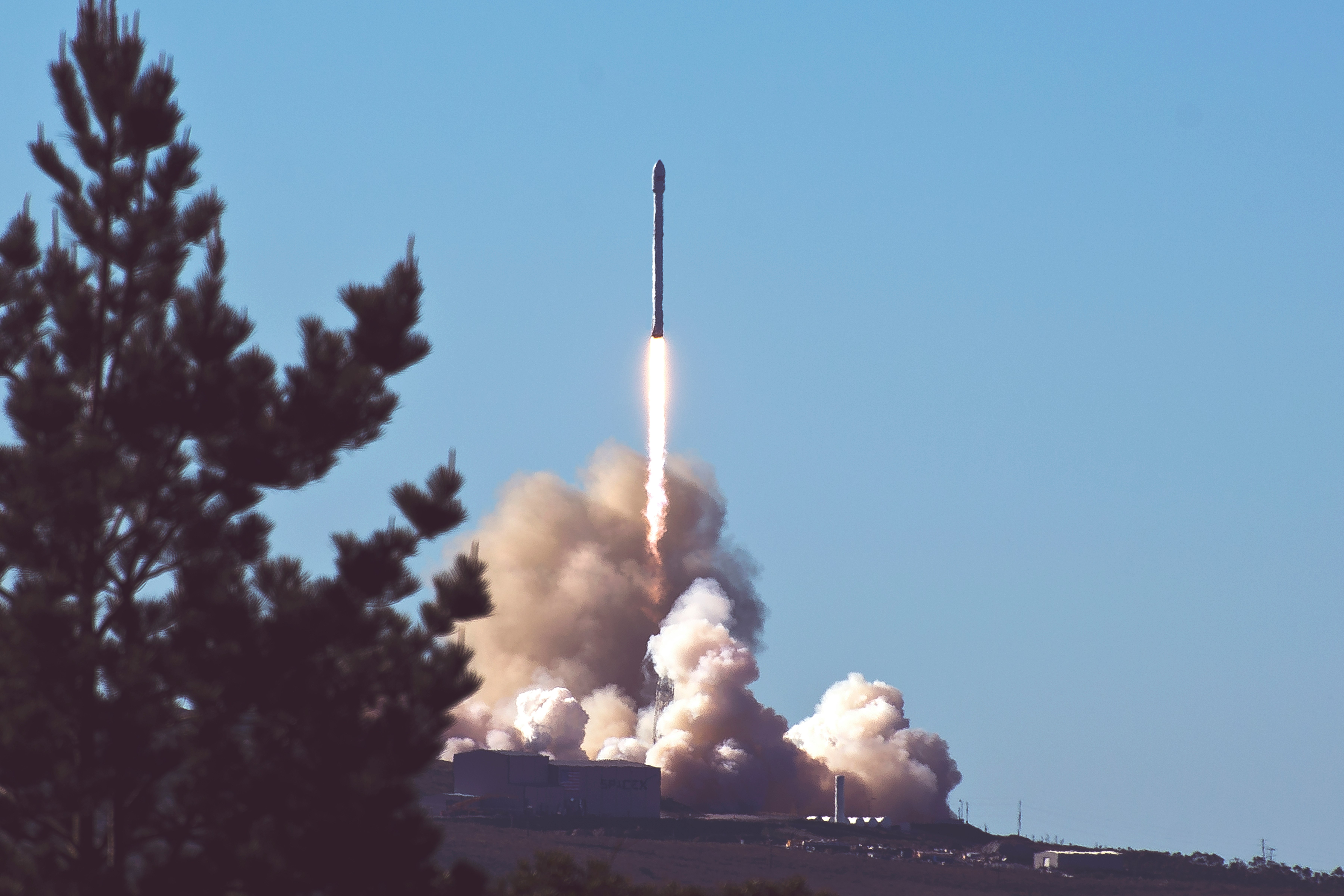
SpaceX launches Starlink satellites successfully, while Starbase inches closer to city status and business discussions intensify.


Launch Date
May 28, 1984
Launch Site
PLMSC
Launch Pad
LC132/2
Launch Vehicle
Kosmos 11K65M
NORAD ID
15006
International Designator
1984-052J
Epoch
Sat, 04 Jul 2026 06:36:50 GMT
Apogee
Calculating...
Perigee
Calculating...
Inclination
74.01°
Right Ascension
192.68°
Eccentricity
Calculating...
Argument of Perigee
258.87°
Period
117.67 min
Mean Motion
12.24 rev/day
Latitude
Calculating...
Longitude
Calculating...
Altitude
Calculating...
Velocity
Calculating...
Name
SL-8 R/B
Alternative Name
Kosmos-3M 39-531 Stage 2
Type
Status
Owner
RVSN
Country
USSR
Constellation
N/A
Related Satellites
Major Events
N/A
1 15006U 84052J 26185.27558799 .00000082 00000-0 87576-3 0 9991
2 15006 74.0099 192.6833 0133231 258.8728 110.6679 12.23750799880728
Source: Celestrak
Length
4.2
Diameter
2.4
Span
4.2
Dry Mass
1434
Launch Mass
1434
Shape
Cyl
Radar Cross Section
5.9223
Visual Magnitude
Unknown
Color
Unknown
Material Composition
Unknown
Payload
S3M
Purpose
Unknown
Mission
Unknown
Manufacturer
OAZ
Life Expectancy
Unknown
Bus
S3
Configuration
Unknown
Motor
Unknown
Equipment
Unknown
Power System
Unknown
ADCS
Unknown
Transmitter Frequency
Unknown
Learn more about satellites and other related topics.
SpaceX launches Starlink satellites successfully, while Starbase inches closer to city status and business discussions intensify.

Today's brief covers the launch of the X-37B, cutting-edge quantum navigation systems, and the future of space-based military technology. Discover the role of SpaceX and the advancements in inertial navigation.

Today's focus spans critical developments in military space initiatives, strategic policy shifts, and modest steps in semiconductor advancements. Key developments include Rocket Lab's new U.S. Air Force contract, Sierra Space's progress in satellite programs, and potential policy changes under Trump's leadership.
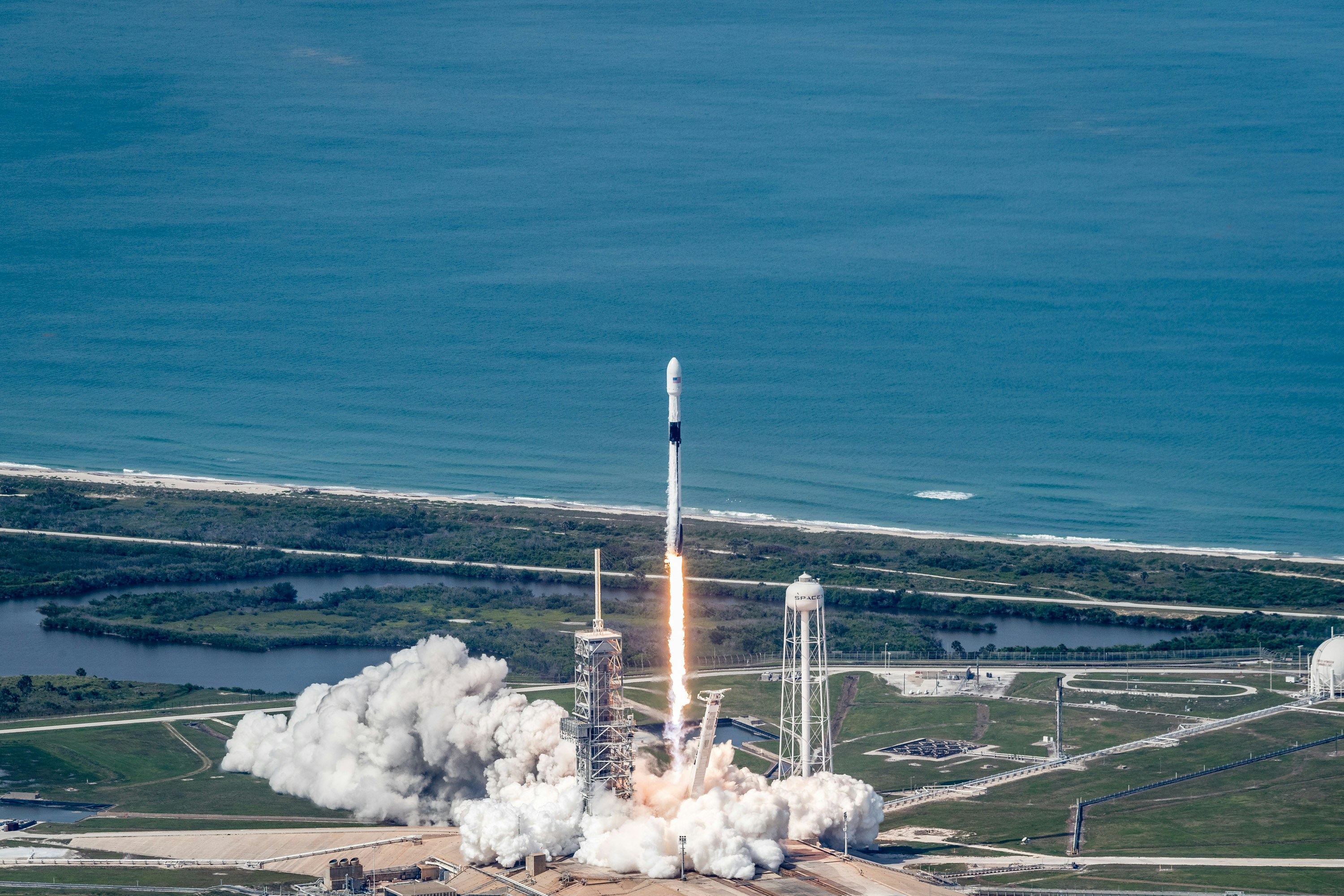
SpaceX's Falcon 9 rideshare lifted 45 satellites including South Korea's CAS500-2 Earth observer from Vandenberg at 0700 UTC May 3.
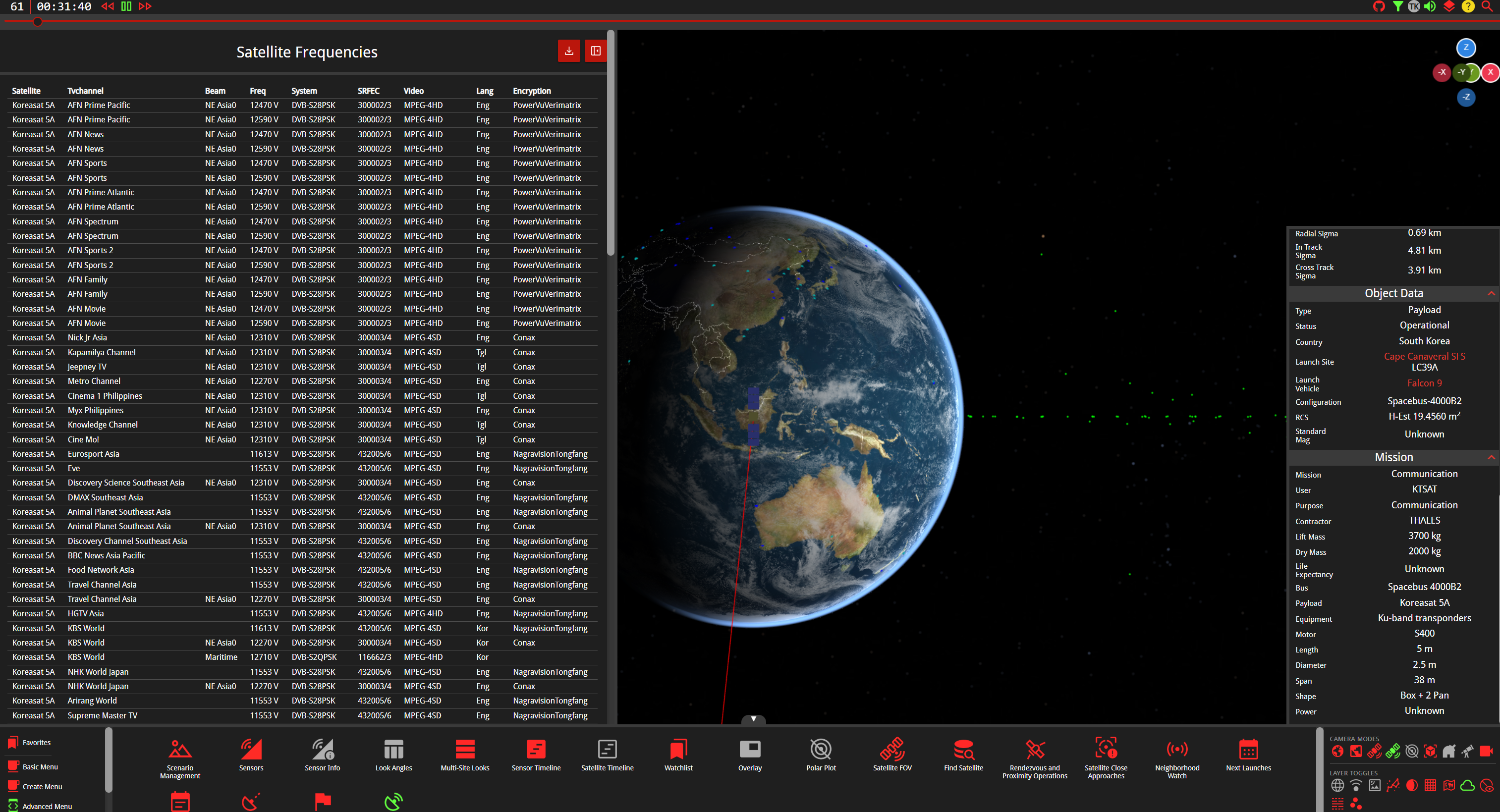
The frequency band that brought satellite TV to small dishes on rooftops and revolutionized direct-to-home broadcasting
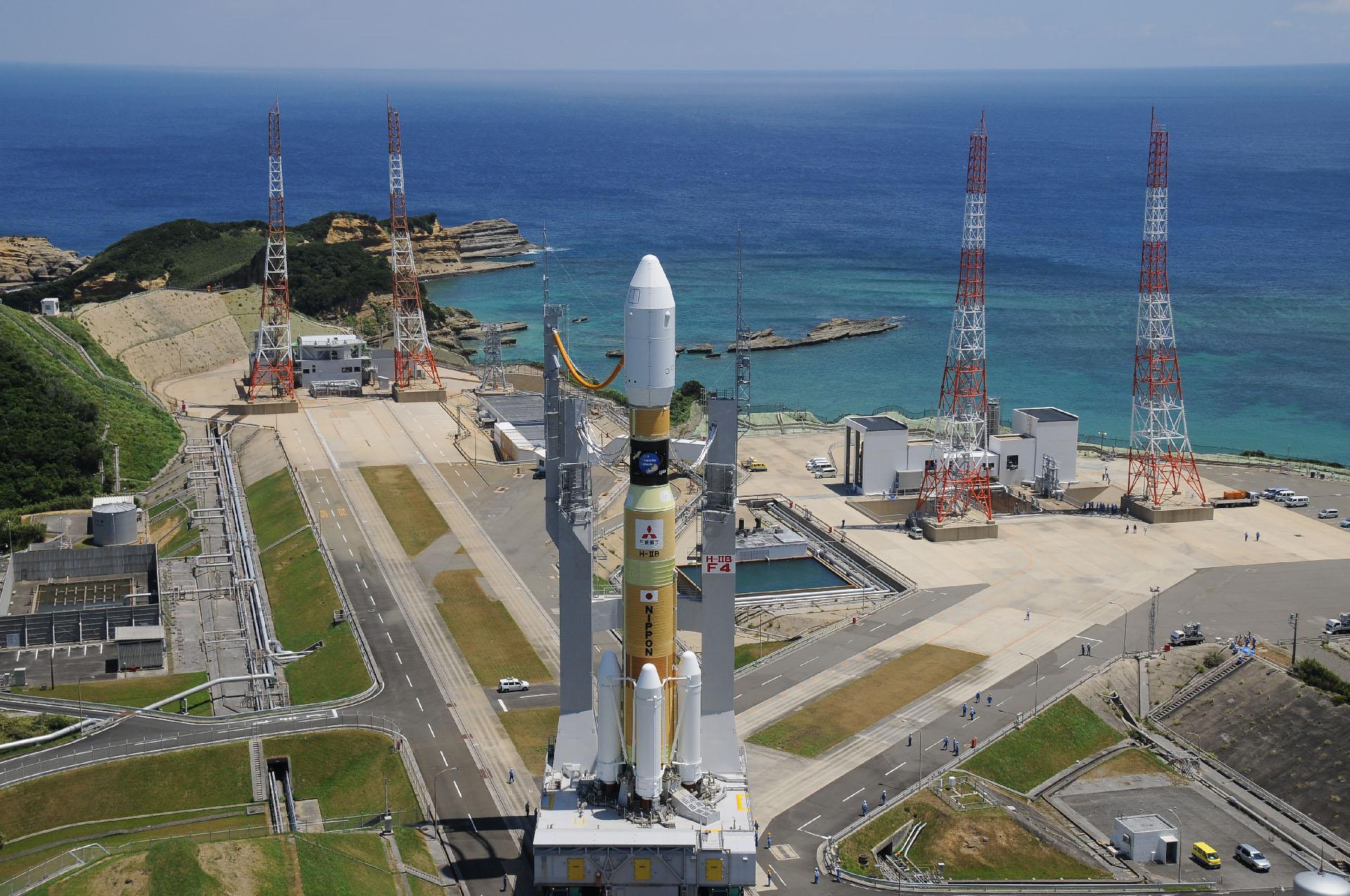
Today's update covers new military space initiatives, impacts of drone threats in Europe, and advancements in secure cloud technology for NATO and Ukraine.

Three Chinese rocket bodies have exploded over four years, creating debris clouds that will linger for decades to centuries, according to LeoLabs analysis. Fragmentation events threaten commercial and military operators.
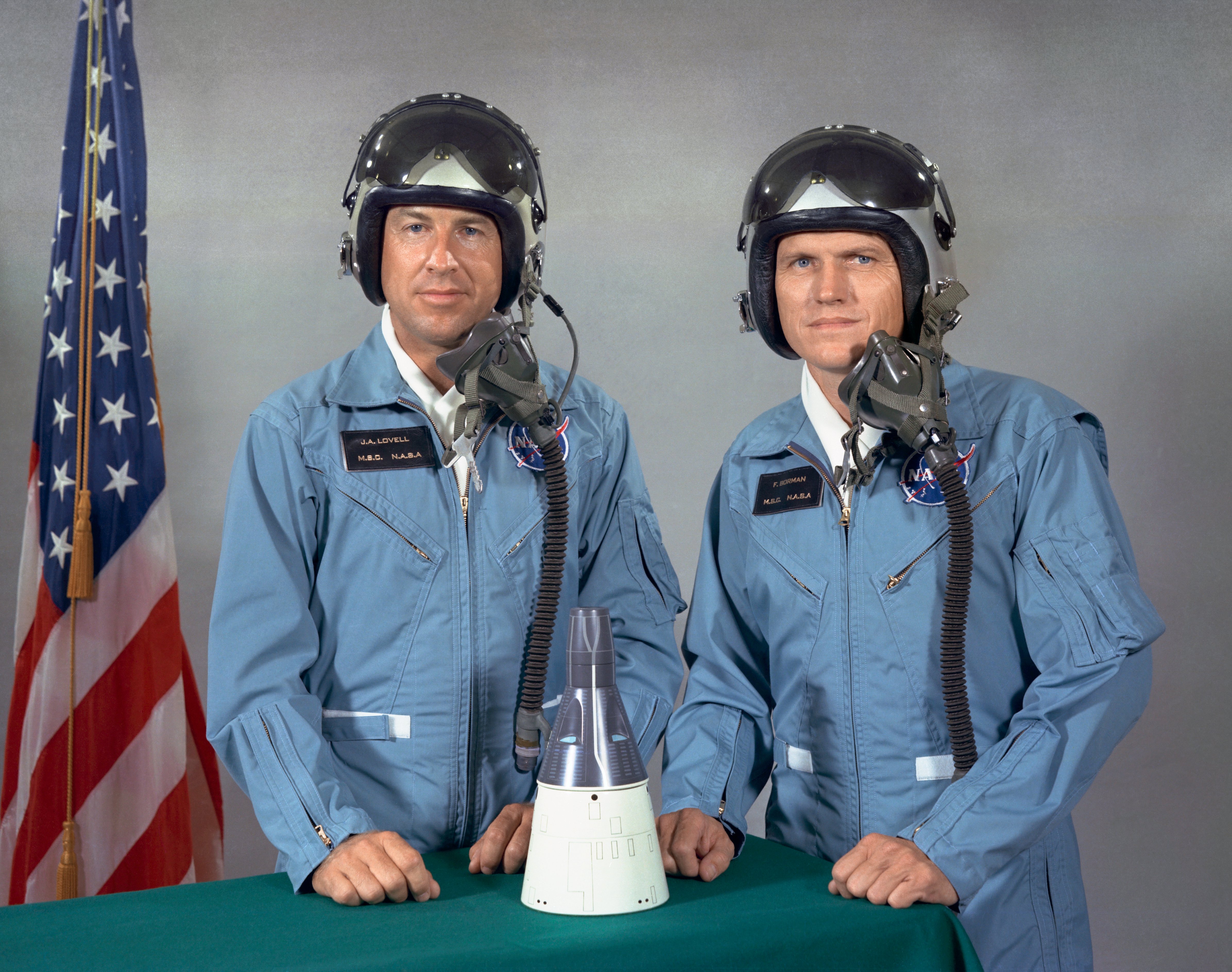
Sixty years ago, Frank Borman and James Lovell launched aboard Gemini 7 for a grueling 14-day mission that would prove humans could endure the journey to the moon and achieve the first true rendezvous in space