

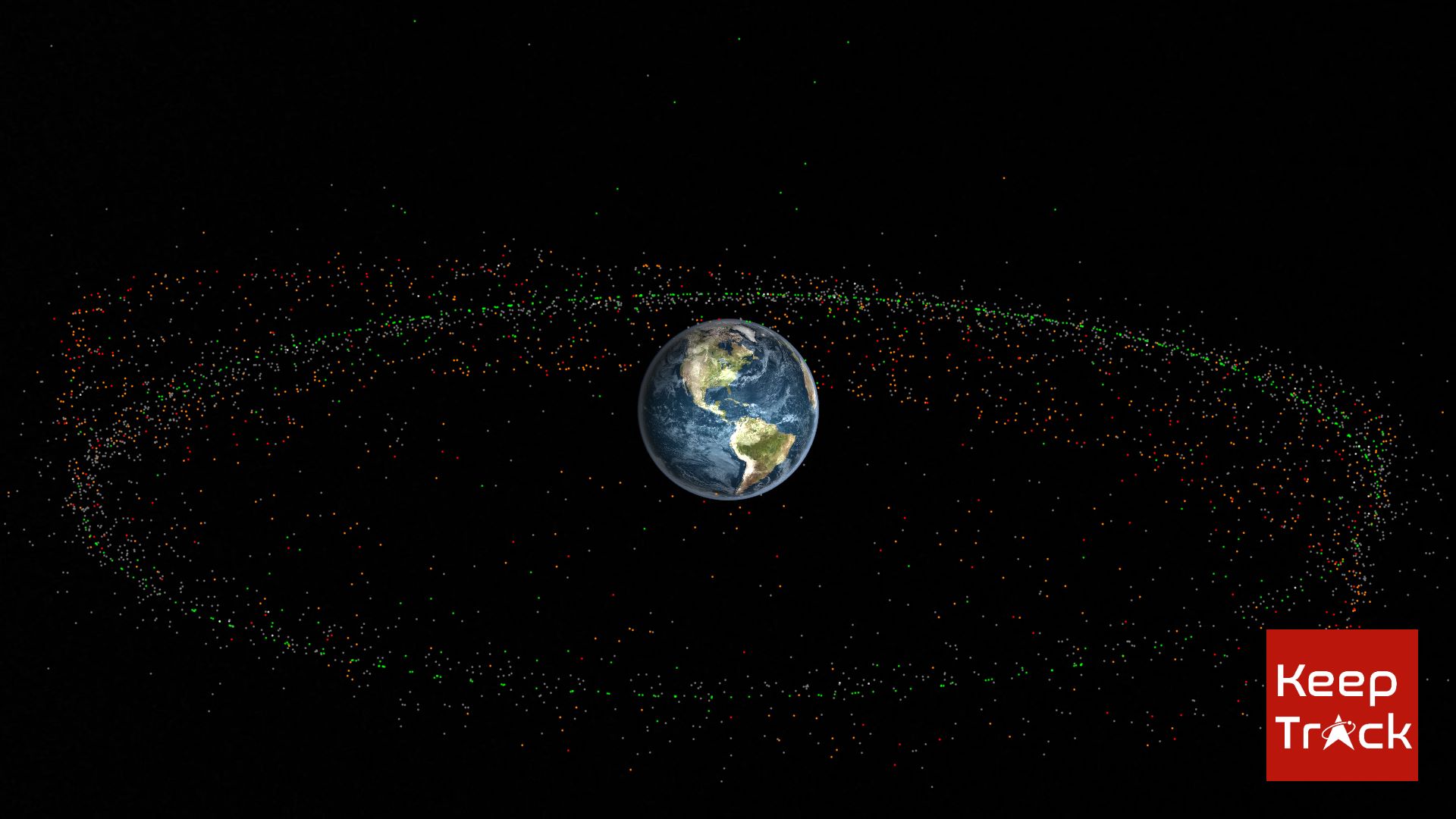
Geosynchronous Orbit (GEO)
Understanding the unique orbital sweet spot that keeps satellites perfectly positioned above Earth


Launch Date
April 19, 1984
Launch Site
PLMSC
Launch Pad
LC16/2
Launch Vehicle
Soyuz-U
NORAD ID
14938
International Designator
1984-040A
Decay Date
5/3/1984
Name
COSMOS 1549
Alternative Name
Kosmos-1549
Type
Status
Owner
GUKOS
Country
USSR
Constellation
N/A
Related Satellites
Major Events
N/A
Length
6
Diameter
2.2
Span
6
Dry Mass
2655
Launch Mass
2655
Shape
Sphere + DCone
Radar Cross Section
30.85
Visual Magnitude
Unknown
Color
Unknown
Material Composition
Unknown
Payload
Argon No. 93L
Purpose
Reconnaissance, photo (film return type)
Mission
Reconnaissance, photo (film return type)
Manufacturer
TSSKB
Life Expectancy
14 days
Bus
Zenit-6
Configuration
Zenit bus
Motor
11D82M; S5.120 (maneuver module)
Equipment
Unknown
Power System
Batteries
ADCS
Unknown
Transmitter Frequency
Unknown
Learn more about satellites and other related topics.
Understanding the unique orbital sweet spot that keeps satellites perfectly positioned above Earth
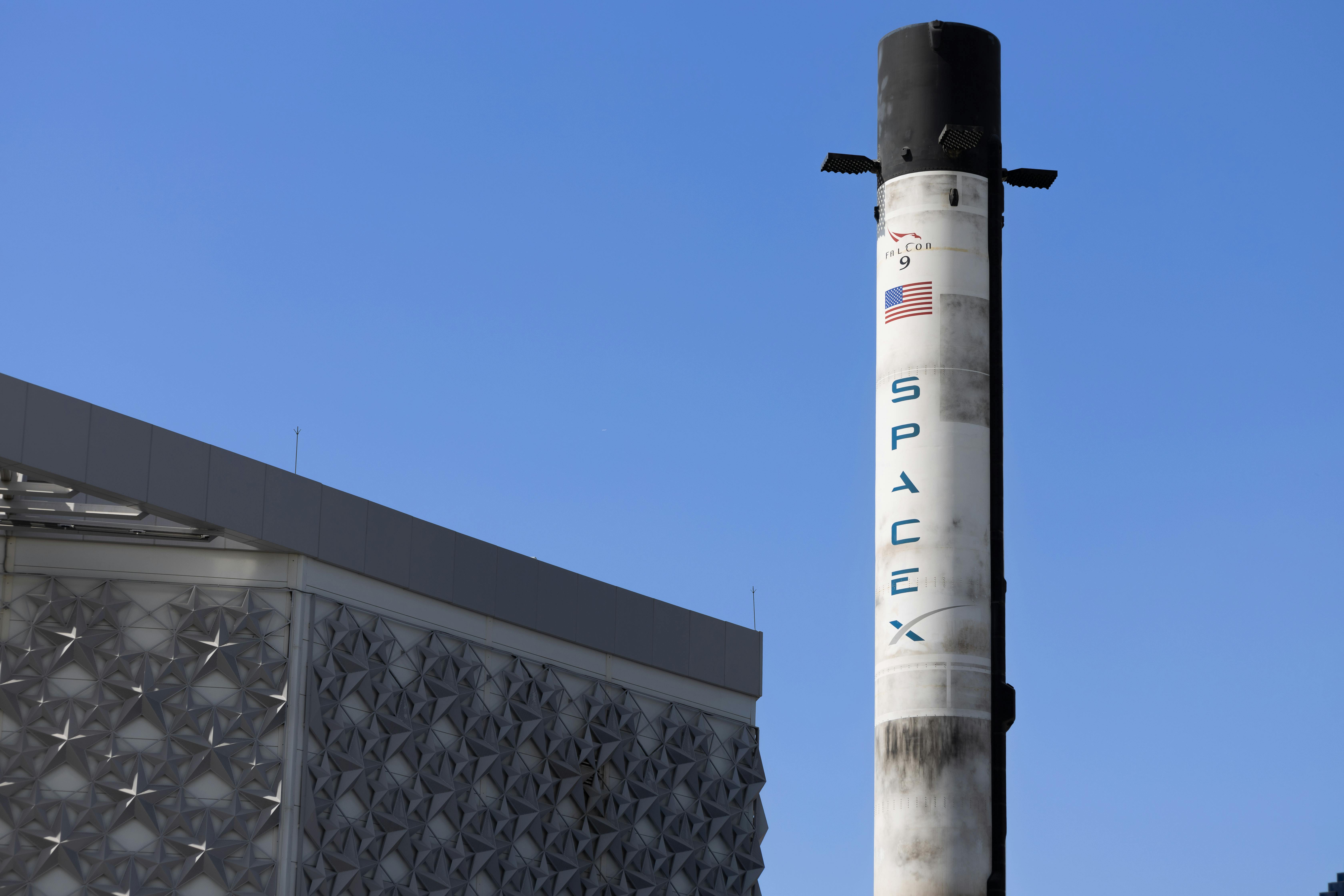
A California firm wins NASA's Aeolus Mars orbiter contract, targeting 2028 launch for the first daily global Martian environment measurements.

SpaceX's Falcon 9 achieves a milestone with its 24th launch for Starlink, while competitive moves continue in the satellite internet market.
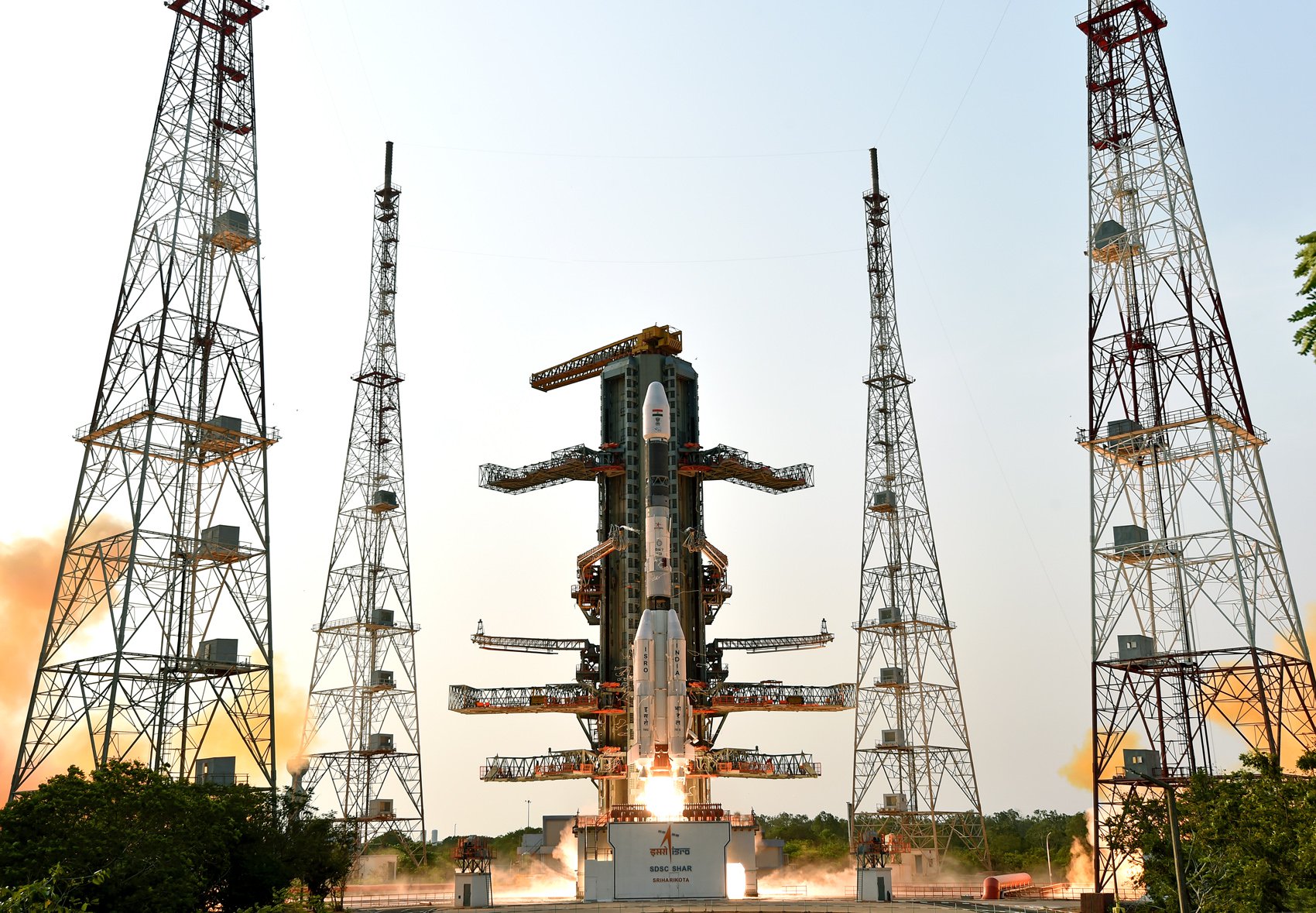
Today's highlights include China's remote-sensing satellite launch, U.S. Space Force's investment in missile-tracking satellites, and NASA's MAVEN milestone on Mars.
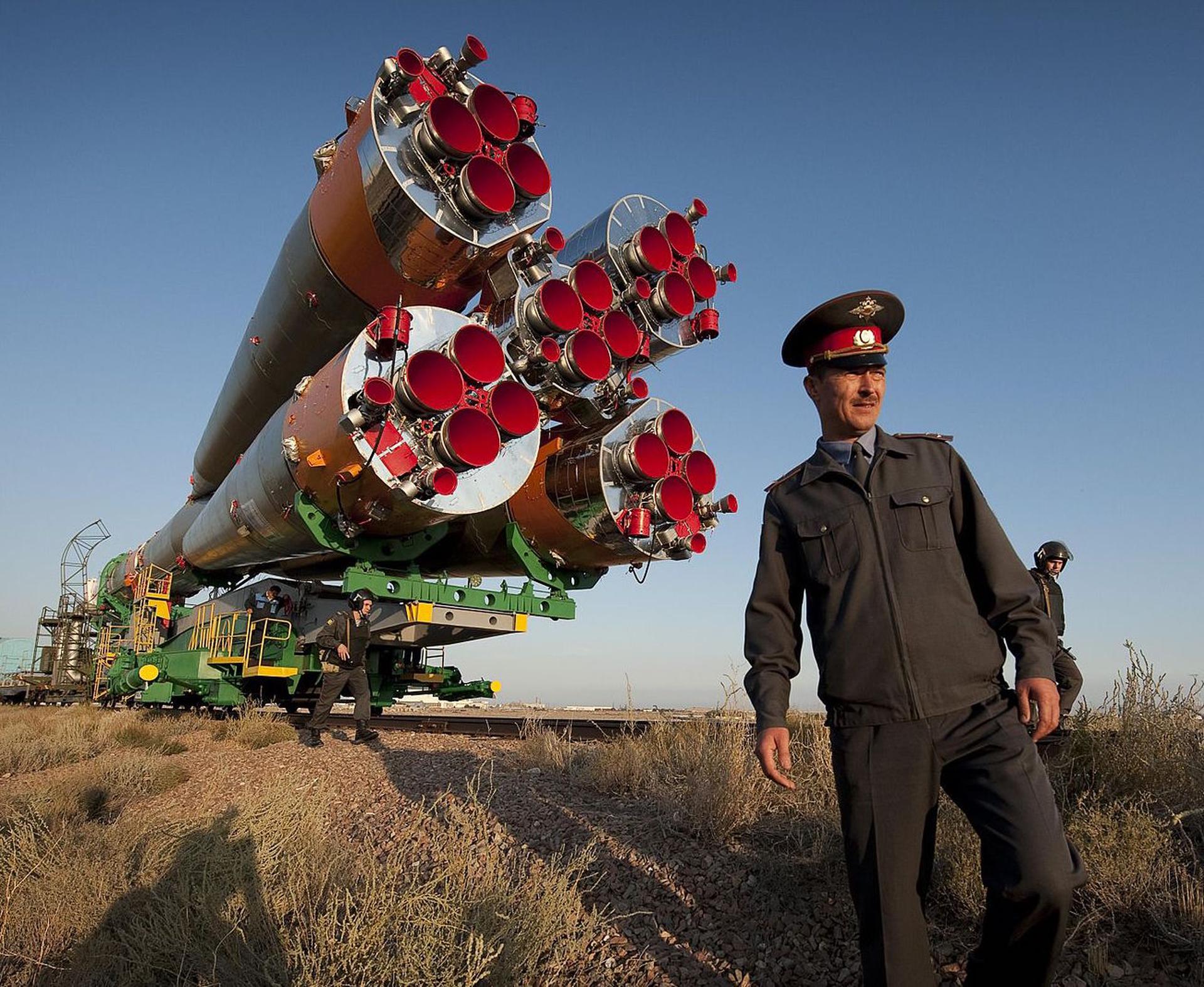
Today's Space Brief highlights emerging technologies in space, a contract for U.S. Space Force missions, developments in military operations, and updates on drone advancements.

SpaceX successfully launched 28 Starlink satellites while preparing for the upcoming Ax-4 mission to the ISS. Significant progress continues in their ongoing space endeavors.
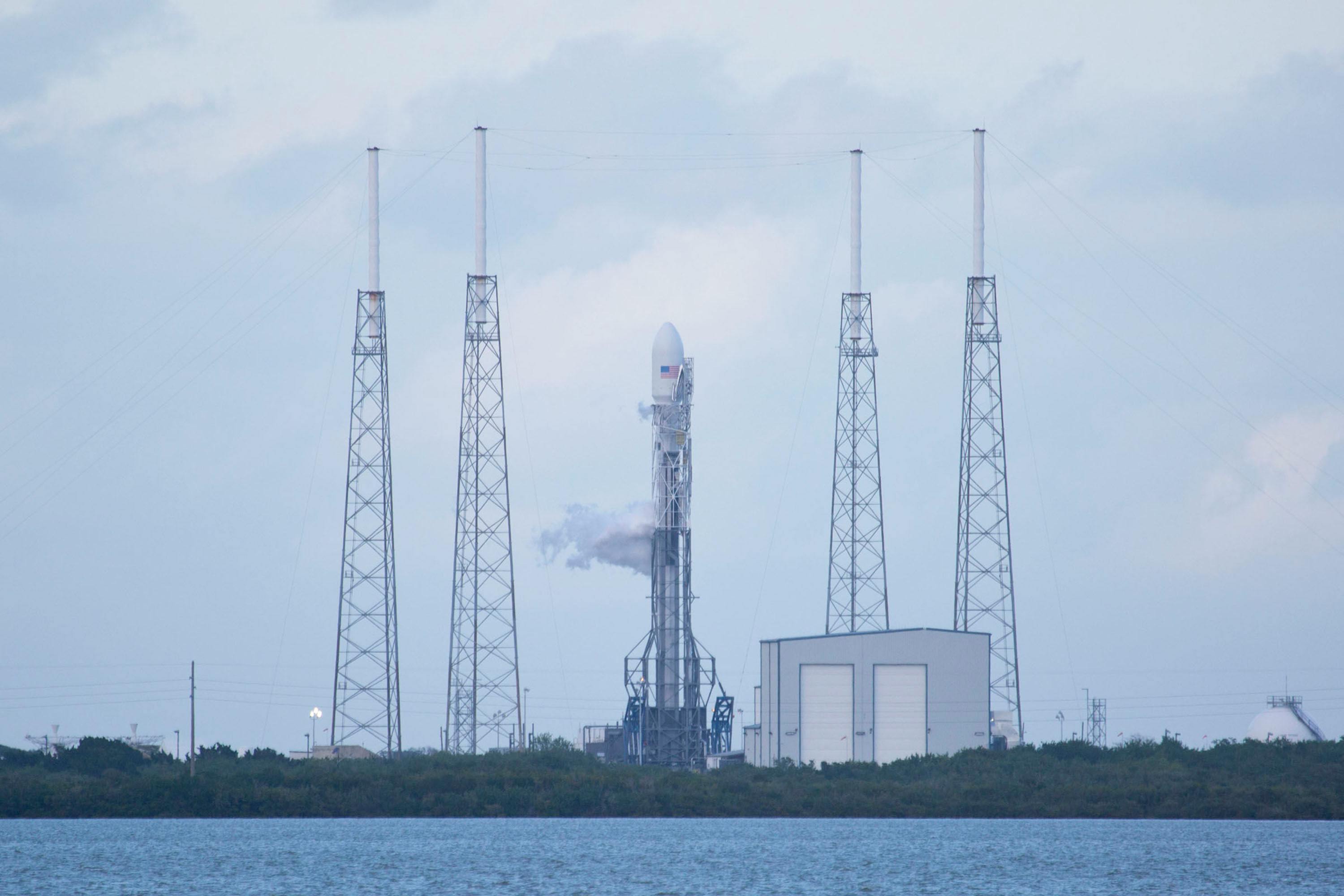
SpaceX cancels Texas land-swap deal amid growing Starship presence and launches 20 Starlink satellites using the 400th Falcon 9 rocket.
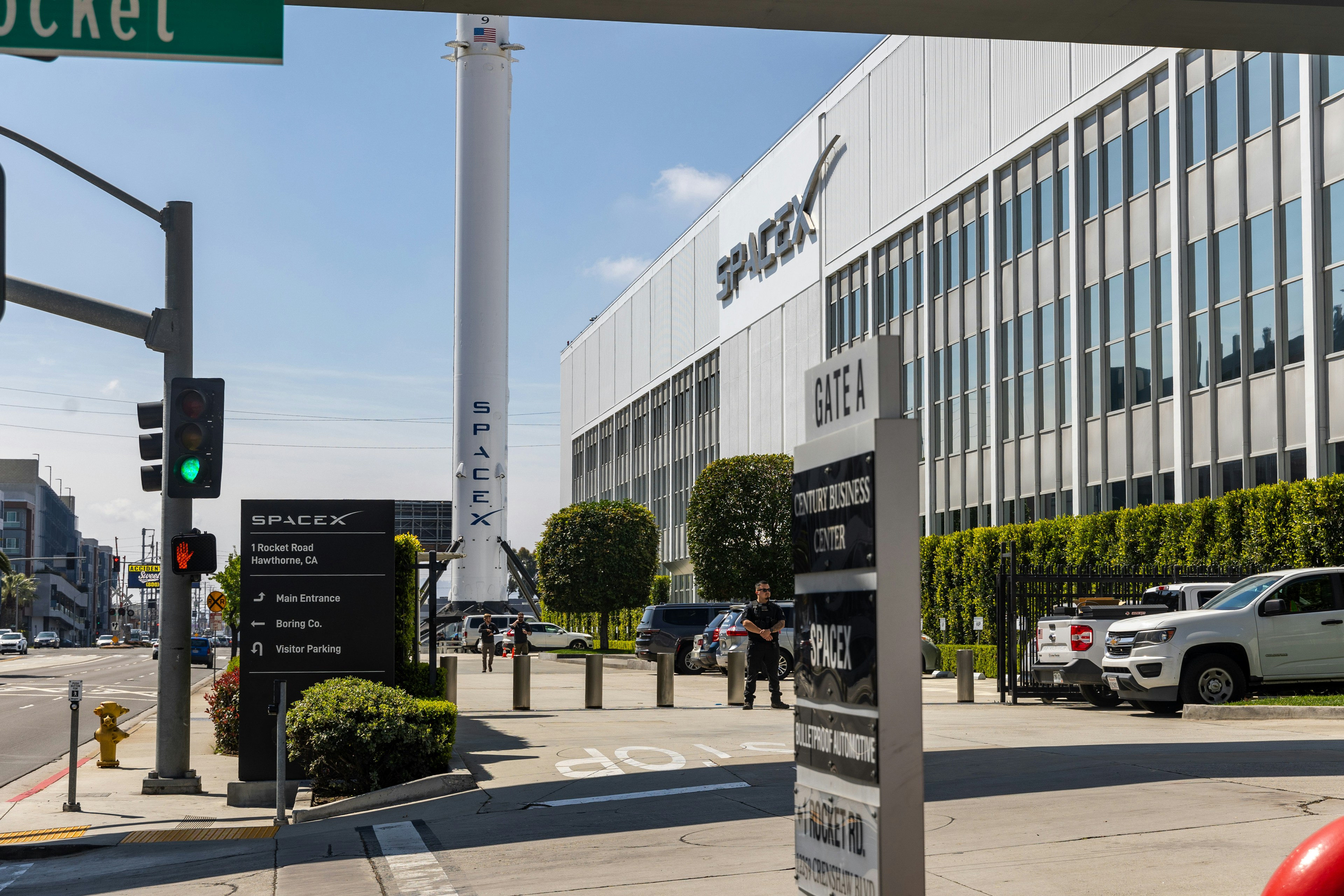
Starship Flight 6 approaches with a daring booster catch, while SpaceX ramps up satellite launches and navigates regulatory challenges.