


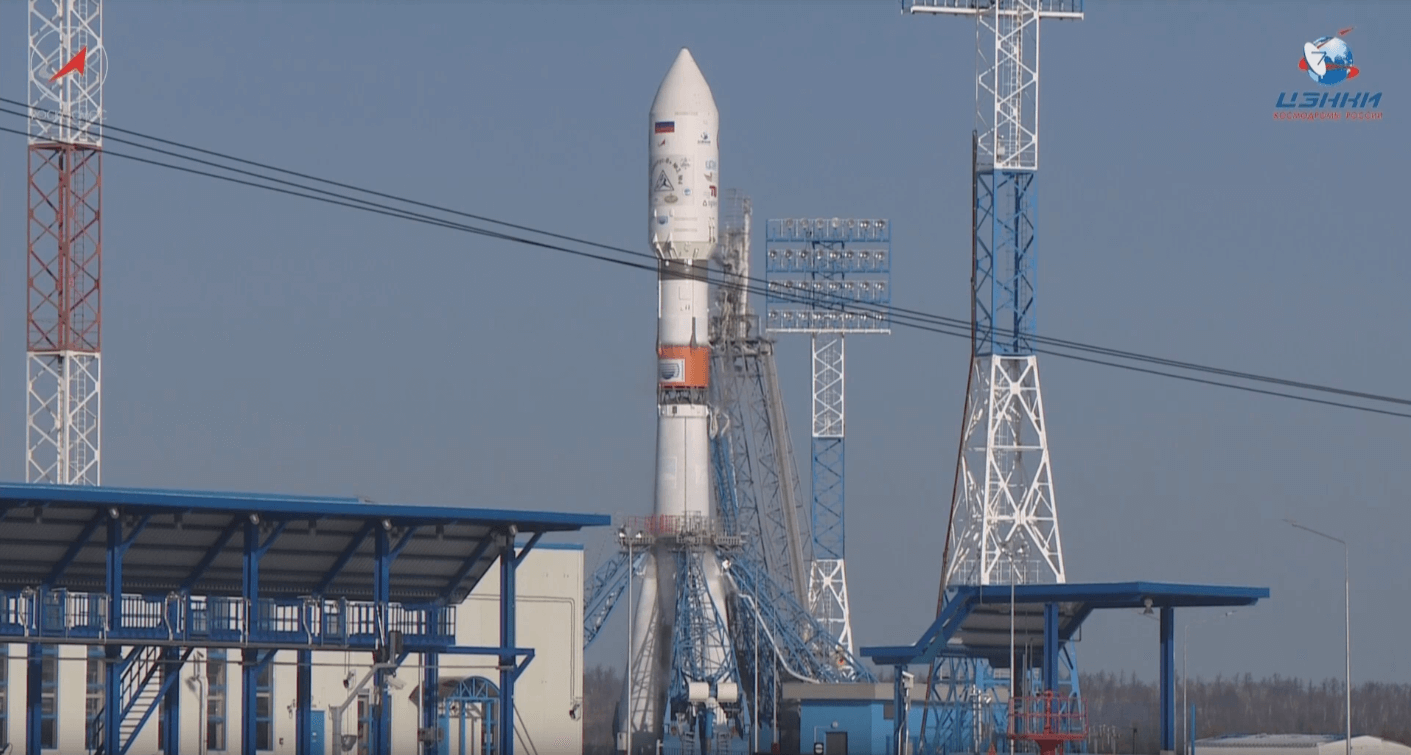
Space Brief 23 Nov 2024
Today's highlights include Canada's and Australia's investment in hypersonic defense, China's successful test of an inflatable space module, and Sweden's support of Ukrainian missile and drone production.


Launch Date
April 8, 1984
Launch Site
XICLF
Launch Pad
LC3
Launch Vehicle
Chang Zheng 3
NORAD ID
14900
International Designator
1984-035B
Epoch
Sat, 04 Jul 2026 02:18:29 GMT
Apogee
Calculating...
Perigee
Calculating...
Inclination
30.99°
Right Ascension
324.04°
Eccentricity
Calculating...
Argument of Perigee
10.79°
Period
612.93 min
Mean Motion
2.35 rev/day
Latitude
Calculating...
Longitude
Calculating...
Altitude
Calculating...
Velocity
Calculating...
Name
CZ-3 R/B
Alternative Name
CZ-3 Y2 Stage 3
Type
Status
Owner
MAI
Country
China
Constellation
N/A
Related Satellites
Major Events
N/A
1 14900U 84035B 26185.09617957 -.00000006 00000-0 26479-3 0 9998
2 14900 30.9904 324.0414 7152377 10.7903 358.5825 2.34938346292136
Source: Celestrak
Length
7.5
Diameter
2.3
Span
7.5
Dry Mass
2000
Launch Mass
5000
Shape
Cyl
Radar Cross Section
8.997
Visual Magnitude
Unknown
Color
Unknown
Material Composition
Unknown
Payload
CZ-3 Stage 3
Purpose
Unknown
Mission
Unknown
Manufacturer
BWYIC
Life Expectancy
Unknown
Bus
CZ-3 Stage 3
Configuration
Unknown
Motor
Unknown
Equipment
Unknown
Power System
Unknown
ADCS
Unknown
Transmitter Frequency
Unknown
Learn more about satellites and other related topics.
Today's highlights include Canada's and Australia's investment in hypersonic defense, China's successful test of an inflatable space module, and Sweden's support of Ukrainian missile and drone production.
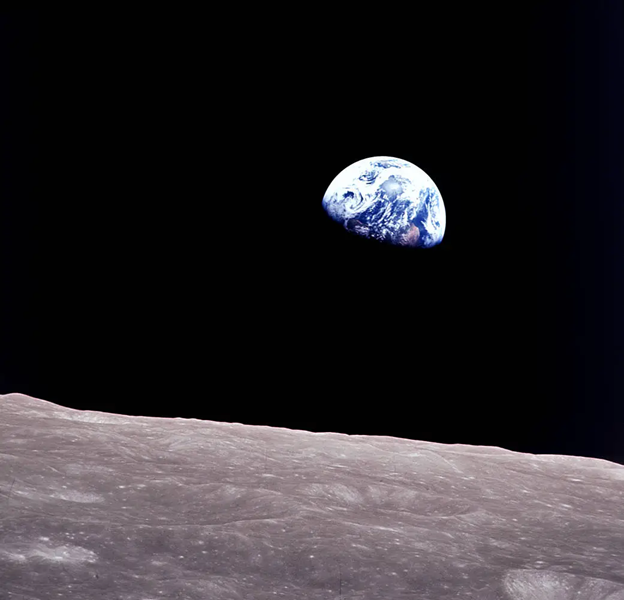
For 56 years, April 22 has been the day the world stops to look at itself. Before that was possible, someone had to invent the view. This is the story of how we first saw Earth from the outside, from a crashed V-2 camera in the New Mexico desert to the Blue Marble that still hangs on classroom walls.

SpaceX's Fram2 mission lands in the Pacific, SpaceX secures U.S. military contracts, and Starlink expands with latest satellite launch.

On April 22, 2026, the FAA published a final rule implementing per-launch user fees for commercial space transportation — the first time the U.S. government has charged payload-based fees for rocket launches. Starting at 25 cents per pound with a $30,000 cap, the fees are modest today. By 2033, they won't be.
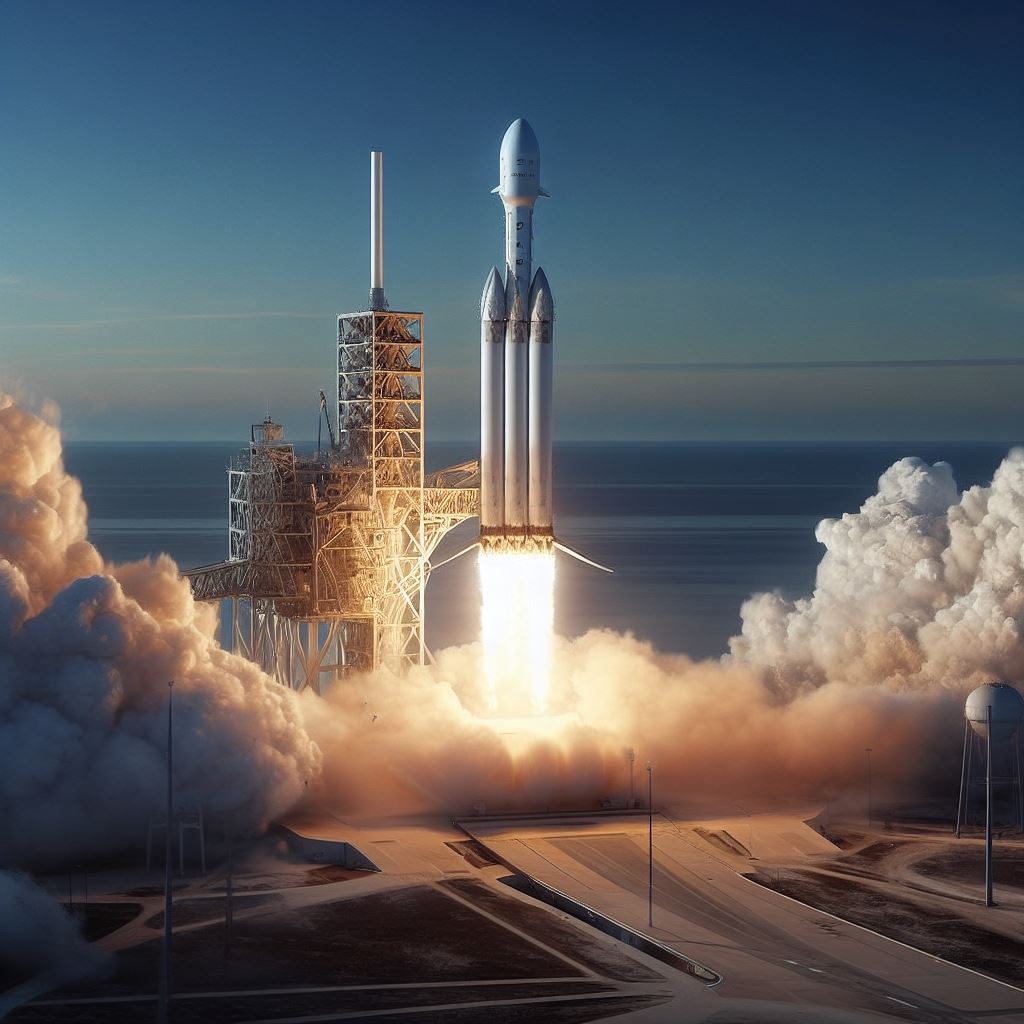
Polaris Dawn's upcoming commercial spacewalk, successful lunar orbit by Chinese spacecraft, and more space news including SpaceX's Starlink mission, RFA's static-fire failure, and advances in satellite technology.

SpaceX wins a $4.16B US Space Force contract for an airborne threat tracking satellite network. Starlink holds 10,413 satellites in orbit, 10,397 working.
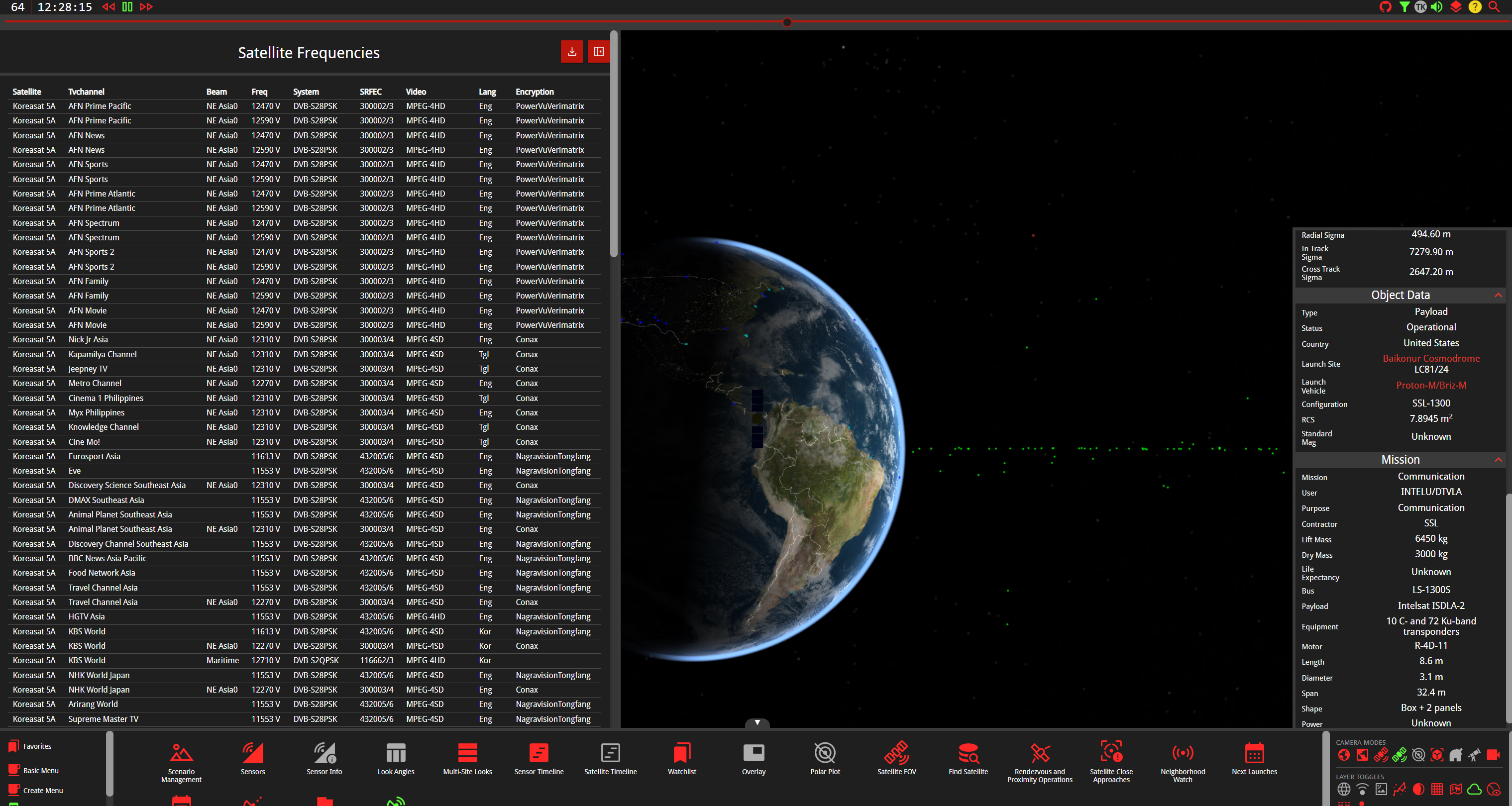
The workhorse frequency band that quietly powers satellite communications, weather radar, and Wi-Fi around the world

Today's highlights include SpaceX's record-breaking Falcon launches, urgent warnings about orbital collisions, and a doubleheader launch featuring spy and Starlink satellites.