

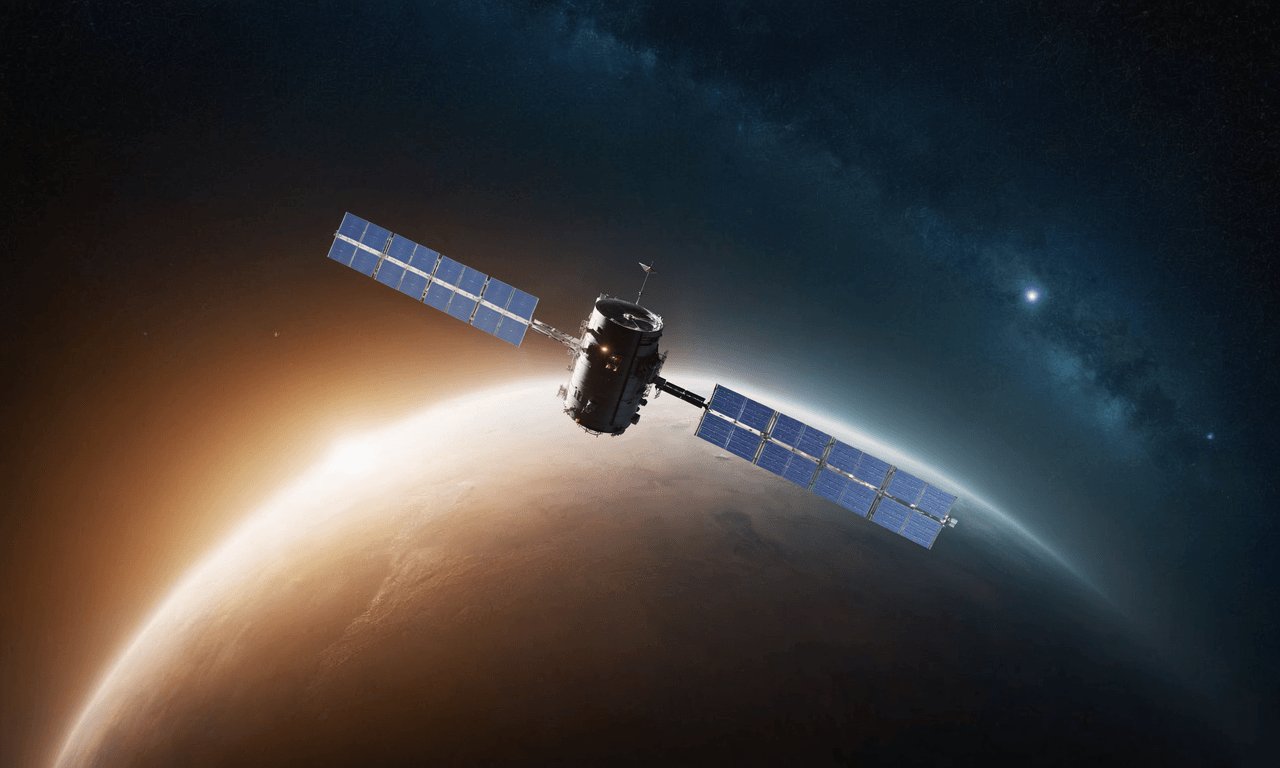
Space Brief 4 Sep 2024
Today's brief highlights SpaceX's Starlink launch, the sale of Telesat's remote communications services, advancements in hypersonic missile tracking, and more on satellite imagery from the NGA.


Launch Date
March 16, 1984
Launch Site
Launch Pad
LC200/39
Launch Vehicle
Proton-K/DM
NORAD ID
14829
International Designator
1984-028E
Decay Date
10/27/1986
Name
SL-12 R/B(AUX MOTOR)
Alternative Name
DM-44L SOZ-2
Type
Status
Owner
RVSN
Country
USSR
Constellation
N/A
Related Satellites
Major Events
N/A
Length
1.1
Diameter
0.5
Span
1.1
Dry Mass
60
Launch Mass
120
Shape
Cyl
Radar Cross Section
3.4132
Visual Magnitude
Unknown
Color
Unknown
Material Composition
Unknown
Payload
SOZ
Purpose
Unknown
Mission
Unknown
Manufacturer
NPOE
Life Expectancy
Unknown
Bus
SOZ
Configuration
Unknown
Motor
Unknown
Equipment
Unknown
Power System
Unknown
ADCS
Unknown
Transmitter Frequency
Unknown
Learn more about satellites and other related topics.
Today's brief highlights SpaceX's Starlink launch, the sale of Telesat's remote communications services, advancements in hypersonic missile tracking, and more on satellite imagery from the NGA.
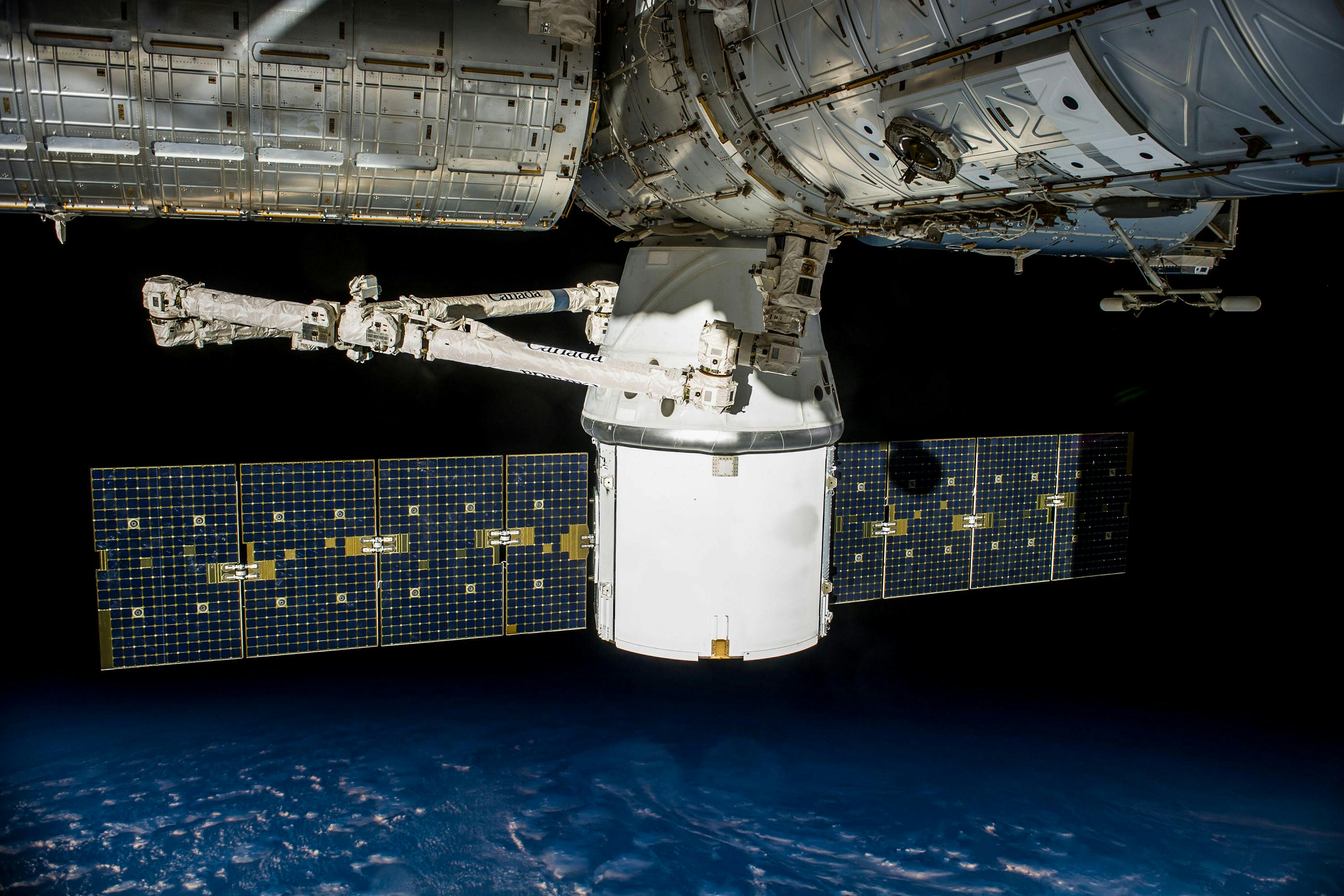
SpaceX prepares for Bandwagon-2 rideshare mission launch, while FAA updates license for Starship's next flight; Crew Dragon mission faces delays.

Kratos Defense awarded $446M Space Force contract for RMWT missile-warning ground systems. Rocket Lab secures $190M Pentagon deal for 20 hypersonic test flights.
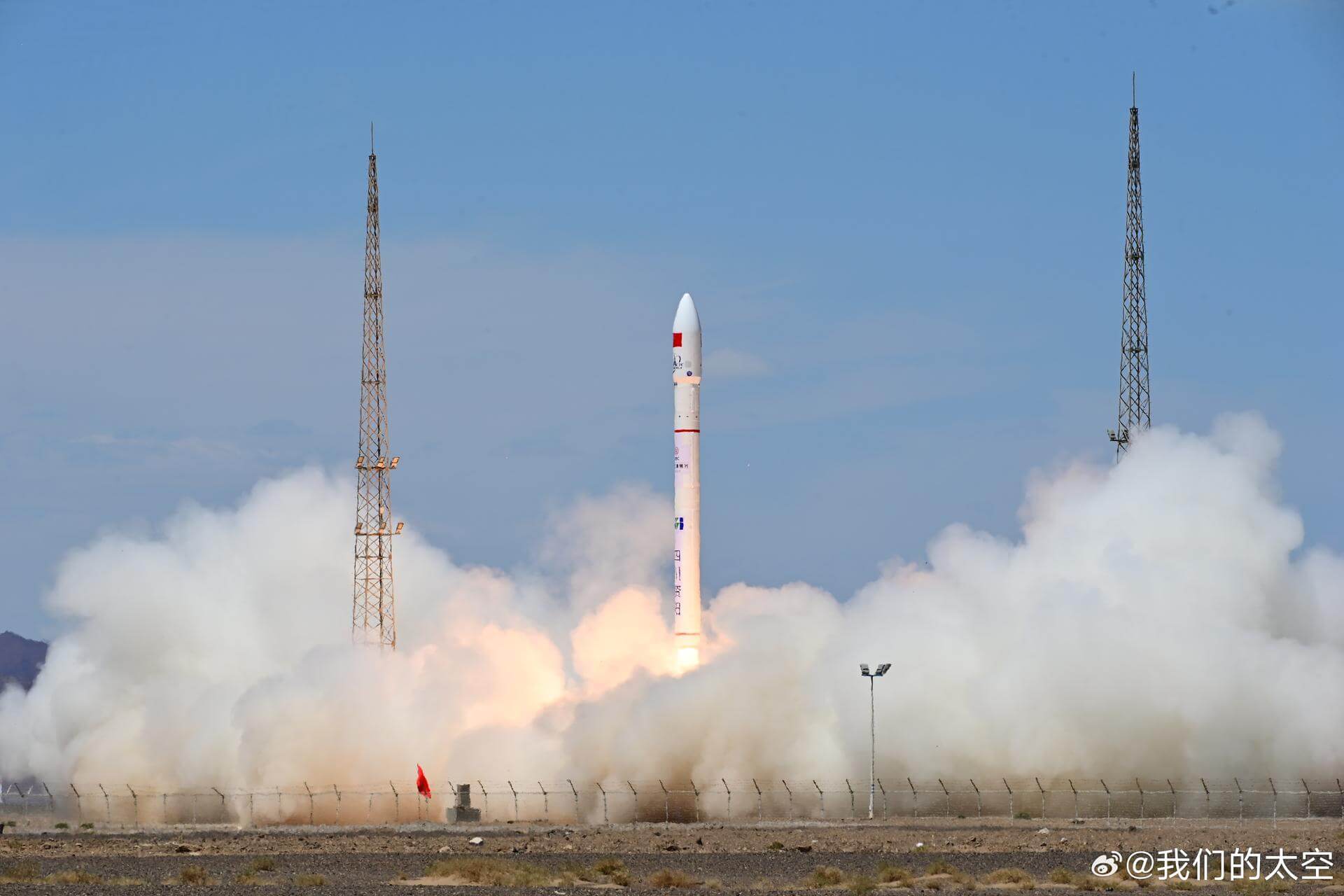
Today's brief covers the crash of a SpaceX Falcon 9 rocket over Europe, the Space Force's mapping efforts with Iron Dome, and key military appointments and funding decisions.
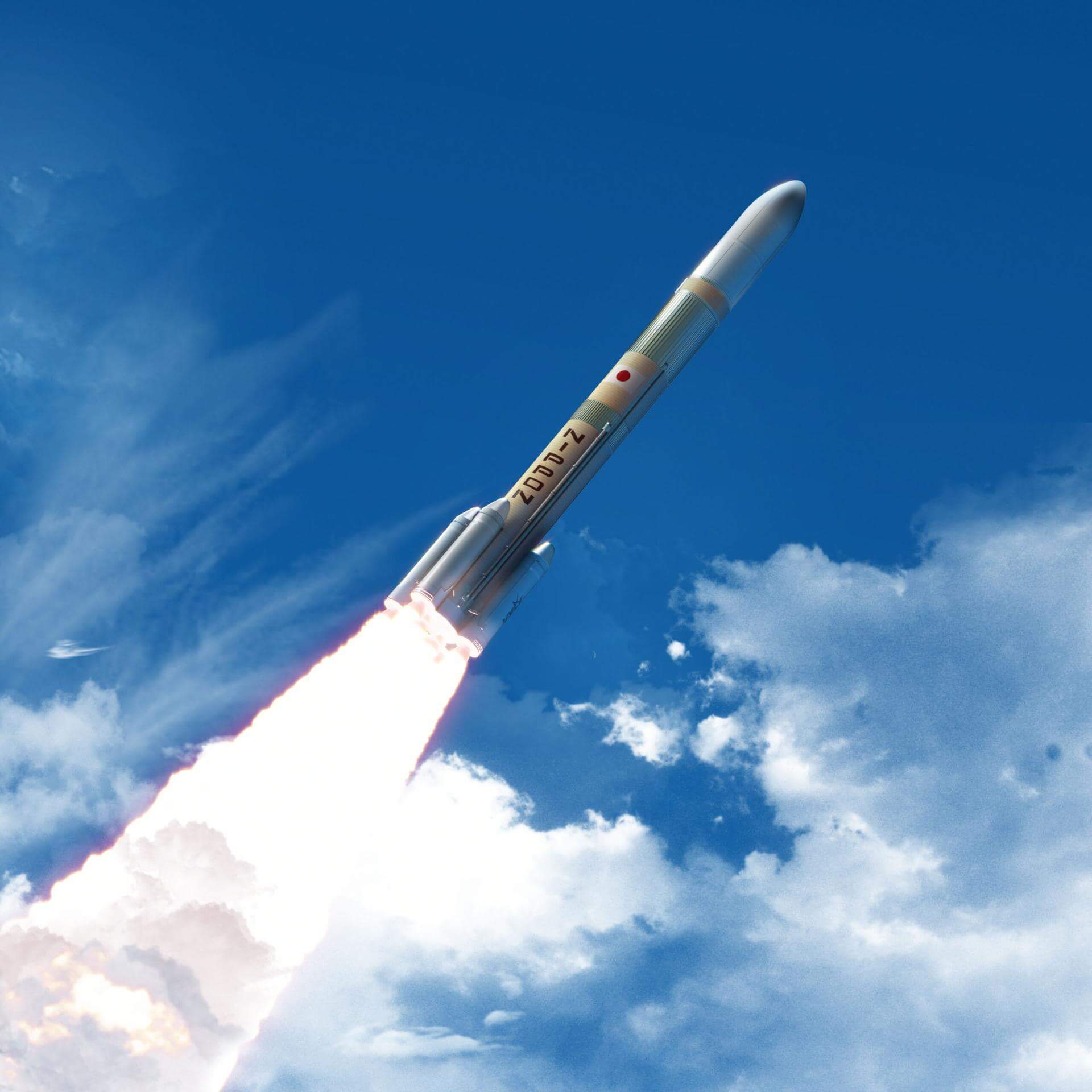
Today's Space Brief discusses significant military satellite launches, groundbreaking agreements for lunar nuclear power, and Italy's satellite strategy dilemma. Additionally, we cover the Dream Chaser's upcoming demonstration flight and new Pentagon contracts for rocket motor production.

Space debris poses a mounting threat to both satellites and space missions. As we send more objects into orbit, the likelihood of collisions and subsequent breakups producing dangerous space debris increases. Recognizing the major events that have generated this dangerous space junk is pivotal in ensuring the safety of future space missions.
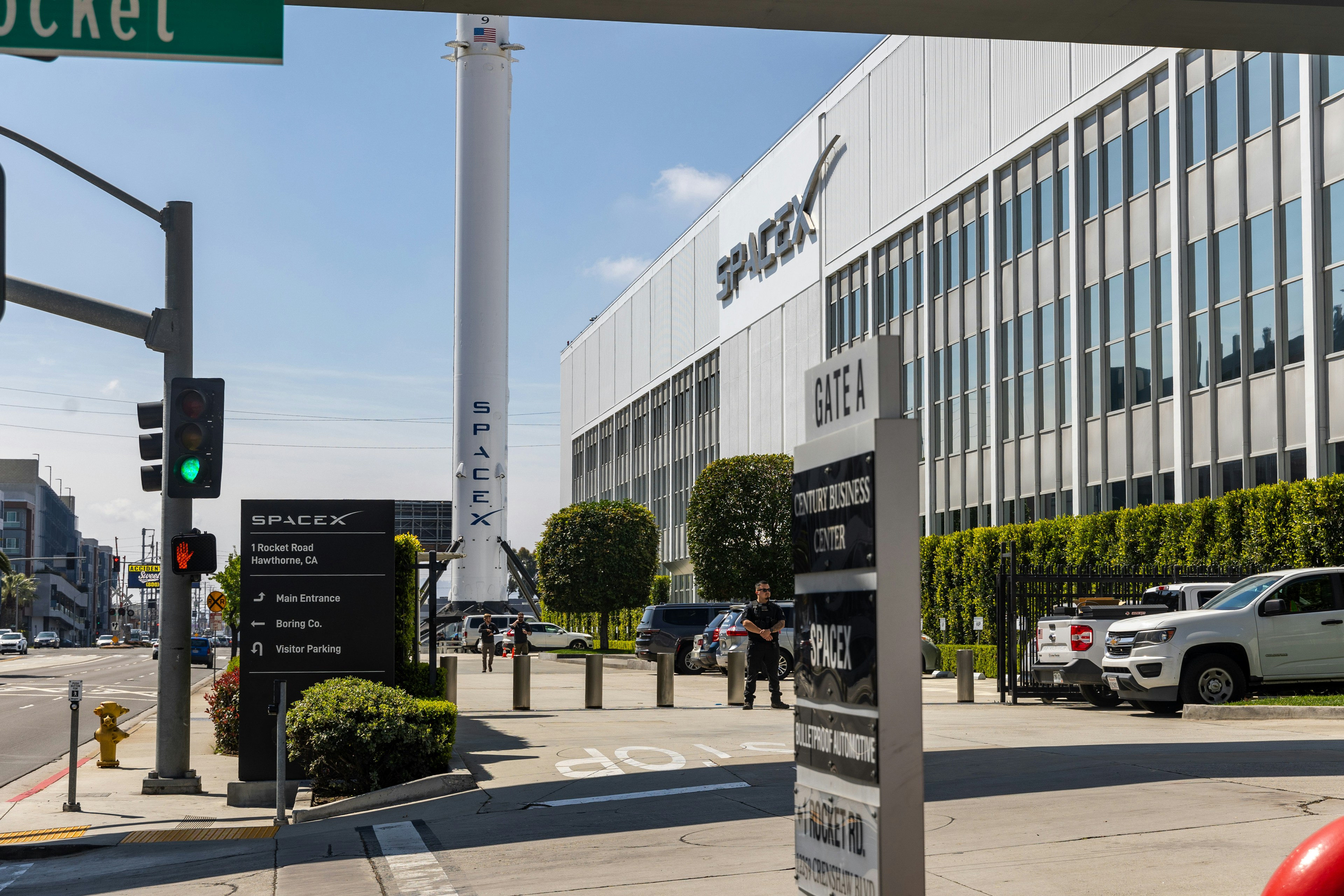
Starship Flight 6 approaches with a daring booster catch, while SpaceX ramps up satellite launches and navigates regulatory challenges.
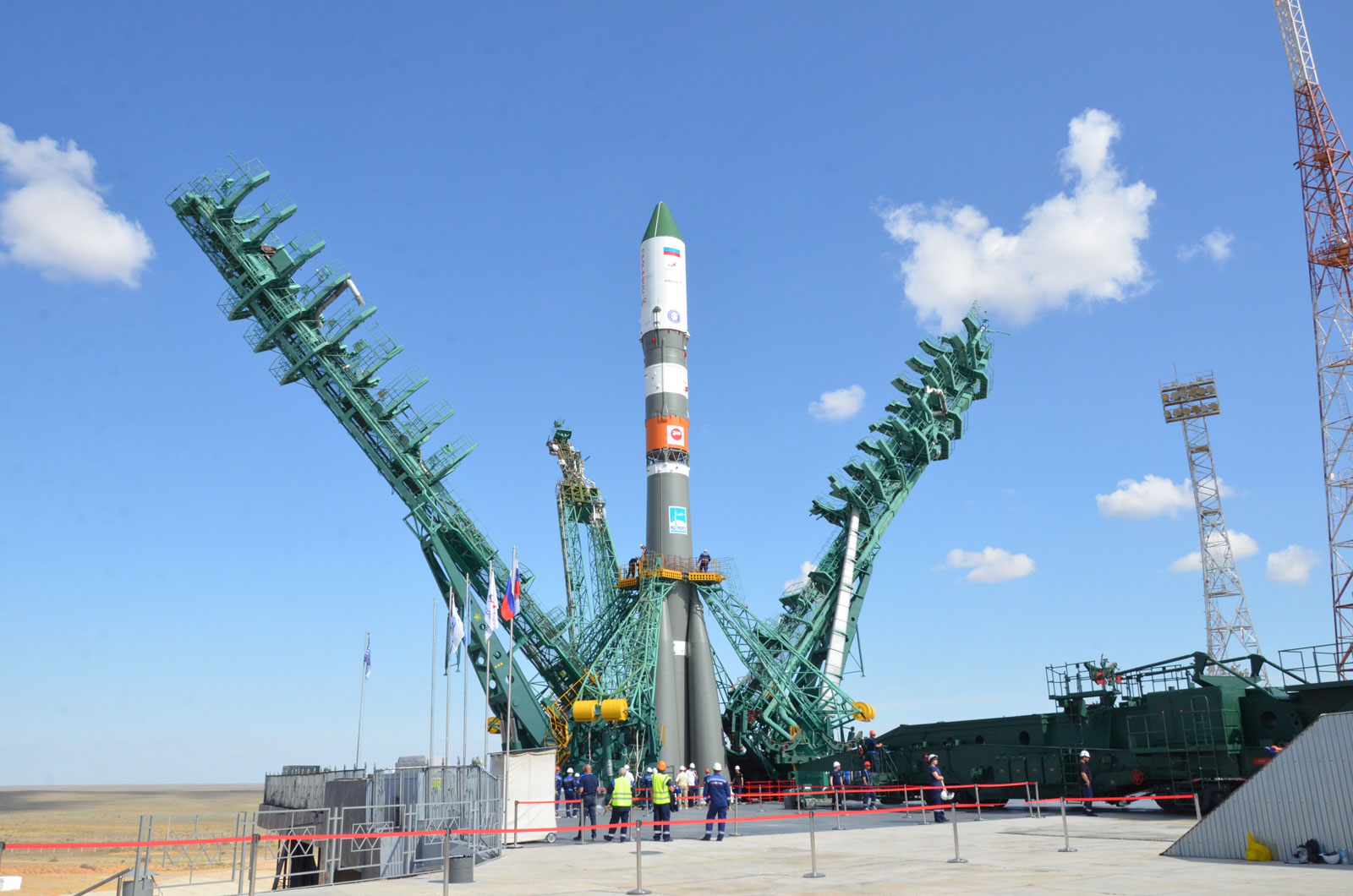
Space Force expands National Security Space Launch Phase 3 with Relativity Space and Impulse Space joining Lane 1 competition. New entrants gain pathway to military payload contracts.