

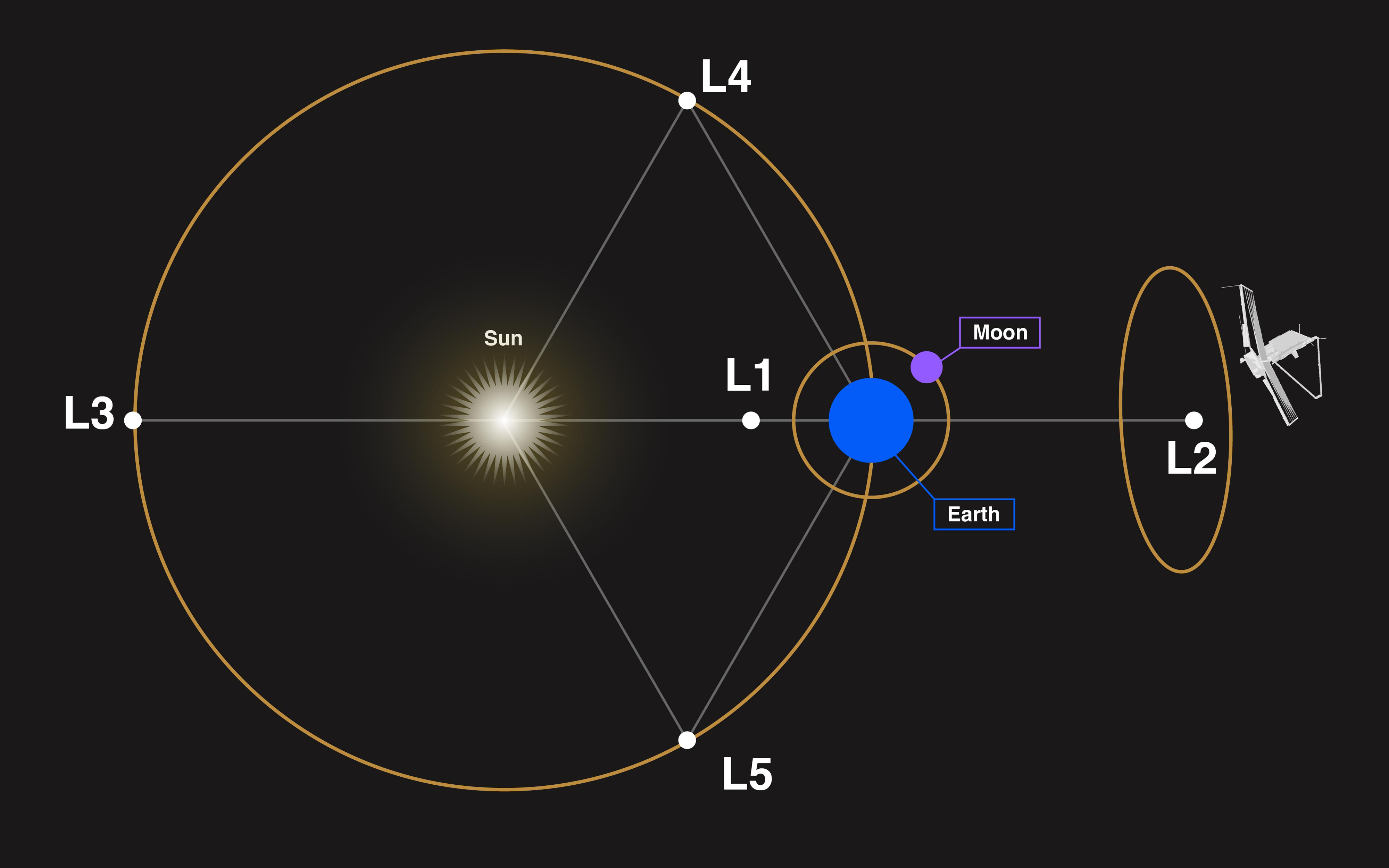
Lagrange Points
Five spots in the Earth-Sun system where the gravitational tug of two massive bodies and the pull of circular motion all cancel out, creating gravitational parking spaces where spacecraft can sit for decades with almost no fuel.



Launch Date
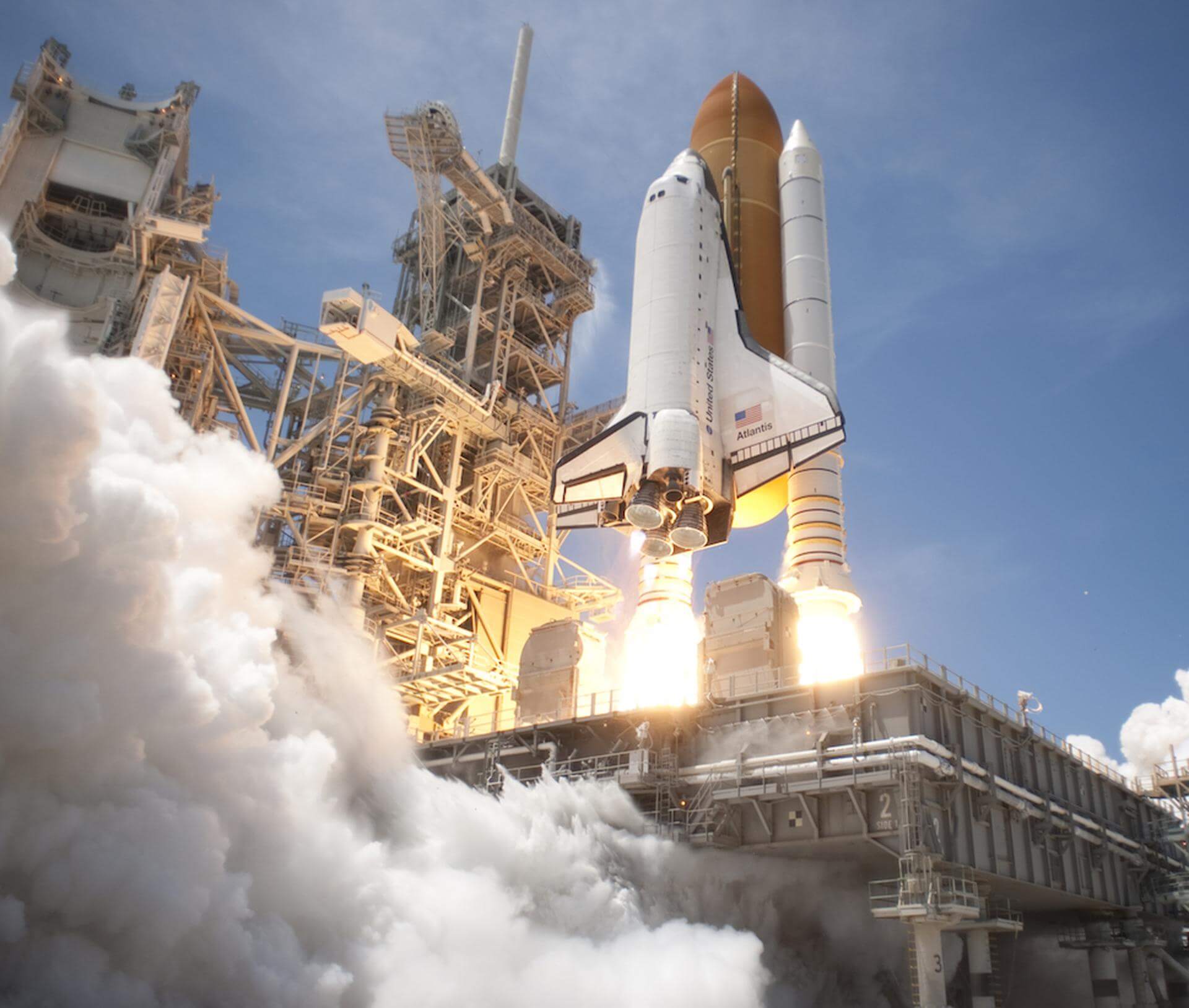
February 3, 1984
Launch Site
Launch Pad
LC39A
Launch Vehicle
Space Shuttle
NORAD ID
14824
International Designator
1984-011U
Decay Date
2/3/1990
Name
PALAPA B2 DEB
Alternative Name
deb PAM-D
Type
Status
Owner
HSES
Country
United States
Constellation
N/A
Related Satellites
Major Events
N/A
Length
0
Diameter
0
Span
0
Dry Mass
0
Launch Mass
0
Shape
N/A
Radar Cross Section
0.1074
Visual Magnitude
Unknown
Color
Unknown
Material Composition
Unknown
Payload
Unknown
Purpose
Unknown
Mission
Unknown
Manufacturer
Unknown
Life Expectancy
Unknown
Bus
Unknown
Configuration
Unknown
Motor
Unknown
Equipment
Unknown
Power System
Unknown
ADCS
Unknown
Transmitter Frequency
Unknown
Learn more about satellites and other related topics.
Five spots in the Earth-Sun system where the gravitational tug of two massive bodies and the pull of circular motion all cancel out, creating gravitational parking spaces where spacecraft can sit for decades with almost no fuel.
Space Force confirmed 9 companies won orbital Air Moving Target Indication contracts. Capability shifts airborne surveillance to satellites for expanded coverage and survivability.
Pentagon chief Pete Hegseth tours Rocket Lab for Arsenal of Freedom strategy. Space Force accelerates 2026 acquisitions including GPS and tactical comms. Rhea Space wins $1.9M optical nav contract.
SpaceX launched 25 more Starlink satellites from Vandenberg SFB on March 8, 2026, pushing the active constellation toward 9,914 working spacecraft.
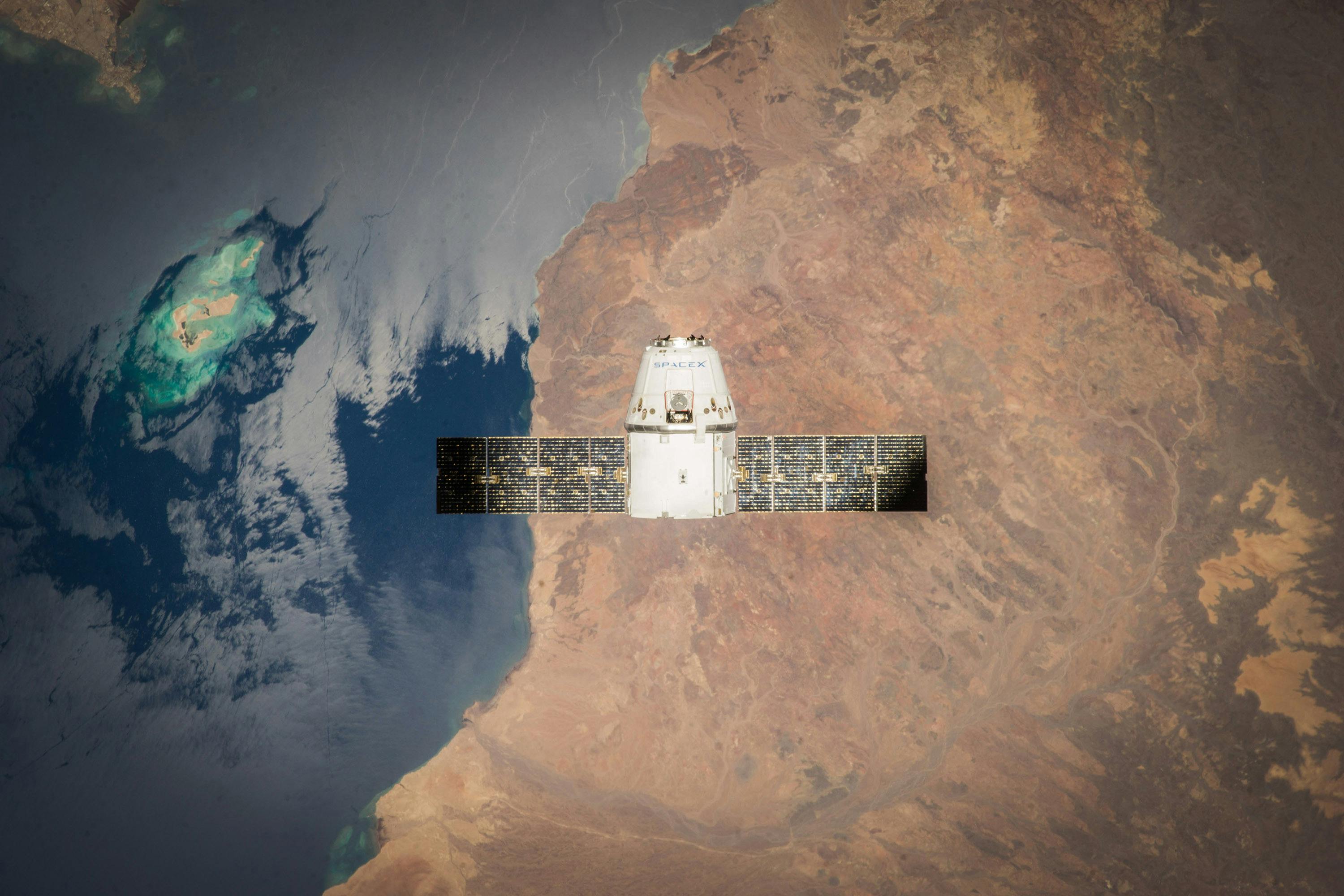
SpaceX continues to push boundaries with the successful launch of 28 Starlink satellites and significant testing preparations for upcoming Crew-11 and Starship missions.
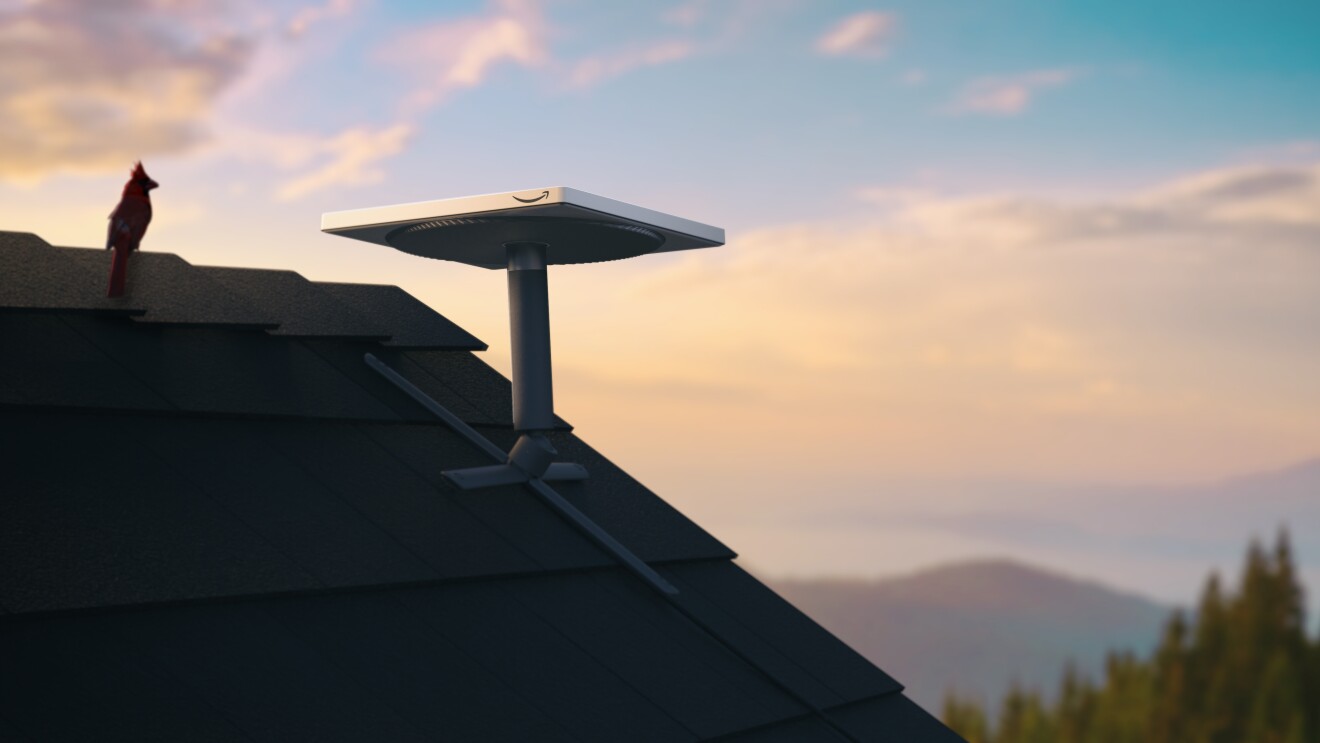
SpaceX acquires xAI to develop orbital data centers. Starlink terminals bypass Iran's government internet blackouts. Blue Origin escalates defense procurement criticism.

SpaceX awarded $178.5M Space Force contract for missile tracking satellite launches beginning 2027. Pentagon also extends GPS modernization support with $45M Raytheon order.

SpaceX launched Starlink batches from Vandenberg and Cape Canaveral within 48 hours, pushing the active constellation toward 10,000 operational satellites.